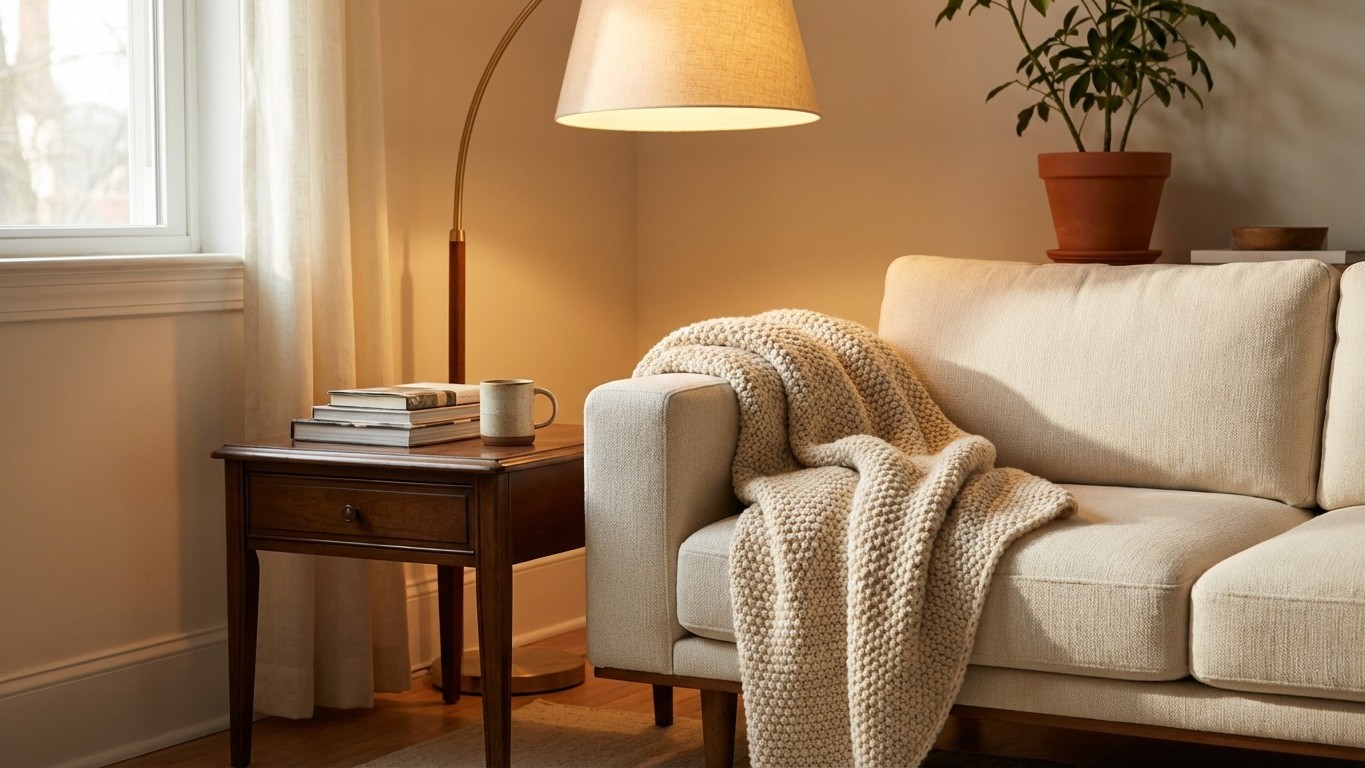
Ever walked into a room and felt something was off, but couldn’t quite put your finger on it? Often, it’s the subtle decor details that can make or break the chicness of a space. The good news? Many of these missteps are easily fixable in minutes. Let’s dive into ten common decor Mistakes and how to swiftly correct them.
Key takeaways
- Why perfect matching can actually ruin your room’s vibe
- How lighting choices affect the mood more than you think
- The surprising impact of curtain placement and size on space perception
1. Overmatching Everything
When every piece of furniture, fabric, and finish perfectly matches, it stops looking intentional and starts resembling a hotel lobby. While coordination can be elegant in moderation, excessive matching flattens a room’s personality. Instead, mix tones, textures, and eras to create depth and interest. Pair a sleek, modern sofa with a vintage side table, or add a textured throw to break up a leather couch. The most captivating rooms blend variety seamlessly.
2. Harsh or Insufficient Lighting
Lighting sets the mood of a space. Relying solely on harsh overhead lights can make even the most stylish rooms feel uninviting. Layer your lighting: combine ambient lighting like ceiling fixtures with task lighting such as desk lamps, and accent lighting like wall sconces. Opt for warm-toned bulbs to create a cozy atmosphere. This approach adds depth and warmth, transforming the ambiance instantly.
3. Incorrectly Hung Curtains
Short or low-hung curtains can make ceilings appear lower and rooms feel smaller. To create the illusion of height and space, hang curtain rods closer to the ceiling and extend them wider than the window frame. Ensure the fabric reaches the floor or lightly grazes it. Choosing heavier fabrics like linen blends adds a touch of elegance and ensures the curtains drape beautifully.
4. Rugs That Are Too Small
A rug that’s too small can make a room feel disjointed. In living areas, aim for a rug size that allows at least the front legs of your furniture to rest on it. This anchors the space and creates a cohesive look. If investing in a larger rug isn’t feasible, layering a smaller rug over a larger, neutral one can achieve a similar effect.
5. Bare or Undersized Wall Art
Bare walls can make a home feel unfinished, while tiny artwork on expansive walls appears out of place. Opt for larger pieces or create a gallery wall to fill the space appropriately. Ensure artwork is hung at eye level and relates to nearby furniture to maintain balance and Harmony in the room.
6. Pushing Furniture Against Walls
Arranging all furniture against the walls can make a room feel like a waiting area. Instead, pull pieces inward to create intimate conversation zones. Floating a sofa or adding a cozy rug can anchor the design and make the space more inviting. Embrace negative space to let your furniture breathe and enhance the room’s flow.
7. Over-Themed Decor
Leaning too heavily into a single design trend can make your space feel like a set piece rather than a home. Over-theming lacks depth and can quickly feel dated. Instead, treat trends as inspiration and blend them with timeless elements and personal touches to create a balanced and sophisticated environment.
8. Neglecting Baseboards and Trim
Scuffed baseboards, chipped trim, and dusty molding can subtly degrade the look of a room. These architectural details frame your space, and when ignored, the whole room suffers. A fresh coat of paint, regular cleaning, or minor repairs can instantly upgrade the overall appearance.
9. Inconsistent Flooring
Mixing different flooring types across rooms can make a house appear disjointed. Consistent flooring creates a cohesive, intentional feel throughout the home. If replacing flooring isn’t an option, using large area rugs can help unify the space and create visual continuity.
10. Cluttered Surfaces
Even with Expensive furniture, visible clutter can make everything look cheap. When counters are covered in random items, and cables are exposed, the room feels chaotic. Use trays, baskets, and closed storage to hide everyday messes. Giving your clutter a designated “home” keeps surfaces clean and the space feeling organized and chic.
By addressing these subtle decor details, you can elevate your home’s aesthetic without a complete overhaul. Sometimes, it’s the smallest changes that make the most significant impact. So, which of these quick fixes will you tackle first?