
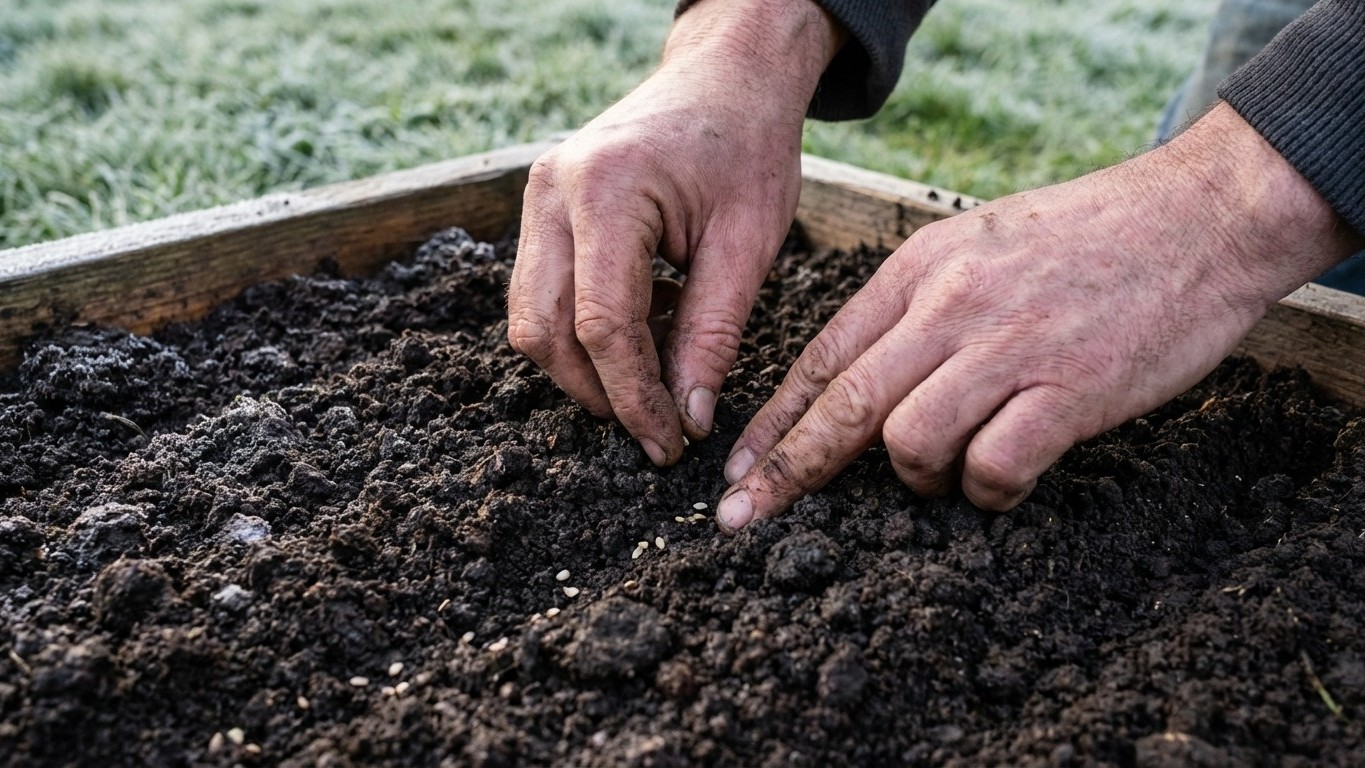
The ground is barely thawed and yet the best planting window of the year is already open. Most gardeners wait too long, convinced that spring means warm weather. But cool-season vegetables, the ones that actually prefer chilly soil and frosty mornings — are at their peak performance right now, in early spring, when night temperatures still dip into the 30s and the air smells like wet earth.
Key takeaways
- Your garden is ready weeks before you think it is—and cool-season crops prove it
- Lettuce planted in 50°F soil tastes completely different than summer-grown versions
- Miss the March-April window and you’ll lose your entire pea harvest to heat
Why cool-season vegetables belong in the ground before it feels “ready”
Lettuce, peas, spinach, and their cousins evolved in climates where spring is short and sharp. They don’t just tolerate cool temperatures, they require them to hit their best flavor. Lettuce grown in 50°F soil is crispier, less bitter, and far more tender than the same variety planted two months later in summer heat. The biology is simple: stress from warmth triggers bolting, that rapid rush to seed that turns your salad greens into something you’d rather not eat. Plant early, harvest before the heat arrives, and you get the version of these vegetables they were always meant to be.
There’s also a practical argument for getting seeds in the ground before you feel quite ready. Peas, for example, need a long enough window to set Flowers and develop pods before temperatures consistently exceed 70°F. In much of the continental U.S., that window closes faster than you’d expect, sometimes by late May. Every week of delay in March or early April translates directly into lost harvest time at the other end.
Lettuce: the easiest entry point, with a few tricks worth knowing
If you’ve never direct-seeded a crop before, lettuce is your best first attempt. The seeds are small but forgiving, scatter them thinly over prepared soil, press them lightly (they need light to germinate, so don’t bury them), and water gently. Germination happens fast: anywhere from five to ten days at soil temperatures between 40°F and 65°F. Below 35°F, things slow down considerably, but the seeds won’t die — they’ll just wait.
Loose-leaf varieties like ‘Black-Seeded Simpson’ or any red oakleaf type will give you a first harvest in around 30 days if you practice cut-and-come-again harvesting, snipping outer leaves rather than pulling the whole plant. Head lettuces like romaine take longer (60 to 75 days), which means starting them now, in early April, is almost exactly right for a late May or early June harvest before summer kicks in. One thing that surprises many gardeners: a light frost (28°F to 32°F) won’t kill established lettuce transplants. It might bruise the outer leaves slightly, but the plant itself survives. That cold tolerance is what makes early planting so low-risk.
Succession planting is worth building into your routine from the start. Sow a small row every two weeks through mid-April, and you’ll have continuous harvests rather than a glut followed by nothing. Think of it less like planting a crop and more like scheduling a supply chain.
Peas: the crop that rewards patience and proper support
Peas are older than almost any vegetable in cultivation, they’ve been found in archaeological sites dating back 10,000 years, and for most of that time, they were considered a spring staple precisely because they thrive in cold. The rule of thumb is to plant peas as soon as the soil can be worked, even if the forecast still shows frosty nights. Soil temperature around 45°F is fine; 50°F is ideal. The seeds will rot if the soil is waterlogged, but cold alone won’t stop them.
Snow peas, snap peas, and shelling peas all follow roughly the same schedule, but snap peas (the kind you eat pod and all when the peas are fully formed inside) tend to offer the most return for the space they occupy. Most climbing varieties will reach four to six feet, so having a trellis or a simple fence of wire and stakes ready before you plant saves you the awkward scramble of trying to install support around already-sprawling vines. Direct sow one to two inches deep, two to three inches apart, and don’t bother soaking the seeds overnight, it’s a common piece of advice that doesn’t consistently improve germination and can occasionally cause the seed coat to split.
What else thrives right now
Spinach is more cold-hardy than either peas or lettuce, established plants can survive temperatures down to 20°F, which makes it one of the few crops you can legitimately plant in late March in most U.S. zones. It germinates best in soil between 50°F and 65°F and bolts quickly in heat, so the entire productive window happens in that narrow, cool corridor of spring. Arugula follows a similar trajectory and germinates so readily that it almost feels like cheating.
Radishes deserve a mention for the impatient grower. They’re ready in 25 to 30 days from seed, which means a packet sown this week could be on your table before May. They also serve a useful double function: Planted between slower crops like peas or carrots, they mark the rows clearly while the main crop is still invisible underground, and they’re harvested before any competition for space becomes a problem.
Carrots and beets round out the early-spring lineup, though both require loose, well-worked soil at least 12 inches deep to form properly. Carrots especially will fork and twist in compacted ground, not a disaster for eating, but mildly humbling when you were expecting something elegant. A little extra preparation before seeding pays off by July.
The real opportunity in early spring isn’t just a head start on the season. It’s a different relationship with the garden itself, one where you’re working with the climate’s natural rhythms rather than waiting for conditions that feel comfortable. The Gardeners who plant in 45°F soil and trust the biology tend to eat better all summer than those who wait for a warm afternoon to feel motivated. That gap, between knowing the right window and actually stepping outside to use it, is the only one worth closing.