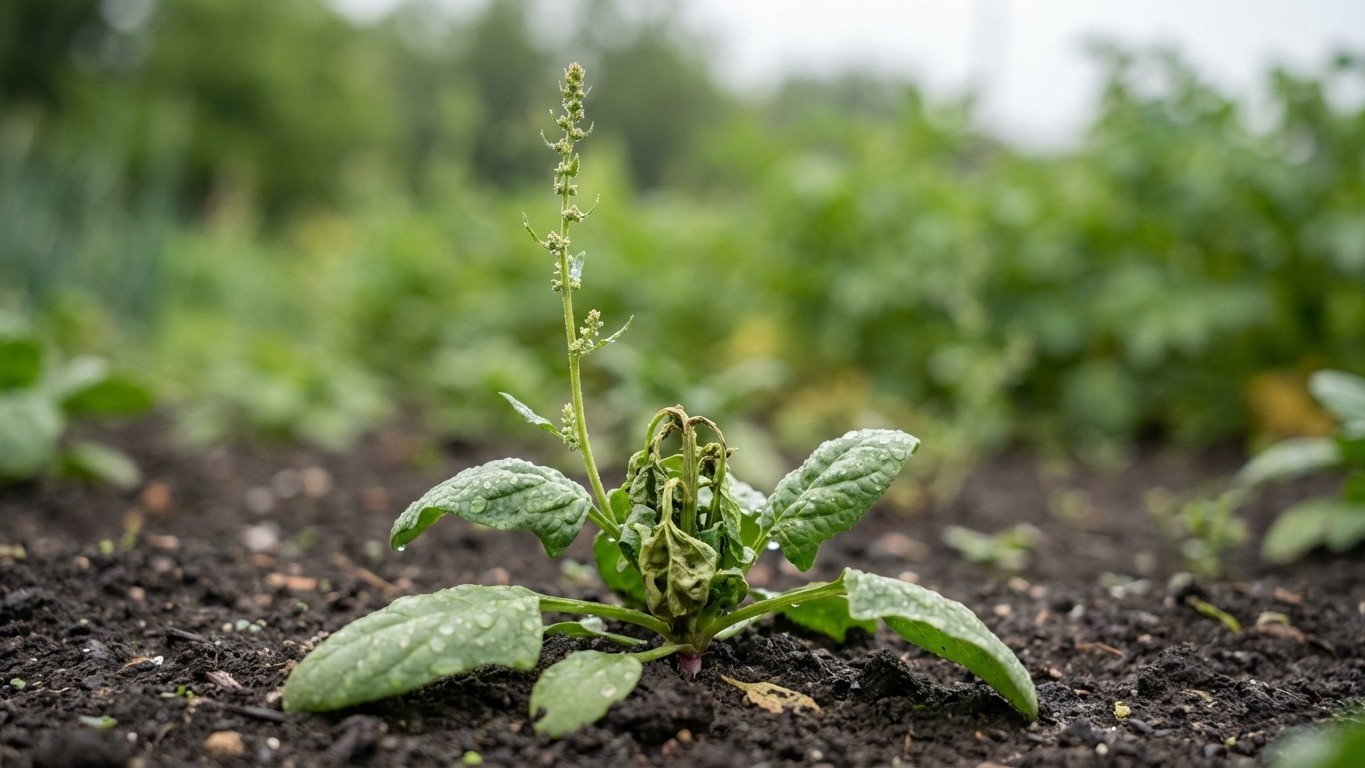
Some gardening mistakes cost you a weekend. This one cost me an entire season. Waiting until April to direct-sow four specific vegetables sounds reasonable, warm soil, no more frost risk, plenty of daylight. What I didn’t account for was that those four crops had already been silently waiting for weeks, their biological clocks ticking, their window for maximum yield quietly closing before I’d even bought my seeds.
Timing in Vegetable gardening isn’t just a suggestion printed on the back of a seed packet. For certain crops, it’s everything. The difference between sowing in early March versus late April can translate to a harvest that’s half the size, half the flavor, or one that bolts straight to seed before you get a single decent meal out of it. I learned this the expensive way, in labor, in water bills, and in the particular disappointment of pulling up a spinach plant that had flowered before I’d eaten a single leaf.
Key takeaways
- A six-week delay in planting timing caused spinach to bolt before producing leaves, peas to yield one-third their normal crop, and lettuce to turn bitter in weeks
- Cool-season crops need to be finished before summer heat arrives—not protected from spring frost—fundamentally changing when gardeners should actually sow
- The psychological pull of warm April weather and misleading seed packet instructions keep gardeners repeating this mistake year after year
The four vegetables I sowed too late (and what actually went wrong)
Spinach was the most dramatic failure. This is a cool-season crop that needs soil temperatures between 45°F and 65°F to germinate well and develop properly before heat stress triggers bolting. When I finally got my seeds in the ground in mid-April, daytime temperatures were already climbing into the low 70s. The plants germinated fast enough, looked healthy for about two weeks, then shot up a flower stalk before they’d produced more than a handful of usable leaves. The whole point of spinach, those wide, flat, tender leaves, never materialized. Two full beds, essentially wasted.
Peas tell a similar story. Most gardeners know peas like cool weather, but underestimate how much their productivity depends on being established before summer heat arrives. Pea plants that go in the ground in late April spend their short cool window just trying to get established, they don’t have the weeks of mild temperatures they need to flower and set pods before conditions turn against them. My yield was roughly a third of what the same variety produced the previous year when I’d sown in early March. Same soil. Same seeds. Just six weeks of timing difference.
Carrots surprised me most, because they’re often thought of as forgiving. But carrots sown in late April in most temperate regions face two compounding problems: they need consistent moisture to germinate (which warm, dry spring soil doesn’t provide as reliably), and their root development slows dramatically once soil temperatures push above 75°F. Late sowings produce shorter, less sweet, sometimes forked roots. The sugars that make a garden carrot worth growing develop during slow cool growth, rush that process with heat, and you end up with something closer to what you’d get at a gas station.
The fourth crop was lettuce, and this one was almost predictable in retrospect. Lettuce is borderline intolerant of heat, not just warm air, but warm soil. Sown in April when soil has already warmed, lettuce germinates unevenly, grows quickly but without the density it develops in cooler conditions, and bolts within weeks. The leaves turn bitter before the heads even fill out. Mine went from seedling to inedible in under three weeks during a warm spell in May.
Why gardeners keep making this mistake
There’s a psychological pull to waiting. April feels like the right time to garden. The soil is workable, the weather is inviting, the garden centers are fully stocked and buzzing with other enthusiastic planters. Sowing in February or early March, when it’s still cold, when you need to check a frost date chart, when the ground sometimes has a skim of ice at dawn — feels premature, even reckless.
Seed packets don’t always help. Many give generic windows like “sow as soon as soil can be worked” without making it viscerally clear what the cost of delay actually looks like. And because these crops do technically grow when sown in April, the connection between timing and disappointing results isn’t always obvious. You don’t get nothing. You just get far less than you should, which is harder to diagnose.
There’s also the frost anxiety factor. Many new gardeners (myself included, once) operate under a blanket rule: don’t plant anything until after the last frost date. That rule works fine for tomatoes and peppers. For cold-hardy crops like spinach, peas, carrots, and lettuce, it’s actively counterproductive. These plants can handle frost. A light freeze won’t kill spinach seedlings, those plants evolved in cool climates and are surprisingly resilient in their early weeks. Holding off until the danger has passed means robbing them of their ideal growing window.
What the calendar actually looks like for these crops
The timing shift required isn’t enormous, but it’s firm. Spinach and lettuce should go in six to eight weeks before your last frost date, which, for most of the northern United States, means late February to mid-March. Peas are typically recommended four to six weeks before last frost, so early to mid-March for most Zone 5-6 gardeners. Carrots do well sown three to five weeks before last frost, and can even tolerate a second sowing in late summer for a fall harvest.
A useful frame: these crops don’t need to be protected from winter. They need to be finished before summer. That’s the mental switch. You’re not racing against cold, you’re racing against heat.
Starting seeds indoors for transplant only works with lettuce among these four. Peas resent root disturbance. Carrots are essentially impossible to transplant successfully. Spinach can be started indoors but needs to go out young, before the taproot develops and the plant Becomes cold-tolerant anyway. Direct sowing, early, is the method that works.
Next year’s garden calendar is already written. The question is whether this year’s lesson sticks past the first warm Saturday in April, when every instinct says it’s finally time to get outside and plant something.