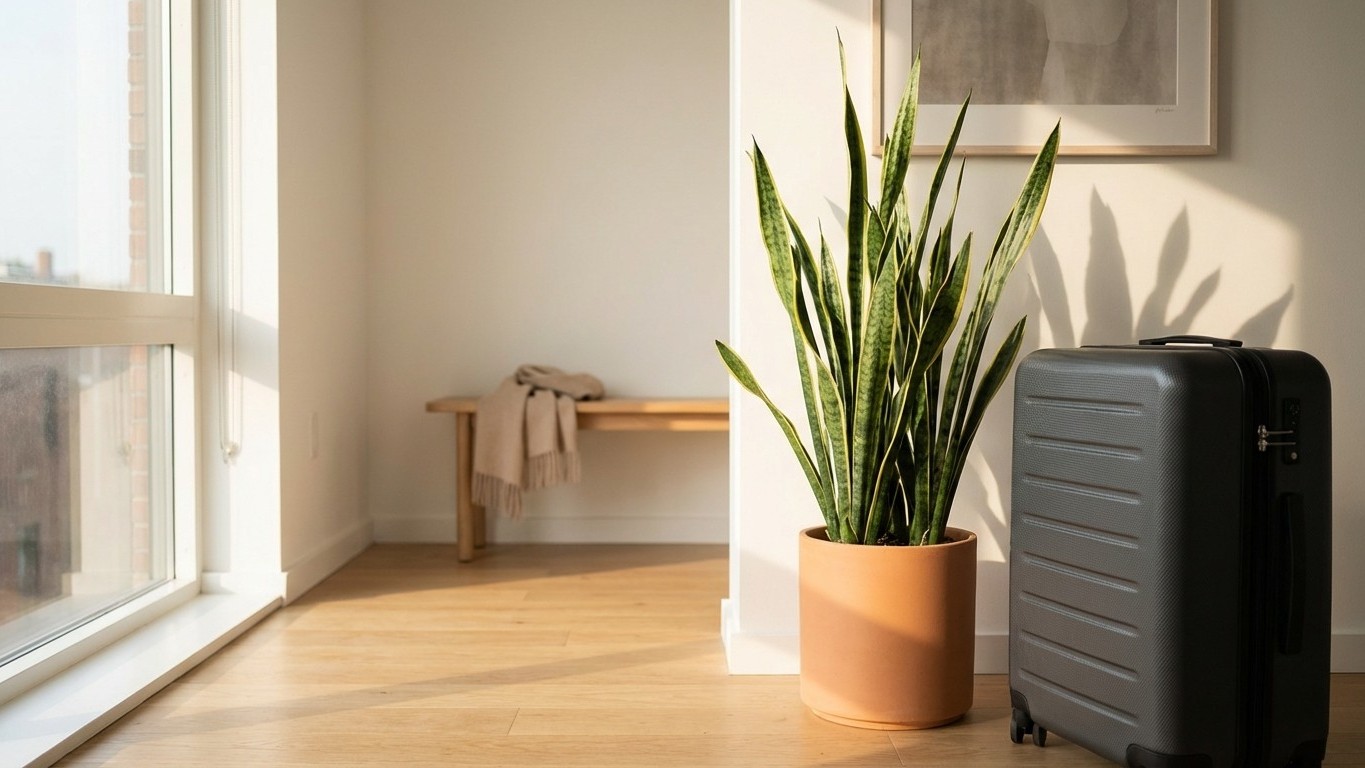
A suitcase by the door, a calendar full of meetings, and a plant that still looks alive when you get back. That’s the promise behind easy care indoor plants. Not “plants that never need anything”, but houseplants that stay forgiving when light is mediocre, watering is irregular, and your attention is split between a hundred daily micro-emergencies.
Think of them as the Kitchen staples of indoor gardening: not rare ingredients, not fussy, just reliable. And in February 2026, with more people working hybrid schedules and moving more often, that reliability matters. A plant that survives a missed watering is not a luxury, it’s a stress reducer.
Why choose easy-care indoor plants?
For beginners and busy people: confidence first
Starting with low maintenance houseplants changes the whole relationship you’ll have with indoor gardening. You stop “checking if it’s dying” and start noticing new leaves. That shift is real. A Sansevieria can sit quietly for weeks, then suddenly push a fresh spear of growth like it kept a secret schedule.
For beginners, the win is obvious: fewer irreversible mistakes. For busy households, the win is more subtle: plants become decor that doesn’t demand constant negotiation. You don’t need a spreadsheet to remember watering days. You need a simple routine and a plant that tolerates human life.
Common constraints: low light, forgotten watering, dry air
Most indoor plant failures aren’t dramatic. They’re slow. A dim corner, a pot without drainage, a “just in case” watering that becomes weekly, then root rot. The usual culprits show up again and again:
- Low light in apartments, north-facing rooms, or deep layouts.
- Inconsistent watering, from forgetting to overcompensating.
- Dry indoor air, especially with heating or AC.
- Small spaces, where plants get bumped, moved, or neglected.
If you live with pets or small kids, add one more constraint: you may need to choose plants as much for safety as for looks. Toxicity is a real part of “easy care”, because a plant isn’t low maintenance if you’re constantly policing it.
How to choose an easy-care indoor plant
Tolerance to neglect: water, light, humidity
The most forgiving plants share a trait: they store resources. Thick leaves, sturdy rhizomes, tubers, succulent tissues. Translation: they can “coast” when you miss a week.
Light tolerance matters just as much. Many people hear “low light” and imagine plants thriving in darkness. Reality is less romantic. Low light plants cope better than others, but most still prefer bright, indirect light when available. If your home is genuinely dim, you’ll get better results by choosing from dedicated low light indoor plants options, rather than forcing a sun-lover to survive on scraps of daylight.
Internal link to integrate: low light indoor plants
Growth speed and toughness
Fast growers can be motivating, but they also create more maintenance: pruning, repotting, cleaning fallen leaves, managing leggy stems. Many truly “easy care indoor plants” sit in the middle: steady growth without exploding.
Toughness also means resisting common indoor stresses: occasional cold drafts, a radiator nearby, being moved from room to room. A Dracaena, for example, tends to adapt better to change than a plant that demands one perfect spot.
Simple repotting, pruning, and cleaning
Some plants are easy because they ask for very little. Others are easy because their maintenance is simple and forgiving. Look for:
- Roots that don’t panic when slightly pot-bound.
- Leaves that wipe clean easily, dust happens fast indoors.
- Pruning that’s optional, not mandatory.
If you want to go deeper into matching plants to your exact home constraints, a good next step is exploring different houseplant varieties based on light, space, skill level, and pets.
Internal link to integrate: houseplant varieties
Top 10 easy-care indoor plants (with mini-guides)
One rule before the list: “easy” depends on your home. A cactus can be effortless in a bright window and miserable in a shaded apartment. So each plant below comes with a “best for” cue, plus a small care checklist you can actually follow.
1) Sansevieria (snake plant, mother-in-law’s tongue)
Best for: people who forget watering, bedrooms, offices.
Sansevieria is the classic “I didn’t touch it and it still lived” plant. Thick, upright leaves store water and tolerate a wide range of indoor conditions. The biggest risk is not neglect. It’s love, meaning too much water.
- Light: low to bright indirect; brighter speeds growth.
- Water: let soil dry well between waterings.
- Watch for: soft bases, yellowing, a sour smell from the pot (overwatering).
Pet note: commonly listed as toxic to cats and dogs if chewed, plan placement accordingly.
2) Pothos (Epipremnum aureum)
Best for: hanging baskets, shelves, “green but easy” vibes.
Pothos is popular for a reason: it grows in average homes, forgives missed waterings, and visibly perks up after a drink. It’s also easy to propagate, which makes it the houseplant equivalent of sharing sourdough starter.
- Light: medium to bright indirect; tolerates lower light with slower growth.
- Water: water when the top layer dries; don’t keep soggy.
- Maintenance: trim leggy vines; wipe leaves to remove dust.
Pet note: often listed as toxic if ingested, keep out of reach of chewers.
3) Zamioculcas zamiifolia (ZZ plant)
Best for: low-attention households, modern interiors, travel.
ZZ plants store water in thick rhizomes. They tolerate low light and irregular watering with a calm, glossy look that reads “intentional”, even when your care was accidental.
- Light: low to bright indirect; avoid harsh direct sun.
- Water: infrequent; let soil dry between waterings.
- Watch for: yellowing stems (often too much water).
Pet note: generally treated as toxic if ingested. If pets nibble, choose a safer option.
4) Aspidistra (cast-iron plant)
Best for: darker corners, “set and forget” rooms.
The cast-iron plant earned its nickname by being hard to annoy. It tolerates low light and inconsistent care, making it a steady choice for entryways or rooms that aren’t plant-first spaces.
- Light: low to medium; avoid direct sun.
- Water: moderate, allow partial drying between waterings.
- Maintenance: mostly cleaning leaves and removing old ones.
5) Chlorophytum comosum (spider plant)
Best for: beginners, homes that want quick wins.
Spider plants bounce back fast and produce “babies” that you can replant. They tolerate a range of light, and their forgiving nature makes them a common first success.
- Light: bright indirect is ideal; tolerates medium.
- Water: regular but not constant; don’t leave waterlogged.
- Tip: brown tips often come from dry air, salts, or inconsistent watering.
Pet note: often cited as one of the safer choices around pets, but any plant can still cause mild stomach upset if eaten.
6) Spathiphyllum (peace lily)
Best for: people who like a “signal” when it’s thirsty.
Peace lilies are not drought lovers, but they are communicative: they droop when thirsty and often recover after watering. That makes them easier for many people than silent plants that rot without warning.
- Light: bright, indirect; no direct sun.
- Water: keep evenly moist, not soaked; never let it sit in water.
- Watch for: persistent yellowing and mushy stems (overwatering).
Pet note: commonly listed as toxic if chewed due to irritating compounds, avoid if pets bite plants.
7) Indoor-friendly cactus and succulents
Best for: sunny windows, minimal watering schedules.
Succulents and cacti can be the easiest plants you’ll ever keep, if your home has strong light. Without it, they stretch, weaken, and become a constant disappointment that feels personal.
- Light: as bright as you can provide, some tolerate direct sun.
- Water: deep watering, then full dry-down; less in winter.
- Soil: gritty, fast-draining mix and a pot with drainage holes.
8) Peperomia
Best for: small spaces, desks, shelves, controlled growth.
Peperomias are often compact and tidy. Many have thicker leaves, meaning they don’t demand constant watering. They’re good “apartment plants”: attractive, slow to explode, and easier to fit into real life.
- Light: medium to bright indirect.
- Water: allow partial drying; avoid soggy soil.
- Maintenance: pinch tips if you want a bushier shape.
9) Dracaena
Best for: floor plants, low drama, modern rooms.
Dracaenas are widely used indoors because they keep structure with relatively little attention. They handle average indoor conditions, but they dislike wet feet.
- Light: low to bright indirect, depending on the type; brighter keeps growth stronger.
- Water: let the top part of the soil dry before watering again.
- Watch for: soft stems, persistent yellowing (often too much water).
Pet note: commonly listed as toxic if ingested. Placement matters.
10) Crassula ovata (jade plant)
Best for: sunny spots, people who prefer “water rarely”.
Jade plants feel like living objects. Thick stems, fleshy leaves, slow steady growth. They can live for years as a quiet companion, but they require light to stay compact and healthy.
- Light: bright light, some direct sun tolerated.
- Water: infrequent; let soil dry fully between waterings.
- Soil: cactus/succulent mix, fast drainage.
Pet note: often listed as toxic to pets. If you share your home with a persistent nibbler, choose differently.
Basic rules to keep easy-care plants thriving
Light: finding the “good enough” spot
Light is food. If a plant isn’t growing, light is usually the first suspect. A simple method: stand where the plant will live and look at the sky. If you can see a wide patch of sky, you have a decent chance. If it’s mostly walls and shadows, pick a plant known for low-light tolerance or add a grow light.
Rotate pots every couple of weeks. It’s the cheapest “maintenance hack” there is, and it prevents leaning and uneven growth.
Minimal but regular watering: avoiding the classic kill switch
The number one mistake with easy care indoor plants is watering too often. The fix is not a strict schedule. It’s a simple decision rule:
- Check the soil with your finger or a wooden stick.
- If it’s still moist a couple of inches down, wait.
- When you water, water thoroughly, then let excess drain away.
For forgetful people, grouping plants by watering needs helps. Put drought-tolerant plants together, and keep “even moisture” plants like peace lilies in a visible area where you’ll notice drooping before damage sets in.
Substrate, drainage, and pot choice
Easy care often comes down to one unglamorous detail: drainage holes. A decorative pot without drainage turns watering into roulette. If you love cachepots, keep plants in a nursery pot inside the decorative one and empty excess water after watering.
Match soil to plant behavior. Succulents want fast-draining gritty mixes. Many tropical foliage plants do well in a quality potting mix with added aeration. The goal is the same: roots need oxygen as much as they need water.
Spotting health problems early in “tough” plants
Hardy plants don’t mean invincible plants. They just decline slower. Learn a few signals:
- Yellow leaves: often overwatering, sometimes low light or nutrient issues.
- Soft stems or base: urgent, usually rot.
- Crispy edges: dry air, inconsistent watering, or salt buildup.
- Leggy growth: not enough light.
Dust is underrated as a problem. A dusty leaf is a less efficient leaf. Wipe large foliage monthly. Two minutes. Big difference.
If you want a broader, structured reference for long-term routines, the cluster guide indoor plants care varieties houseplants is where the deeper care frameworks fit naturally.
Internal link to integrate: indoor plants care varieties houseplants
Pairing ideas and styling that stays low maintenance
Combine varieties for optimized care
Design can reduce work. Build “care zones”:
- A drought-tolerant zone: Sansevieria, ZZ plant, jade, and some succulents together.
- A moderate-water zone: pothos, spider plant, peperomia, dracaena.
- A “tell me when thirsty” zone: peace lily in a spot you pass daily.
This approach matters when you travel. One zone can go longer without water, another might need a single soak before you leave. The result is fewer last-minute favors. Many people start with “I used to ask my neighbor to water my plants” and end with a simpler plant roster that fits absence, not guilt.
Low-maintenance decor tricks that work in real homes
Go vertical with pothos on a high shelf or bookcase where it gets light and stays away from pets. Use one larger floor plant (like a dracaena) as a focal point, then add two or three smaller “supporting” plants on nearby surfaces. Fewer pots. Fewer watering checks. A room that still feels alive.
Choose pots you can lift. If a planter is heavy enough that you avoid moving it to the sink for a proper watering and drain, it quietly increases failure risk.
FAQ: easy care indoor plants
What is the easiest indoor plant to keep alive?
If your main problem is forgetting to water, Sansevieria and ZZ plants are among the most forgiving options. If your main problem is knowing when to water, a peace lily can be easier because it shows thirst clearly. The “easiest” plant depends on which mistake you tend to repeat.
If you want a curated starting list built specifically for people who are learning, explore best indoor plants for beginners and compare them to the plants above. Beginners often need feedback loops, not just toughness.
Internal link to integrate: best indoor plants for beginners
How do you water an easy-care houseplant without killing it?
Use the “dry-check rule” instead of a schedule. Check the soil first, then water thoroughly only when the plant needs it, and always let excess water drain. Easy-care plants die more often from excess water than from drought.
One practical trick: keep a simple note on your phone with two groups, “water rarely” and “water when top dries”. Put each plant in a group once. That’s it. No calendar required.
Can you keep easy-care plants with pets or children?
Yes, but you need to choose carefully. Many popular easy indoor plants are listed as toxic if chewed, including pothos, dracaena, snake plant, peace lily, and often jade and ZZ plant. If you have curious pets or toddlers, pick safer plants and still assume ingestion can cause stomach upset.
Placement helps, but cats climb. When safety is a priority, treat the plant choice like you’d treat cleaning products: prevention beats “hopefully”.
Which plants truly tolerate missed watering or low light?
For missed watering: Sansevieria, ZZ plant, jade, and many indoor-suited succulents handle drought better than most. For low light: cast-iron plant and some dracaenas often cope well, with slower growth. Pothos can tolerate lower light too, but it becomes leggier and less dense over time.
When both constraints stack up, low light plus forgetting water, choose a plant with water storage (thick leaves or rhizomes) and accept slow growth as the trade-off.
A checklist you can actually follow
One page. One routine. No drama.
- Put the plant where it can “see the sky” from its spot, if possible.
- Use a pot with drainage holes or a nursery pot inside a decorative cover.
- Check soil before watering; wait if it’s still moist below the surface.
- Water deeply, then drain; never let it sit in water.
- Rotate every couple of weeks for even growth.
- Wipe leaves monthly, especially on larger foliage plants.
- Before vacations, group plants by watering needs and water appropriately.
If you want, tell me your light situation (window direction, distance from the window) and whether you have pets, and I’ll narrow this list down to 3 or 4 easy care indoor plants that match your home instead of fighting it. Which room do you want to green up first?