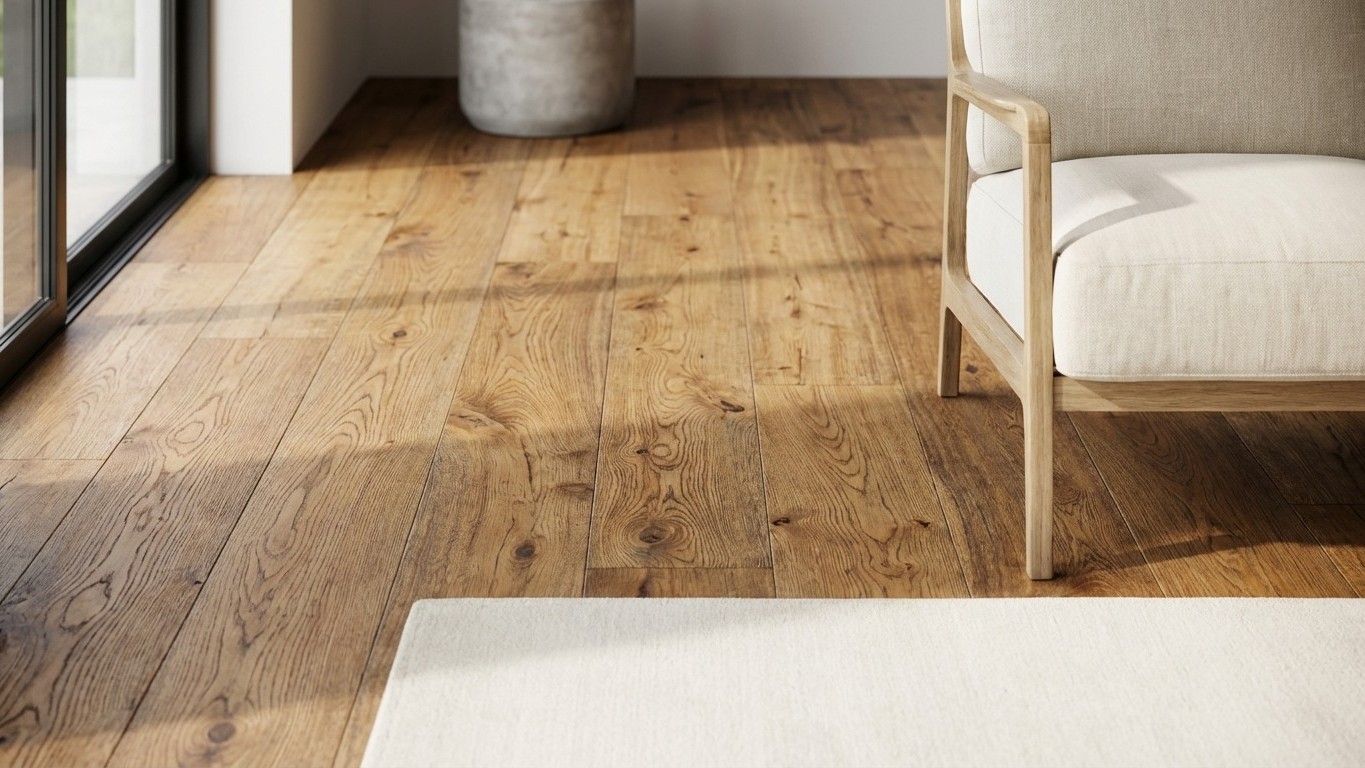
Revamping your home’s flooring can dramatically transform its ambiance and functionality. In 2026, a wave of innovative flooring alternatives is making it possible to achieve stunning makeovers without the hassle of major renovations. These options enhance aesthetic appeal. Also, offer practical benefits like durability, sustainability, and ease of installation.
Key takeaways
- Explore flooring options that elevate style without demolition.
- Discover materials combining durability, sustainability, and ease.
- Learn how patterns and innovative tech redefine home floors.
Luxury Vinyl Plank (LVP): The Versatile Contender
Luxury Vinyl Plank (LVP) has surged in popularity due to its remarkable ability to mimic natural materials such as hardwood and stone. Thanks to advancements in printing and embossing technologies, LVP now offers hyper-realistic textures and visuals that can fool even the keenest eye. Its water-resistant properties make it an ideal choice for moisture-prone areas like kitchens and bathrooms. Moreover, LVP’s click-lock installation system allows homeowners to lay down new flooring over existing surfaces, eliminating the need for demolition and reducing installation time significantly.
Microcement: The Seamless Solution
For those seeking a minimalist and contemporary look, microcement presents an excellent option. This thin, cement-based coating can be applied directly over existing substrates, creating a seamless and monolithic appearance. Its versatility extends beyond floors to walls and even built-in furniture, offering a cohesive design throughout the home. Microcement is aesthetically pleasing. Also, durable, waterproof, and compatible with underfloor heating systems, making it suitable for various spaces, including bathrooms and kitchens.
Engineered Wood: The Stable Alternative
Engineered wood flooring combines the timeless beauty of hardwood with enhanced stability and moisture resistance. Composed of a real wood veneer atop multiple layers of plywood or high-density fiberboard, engineered wood is less susceptible to warping and expansion compared to solid hardwood. This makes it a practical choice for areas with fluctuating humidity levels. Additionally, engineered wood can often be installed over existing floors using floating floor techniques, minimizing the need for extensive subfloor preparation.
Hybrid Flooring: The Best of Both Worlds
Hybrid flooring merges the durability of laminate with the waterproof qualities of vinyl, resulting in a robust and versatile flooring option. Its rigid core construction provides stability, while the top layer offers realistic wood or stone visuals. Hybrid flooring is designed for easy installation, often featuring click-lock systems that allow for quick placement over existing floors. This makes it an attractive choice for homeowners looking to upgrade their flooring without the mess and expense of tearing out old materials.
Eco-Friendly Options: Sustainable and Stylish
Sustainability continues to be a driving force in home design, and flooring is no exception. Materials like bamboo and cork are gaining traction due to their renewable nature and unique aesthetic appeal. Bamboo grows rapidly, making it an eco-friendly alternative to traditional hardwoods. It offers durability and a contemporary look, suitable for various interior styles. Cork, harvested from the bark of cork oak trees without Harming the tree, provides a soft, comfortable underfoot experience and natural insulation properties. Both materials can often be installed over existing floors, reducing waste and installation time.
Patterned Installations: Adding Character Without Complexity
Beyond material choices, the way flooring is installed can significantly impact a room’s character. Patterns such as herringbone, chevron, and parquet are making a strong Comeback, offering visual interest and a sense of craftsmanship. These patterns can be achieved with various materials, including LVP, engineered wood, and tile, allowing homeowners to personalize their spaces without the need for structural changes. The use of patterned flooring can delineate areas within open-plan spaces or add a focal point to a room, enhancing the overall design without extensive renovations.
Embracing these innovative flooring alternatives in 2026 allows homeowners to achieve remarkable transformations with minimal disruption. Whether opting for the versatility of LVP, the seamless elegance of microcement, or the sustainable charm of bamboo, these options cater to diverse tastes and practical needs. The future of home makeovers lies in smart choices that combine style, functionality, and ease of installation, proving that a stunning floor transformation doesn’t require tearing your home apart.