Spring had always meant one thing for me: hours spent turning over my vegetable garden soil, preparing it for the new planting season. It was backbreaking work, but I believed it was essential for a bountiful harvest. That was until I stumbled upon the concept of no-dig gardening—a method that not only saved my back but also supercharged my garden’s productivity.
Embracing the No-Dig Method
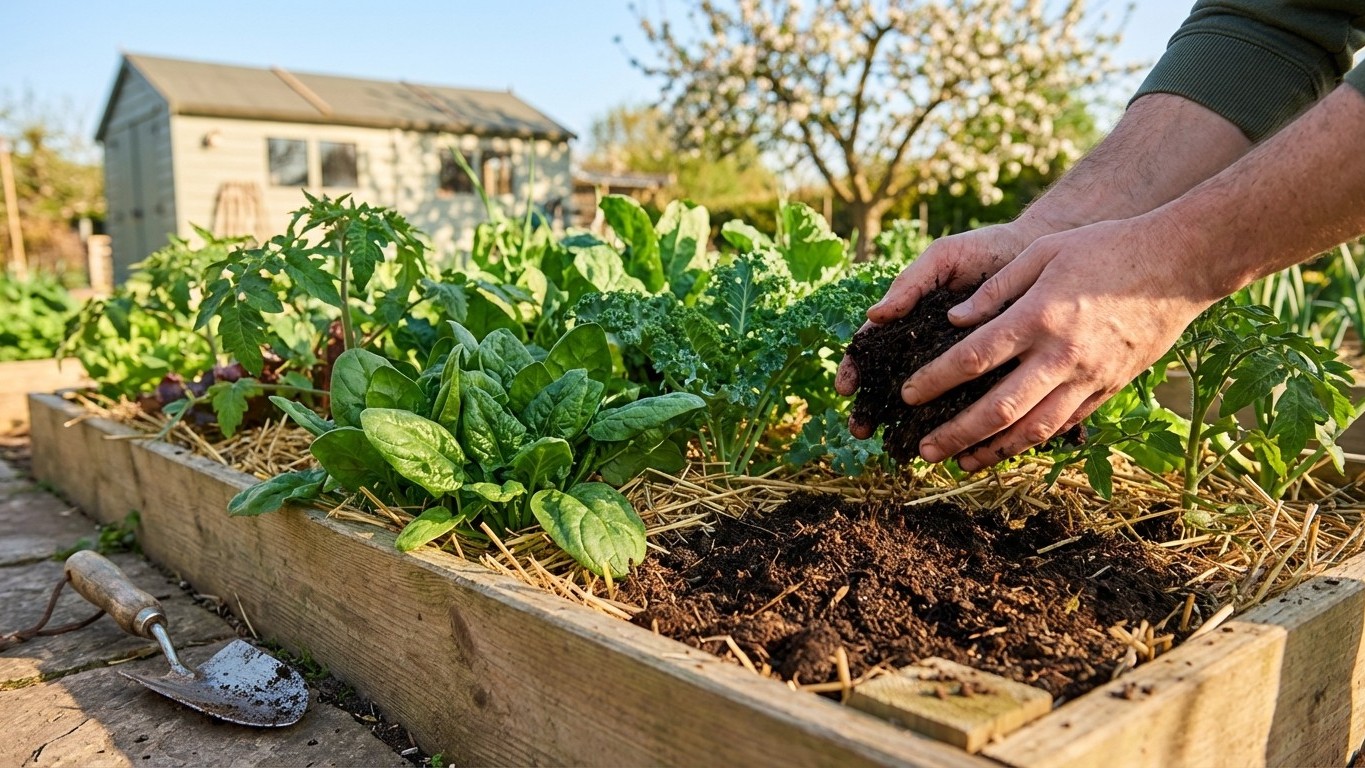
The idea is straightforward: instead of disturbing the soil by digging, you add layers of organic material on top. This approach preserves the natural soil structure and fosters a thriving ecosystem beneath the surface. I began by laying down a thick layer of well-rotted compost over my existing beds, ensuring the soil was covered but undisturbed.
The Science Behind No-Dig Gardening
Traditional tilling disrupts the intricate web of mycorrhizal fungi—beneficial networks that connect plant roots and facilitate nutrient and water exchange. These fungi can extend a plant’s root system significantly, enhancing its ability to access essential nutrients. By avoiding digging, these networks remain intact, leading to healthier and more resilient plants.
Moreover, undisturbed soil maintains its natural structure, improving water infiltration and retention. This means less watering and a reduced risk of erosion. The organic mulch added in no-dig systems acts as a sponge, holding moisture and providing a steady supply of nutrients as it decomposes.
Weed Suppression and Reduced Labor
One of the most immediate benefits I noticed was a significant reduction in weed growth. Digging often brings dormant weed seeds to the surface, where they can germinate. By leaving the soil undisturbed and covering it with mulch, these seeds remain buried and less likely to sprout. The mulch also blocks sunlight, further preventing weed growth.
Additionally, the no-dig method is less labor-intensive. Without the need for digging or tilling, I found myself spending more time planting and enjoying my garden rather than preparing the soil. This approach is particularly beneficial for those with physical limitations or anyone looking to reduce the strenuous aspects of gardening.
Implementing No-Dig in Your Garden
Starting a no-dig garden is simple. Begin by removing any perennial weeds from your plot. Then, lay down a layer of cardboard over the area to suppress any remaining weeds. On top of this, add a thick layer of compost or well-rotted organic matter. You can plant directly into this layer, and over time, earthworms and other soil organisms will incorporate the organic material into the soil below, enriching it naturally.
By adopting the no-dig method, I not only eased my gardening routine but also witnessed a remarkable improvement in my harvest. Healthier plants, fewer weeds, and less labor—it’s a win-win situation. Perhaps it’s time to reconsider the spade and let nature do the digging for you.