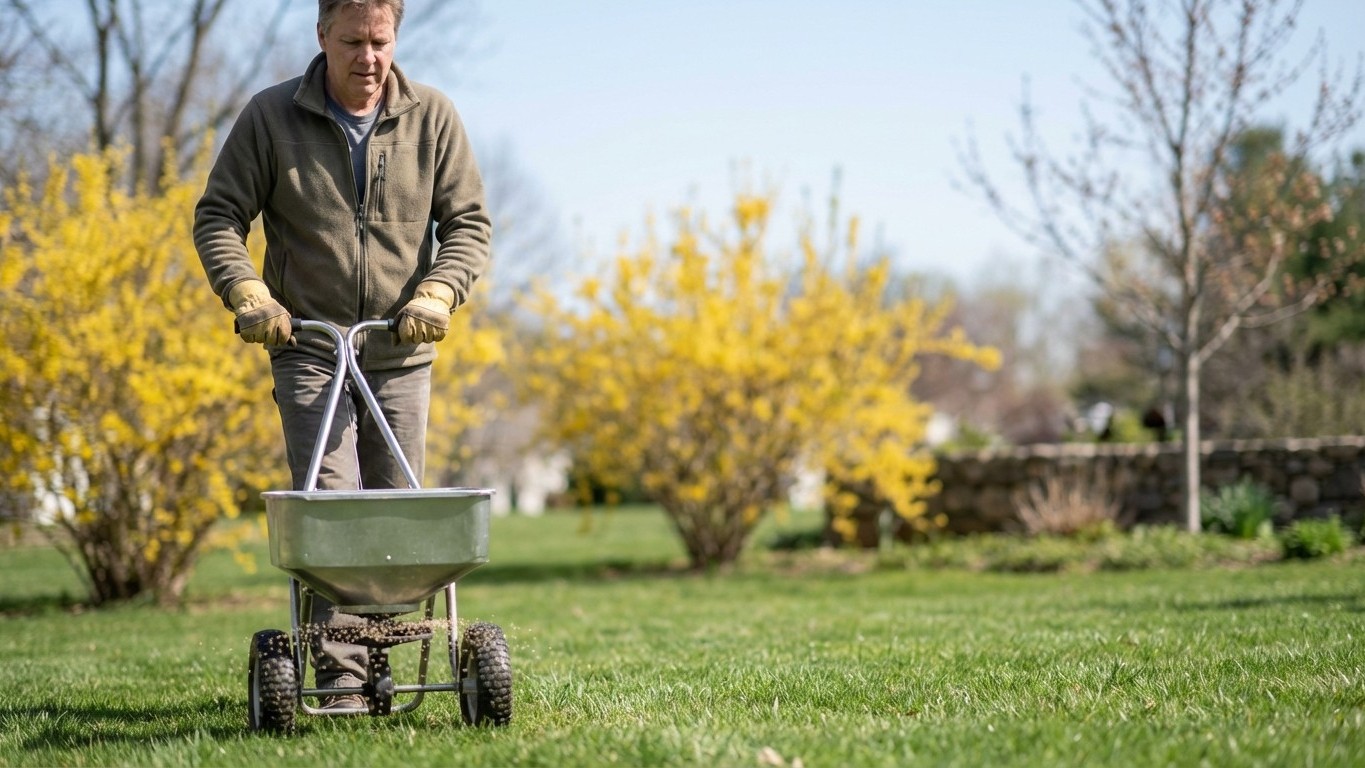
As winter’s grip loosens and the first signs of spring emerge, homeowners eager for a lush, Vibrant lawn in the summer must take decisive action now. Among the myriad of lawn care tasks, one stands out as particularly crucial: applying a pre-emergent herbicide. This proactive step can significantly reduce weed infestations, setting the stage for a healthy, green expanse.
Key takeaways
- Why timing is critical when applying pre-emergent herbicides.
- How this one lawn care step can prevent crabgrass and other weeds.
- The risks to overseeding if you don’t plan your lawn care wisely.
Understanding Pre-Emergent Herbicides
Pre-emergent herbicides are designed to prevent weed seeds from germinating. Unlike post-emergent herbicides, which target visible weeds, pre-emergents create a chemical barrier in the soil that inhibits the growth of new weeds. This method is particularly effective against annual weeds like crabgrass, which can quickly overrun a lawn if left unchecked.
Timing Is Everything
The effectiveness of pre-emergent herbicides hinges on precise timing. For cool-season grasses such as fescue or Kentucky bluegrass, it’s advisable to apply the herbicide in early spring, typically when soil temperatures consistently reach 50 to 55 degrees Fahrenheit. This temperature range often coincides with the blooming of forsythia bushes, serving as a natural indicator. Applying the herbicide too early can result in its degradation before weed seeds begin to germinate, while a delayed application may allow weeds to establish themselves.
Application Best Practices
To maximize the benefits of pre-emergent herbicides, follow these guidelines:
- Even Distribution: Use a broadcast spreader to ensure the herbicide is applied uniformly across the lawn. Uneven application can lead to patchy weed control.
- Watering In: After application, water the lawn lightly to activate the herbicide and help it penetrate the soil.
- Seeding Considerations: If you plan to overseed your lawn in the spring, be cautious. Pre-emergent herbicides can inhibit the germination of grass seeds as well. In such cases, it’s best to delay overseeding until the fall or choose a pre-emergent that allows for seeding.
Complementary Spring Lawn Care Steps
While applying a pre-emergent herbicide is a pivotal move, integrating it with other spring lawn care practices can enhance your lawn’s health:
- Raking and Dethatching: Remove debris and thatch to improve air circulation and nutrient absorption.
- Aeration: If your soil is compacted, aerating can facilitate better water and nutrient penetration.
- Soil Testing: Conduct a soil test to determine pH levels and nutrient needs, allowing for targeted fertilization.
- Proper Mowing: Ensure your mower blades are sharp and set at the appropriate height to avoid stressing the grass.
By taking these proactive steps in early spring, you lay the groundwork for a robust, weed-free lawn that will be the envy of the neighborhood come summer. Remember, the key to a stunning lawn is not just in the care you provide during the growing season but in the strategic actions you take before it begins.