That incessant sound of water running in your toilet isn’t just annoying—it’s literally flushing money down the drain. A running toilet wastes as much as 200 gallons each day, or 6,000 gallons per month, potentially adding about $60 per month or $720 per year to your water bill. Meanwhile, the average repair price ranges between $60 and $200, with most of this price going to labor which ranges between $45 and $135.
But here’s what professional plumbers don’t always tell you: fixing this plumbing issue is often a simple DIY task that most homeowners can manage with basic tools. The secret lies in understanding what’s really happening inside that tank and knowing the one critical fix that solves 90% of running toilet problems.
The Hidden Culprit Behind Most Running Toilets
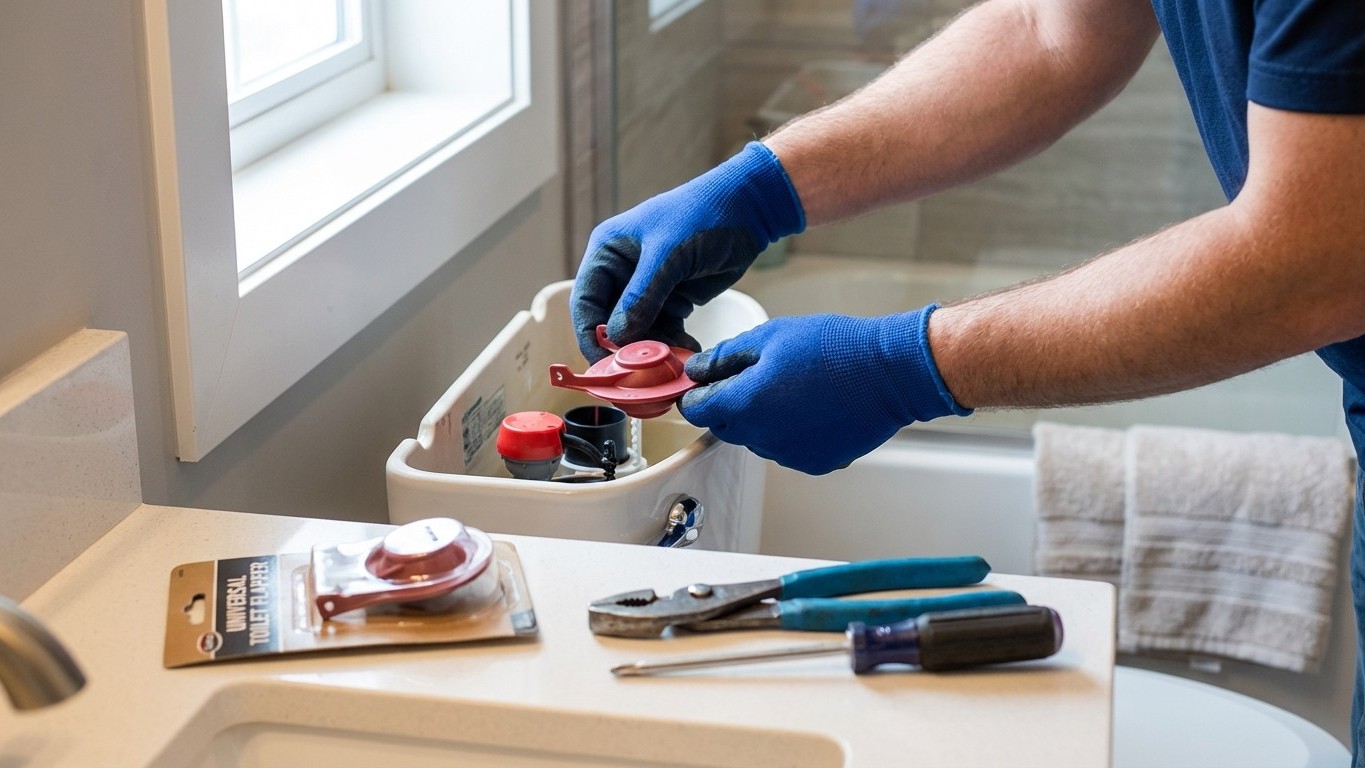
When plumbers arrive at your home, they immediately look for one thing: the flapper. A worn or damaged flapper is one of the most common causes of a running toilet, yet it’s also the simplest component to replace. This rubber seal sits at the bottom of your tank, and when it fails to create a tight seal, water continuously leaks from the tank into the bowl, triggering the fill valve to keep running.
A constantly running toilet is the ultimate water waster, but the repair is surprisingly straightforward. When water is escaping from the toilet tank somewhere or a component inside the toilet is leaking, the toilet will continue to run. Generally, this is caused by a leaking flapper, a defective fill valve, or an incorrectly sized overflow pipe.
The professional secret is this: before replacing any parts, test the flapper seal by simply pressing it down with a stick while the toilet is running. Push down on the flapper with a stick when you hear the toilet water running and listen for it to stop. If the running stops immediately, you’ve identified the problem—and the solution costs less than $15.
The 15-Minute Fix That Saves Hundreds
Once you’ve confirmed the flapper is the culprit, the repair process is remarkably simple. Turn off the water supply to the toilet using the shutoff valve. Flush the toilet to drain the tank. Unhook the chain from the flush lever. Remove the flapper from the flush valve.
Examine the flapper for signs of wear, warping, or mineral buildup. If the flapper shows signs of damage or deterioration, it’s best to replace it. Flappers deteriorate from mineral deposits and chlorine, typically lasting 3-5 years.
Here’s where the savings really add up: Professional replacement costs $80-120, while DIY repair costs $5-15 for the part. Take the old flapper to a hardware store to find an exact match, ensuring compatibility with your specific toilet model.
The installation reverses the removal process: Clean the flush valve seat thoroughly. Install the new flapper and check that it sits properly on the flush valve. Reattach the chain, leaving a small amount of slack. Turn the water supply back on and test the flush.
When the Problem Goes Deeper
If replacing the flapper doesn’t solve the issue, the problem likely lies with the fill valve or float mechanism. It moves up and down with the water level to control when the tank refills. If your float is damaged or set incorrectly, water keeps flowing into the tank endlessly.
Professional plumbers know to check the water level first. Bend or adjust the toilet float arm so the tank stops filling when the water level is 1/2- to one-inch below the top of the overflow pipe. This simple adjustment often resolves the issue without any parts replacement.
For more complex fill valve problems, if the fill valve simply won’t shut off, which means that it’s defective, you’ll have to replace it. Turn the water supply off at the shutoff under the tank. Disconnect the water supply line, unscrew the fill valve locknut and lift out the old fill valve. Insert the new fill valve into the tank according to the instruction sheet.
Fixing these parts is relatively affordable – a new flapper typically costs $20 to $50, while float assemblies run $10 to $30, compared to homeowners spending an average of $250 having a professional fix a toilet, with costs often varying between $45 and $200 per hour.
The Smart Homeowner’s Approach
Understanding when to DIY and when to call professionals can save you significant money. Fixing a slow-filling, running, leaking, noisy or clogged toilet may not require a plumber. There are some basic do-it-yourself (DIY) fixes for many problems.
However, while you can fix many running toilet problems yourself, some issues need a professional plumber. If you’ve tried the tests above but still can’t find the problem, or if your fixes aren’t working, it’s time to call a qualified plumber. This is especially true if you think there might be issues beyond the tank, like a drain line leak.
This simple fix can save 200+ gallons of water daily, and with a minor leak in one toilet costing you $1,000 a year in water charges, the financial incentive for learning this repair is substantial.
The real secret isn’t just knowing how to fix a running toilet—it’s recognizing that most toilet problems have simple solutions that don’t require professional intervention. The good news is that common toilet issues are actually simple fixes. By investing 15 minutes to learn this essential skill, you’re not just fixing a toilet; you’re gaining the confidence to tackle future plumbing challenges and keeping hundreds of dollars in your pocket where they belong.