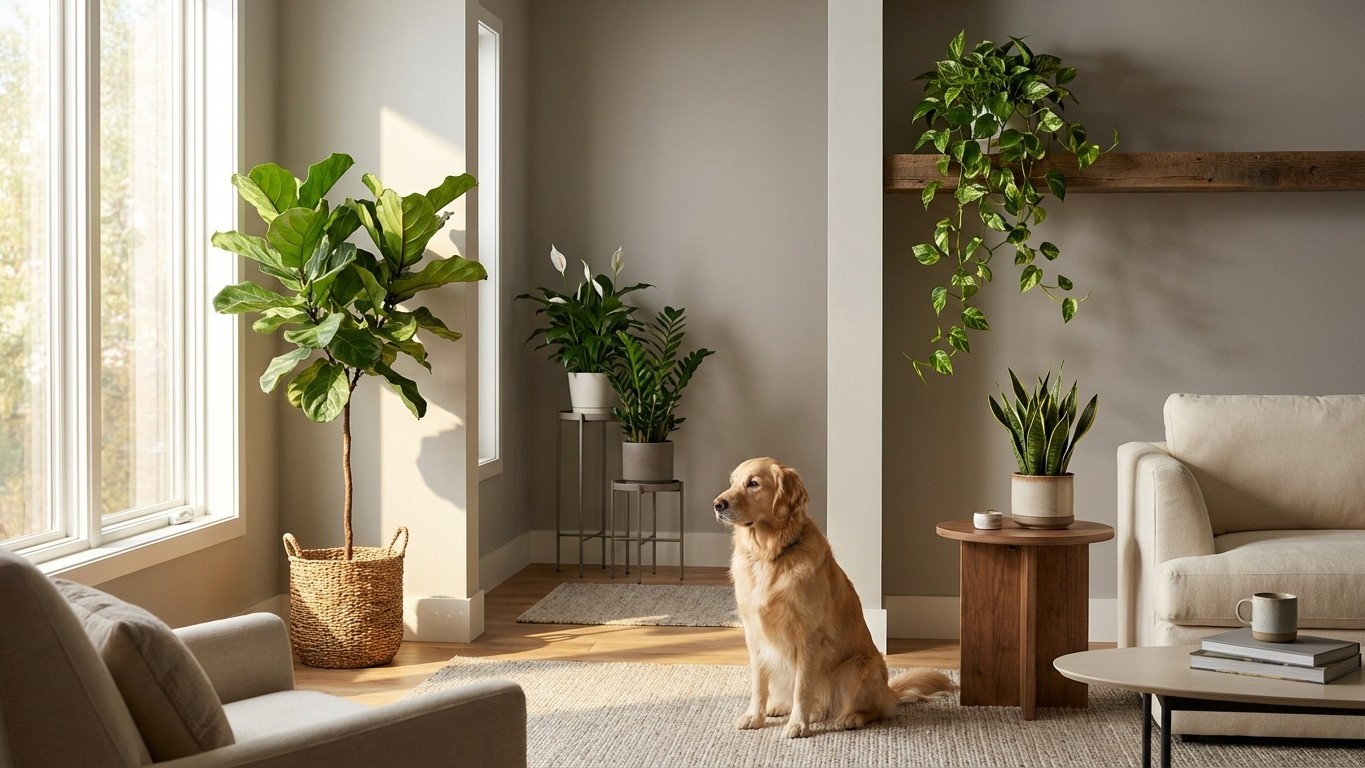
Walk into any thriving indoor garden and you’ll notice one thing immediately: every plant is in exactly the right spot. Not by luck. By design. The single biggest mistake plant owners make isn’t overwatering or underwatering, it’s choosing a variety that was never suited to their actual space. Light levels, square footage, experience, and whether your golden retriever considers every leaf a potential snack: these four factors should drive every purchasing decision you make. For pet owners specifically, choosing pet safe houseplants (non toxic) varieties is essential to protect your furry companions. This guide cuts through the noise and maps out the houseplant varieties worth knowing, organized by exactly those conditions.
For a deeper foundation on care techniques alongside species profiles, the comprehensive guide on indoor plants care varieties houseplants is the natural companion to this selector. Those new to indoor gardening should also explore easy care indoor plants for low-maintenance options that are perfect for building confidence.
Why the Right Variety Selection Changes Everything
Choosing the right houseplant starts with your real-life conditions — not just what looks beautiful online.
This matters more than most people realize. A fiddle leaf fig bought on impulse for a north-facing apartment hallway isn’t a bad plant — it’s simply in the wrong building.
There is a real difference between what a plant will tolerate versus the environment in which it will thrive. While some low light indoor plants can tolerate dimmer conditions, they will only survive for so long without proper supplementation to keep them thriving. For those living in compact spaces, finding the best indoor plants for small apartments is crucial for maximizing greenery without overwhelming the room. For those just starting their indoor gardening journey, exploring the best indoor plants for beginners can help ensure success from day one.
The four selection criteria in this guide (light, space, experience level, pet safety) aren’t arbitrary categories. They represent the four most common sources of houseplant failure in American homes. Cross-reference them honestly, and your success rate jumps dramatically.
Selecting Houseplant Varieties by Light Level
Selecting a plant with light requirements that match the location can be one of the most important factors in the success, or failure, of growing a healthy plant.
Before buying anything, spend a day observing how light moves through the rooms where you want plants. South and west-facing windows deliver the strongest conditions; north-facing rooms sit at the other extreme.
Varieties for Low Light Spaces
North-facing rooms, interior hallways, dim corners — these spaces aren’t plant deserts. They just need the right cast.
Some of the best low-light indoor plants include calathea, cast iron plant, monstera, philodendron, pothos, prayer plant, snake plant, spider plant, and ZZ plant. For homes with heating systems that create particularly dry conditions, consider the best indoor plants for dry air within these low-light varieties.
That’s a solid roster, but some deserve extra attention.
Snake plants (Sansevieria / Dracaena trifasciata) are among the toughest houseplants you can grow, tolerating very low light and infrequent watering, though growth will be slower in dim conditions. Their upright, architectural leaves make them ideal for corners and tight spaces.
The cast iron plant (Aspidistra elatior) goes even further:
it is usually the best pet-friendly houseplant for dark spaces, thriving in low to moderate indirect light, making it ideal for hallways, room corners, and spaces with north-facing windows.
Chinese evergreen (Aglaonema) is another standout.
Unlike many plants that merely tolerate low light, some Aglaonema varieties will actually thrive, producing at least a few new leaves each year. Many varieties bring a bit of joy to a dreary corner and can go as low as just one step away from almost total darkness.
For those wanting low light indoor plants with reliable results, the parlor palm is also worth considering:
it requires little light or water to survive, making it ideal for low-light rooms and forgetful waterers.
Varieties for Indirect or Moderate Light
This is the sweet spot for most apartments and homes.
These are areas where you wouldn’t turn on a light if you were just walking through, but if you were hanging out there for a while, you’d probably have the lights on, even during the day.
Most popular houseplant varieties fall right here.
Peperomias are the unsung heroes of moderate light.
In their native South America, watermelon peperomias grow in jungles in part sun and shade — give them a shaded spot in a room with medium to bright light.
Calatheas perform similarly well:
with bold patterns and vibrant foliage, calatheas make a visual statement and thrive in low to medium light and high humidity.
Philodendrons round out this tier perfectly, they tolerate low to medium indirect light and adapt easily to different rooms, which makes them versatile.
Varieties for Bright or Sunny Conditions
Statement plants like Monstera deliciosa, rubber plants, and select alocasias continue to be popular in U.S. homes, especially in bright spaces where bold foliage can stand out.
If you have a south or west-facing room with several hours of light, you’re holding the winning hand for the most dramatic houseplant varieties available.
The fiddle leaf fig thrives here:
with striking, violin-shaped leaves that are thick and leathery, it prefers bright, indirect light and consistent watering, though it’s sensitive to overwatering and sudden environmental changes.
Succulents and cacti also claim this territory, needing the kind of direct sun most foliage plants actively avoid.
Choosing Varieties by Available Space
Square footage, or the lack of it, is the second major filter. A 400-square-foot studio apartment and a house with 12-foot ceilings call for entirely different plants. Here’s how to think through it.
Compact Varieties for Small Spaces and Apartments
The market for small-footprint houseplants has never been richer. Haworthia is a perfect example:
these compact plants are easy to care for, non-toxic to pets, and perfect for windowsills that get a lot of light.
Prayer plants stay manageably small too, reaching only 6 to 8 inches tall, a prayer plant fits in small indoor spaces like on a wall shelf or end table.
Peperomias, African violets, and small ferns all share this compact profile. For apartment dwellers who want variety Without sacrificing counter space, grouping three or four small plants in a cluster often creates more visual impact than a single large specimen.
Trailing and Hanging Varieties
Hanging plants solve a genuine problem: they add greenery without consuming floor or shelf space.
Tradescantias are attractive in hanging baskets that let their vining stems trail gracefully, varieties come in blue, purple-green, silver, and burgundy, and they like low to bright, indirect light.
The heartleaf philodendron earns its reputation here:
this classic trailing plant is ideal for shelves, hanging baskets, or desktops, tolerating low light and irregular watering while its cascading vines soften interiors and add visual warmth.
Boston ferns bring a different texture:
they have feathery leaves and look great in hanging baskets, liking moist soil and indirect light, making them a good pick for a low-light, high-humidity indoor spot like a bathroom.
Large Varieties for a Jungle Effect
Go big or go home — sometimes that’s genuinely the right call.
Start with large statement plants: Monstera, fiddle leaf fig, bird of paradise, or banana plants should anchor corners or be the focal points. These big plants are going to be the foundation of your jungle.
Famous for its iconic fenestrations as it matures, the Monstera deliciosa boasts deeply lobed, glossy green leaves that can grow impressively large. This plant loves bright, indirect light and consistent moisture, allowing the top inch or two of soil to dry out between waterings.
With extra-large leaves that cannot be ignored, monsteras are great at filling space and can even make an impact in large lofts and studios. They are often grown on poles or stakes, which help guide their leathery foliage vertically, and they can reach up to 10 feet tall as houseplants.
Grouping several big-leaf plants together can create a lush, jungle-like atmosphere to make a truly bold statement when you walk into a room — try clustering them in groups of three in a sparse corner or on plant stands.
Mixing heights is the key:
experiment with different heights to add depth and dimension, mixing taller plants like fiddle leaf figs with shorter ones like calatheas.
Matching Varieties to Your Experience Level
Honest self-assessment matters here. A calathea in the hands of a true beginner is a recipe for frustration. The same plant in the hands of someone who enjoys monitoring humidity levels? A joy. Match the plant to your actual habits, not your aspirations.
Best Houseplant Varieties for Beginners
Pothos is a favorite for beginners, growing well in low light and recovering quickly from missed waterings. Pinching back vines encourages fuller growth, and its trailing habit makes it versatile for many indoor settings.
Spider plants occupy the same forgiving tier:
the spider plant is a real cutie of a houseplant, perfect for beginners. All varieties today are still attractive enough to appeal to seasoned collectors, and they’ll deal with a lot, including poor illumination, nor do they grow to a very large size.
The full rundown on varieties that tolerate beginner mistakes is available in the dedicated guide on best indoor plants for beginners. For those who simply want easy upkeep without sacrificing style, the curated list of easy care indoor plants covers the essential rules alongside variety picks.
Varieties for Enthusiasts and Collectors
Past the beginner phase, the real fun starts. Alocasias offer stunning, often arrow-shaped leaves in dark, metallic hues — but
they like high humidity, bright indirect light, a good amount of warmth, and lightly moist soil.
Calatheas and their relatives (now often classified under Goeppertia) reward careful attention to water quality and humidity with extraordinary leaf patterns that shift throughout the day.
Collectors increasingly seek out rare hoya varieties.
Hoya carnosa, known for its lush, waxy foliage and clusters of fragrant, star-shaped flowers, is a popular houseplant that thrives in bright, indirect light — easy to care for and a stunning addition to indoor spaces, with some varieties featuring lovely variegated leaves.
The collector’s world is a rabbit hole in the best possible way.
Pet-Safe Varieties: Non-Toxic Options for Cat and Dog Owners
Here’s where sentiment collides with hard science. Many of the most popular houseplants, pothos, philodendrons, peace lilies, are toxic to cats and dogs.
Pothos, dumbcane, peace lily, philodendron, calla lily, and Chinese evergreen all contain insoluble calcium oxalates, the stem, leaf stalk, and leaves contain tiny crystals that can result in irritation to the mouth and GI tract when chewed or ingested, with symptoms including nausea, drooling, retching, vomiting, and diarrhea.
Ingestion of Monstera deliciosa can irritate the mouth, tongue, and lips — it contains calcium oxalate crystals that can cause oral pain, drooling, vomiting, and difficulty swallowing.
The ZZ plant, despite its “indestructible” reputation, carries similar risks:
the ZZ plant contains calcium oxalate crystals.
Pet-Safe Houseplant Varieties to Know
The good news:
while some houseplants can harm pets, there’s a wide variety of beautiful, pet-friendly indoor plants that you and your pets can safely enjoy.
The complete resource on pet safe houseplants (non toxic) covers this in depth, but here are the standout choices worth knowing immediately.
- Parlor palm —
elegant and slow-growing, it tolerates low light and irregular watering, perfect for beginners and safe for pets. - Calathea (orbifolia, medallion) —
the calathea network is non-toxic to cats, dogs, and humans. - Spider plant —
spider plants are also excellent air purifiers, super easy to care for, and pet-friendly. - African violet —
non-toxic to both cats and dogs, known for vibrant blooms in shades of purple, pink, and white, adding a pop of color to any space. - Boston fern —
all true ferns are pet-safe plants, so button ferns, bird’s nest ferns, or Kimberly Queen ferns are good indoor plants for a house with dogs and cats. - Phalaenopsis orchid —
with stunning colorful or white blooms that last for long periods of time, Phalaenopsis orchids are a non-toxic houseplant you can enjoy without risking your pets’ health. - Money tree (Pachira aquatica) —
cats, dogs, and children aren’t at risk from a money tree, making it a top choice for placement on a low table or windowsill.
The ASPCA’s Toxic and Non-Toxic Plants list is a reliable, vet-backed resource that catalogs hundreds of common houseplants along with their known effects on cats and dogs.
Always cross-check before bringing a new variety home, even beautiful, seemingly innocuous plants can carry risks.
Quick Reference: Varieties by Key Conditions
| Plant | Light | Size | Level | Pet-safe? |
|---|---|---|---|---|
| Snake plant | Low–medium | Medium–large | Beginner | ⚠️ Mildly toxic |
| Pothos | Low–medium | Trailing | Beginner | ❌ Toxic |
| Spider plant | Low–bright indirect | Small–medium | Beginner | ✅ Safe |
| Parlor palm | Low–medium | Medium | Beginner | ✅ Safe |
| Monstera deliciosa | Bright indirect | Large | Intermediate | ❌ Toxic |
| Calathea orbifolia | Low–medium | Medium | Intermediate | ✅ Safe |
| Fiddle leaf fig | Bright indirect | Large | Intermediate | ⚠️ Mildly toxic |
| Peperomia | Medium | Compact | Beginner | ✅ Safe |
| Cast iron plant | Low | Medium | Beginner | ✅ Safe |
| Alocasia | Bright indirect | Large | Collector | ❌ Toxic |
| Boston fern | Low–indirect | Medium (trailing) | Beginner | ✅ Safe |
| Hoya carnosa | Bright indirect | Trailing/climbing | Intermediate | ✅ Safe |
Building a Harmonious, Lasting Collection
Choosing individual varieties is one thing. Making them coexist well is another skill entirely. The most satisfying indoor gardens share a few traits: they layer heights intentionally, they mix textures rather than repeating the same leaf shape, and they share care requirements within each zone of the home.
Practical tip:
give indoor plants a 90-degree turn about once a month so all sides receive light, helping promote balanced, even growth. In very dark rooms, consider buying two of the same plant and switching them every two to four weeks, keep one in brighter, ideal conditions while the other decorates the darker space, then swap them before stress appears.
A plant in lower light will usually need less water than the same plant in brighter light.
Sounds obvious until you’re watering a shelf of six different plants on auto-pilot. Group plants by their watering schedule, not just their aesthetic. Your Sunday morning plant check becomes far simpler when everything in one corner needs water at the same time.
For households with pets,
the key is choosing non-toxic varieties and placing them strategically — using hanging baskets, tall shelves, or closed terrariums to keep greenery safely out of reach.
A beautifully styled plant out of reach is safer than a technically safe plant at paw level being systematically destroyed.
FAQ: Common Questions About Houseplant Variety Selection
What are the best varieties for a very dark room? The cast iron plant, ZZ plant, and Chinese evergreen (Aglaonema) are your most reliable options. The parlor palm can also work. That said, even these plants perform better with some ambient light, a grow light a few hours per day makes a genuine difference.
Which varieties are safe if I have both a cat and a dog? Calatheas, spider plants, parlor palms, Boston ferns, African violets, peperomias, haworthias, and Phalaenopsis orchids are all confirmed safe by ASPCA. Always verify using the ASPCA’s Toxic and Non-Toxic Plants database before buying anything new.
Can beginner-friendly plants also be pet-safe? Yes, and more often than people realize. The spider plant, parlor palm, peperomia, and African violet hit both marks. If you’re starting out and have pets at home, build your collection around these first.
How do I associate multiple plants in the same room without making it look chaotic? Limit your palette to two or three leaf colors and vary textures rather than repeating similar shapes. Pair an upright structural plant (like a snake plant or dracaena) with a trailing variety and one bold specimen. Three distinct layers, tall, medium, low/trailing, creates the layered effect that reads as intentional rather than accidental.
Is there a single summary table for light, water, and size needs? The table above covers the most common varieties. For a more exhaustive breakdown including watering frequency and humidity needs, the resource on indoor plants care varieties houseplants provides the full picture in one place.
Next Steps and Further Reading
The four filters in this guide, light, space, experience, pet safety, won’t just help you pick one plant. They become a lasting framework for every addition to your collection. Revisit your conditions honestly before each purchase, and the impulse-buy failures that clutter too many windowsills become a thing of the past.
For the full picture on individual species and their care calendars, explore the complete indoor plants care varieties houseplants guide. If you’re just starting out, the curated shortlist of best indoor plants for beginners eliminates the guesswork entirely. Pet owners will find the complete safety database in the dedicated resource on pet safe houseplants (non toxic). And for those dealing with genuinely challenging light conditions, the detailed species list in low light indoor plants goes far beyond the usual suspects.
The question every experienced plant person eventually faces isn’t which variety to buy next, it’s which corner of the home you haven’t filled yet. Once your selection criteria become second nature, that’s a surprisingly satisfying problem to have.