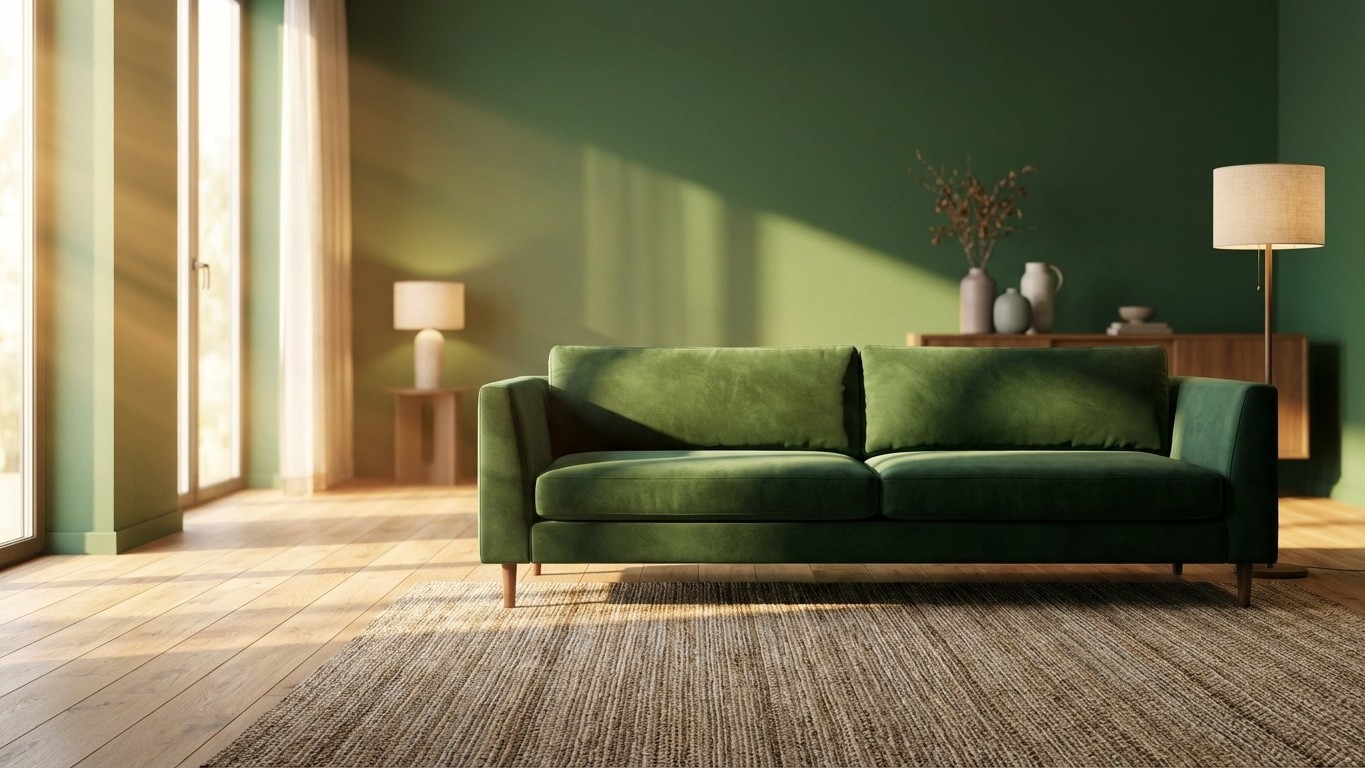
Picture this: a sun-drenched living room in Brooklyn, once a pristine canvas of white walls and beige upholstery. Fast-forward to 2026, and the softness of cream and the sterility of white have given way to something bolder, richer, unafraid. Forest green, that’s the color seeping into the most stylish homes, quietly ousting the old neutrals from their long-held thrones.
Key takeaways
- Why white and beige are losing their charm in interior design.
- The surprising psychological benefits of deep green hues indoors.
- How forest green is reshaping homes from accents to full walls.
From Blank Slate to Grounded Sanctuary
White and beige, for decades, played a background role in American interiors. Minimalism loved them. Scandinavian-inspired decor idolized them. And for a while, their blank-slate quality matched a certain collective craving, maybe for order, maybe for calm. But what happens when calm starts feeling cold? When order begins to feel sterile?
Enter the return of green, but not just any green. Forest, olive, laurel, deep hues that evoke ancient woods and moss-covered stones. These greens feel rooted, serene, and, somehow, inviting. As eco-anxiety, urban burnout, and screen fatigue filter into Everyday life, the need for our homes to offer comfort, not just tidiness, has spiked.
Paint sales tell a story as clearly as census data. In 2025, one leading paint brand reported a 36% jump in demand for its top forest green shade, matching the population of Oregon ordering a single color. The telltale sign isn’t just in the numbers: Forest greens are showing up in Instagram home tours, high-end kitchen cabinets, and the lobbies of boutique hotels from Austin to Seattle. Design magazines dubbed the trend “biophilic chic,” but the truth runs deeper. Green, the color of renewal and growth, feels like a reset from the antiseptic whites of the early 2020s.
Where Green Works Its Magic
Some see green as daring, a risky move, even a passing fad. But walk into a room bathed in olive or laurel and the effect is striking. It’s not just about color preference; it’s about how the human eye and mind respond. Studies link deep green interiors to lowered stress, improved concentration, even deeper rest. There’s a reason so many spas, yoga studios, and meditation dens have shifted toward emerald walls and leafy accents.
Think back to the pandemic, when apartments turned into eco-cocoons. People with houseplants, snake, rubber, monstera, reported feeling less isolated. That peace now radiates outward, as lush greens migrate from pots to plaster. The difference? A single plant soothes; a green wall envelops. Noticing the effect, designers now recommend green for more than statement walls. Kitchen cabinetry, plush velvet sofas, even bedroom ceilings are getting the treatment. The verdict from homeowners? Warmth, depth, and a curious sense of quiet confidence.
Of course, green risks heaviness if used without care. A friend once painted her bathroom a dramatic pine, only to complain the space felt “like bathing in a forest during a thunderstorm.” Balance is key, pairing deep tones with natural woods, metallic accents, or, yes, lighter trims. The impact? Instead of receding, the space feels grounded yet current.
The Green Advantage: More than Trend
Fast fashion, fast furniture, even fast color cycles : Americans know the churn all too well. What sets this green revival apart is its staying power. Unlike the sage or mint pop-ups of the late 2010s (remember millennial mint kitchens that aged as quickly as TikTok memes), these deep greens are classic. Parisian apartments, Victorian parlors, 1950s libraries—across centuries, green has aged gracefully where white and beige can yellow or feel tired.
That’s not marketing spin. Sustainability concerns play a role, too. With earthy hues in vogue, upcycling pre-loved furniture makes more sense. An old chestnut dresser gets new life with deep olive paint; vintage armchairs in laurel velvet practically sell themselves on resale platforms. Longevity never looked so stylish, or so green, for that matter.
2025’s showrooms leaned into this logic. Everything from tile patterns to curtain fabrics now arrives in gradients from moss to bottle green. Hardware stores nationwide expanded their green palettes, while home influencers documented their room makeovers with before-and-after reels: sterile white turns dramatic, beige becomes expressive, all with a few gallons of transformative paint.
How to Harness Green at Home
Nobody is suggesting you tear out your white kitchen in a weekend fit of envy. Style has little to do with total renovation and much to do with intention. Want to embrace the new green without regret? Try layering. Start with art or scatter cushions in deep green. Next, play with accent walls, perhaps in an underused dining nook. Even a set of painted wood chairs delivers a punch; think bistro, not boardroom.
Some designers swear by painting interior doors or bookcases a rich forest shade, keeping the rest neutral. The result isn’t loud, just quietly tailored, like pairing a tailored suit with an unexpected tie. And, if you must cling to beige or white, an olive green rug will bridge yesterday’s neutrals with tomorrow’s warmth.
One tip: invest in good lighting. Deep hues crave sunshine by day, warm ambient lamps by night. LED bulbs with a touch of warmth soften green’s moody vibe, making even the smallest apartment feel hushed and cocooned after hours. Does green fit every climate, every style? Not quite. In homes heavy on northern light, green can skew cool, but that’s part of its intrigue, each space looks a little different, depending on the hour, the weather, the season.
Paint retailers forecast this trend persisting well beyond the usual cycle. If you’re still on the fence, consider this: painters, both professional and amateur, say green marks a turning point, a way to personalize without polarizing, to ground our spaces as the world outside grows more unpredictable.
Maybe the bigger shift isn’t about color at all, but what it represents. Green suggests a retreat from the clinical, a move toward homes that nurture, not just impress. Will the reign of green last a decade, or spark the next color rebellion? Impossible to predict. But for now, in stylish homes coast to coast, the forests are moving in, and somehow, it just feels right.