
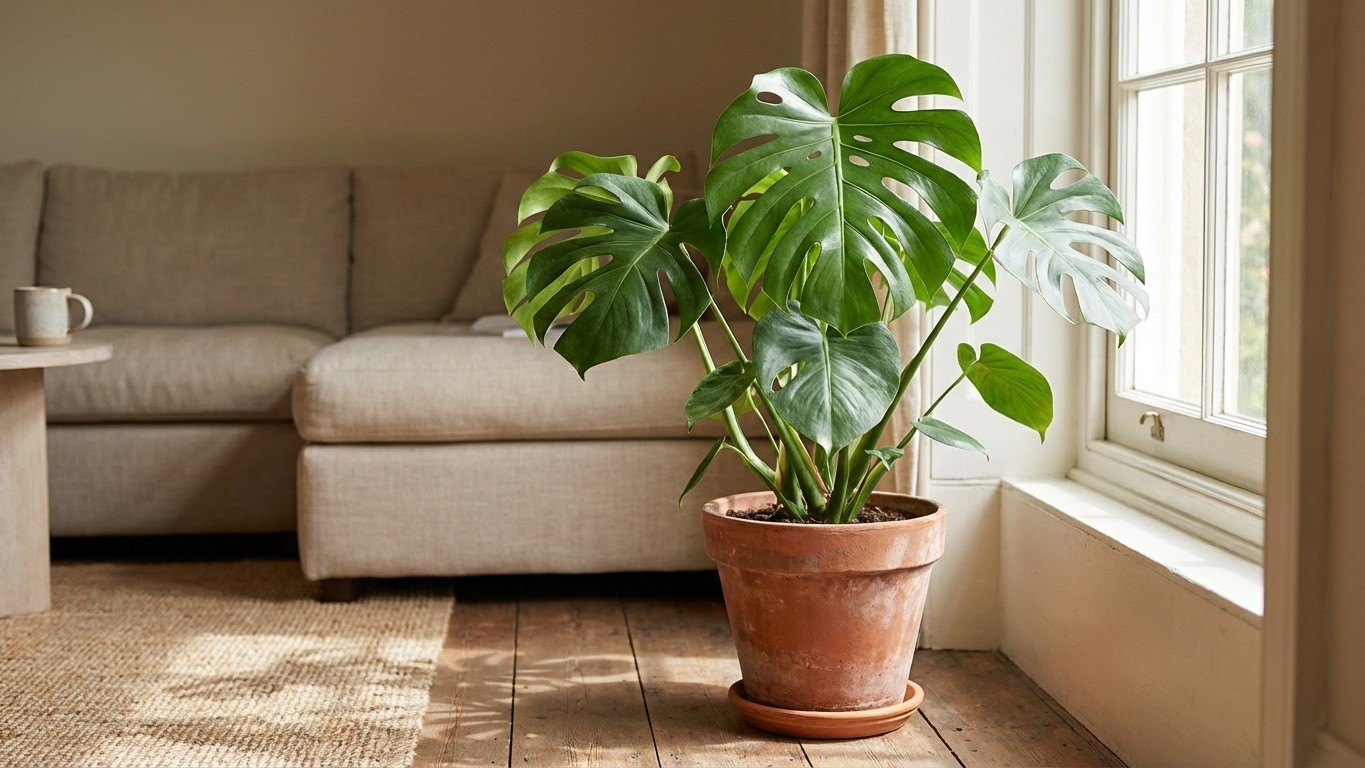
Picture it: a sunlit window in 1974, a terracotta pot crowded with split, glossy leaves casting dramatic shadows across a shag carpet. Your grandmother knew what she was doing. The Monstera deliciosa, the spider plant, the rubber tree, these weren’t decorating accidents. They were instincts. And right now, in 2026, every forward-thinking interior designer is quietly racing to put those exact same plants back into their mood boards.
The timing is no accident either. Modern interior design is experiencing a significant shift toward nostalgic aesthetics that celebrate comfort and history, with this movement incorporating elements once associated with older generations to create a lived-in, cozy atmosphere. Plants are at the very center of this shift, and not just any plants. The specific varieties your grandmother kept alive through benign neglect and a weekly watering from a plastic pitcher.
Key takeaways
- The exact houseplants thriving in your grandmother’s living room in 1974 are now a major 2026 interior design trend among top designers
- These comeback plants aren’t chosen for sentimental reasons—they’re resilient, architectural, and perfectly aligned with the shift away from cold minimalism
- 2026 has been officially declared the ‘Year of the Ficus’ by industry experts, with Monsteras and spider plants dominating plant parent collections
The Plants That Never Actually Left
Houseplants aren’t new, but the return to 1970s jungle-level indoor gardening definitely qualifies as a comeback. Homes are once again filled with massive monstera leaves, trailing pothos, and fiddle leaf figs reaching for the ceiling. The difference now is intentionality. What was once a casual fixture in every American living room has become a deliberate design statement, proof that good taste is often just rediscovered old taste.
The Monstera deliciosa might be the poster child of this revival. Known for its large, unique split leaves, this exotic plant became a must-have during the era. It never truly disappeared, of course. It just waited patiently in grandma’s corner until the rest of us caught up. With almost 50 species, the Monstera genus is one of the most popular houseplants. Fast and easy-to-grow, they typically get between one and two feet taller each of their first three years until they reach full size. Some, like the Monstera deliciosa, can get as tall as 15 feet and 8 feet wide. With big, glossy, and interestingly shaped leaves, houseplant enthusiasts and interior designers alike enjoy using them for their dramatic impressiveness.
Then there’s the rubber plant. The Ficus elastica, commonly known as the rubber plant, was a popular Houseplant in the 1970s and is making a Comeback in modern homes. This classic houseplant is prized for its large, glossy leaves and easy-to-care-for nature. In fact, the Ficus genus is having a major moment in 2026, with industry experts and plant trend forecasters having officially named the year the “Year of the Ficus,” with a resurgence in popularity across multiple species, from classic fiddle leaf figs to rubber plants and weeping figs.
The spider plant (Chlorophytum comosum) deserves its own paragraph, because the comeback story here is almost poetic. If your grandmother worked in an office between 1960 and 1985, her colleague was chlorophytum comosum. Back then, the spider plant was as much a must-have as the typewriter or Bic pen. Today it’s back on floating shelves in Brooklyn apartments and San Francisco studios. A spider plant is widely considered pet-friendly, a detail that matters enormously for today’s millennial plant parents with cats and dogs underfoot.
Why Designers Are Obsessed (And It’s Not Just Nostalgia)
The grandma plant revival isn’t purely sentimental. There’s a hard design logic behind it. Horticultural expert Monique Kemperman notes that unkillable houseplants that feature elegance are going to be a significant trend in 2026, with “a rising generation of urban professionals demanding stylish, fuss-free plants and flowers.” The plants that survived your grandmother’s house through decades of irregular watering and no grow lights are, by definition, the most resilient ones on the market.
After several years shaped by neutral tones and minimalism, the current design moment embraces boldness, color, luxury, and personal expression, a shift that remains deeply connected to nature, with flowers and decorative plants becoming central elements in interiors. Grandmother’s plants, big-leafed, architectural, unapologetically present, fit this new directive perfectly. They don’t whisper from a shelf. They command a room.
The plant parent lifestyle has spawned its own aesthetic, complete with macramé hangers, ceramic pots, and dedicated plant corners. Some enthusiasts are even bringing back retro plant stands and glass terrariums for maximum nostalgia. The containers matter as much as the plants themselves. A rubber tree in a warm terracotta pot reads completely differently than the same plant in a contemporary white planter, and designers know it. There’s an influx of floating shelves, custom-built plant walls, and rare plants used as design accents, with plant influencers styling their collections with vintage pots, reclaimed wood stands, and even color-matched art.
The concept of plants as collectibles has also helped fuel this trend. According to the Garden Media Group, “Collecting is making a comeback, especially with Gen Z and Millennials. They’re reclaiming individuality through collecting, a quiet rebellion against disposable culture.” Houseplants fit the bill nicely, as living things that can last for years and years with the right care. A Monstera passed down from a grandmother isn’t just a plant. It’s an heirloom.
How to Actually Keep These Plants Alive
The good news: grandmother’s favorites earned their reputation for a reason. Most of them are genuinely hard to kill. The Monstera, for instance, is more forgiving than its dramatic appearance suggests. Monsteras prefer medium indirect sunlight but can adapt to a range of lighting situations, even making the list of best low-light indoor plants, just avoid direct sunlight, because it can burn the leaves. On the watering front, Monsteras typically only need watering every one to two weeks during their growing season in spring and summer. Because they are rainforest plants, monsteras are accustomed to dry spells between heavy rains, so don’t worry if the soil fully dries out between waterings.
The rubber plant follows similar logic. A rubber plant (Ficus elastica) has leathery leaves and holds its form in bright light or bright indirect light, provided the soil drains well. Rubber plants prefer a regular watering schedule, allow the top inch of soil to dry out before watering thoroughly, ensuring excess water drains away. Overwatering can cause yellowing leaves and root rot.
One modern upgrade worth adopting: rather than forcing houseplants to grow where they won’t thrive, the shift now is toward more thoughtful placements and adopting grow lights for houseplants where light levels lack. It’s a small investment that makes the difference between a plant that merely survives and one that actually thrives. Grandmother probably relied on instinct honed over decades. You can cheat with a $30 LED panel and a moisture meter, and get the same results faster.
The Deeper Shift This Trend Reveals
While trends come and go, grandma decor is making a comeback for 2026, and designers note that it has such a collected and effortless feel. That word, effortless, is doing a lot of work. We’ve spent years curating minimalist spaces that looked good in photos but felt cold to live in. Characterized by classic prints, patinated materials, and home décor finds that some might label as “dated,” the grandma chic aesthetic redefines heritage décor as timeless and tasteful rather than old-fashioned.
Plants are the most honest expression of this philosophy. They grow on their own schedule. They don’t care about trends. A Monstera that’s been in the family for thirty years tells a story no newly purchased statement piece ever could. As we move further into 2026, houseplant trends continue to be guided by practicality, availability, and personal connection. Personal connection. That’s the thing your grandmother understood before “biophilic design” was even a phrase anyone used in a mood board meeting.
The real question isn’t whether grandma’s plants are back. They clearly are. The question worth sitting with: what does it say about us that we had to wait for Designers to give us permission to love them again?