I tipped my used coffee grounds onto my houseplants to feed them: when I scratched the crusted layer a month later, I understood what was really breeding underneath

I tipped my used coffee grounds onto my houseplants to feed them: when I scratched the crusted layer a month later, I unde...

That white crust on your potted plants isn’t fertilizer—it’s a breeding ground for mold and fungus gnats. When you scratch through a month-old layer of coffee grounds, you’ll find trichoderma, cobweb mold, and worse: the perfect conditions for pest infestations. Learn which colors signal danger and how to safely feed your houseplants with coffee grounds instead.

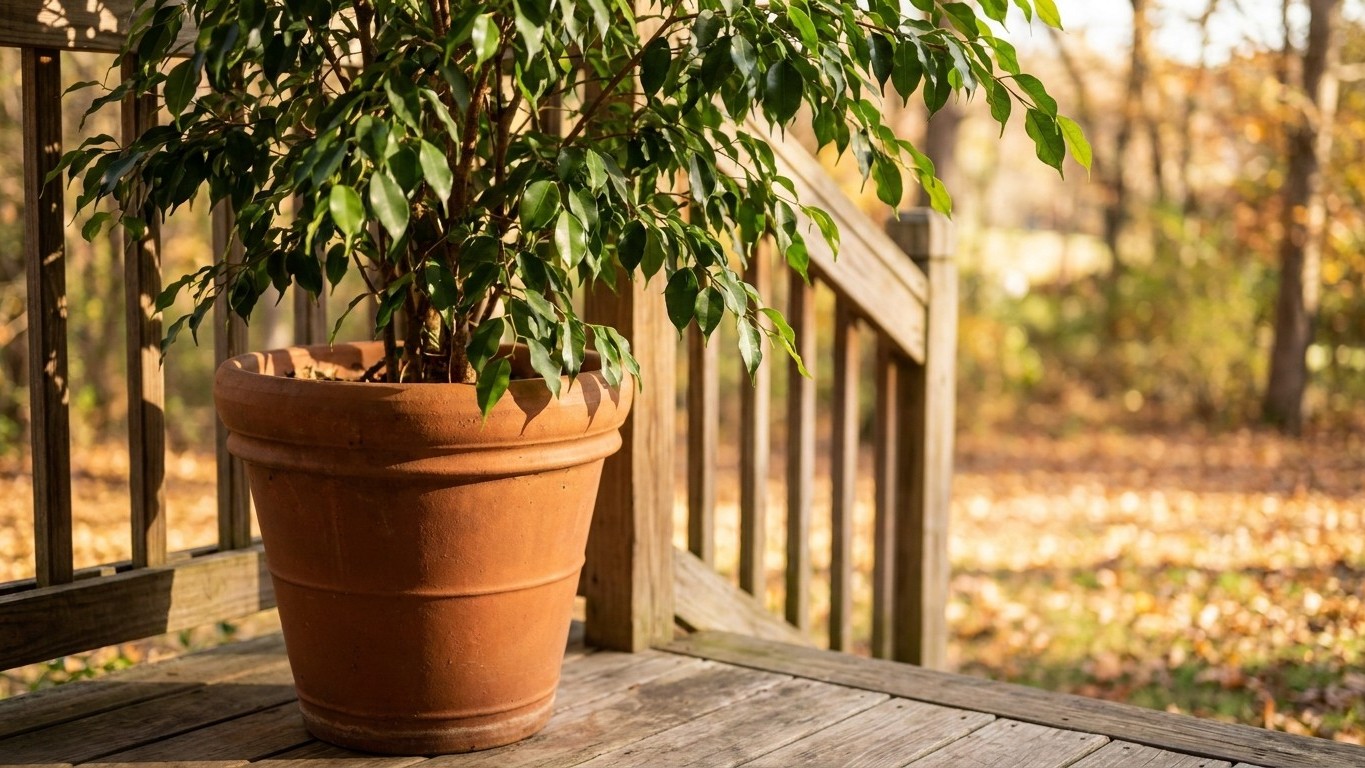
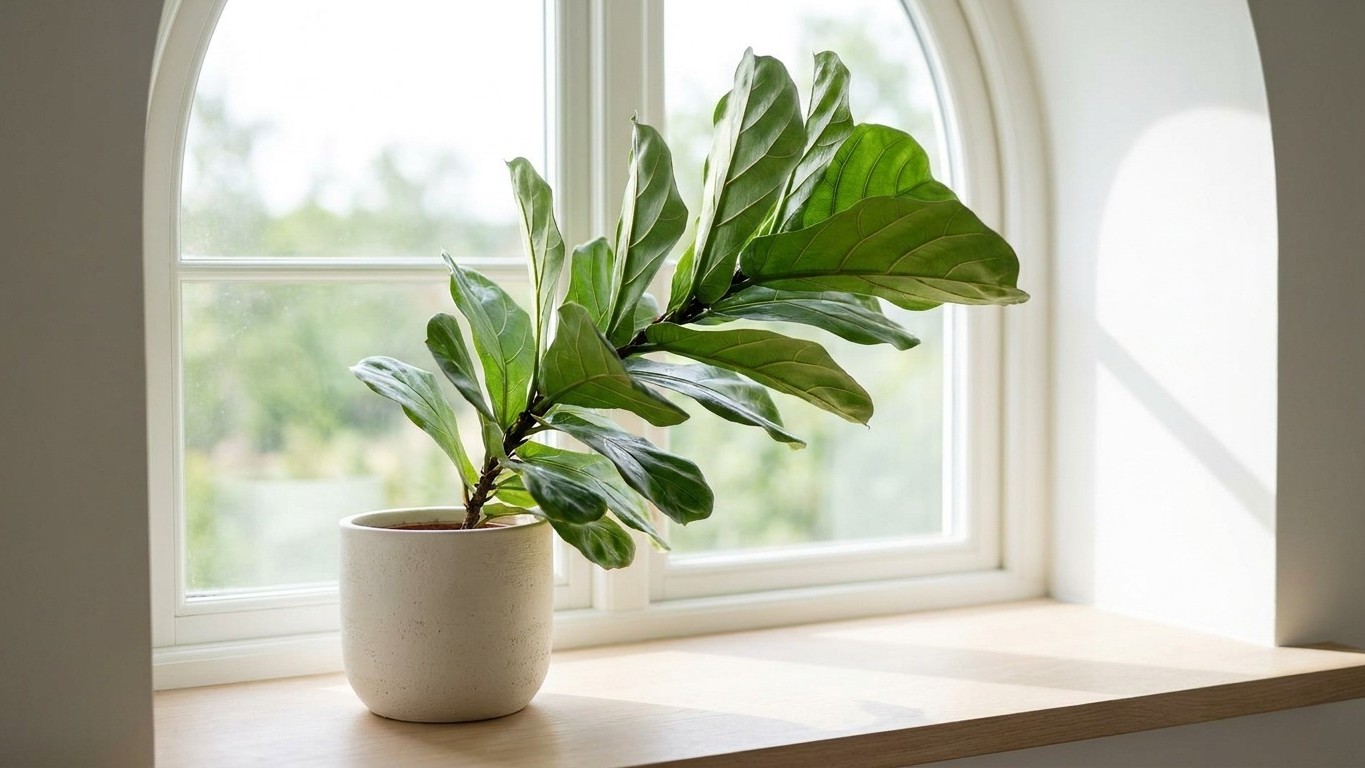
I moved my ficus onto the terrace in July to give it some sun: when I saw what had happened to its leaves within hours, it was too late

I moved my ficus onto the terrace in July to give it some sun: when I saw what had happened to its leaves within hours, it...

A ficus moved from shade to a summer terrace can suffer permanent leaf damage within hours—not days. The outdoor sun is 10 to 100 times more intense than indoor light, and unprepared plant cells literally cook under the UV exposure. Here’s the science behind the scorch and exactly how to prevent it next time.

I kept my rosemary pot on the kitchen windowsill just for fresh sprigs: within weeks, a white film appeared and I understood what the glass was trapping

I kept my rosemary pot on the kitchen windowsill just for fresh sprigs: within weeks, a white film appeared and I understo...

That white coating on your rosemary isn’t dust—it’s powdery mildew thriving in the exact microclimate your kitchen window creates. The glass pane itself is the culprit, trapping humidity and blocking airflow while amplifying temperature swings. Learn why and how to reclaim your windowsill herb garden.

I left my houseplants for two weeks in a 28°C heatwave with just a cotton wick in a jar of water: when I came home, I understood why gardeners swear by this trick

I left my houseplants for two weeks in a 28°C heatwave with just a cotton wick in a jar of water: when I came home, I unde...

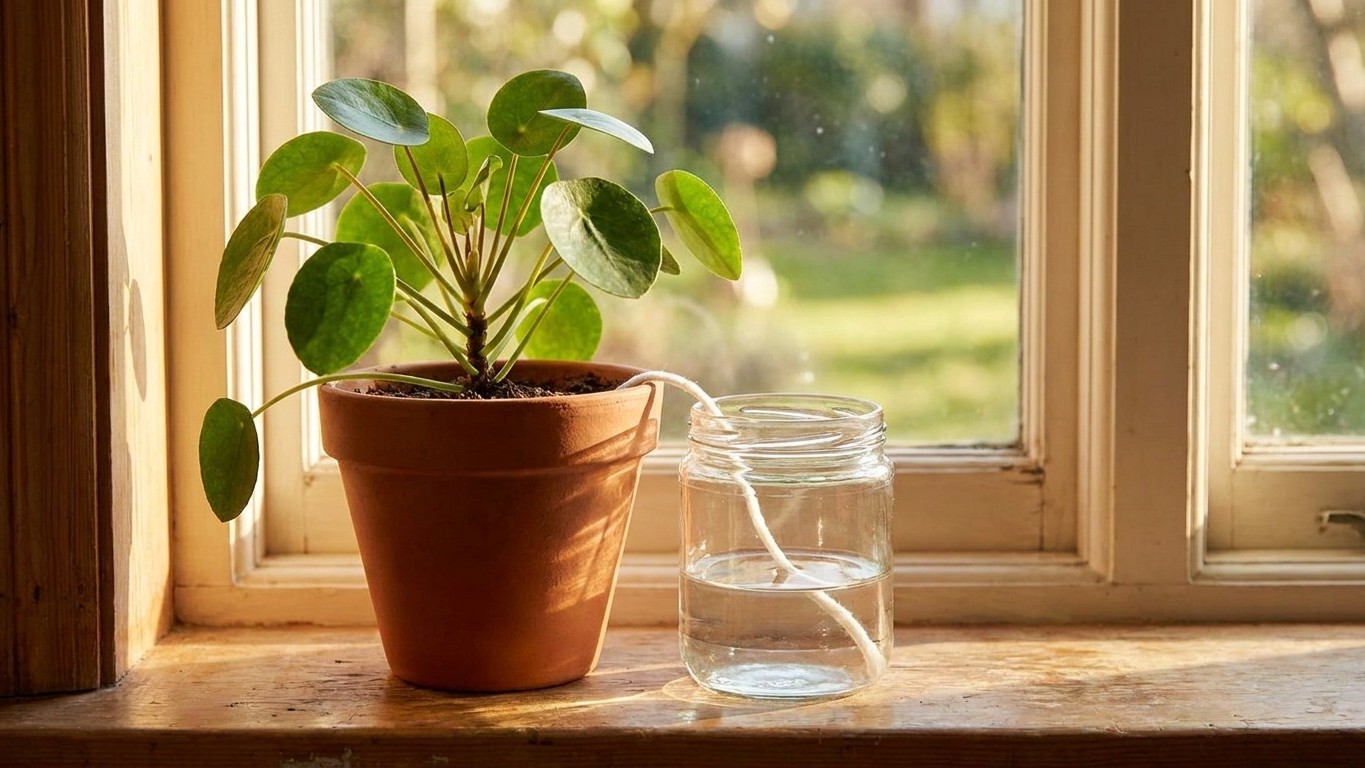
A two-week heatwave and a single cotton string proved that capillary action is an underrated plant-saving hack. This century-old trick kept a shelf of houseplants perfectly hydrated without timers or neighbors, and it works so well that some gardeners never stopped using it.

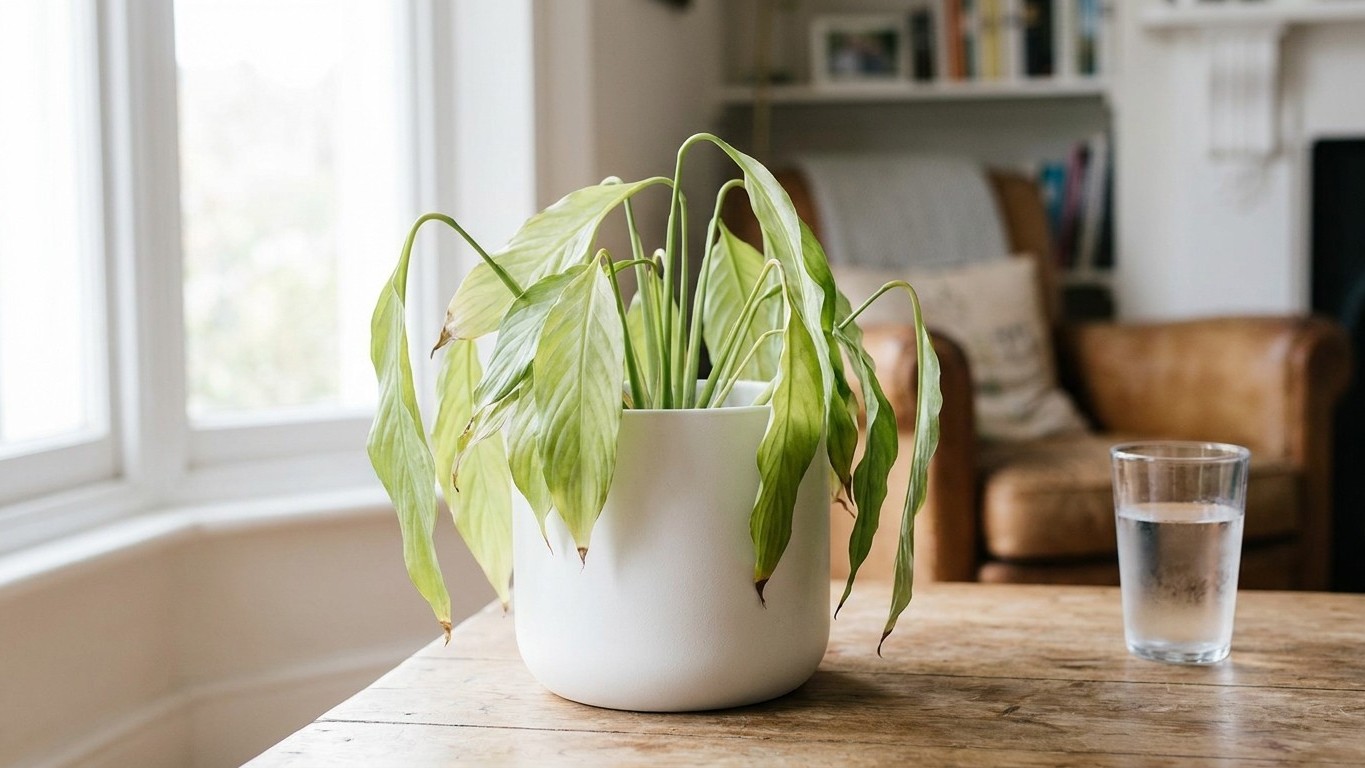
“I thought it was just a fungus”: why brown spots on your houseplants near a sunny window are a warning sign gardeners want you to know

'I thought it was just a fungus': why brown spots on your houseplants near a sunny window are a warning sign gardeners wan...

Those crispy brown patches on your indoor plants? Probably not fungus. Discover why window glass acts like a magnifying lens, turning harmless sunlight into a plant-scorching hazard, and how to tell real disease from simple sun damage.

I Killed My Houseplants With Fertilizer During a Heatwave—Here’s Why and How to Save Yours

I Killed My Houseplants With Fertilizer During a Heatwave—Here's Why and How to Save Yours

During a brutal heatwave, I fed my houseplants extra fertilizer thinking it would help them survive—only to discover I was chemically burning their roots. The problem isn’t hunger; it’s that heat changes how plants process nutrients entirely.

I Sealed My Plants in Plastic for Vacation and Killed Them: Here’s What Went Wrong

I Sealed My Plants in Plastic for Vacation and Killed Them: Here's What Went Wrong

The internet’s favorite plant hack—sealing houseplants in plastic bags before vacation—sounds foolproof until you come home to a compost bin. What looks like a self-watering greenhouse is actually a heat trap that accelerates fungal growth and root rot in days. Here’s the science of why it fails and what really keeps plants alive while you’re away.

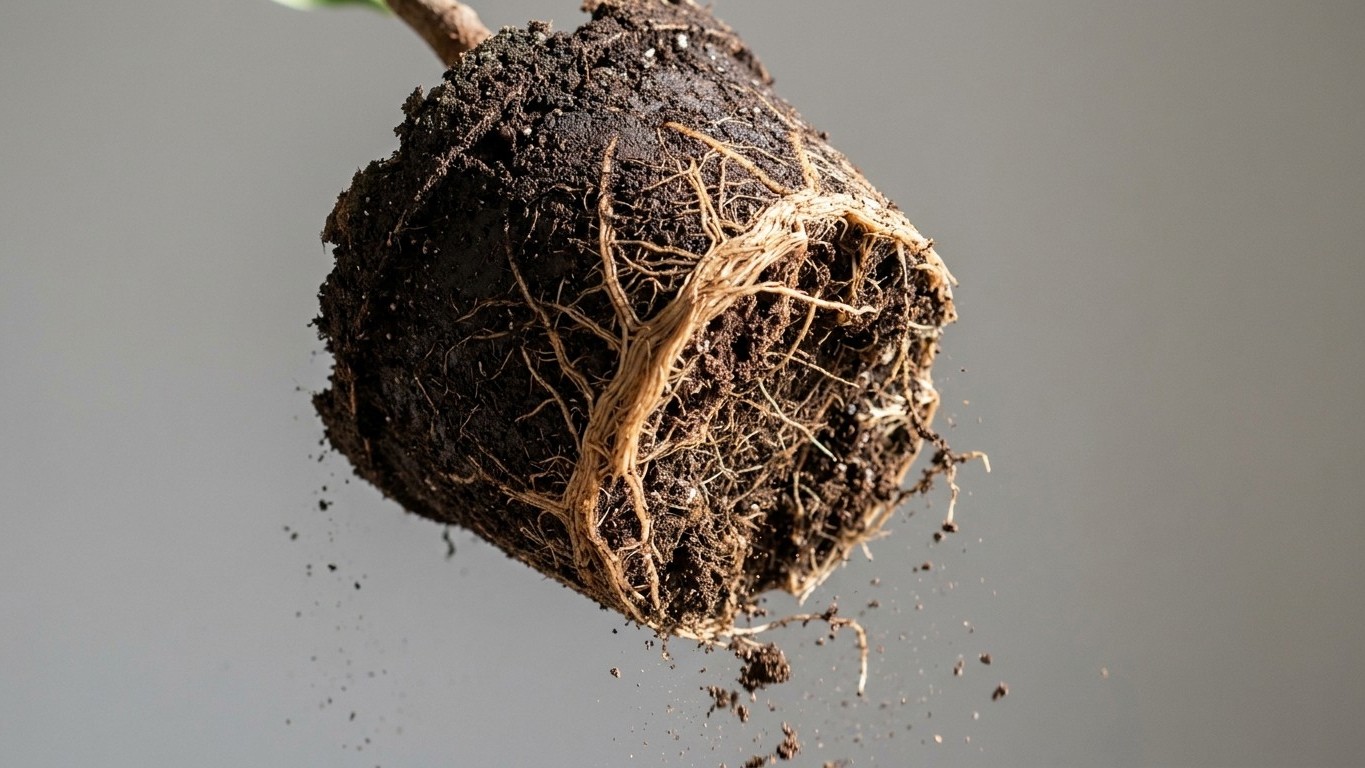
Why Your Houseplants Are Dying: The Invisible Pest Breeding in Your Soil

Why Your Houseplants Are Dying: The Invisible Pest Breeding in Your Soil

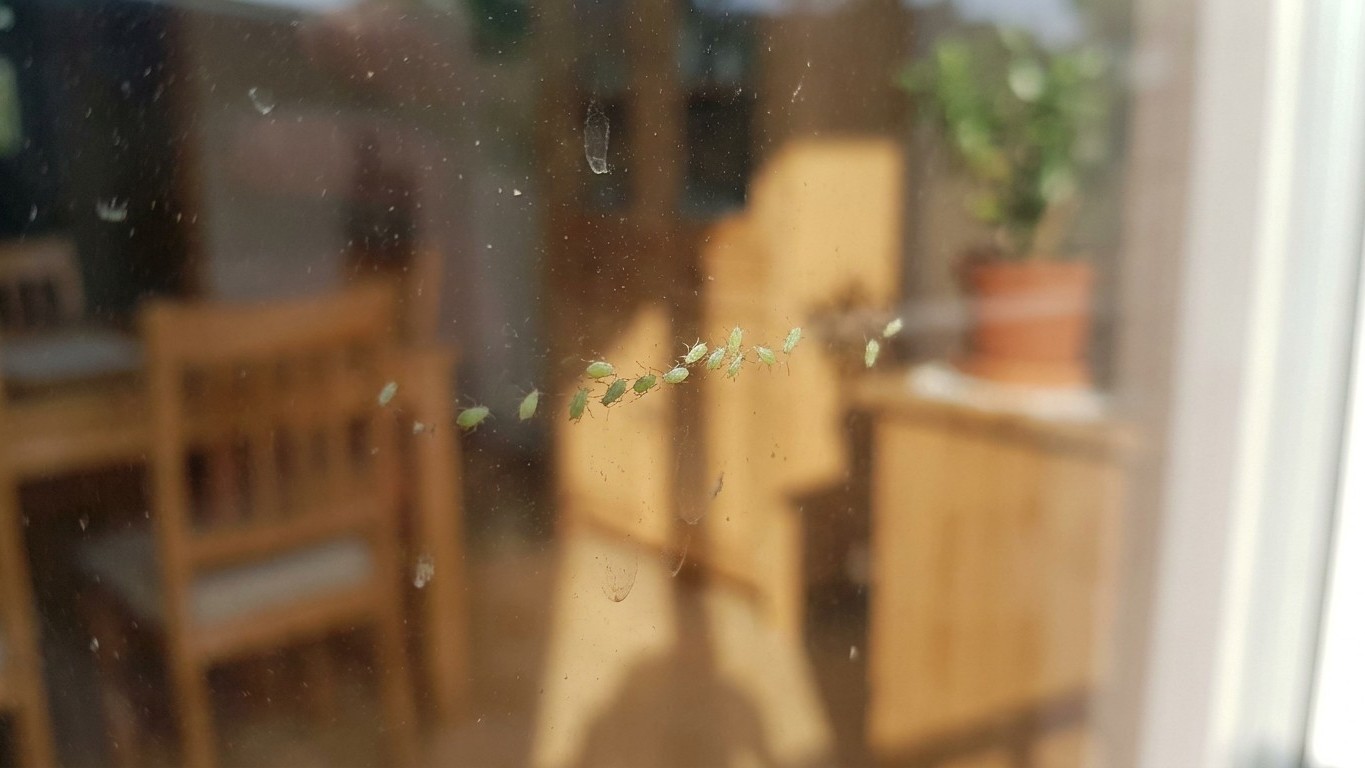
Those tiny flies hovering around your houseplants aren’t just annoying—they’re a symptom of thousands of larvae feeding on root hairs in the top inch of soil. A horticulturist revealed the hidden damage and the surprisingly simple fix that saved one gardener’s plants in just ten days.

The Hidden Killer on Your Houseplant Leaves: Why Watering Won’t Save a Spider Mite Infestation

The Hidden Killer on Your Houseplant Leaves: Why Watering Won't Save a Spider Mite Infestation

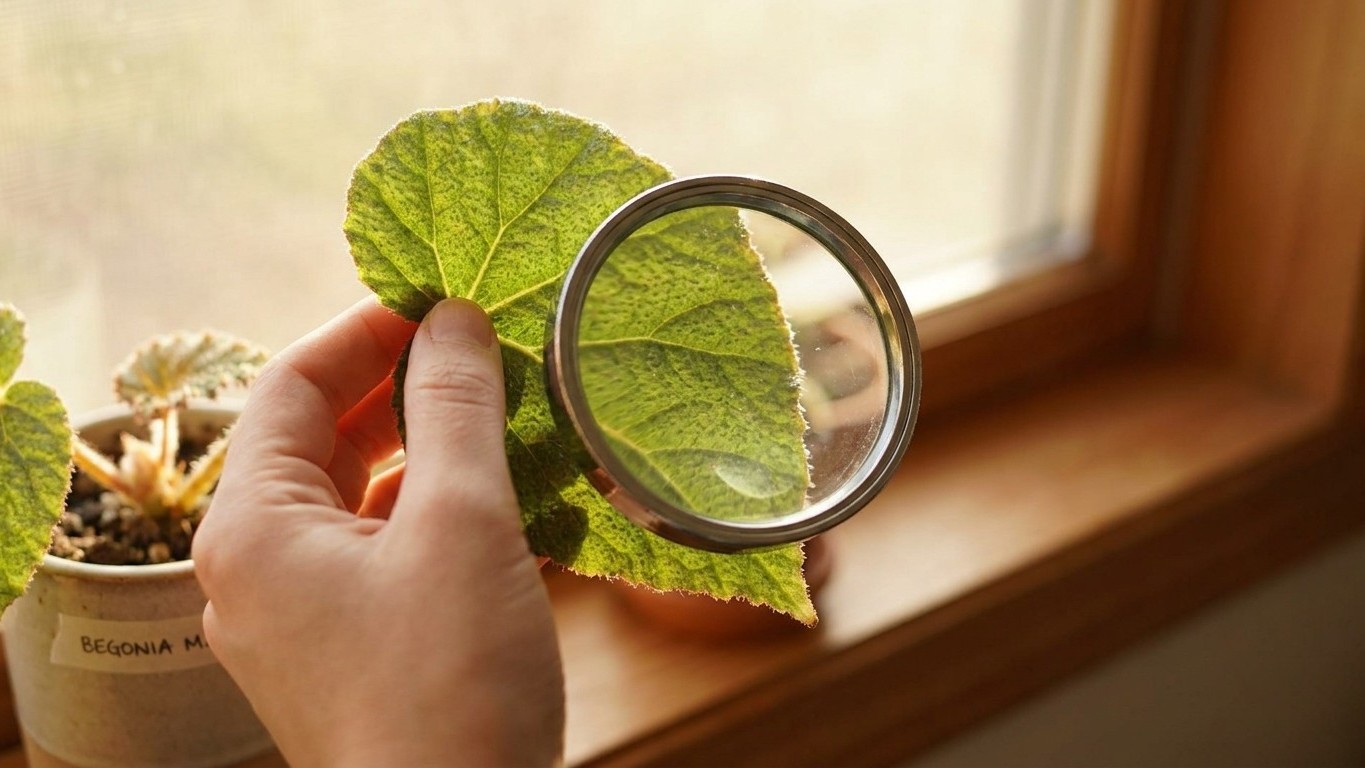
That dusty film on your houseplant isn’t dust at all—it’s spider mite webbing, and by the time you see it, the infestation has been building for weeks. Discover why watering won’t fix the problem and the proven treatment methods that actually work.

Why Your Houseplants Are Dying in the Summer Sun—And How to Save Them

Why Your Houseplants Are Dying in the Summer Sun—And How to Save Them

Moving houseplants outside seems like a gift of natural sunlight—until their leaves turn bleached and papery within days. The damage is permanent cellular death, not mild sunburn. Discover why indoor leaves can’t handle direct sun and the simple two-week acclimation process that prevents disaster.