
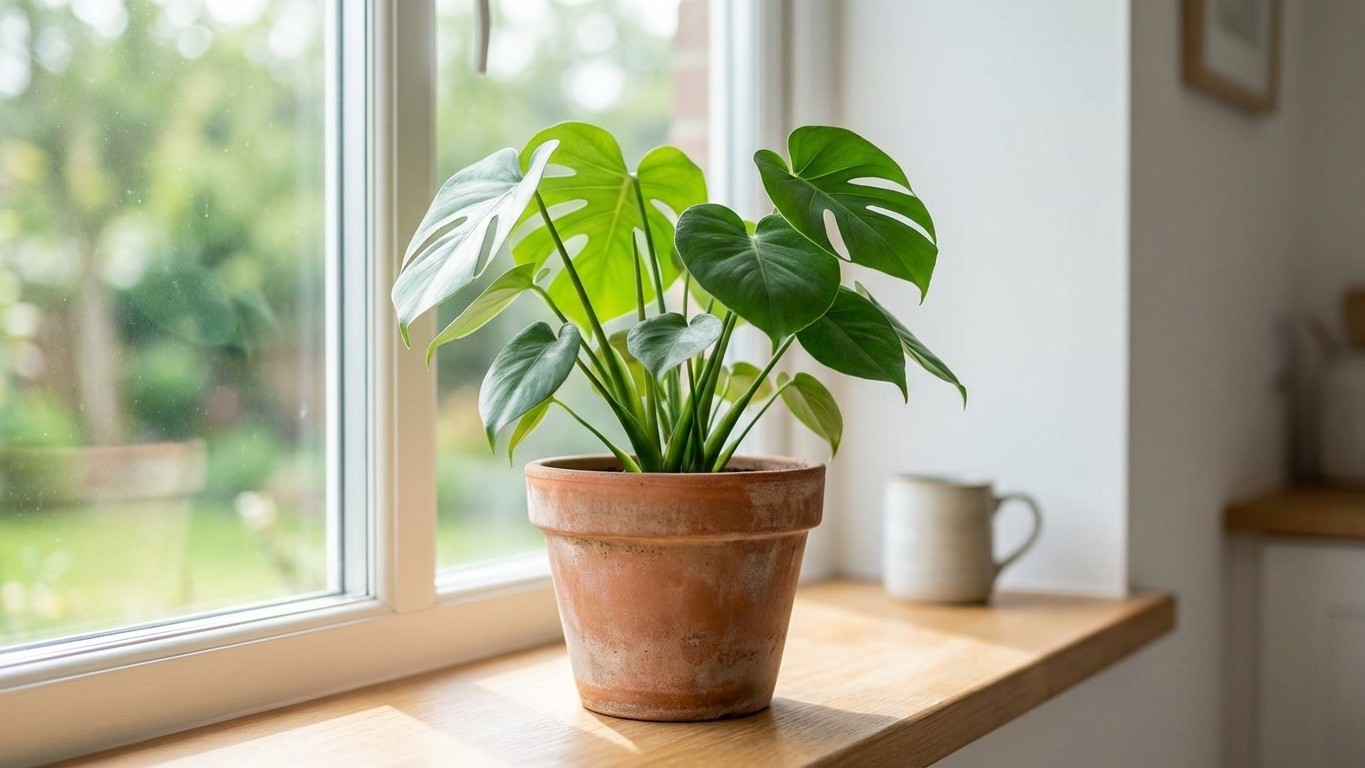
Six dead succulents. Two wilted ferns. A fiddle-leaf fig that looked like it had given up on life entirely. Sound familiar? For years, I assumed the problem was me, my watering schedule, my light choices, my general inability to keep living things alive. Then a friend pointed at my pots and said, simply, “That’s your problem right there.” She was talking about the material they were made of. Turns out, the container you choose does more for your plant’s survival than almost any other decision you make.
Key takeaways
- Most plant deaths aren’t from overwatering—they’re from the pot material trapping moisture and suffocating roots
- Terracotta’s porous walls allow water and air to pass through, creating a natural moisture buffer your plant actually thrives in
- The wrong pot for your plant’s needs is like choosing a rainforest habitat for a desert cactus
Why the pot itself is doing the killing
Most plant deaths blamed on “overwatering” are actually a drainage and aeration issue, and pot material sits at the center of both. A glazed ceramic pot, for instance, is practically waterproof, moisture has nowhere to escape except through the drainage hole at the bottom, assuming there even is one. The soil stays saturated, oxygen can’t reach the roots, and root rot sets in quietly before you ever notice anything wrong above the soil line. By the time leaves start yellowing, the damage is already done.
Plastic pots have the same problem, amplified. They’re lightweight and cheap, which is why they dominate garden centers, but plastic is completely non-porous. Water either drains out the bottom or it sits. There’s no gradual evaporation through the walls, no passive exchange between soil and air. Plants in plastic pots essentially live in a sealed environment, fine for some tropical species that love humidity, but a slow death sentence for anything that prefers dry cycles between waterings.
The switch that changed everything: terracotta
Terracotta has been used for plant cultivation for roughly 5,000 years, which should tell you something about its effectiveness. The fired clay is porous enough that water and air can pass through the walls themselves, not just the drainage hole. This creates a natural buffer: the pot absorbs excess moisture from the soil and releases it gradually into the surrounding air. Your plant gets consistent hydration without ever sitting in a swamp.
The practical difference is striking. A plant that needed watering every three days in a plastic pot may only need watering once a week in terracotta, because the moisture cycle is more stable and efficient. That longer interval also means more oxygen reaching the roots between waterings, and healthy roots are where every healthy plant starts. The white crusty residue you sometimes see on terracotta walls is mineral salt buildup from the water, which looks messy but is actually proof the pot is doing its job.
There’s a weight trade-off to consider. Terracotta pots are considerably heavier than plastic, which matters if you’re moving things around seasonally or filling a balcony where structural load is a concern. Large terracotta planters can weigh upward of 20 pounds before you add soil and a plant. For tabletop plants and small indoor specimens, though, this is rarely an issue.
Other materials worth understanding
Fabric grow bags have earned a devoted following among vegetable gardeners, and the logic is sound: the permeable fabric allows air to reach roots from all sides, not just the top and bottom. This promotes what growers call “air pruning,” where roots naturally stop growing when they hit air rather than circling endlessly around the pot walls (a problem called root-bound stress). For herbs, tomatoes, and fast-growing annuals, fabric bags are genuinely excellent. For a living room display, less so.
Concrete and stone pots behave somewhat like terracotta in that they’re slightly porous, though the degree varies widely depending on the mix and finish. They’re extremely heavy and tend to be expensive, but they’re durable and lend a certain permanence to outdoor plantings. Hypertufa, a DIY concrete alternative made with perlite and peat, is lighter and even more porous, a popular project among container gardeners who want that aged stone look without the weight or cost.
Glazed ceramic occupies a strange middle ground. Visually, it’s often the most appealing option, and it comes in every color and shape imaginable. The glaze, however, seals the clay entirely, removing the porosity benefit of unglazed terracotta. A glazed ceramic pot essentially performs like a plastic pot with better aesthetics. It’s a reasonable choice for moisture-loving plants like peace lilies or calatheas, but pairing it with a cactus is asking for trouble.
Matching material to plant, not to your shelf aesthetic
The most common Mistake people make is Choosing pots based on how they’ll look on a shelf rather than what the plant actually needs. A beautifully painted blue ceramic pot might look perfect with a snake plant, but a snake plant (Sansevieria) wants soil that dries completely between waterings. Put it in that sealed ceramic vessel and you’re fighting against the plant’s basic biology. Move it to terracotta, and it practically takes care of itself.
Moisture-loving plants, conversely, can struggle in terracotta if you live in a dry climate or keep your home particularly warm. The porous walls will wick moisture away faster than you can replenish it. Ferns, orchids (in appropriate bark medium), and tropical species often do better in plastic or glazed ceramic precisely because they need that retained humidity. Knowing your plant’s native environment, whether it comes from a rainforest floor or a rocky, arid hillside — tells you almost everything you need to know about which pot to reach for.
Six plants in, I replaced everything with unglazed terracotta. Not immediately, not dramatically, just one by one as old pots wore out. The change was gradual enough that I almost missed it: fewer yellow leaves, less root rot, less second-guessing. Now I water by feel rather than schedule, because the pot itself communicates what’s happening inside the soil. If that feels like a small thing, consider that most of us spent years convinced we had a black thumb when the real culprit was sitting right there on the windowsill the whole time.