Why Repotting Your ZZ Plant Into a Bigger Pot Could Kill It — And How to Do It Right

Why Repotting Your ZZ Plant Into a Bigger Pot Could Kill It — And How to Do It Right

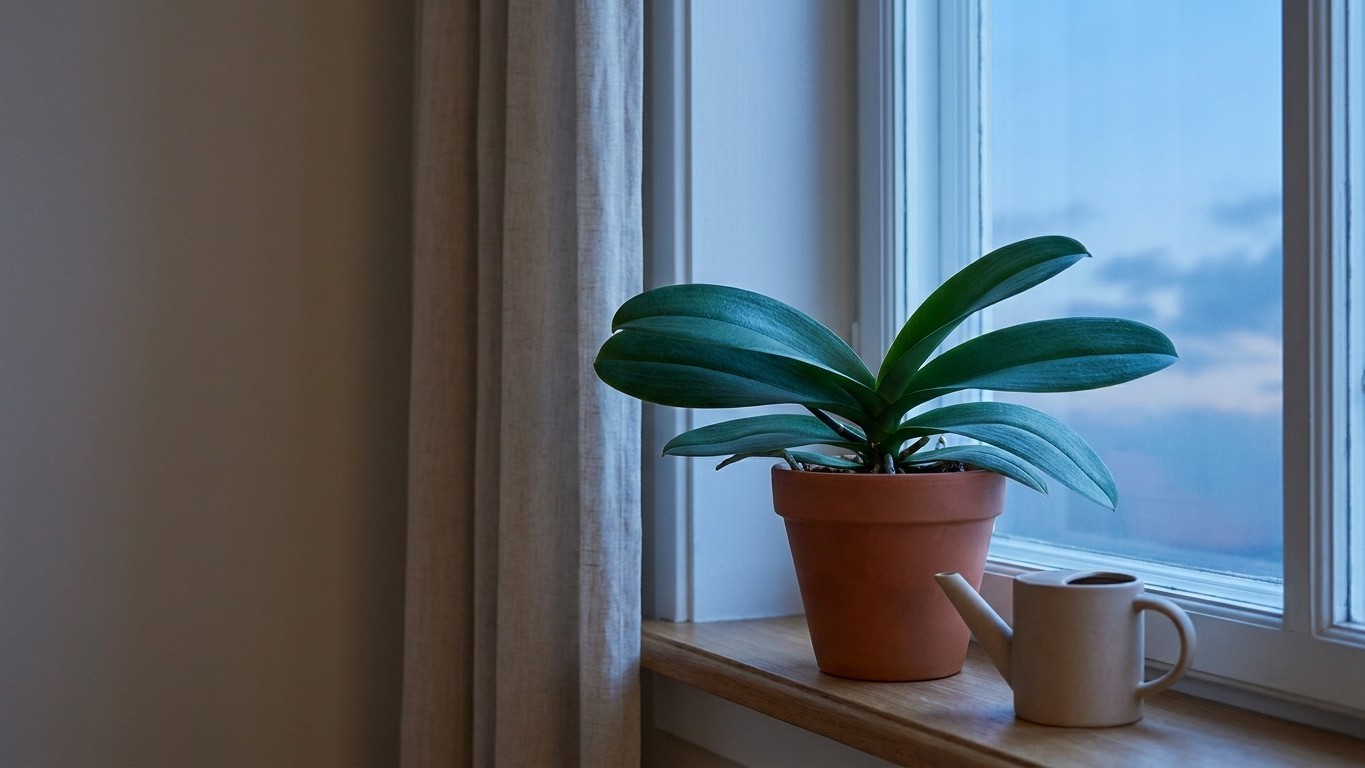
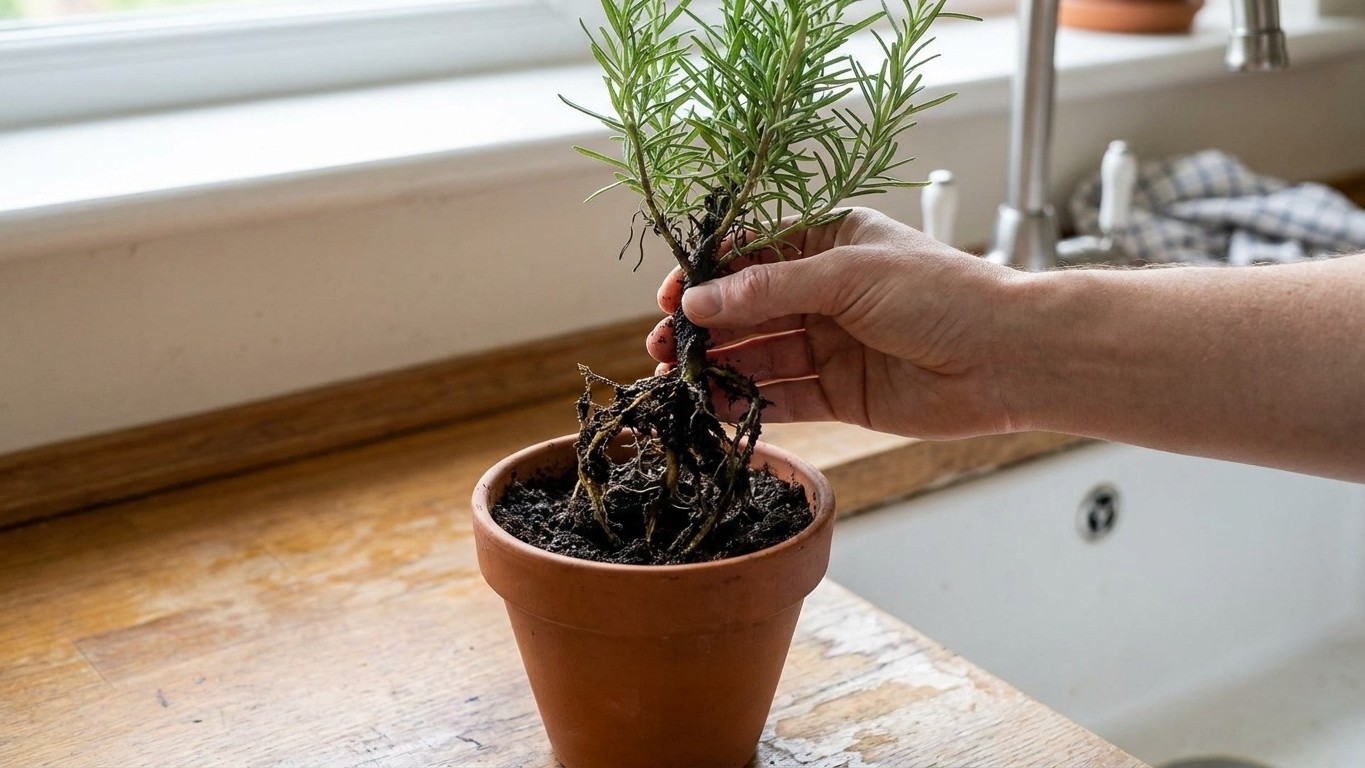
Repotting a ZZ plant into a larger container seems like a generous gift—but it’s actually one of the fastest ways to kill it. Discover why oversized pots trigger root rot in these slow-growing plants and the precise techniques horticulturalists recommend to keep your ZZ healthy and thriving.

Why Your Peace Lily Dies in April: The Sunburn Mistake Thousands Make Every Spring

Why Your Peace Lily Dies in April: The Sunburn Mistake Thousands Make Every Spring

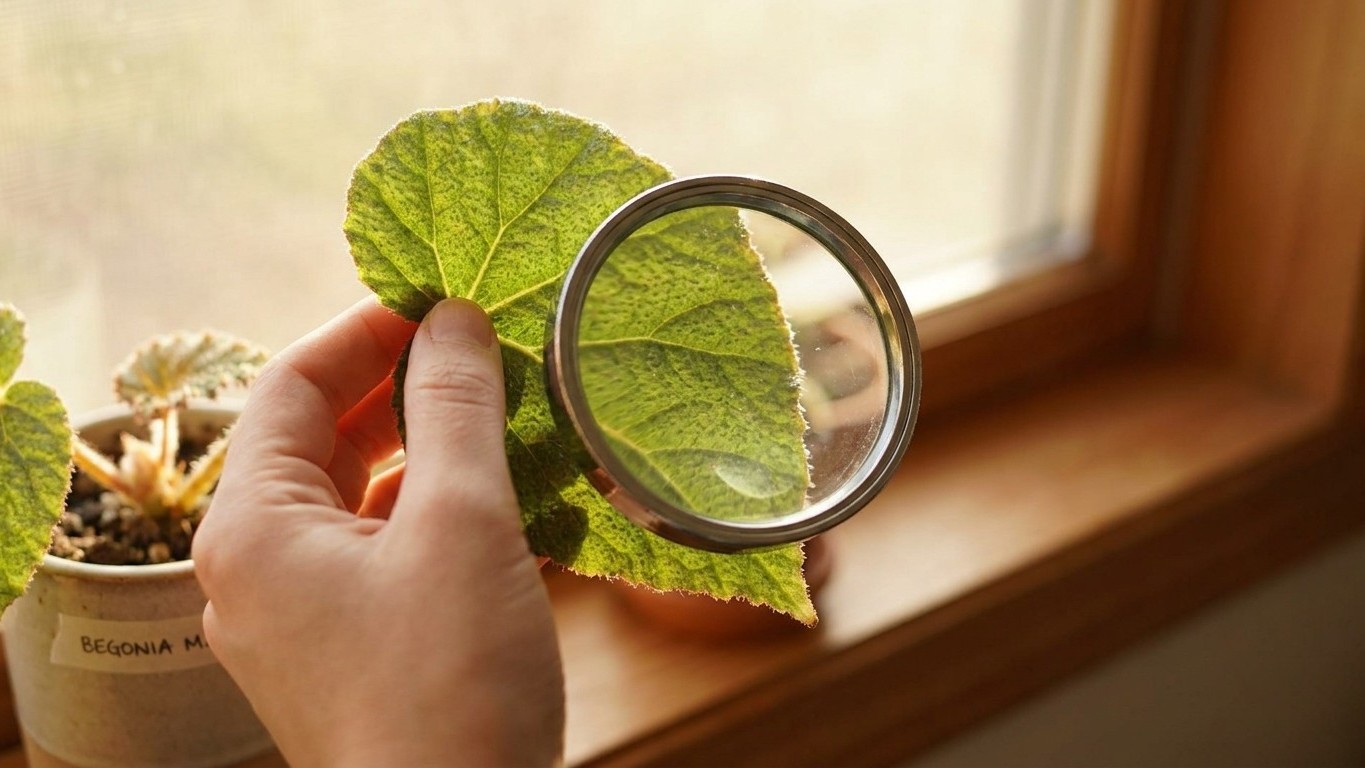
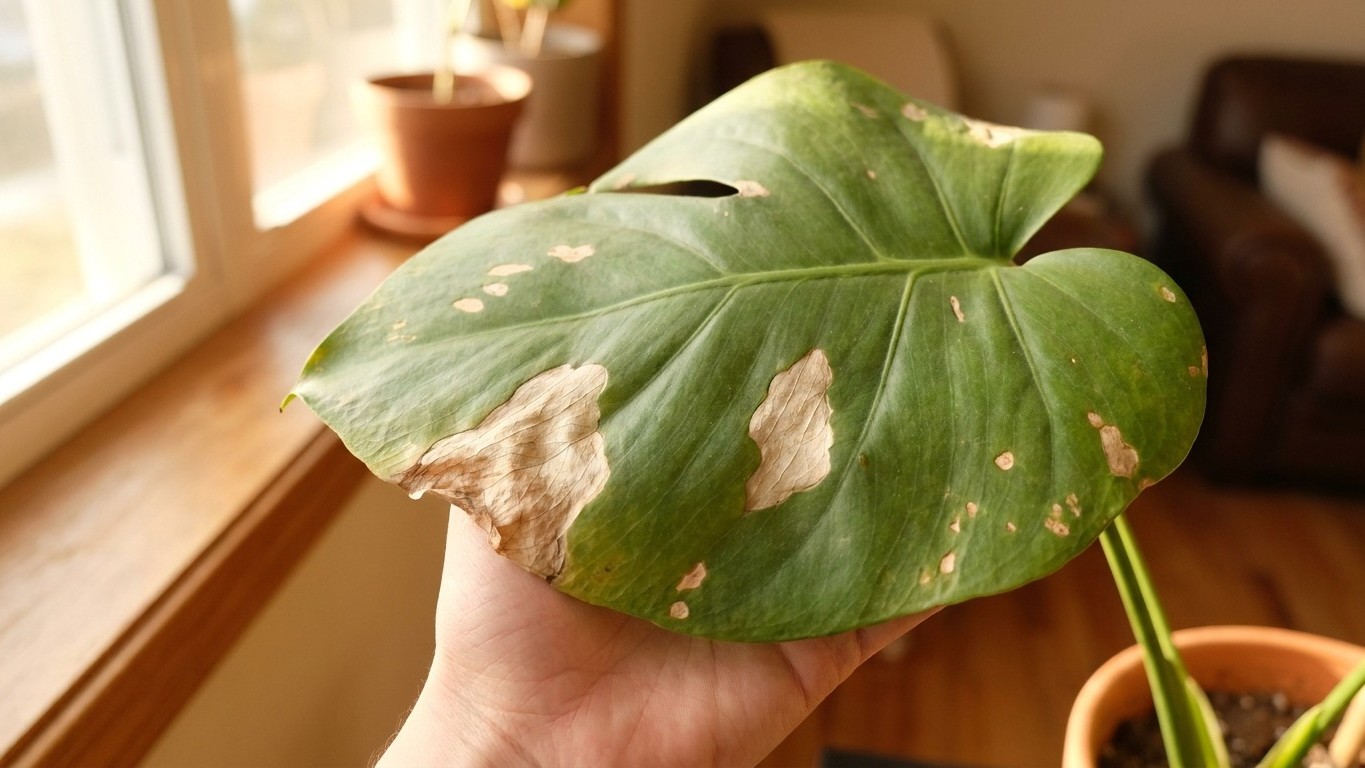
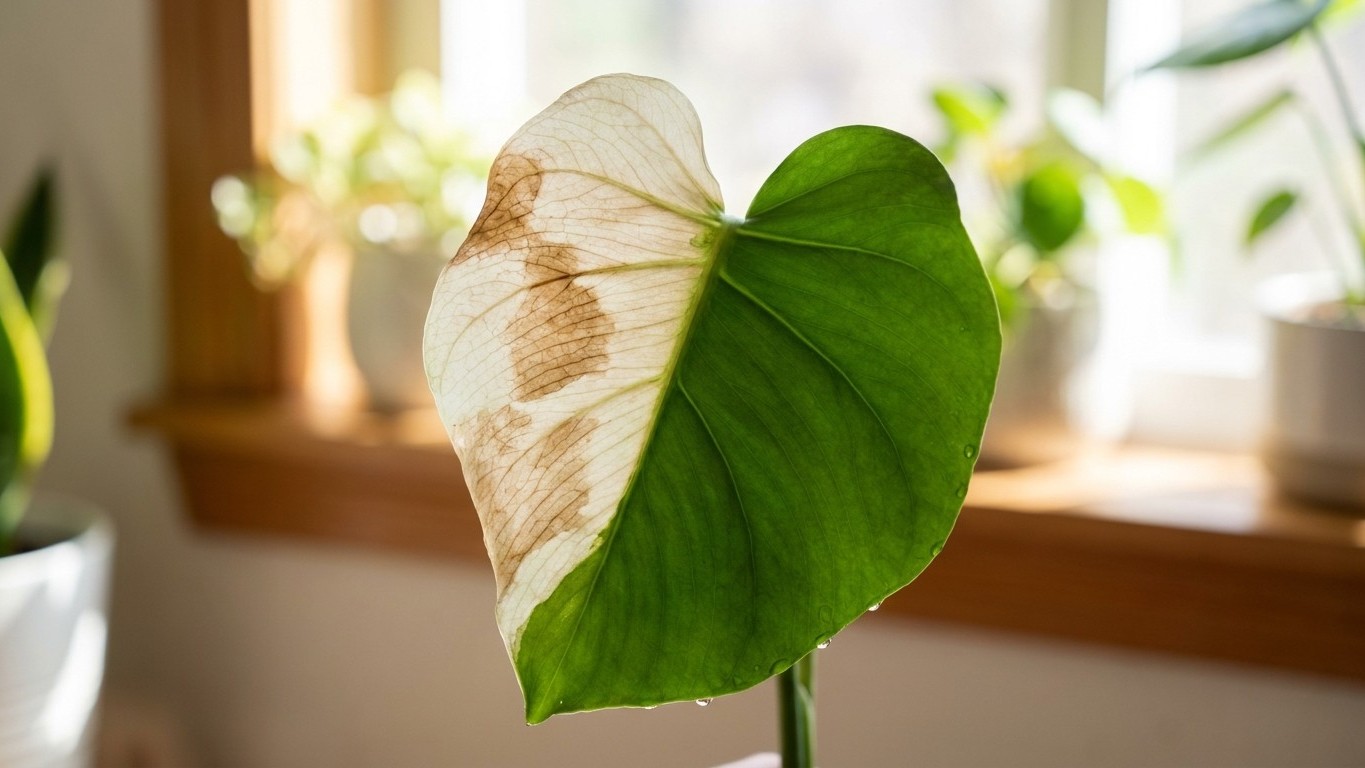
Every April, peace lily owners instinctively move their plants toward windows, triggering a silent crisis. The spring sun’s intensity causes photooxidative stress that slowly bleaches leaves and creates burn scars—damage that takes weeks to notice but happens in days. Learn why ‘more light’ isn’t the same as ‘direct light,’ and how a simple positioning mistake destroys one of houseplants’ most forgiving species.

Why Weekly Leaf Shine is Slowly Suffocating Your Fiddle Leaf Fig

Why Weekly Leaf Shine is Slowly Suffocating Your Fiddle Leaf Fig

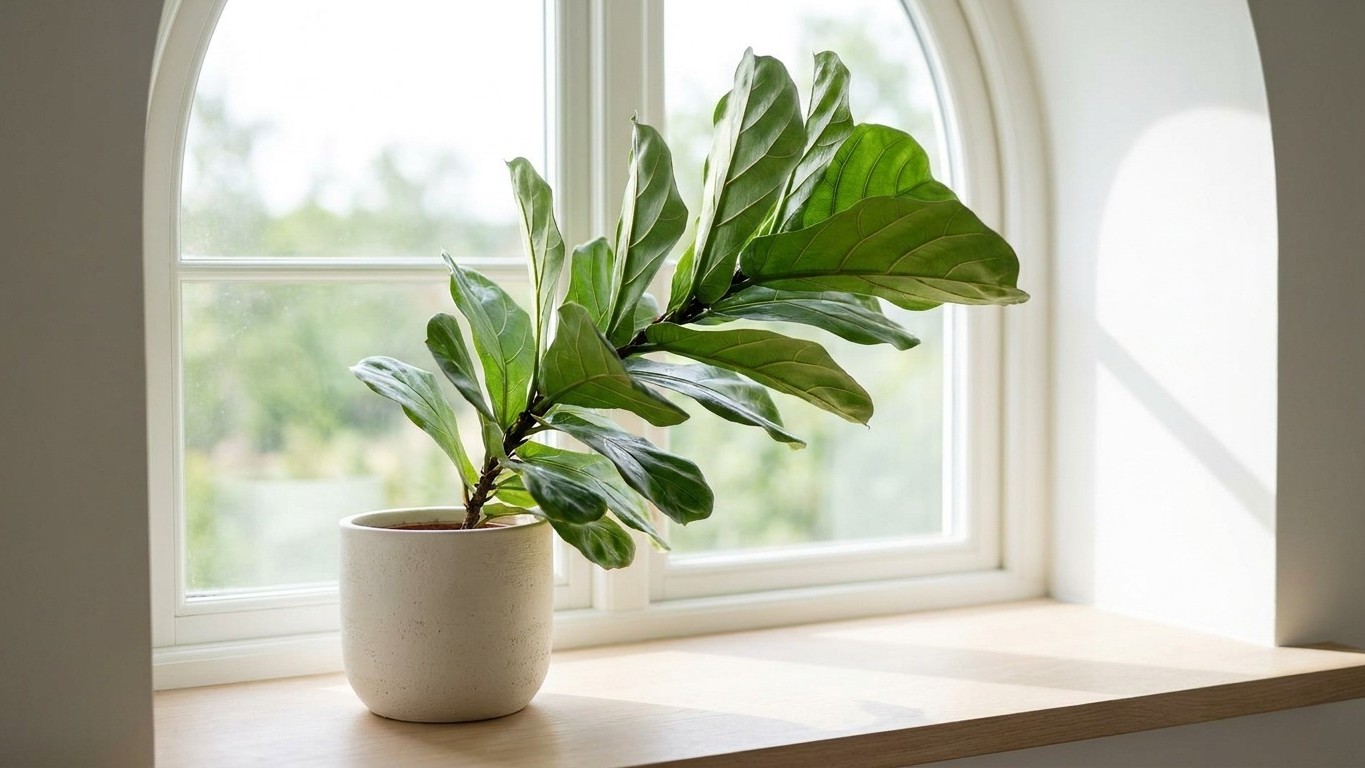
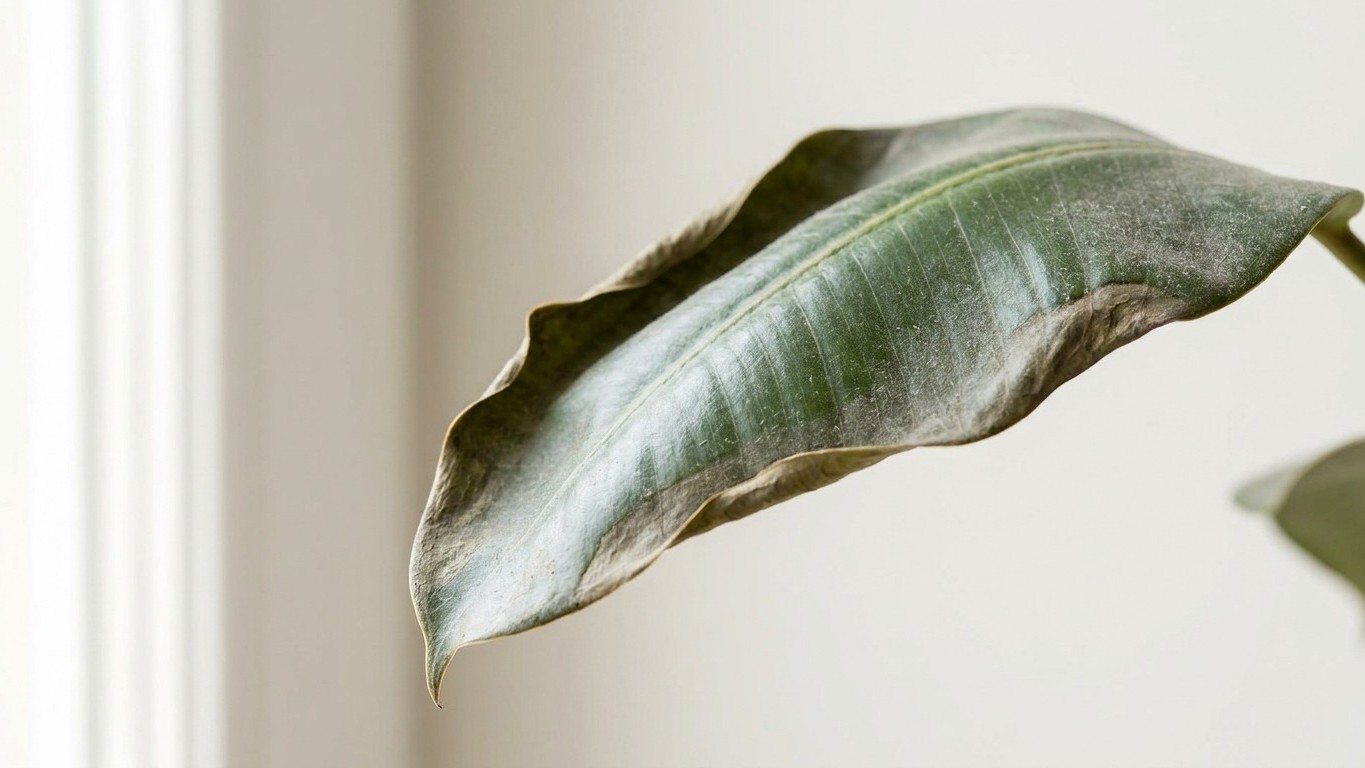
Millions of houseplant owners spray leaf shine weekly to make their fiddle leaf figs gleam—but a botanist warns this beauty treatment is quietly suffocating the plant. Silicone-based coatings block the leaf’s pores, reducing the plant’s ability to breathe, photosynthesize, and regulate moisture. The solution is surprisingly simple and costs nothing.

The Unexpected Bathroom Trick That Finally Made My Peace Lily Bloom After 6 Months

The Unexpected Bathroom Trick That Finally Made My Peace Lily Bloom After 6 Months

After six months of nothing but glossy green leaves, moving a peace lily to an overlooked bathroom window triggered three flower spikes in weeks. The secret isn’t a new fertilizer—it’s understanding the specific light and humidity conditions that actually make peace lilies bloom.

I Applied Coffee Grounds to My Houseplants for a Year—Here’s What Happened to the Roots

I Applied Coffee Grounds to My Houseplants for a Year—Here's What Happened to the Roots

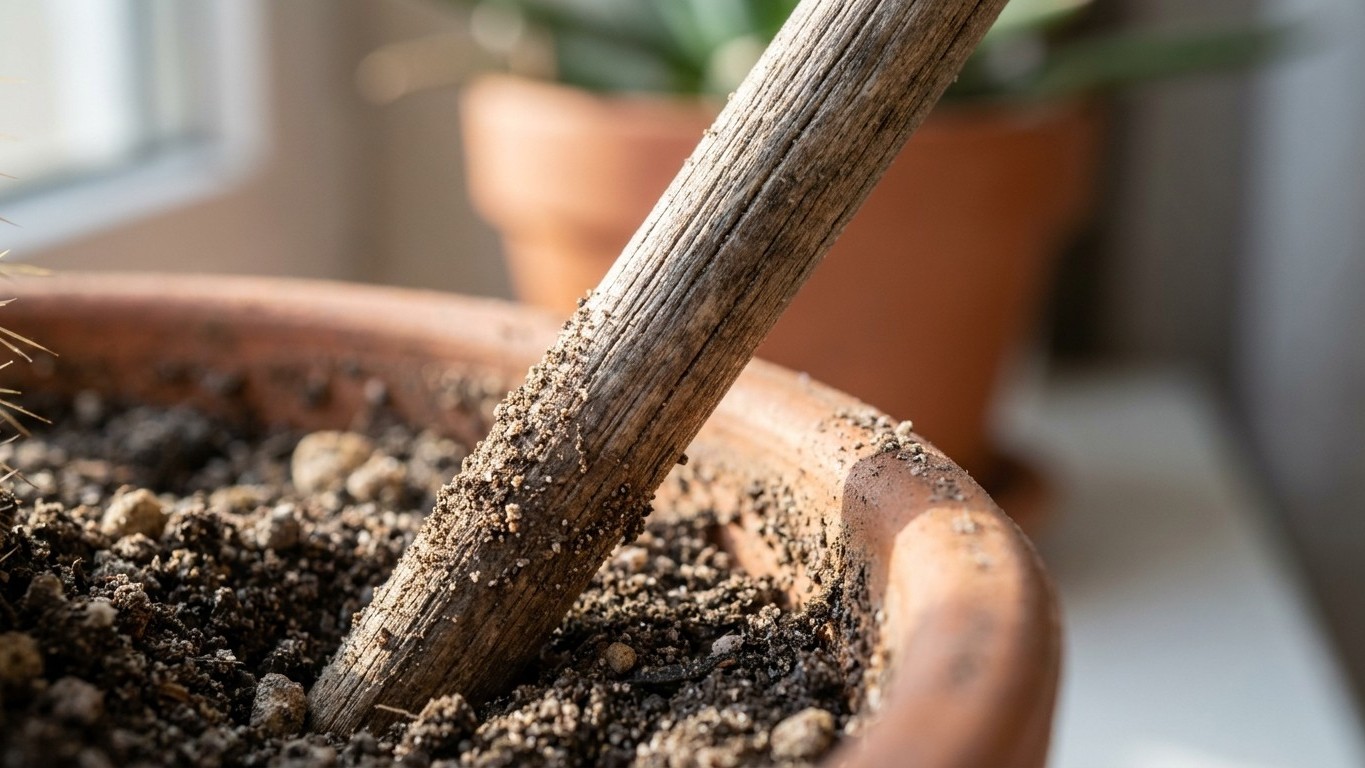
After a year of adding coffee grounds directly to houseplant soil, one plant developed hidden root rot while appearing perfectly healthy above ground. What looked like a promising growth hack turned into a cautionary tale about drainage, compaction, and the gap between garden mythology and container reality.

I Killed Plants for Years Until I Changed One Thing: The Pot Material

I Killed Plants for Years Until I Changed One Thing: The Pot Material

For years, I blamed myself for killing plants. Then a friend pointed out the real culprit: my pots. The material you choose affects drainage, aeration, and moisture cycles more than almost any other factor. Switching to terracotta transformed everything.

3 Plants That Actually Thrive in Windowless Bathrooms (No More Plant Graveyard)

3 Plants That Actually Thrive in Windowless Bathrooms (No More Plant Graveyard)

If your bathroom has killed every plant you’ve ever owned, it’s not you—it’s bad advice. Most “low-light” plant recommendations ignore truly dark spaces. Here are three species that don’t just survive windowless bathrooms; they actually thrive in them, plus the exact setup that makes the difference.

I Stopped Hanging My Trailing Plants — Here’s What Transformed My Living Room Instead

I Stopped Hanging My Trailing Plants — Here's What Transformed My Living Room Instead

Hanging trailing plants promised an easy Pinterest-worthy look, but they inevitably became sparse and droopy. By training them horizontally along shelves and vertically on trellises instead, this designer discovered plants that were fuller, healthier, and transformed the entire room’s aesthetic.

I Switched My Houseplant Water and the Results Were Stunning

I Switched My Houseplant Water and the Results Were Stunning

Tap water contains chloramine and fluoride that silently damage your plants’ soil ecosystem, causing mysterious brown tips and stunted growth. One simple switch — rainwater, filtered water, or aquarium water — can reverse years of decline in just weeks.

Revive Compacted Potting Mix in March with Food-Grade Diatomaceous Earth for Fluffy, Aerated Indoor Soil

Revive Compacted Potting Mix in March with Food-Grade Diatomaceous Earth for Fluffy, Aerated Indoor Soil

By March, indoor potting soil often becomes compacted and restricts oxygen flow to roots. Food-grade diatomaceous earth—a natural powder most gardeners already have—can reverse this damage in minutes, restoring aeration and water absorption without full repotting.