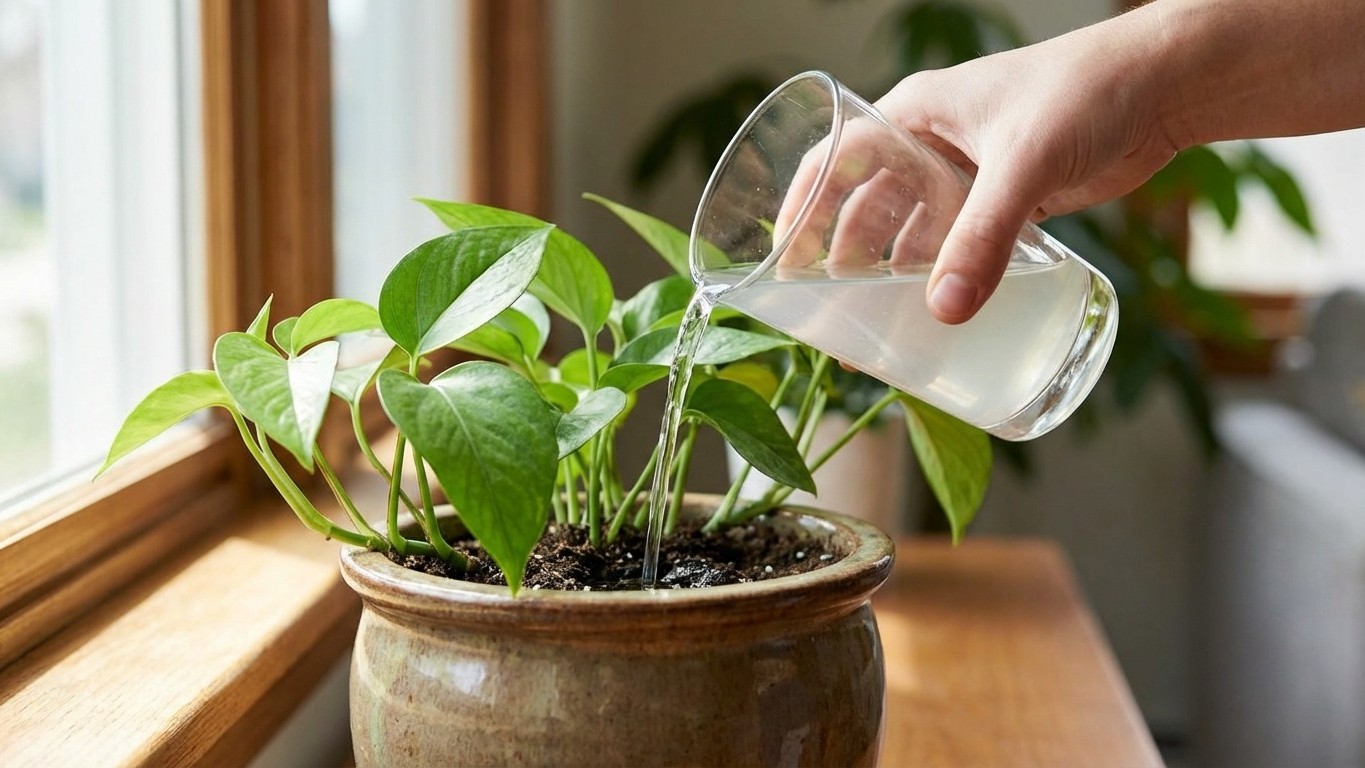
You’ve been throwing it away every morning Without a second thought. That cloudy water left over after boiling eggs, the stuff most people pour straight down the drain, it turns out to be one of the most effective plant fertilizers you can make at home, for free. No special equipment, no trip to the garden center, no measuring powders. Just a habit shift that takes about ten seconds.
Key takeaways
- A kitchen byproduct scientists confirmed improves plant cellular defenses against fungal issues
- The exact mistake 90% of people make when trying this method (and why it backfires)
- Which popular houseplants respond so visibly that you’ll notice the difference within weeks
Why Egg Water Works So Well
When eggs boil, calcium leaches out of the shells and dissolves into the water. Calcium is one of the nutrients plants quietly crave but rarely get enough of from standard potting mixes. It plays a structural role in plant cells, strengthening cell walls and helping roots absorb other nutrients more efficiently. A calcium-deficient plant will often show it through brown leaf edges, stunted new growth, or that frustrating curling you see in otherwise healthy-looking leaves.
The water also picks up small amounts of potassium and trace minerals during cooking, nothing dramatic, but enough to give a modest, broad-spectrum boost. Think of it less like a concentrated fertilizer and more like a daily multivitamin for your pothos or your fiddle-leaf fig. The effect is cumulative. One use won’t transform a struggling plant overnight. A month of consistent watering? That’s where the difference shows up.
One Surprising data point: studies on soil amendment have found that calcium can improve a plant’s resistance to certain fungal issues by reinforcing its cellular defenses. For indoor gardeners battling root rot or leaf spot, this is a meaningful side benefit, not just a nice-to-have.
How to Actually Use It (Without Killing Your Plants)
The most common mistake is using the water while it’s still hot, or even warm. Always let it cool completely to room temperature before watering your plants. Heat stress from even mildly warm water can damage roots in sensitive species, and a lot of popular houseplants, including calatheas and peace lilies, are more sensitive than they look.
Unsalted is the only rule that matters. If you salt your egg water (as many people do), that salt will accumulate in the potting soil over time and eventually reach concentrations that pull moisture out of roots rather than feeding them. This is the exact opposite of what you want. Plain boiled egg water, cooled and unsalted, is what you’re after.
Use it as a direct substitute for your regular watering sessions, about once a week or every other week. There’s no need to dilute it further, the nutrient concentration is already gentle enough that you won’t risk burning roots the way a strong liquid fertilizer might. This makes it particularly forgiving for beginners who tend to over-fertilize and then wonder why their plant suddenly looks worse than before they started “helping” it.
The Plants That Respond Best
Calcium-hungry plants are your best candidates. Tomatoes get all the attention in outdoor gardening circles when it comes to calcium deficiency (blossom end rot is almost always a calcium or watering consistency issue), but indoors, the plants that tend to respond most visibly to egg water are leafy, fast-growing types: pothos, philodendrons, monsteras, and herbs like basil or parsley grown on a windowsill.
Succulents and cacti are a different story. These plants evolved in lean, mineral-poor soils, and they tend to be more sensitive to even gentle nutrient additions. A light, occasional application won’t hurt them, but they’re not your prime audience here. Focus the egg water on your thirstier, leafier plants and you’ll notice the difference faster.
Ferns deserve a specific mention. They’re notoriously difficult to keep alive indoors, and one of the reasons is that they struggle in soils that become too acidic over time. Calcium is alkaline in effect, which means egg water can gently buffer the soil pH in your fern’s pot, not a dramatic shift, but enough to create a slightly more hospitable environment for roots that like a more neutral range.
Other Kitchen Scraps Worth Keeping
Egg water gets the top spot, but it’s not alone in the category of free, drain-bound plant food. Cooled cooking water from vegetables (think potato, carrot, or pasta water, again, unsalted) carries similar leached minerals and can supplement your watering rotation. Banana peels soaked overnight in water release potassium, which supports root development and flower production. Coffee grounds, used sparingly as a surface dressing, add organic matter and acidify the soil slightly — useful for plants like gardenias or anthuriums that prefer things on the acidic side.
The common thread across all of these is that they work gradually. They are not rescue remedies for a severely deficient plant. They are maintenance tools, ways to build healthier soil conditions over time so your plants are more resilient, more vibrant, and less likely to hit a crisis in the first place. The gardeners who swear by these methods have almost always been doing them consistently for months, not days.
There’s something quietly radical about reframing kitchen waste as a resource. Most commercial fertilizers are produced through energy-intensive industrial processes, packaged in plastic, and shipped across the country before they reach your shelf. The water you boiled eggs in this morning is already in your kitchen, already doing the work, already free. The only question is whether your plants or your drain get to benefit from it.