
Two years of running every load at 30°C with liquid detergent to trim the monthly utility bill sounded like a smart move. It usually is. The problem shows up quietly, in the folds of rubber around the door, long before anyone notices it in the energy statement.
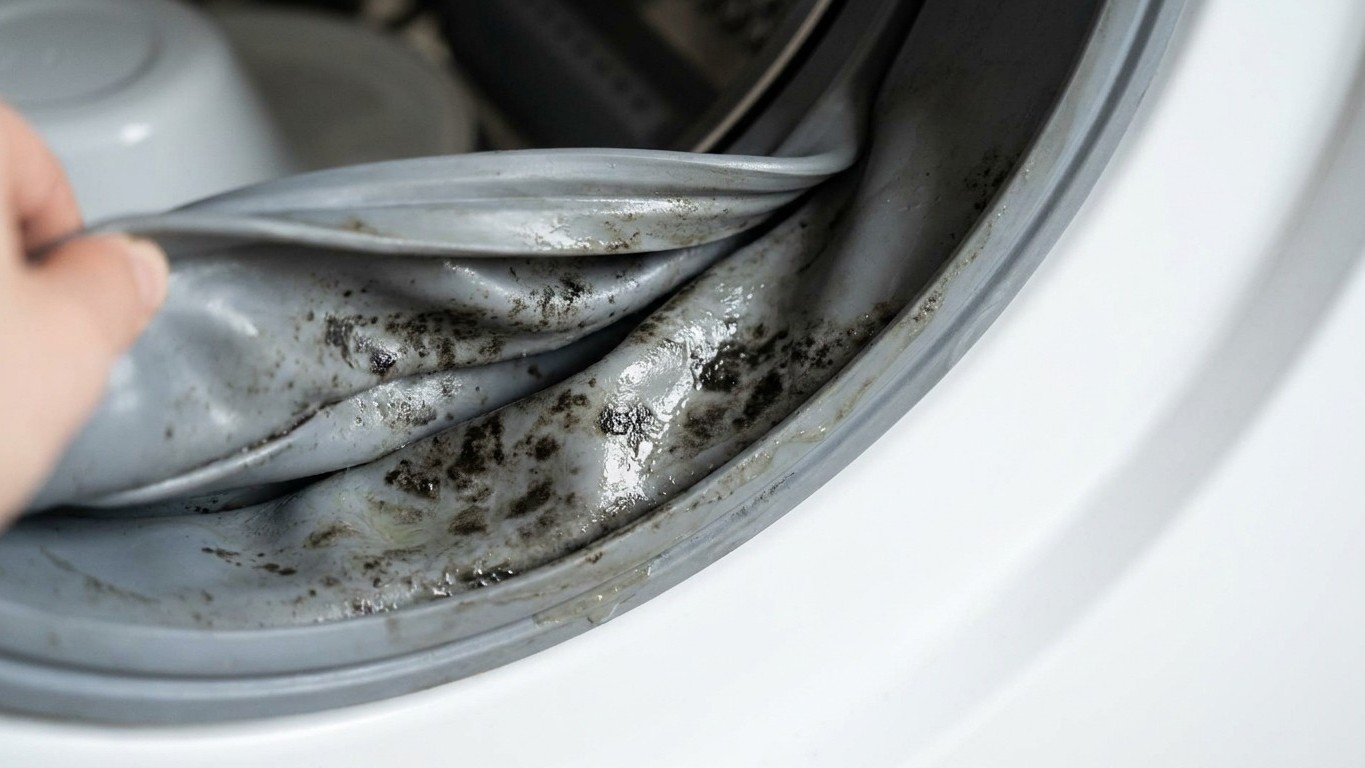
That black, slimy residue lurking under the door gasket isn’t dirt. It’s a colony. The black mold in washing machine seals is commonly Cladosporium or Aspergillus species. Reach a finger under the rubber lip of most front-loaders after a year or two of consistent cold washing, and there’s a good chance of finding the same thing: a sticky, dark film that wasn’t there when the machine was new.
Key takeaways
- A two-year cold-washing habit can leave your door gasket colonized with black mold that’s structurally compromised and spreading to clothes
- The culprit isn’t the temperature alone—it’s the triple threat of cold cycles, liquid detergent film, and the gasket’s moisture-trapping design
- Simple maintenance habits (open the door, wipe the seal, switch to powder) eliminate the problem without sacrificing energy savings
Why 30°C and liquid soap are a mold-friendly combo
The math on energy savings is real and well documented. Heating water consumes about 90% of the energy to wash clothes, according to ENERGY STAR. Drop the temperature, and the electric bill drops with it. That’s not in dispute, and it’s the reason cold and cool washing has become the default recommendation from appliance makers and utilities alike.
But there’s a trade-off nobody prints on the detergent bottle. Washing at temperatures below 40°C might not do a thorough job of rinsing detergent residue, leading to the buildup of mould, dirt, and grease on your gasket. Liquid detergent compounds the issue. Unlike powder, it tends to leave a film rather than rinsing cleanly away, and that film becomes food. Switching from liquid detergent to powder or pods matters because liquid detergent leaves a residue film in the gasket that mold feeds on.
The formulation itself plays a role too. Many liquid and color-safe detergents skip bleaching agents entirely to protect fabric colors, which sounds like a benefit until you consider what that ingredient was doing in the background. The new generation of environmentally friendly liquid detergents and the ever popular color safe detergent share a common trait: a lack of any bleaching agent, and while this might make the detergent “safe and gentle,” they are absolutely incapable of dealing with any form of mould or mildew. Combine that with a cycle that never gets hot enough to kill spores, and the door boot becomes exactly the kind of habitat fungi look for. Mould and mildew are essentially 2 types of fungi that are known to thrive in a warm, moist environment.
A front-load design doesn’t help matters. The gasket sits low, folds over itself, and traps standing water after every single cycle. The rubber seal sits between the washer door and the drum, and its folds trap moisture, detergent residue, and lint, combined with warm wash cycles, this creates the perfect environment for mold growth. Two years of daily 30°C loads is roughly 700 cycles. That’s 700 opportunities for a thin layer of residue to thicken, dry partially, get wet again, and eventually turn into the black sludge found behind the door.
What’s actually growing back there, and why it matters
This isn’t just cosmetic. Left unchecked, that buildup does two things: it smells, and it spreads. If it is not properly maintained, bacterial and fungal spores can infiltrate into the pores of the rubber, and over time the spores multiply leading to a mildew infestation that can be difficult to get rid off, in extreme cases, this mould can cause permanent damage to the structural integrity of the seal. A gasket that’s been colonized for two years isn’t just dirty. It’s structurally compromised, brittle in places, and prone to letting water seep past it.
Health-wise, most healthy adults will just find it unpleasant rather than dangerous, but it’s not entirely harmless. Apart from the musty odor they are likely to cause in a washing machine, there are several health risks associated with exposure to them, with respiratory ailments such as asthma and allergic reactions being common. And it doesn’t stay contained to the machine. In many cases, mould on washing machine door seal is transferred to clothes and causes skin rashes and irritations. So the very clothes being washed to save money can come out carrying the problem.
Keeping the savings without the seal turning into a science experiment
None of this means abandoning low-temperature washing. The energy case is too strong to ignore, and a few adjustments neutralize almost all of the risk. Whirlpool notes plainly that without proper maintenance, the washer door rubber seal, also known as a gasket or bellow, can accumulate detergent buildup, grime and even mold, the emphasis being on “without proper maintenance,” not on the cold cycle itself.
The fix is less about giving up the 30°C habit and more about breaking the moisture cycle. A handful of small habits make the difference: leaving the door propped open between loads instead of closing it right away, wiping the gasket dry with a cloth after each wash, and switching from liquid to powder detergent when possible since it rinses more thoroughly. On top of that, running an occasional hot maintenance cycle resets everything a cold wash can’t touch. Experts at Hisense UK recommend running an empty hot wash at 60˚C with a cup of vinegar or a specialized washing machine cleaner to remove any lingering mold or odors, after which the door should be left ajar to dry.
Anyone staring at a two-year-old gasket that’s already gone black doesn’t need to replace the machine. Vinegar, a stiff brush, and patience usually do the job, though the rubber shouldn’t be pulled or forced out of place while cleaning. Experts advise checking the manufacturer’s instructions and never removing the seal from its place, though it can be lifted slightly to check for dirt or missing socks hiding underneath, provided no gaps are left afterward. The energy bill savings were never the problem. It was the assumption that “cooler” also meant “lower maintenance”, and on a washing machine, those two things have never been the same.
Sources : yourspares.co.uk | statesvillenc.net