
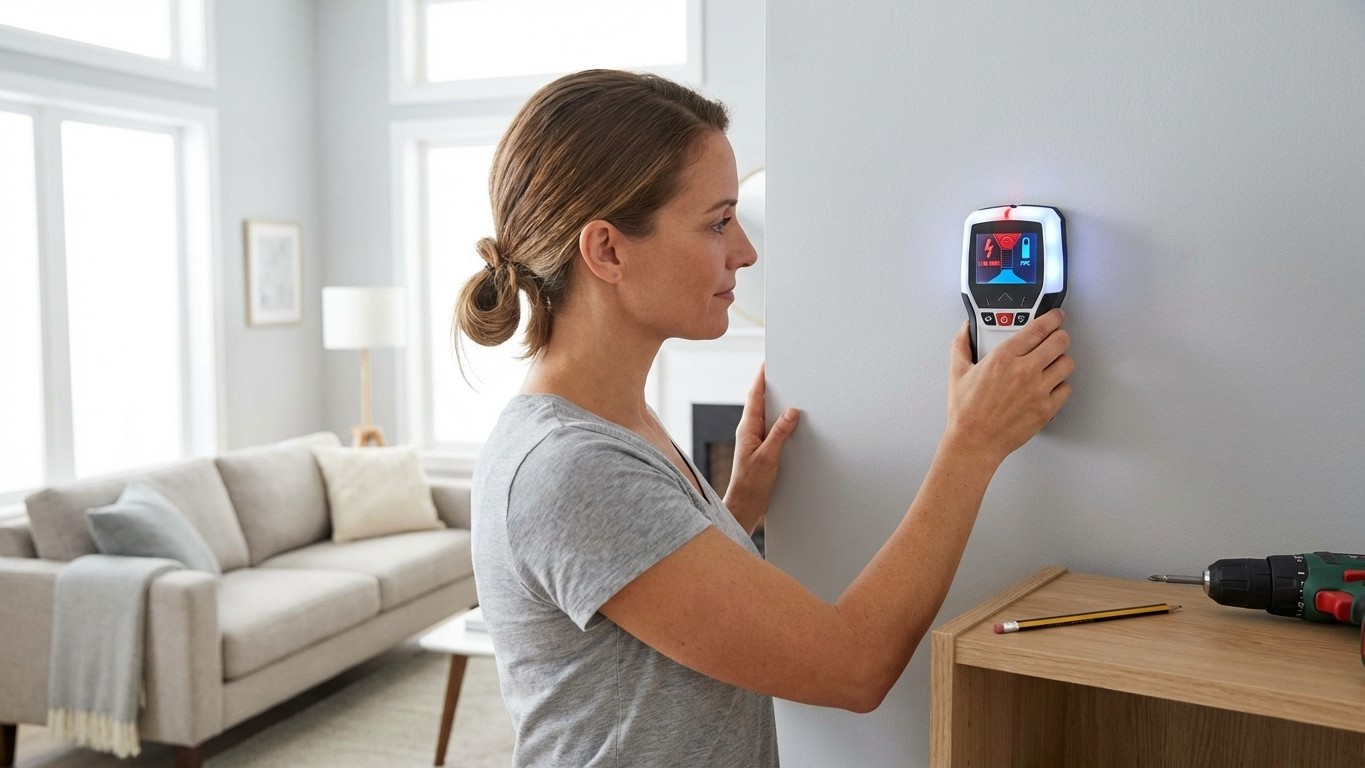
Drilling into walls is a common task for homeowners, whether it’s to hang a picture frame, install shelves, or mount a television. However, a frequent mistake—drilling without proper preparation—can lead to significant and costly damage. Understanding this error and learning how to avoid it is crucial for maintaining the integrity of your walls and ensuring safety.
Key takeaways
- Most homeowners overlook this crucial step before drilling.
- What hidden dangers lurk behind your walls?
- Simple precautions could save you from expensive repairs.
Understanding the Common Drill Mistake
The primary error many make is drilling without first checking for hidden utilities within the wall. Walls often conceal electrical wires, plumbing pipes, and even gas lines. Penetrating these can result in electrical shocks, water leaks, or gas leaks, each posing serious risks and requiring expensive repairs. For instance, drilling into a live wire can cause electrocution or start a fire, while puncturing a water pipe can lead to flooding and structural damage.
Steps to Prevent Wall Damage When Drilling
To avoid these hazards, follow these essential steps before drilling:
1. Use a Stud Finder with Utility Detection
Modern stud finders are equipped with sensors that detect not only studs but also electrical wiring and metal pipes. By scanning the wall with such a device, you can identify safe zones to drill. This precaution helps prevent accidental contact with hidden utilities.
2. Consult Building Plans or Blueprints
If available, review your home’s blueprints to understand the layout of wiring and plumbing. This knowledge provides insight into areas to avoid when drilling. In the absence of plans, be cautious around areas where utilities are commonly installed, such as near outlets, switches, and plumbing fixtures.
3. Start with a Pilot Hole
Begin by drilling a small pilot hole. This approach allows you to feel for any obstructions and reduces the risk of causing significant damage if you encounter resistance. If you hit something unexpected, stop immediately and reassess the area.
4. Use the Correct Drill Bit and Speed
Selecting the appropriate drill bit for the wall material—be it drywall, masonry, or wood—is vital. Using the wrong bit can lead to inefficient drilling and potential wall damage. Additionally, adjust the drill speed according to the material; for example, drilling into wood requires a different speed than drilling into concrete.
5. Wear Appropriate Safety Gear
Always wear safety glasses to protect your eyes from debris. Depending on the material, consider using a dust mask and hearing protection. Safety should always be a priority to prevent personal injury during drilling tasks.
Additional Tips for Safe Drilling
– **Avoid Drilling Near Electrical Outlets and Switches:** These areas are likely to have wiring running vertically and horizontally. Maintain a safe distance to reduce the risk of hitting electrical lines.
– **Be Cautious in Kitchens and Bathrooms:** Walls in these rooms often contain plumbing pipes. Exercise extra caution and consider consulting a professional if unsure.
– **Use a Depth Stop:** This tool limits how deep the drill bit penetrates, preventing accidental damage to hidden utilities.
By taking these precautions, you can confidently drill into walls without the fear of causing permanent damage. Remember, a few minutes of preparation can save you from costly repairs and ensure your home remains safe and intact.