
Key takeaways
- A surprising kitchen staple doubles as a mold-fighting hero.
- Uncover the science behind vinegar’s natural antifungal power.
- Explore complementary natural remedies to keep mold at bay.
Mold in the kitchen isn’t just an eyesore; it’s a health hazard. Traditional methods often rely on harsh chemicals, but there’s a time-tested, natural solution that requires no chemicals at all. By placing a bowl of white vinegar in your kitchen cabinets, you can effectively combat mold and improve air quality.
Why Vinegar Works
White vinegar is a natural disinfectant with antifungal properties. Its acidity breaks down mold spores, preventing their growth. Additionally, vinegar absorbs excess moisture, a key factor in mold development. This simple method tackles existing mold. Also, helps prevent future outbreaks.
Implementing the Vinegar Hack
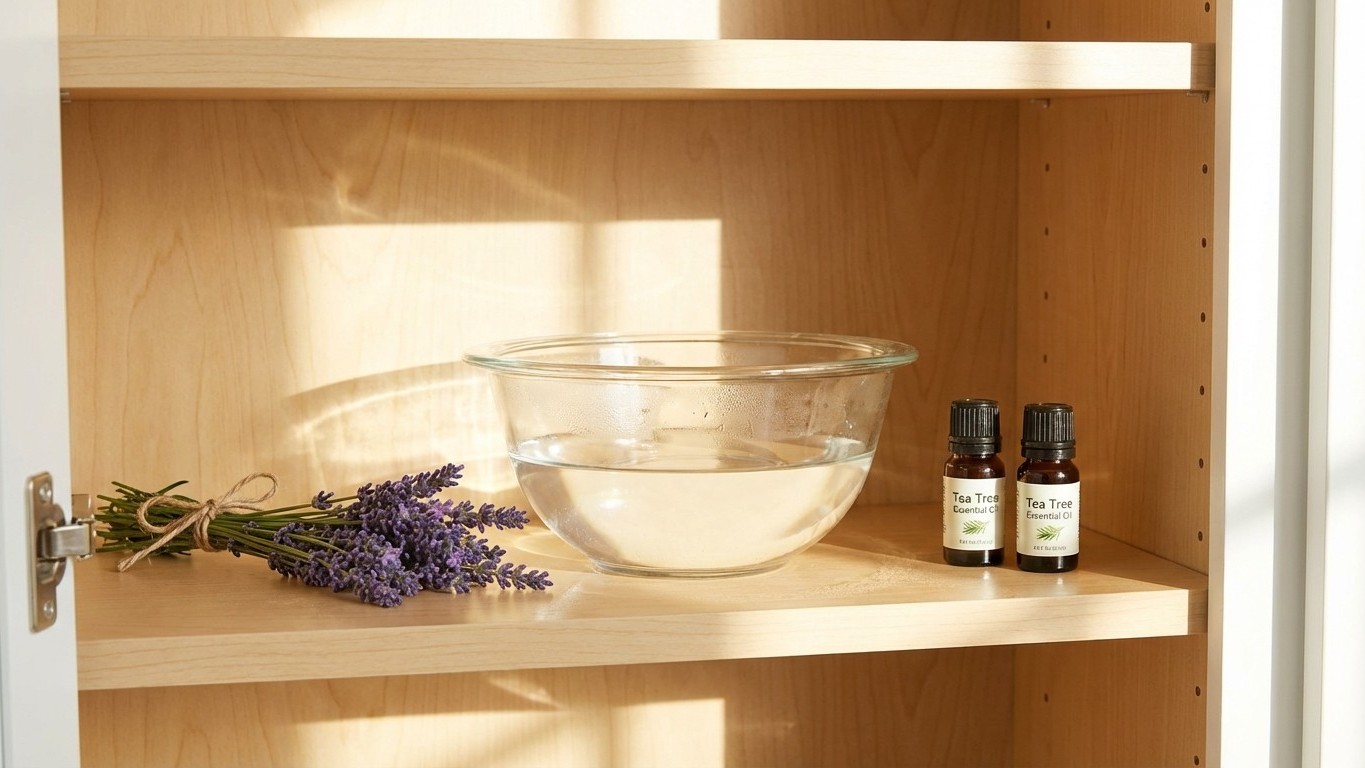
To utilize this method, pour white vinegar into a bowl and place it inside your kitchen cabinets, especially in areas prone to moisture, such as under the sink. Leave the bowl in place for several hours or overnight. The vinegar will neutralize musty odors and absorb moisture, creating an environment less conducive to mold growth. For optimal results, repeat this process regularly, particularly during damp seasons.
Complementary Natural Solutions
While vinegar is effective, combining it with other natural remedies can enhance mold prevention:
- Baking Soda: Known for its moisture-absorbing properties, baking soda can be placed in open containers within cabinets to help keep the air dry.
- Essential Oils: Oils like tea tree and lavender possess antifungal properties. Adding a few drops to a spray bottle filled with water creates a natural mold-preventing spray. Spray this solution on surfaces prone to mold, such as countertops and cabinet interiors.
- Hydrogen Peroxide: A natural disinfectant, hydrogen peroxide can be sprayed onto moldy areas, left to sit for 10 minutes, then wiped clean. This method is effective for both removing existing mold and preventing its return.
Preventive Measures
Beyond these remedies, adopting certain habits can further reduce mold risk:
- Ventilation: Ensure your kitchen is well-ventilated. Use exhaust fans or open windows while cooking to reduce humidity levels.
- Regular Cleaning: Wipe down surfaces regularly to remove food particles and moisture. Pay special attention to areas like under the sink and around the refrigerator.
- Monitor Humidity Levels: Keep indoor humidity between 30-50%. Using a hygrometer can help you monitor these levels. If humidity is consistently high, consider using a dehumidifier.
A Word of Caution
While these natural methods are effective for minor mold issues, significant infestations may require professional intervention. Always wear protective gear when dealing with mold to avoid inhaling spores.
Embracing these old-school, chemical-free hacks keeps your kitchen mold-free. Also, contributes to a healthier indoor environment. Sometimes, the simplest solutions are the most effective.