
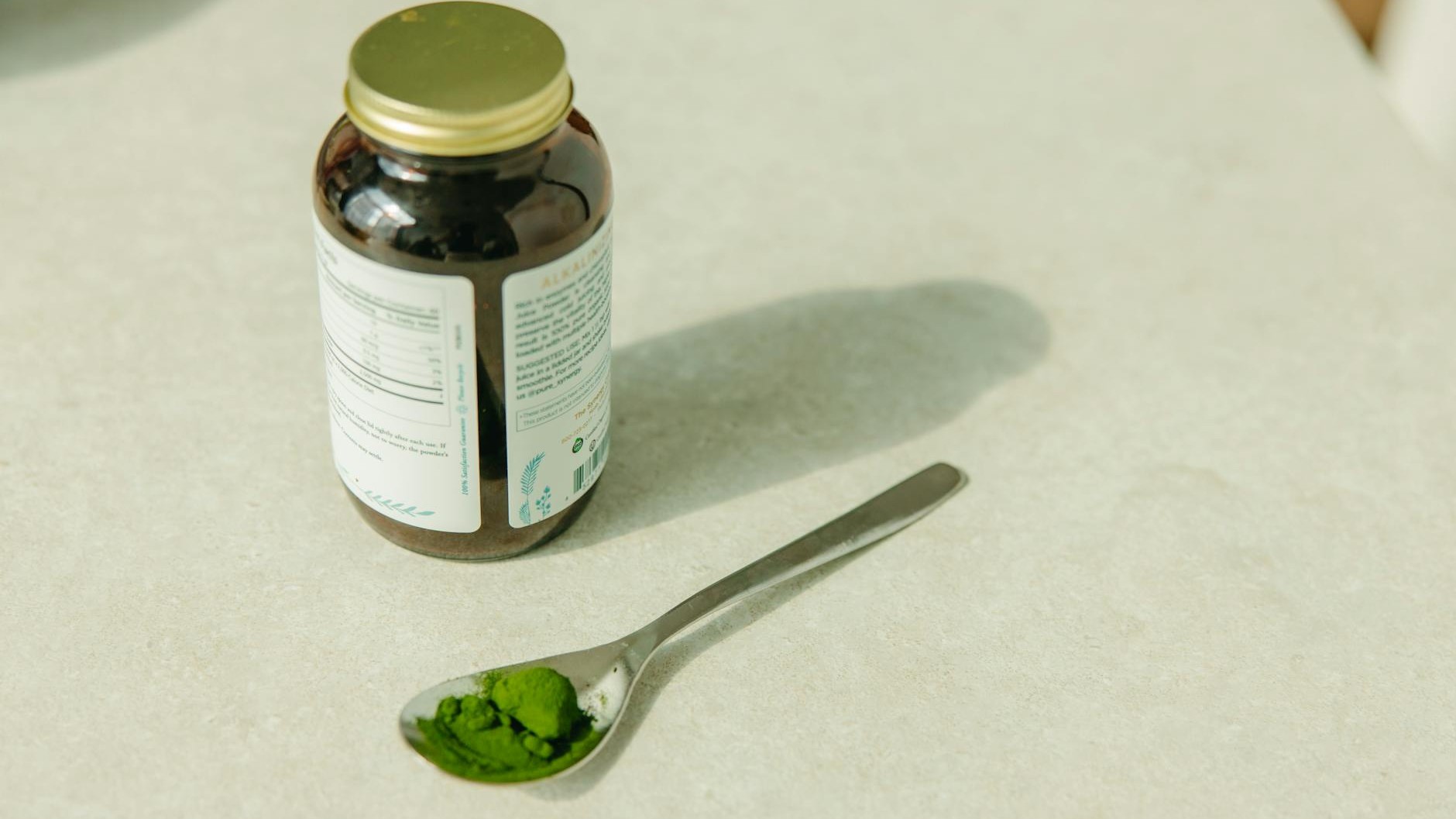
Five years ago, concrete was king. Instagram feeds brimmed with images of chunky candleholders, textured planters, geometric trays, all cast from gray, satisfyingly weighty cement. Fast-forward to 2026, and a new powder has quietly dethroned concrete crafts. The verdict? Faster, lighter, and more versatile. Enter the new era: the rise of stonecast powders.
Key takeaways
- A new powder material promises to replace traditional concrete crafts entirely.
- Stonecast powders cure in under an hour, enabling faster and more versatile DIY projects.
- These mixes offer luxury finishes with eco-friendly, low-toxicity formulas and creative freedom.
The surprising appeal of stonecast powder
You can blame impatience. Concrete projects take hours, sometimes days, to cure fully. Stonecast powder, by contrast, sets in less than an hour, sliding from idea to finished object before your next episode is over. That’s not hyperbole, it’s the experience reported by hundreds of crafters and home enthusiasts who have traded in bulk bags of concrete for neatly sealed tubs of this next-generation mix.
What exactly is stonecast powder? It’s part of a family of mineral-based craft powders, think gypsum, resin-loaded synthetics, or designer “eco mixes” that combine mineral salts with recycled components. The key: extremely fine, pre-hydrated grains that bond rapidly once you add water, resulting in a tough, elegant finish that looks like stone, porcelain, or even smooth clay. No dust clouds, no heavy mixing. Just a scoop of powder, some water, and a few vigorous stirs. The texture? Far smoother than any sidewalk cement. That’s by design — manufacturers spent years refining granule sizes to mimic luxury surfaces. Colorants and additives mix in seamlessly, meaning custom pastel trays and terrazzo-style planters now belong to the amateur.
From Instagram fads to lasting style
Cement crafts had their moment, no question. For a while, the “raw industrial” look felt like a rebellion against mass-produced decor. But things changed. Concrete is unfriendly to delicate surfaces, it scratches tables, chips easily, and weighs as much as a bowling ball in your backpack. Transporting it? Good luck, unless you’re training for a strongman competition. Americans love DIY, but not at the cost of their back muscles.
Stonecast powder flips the script. Picture a set of coasters with marbled swirls, feather-light in your hand, but with the look and density of polished stone. Or imagine making wall hooks strong enough to hold your winter coat, yet weighing less than a deck of cards. Crafters have started hacking silicone cake molds, jewelry bezels, and even vintage Tupperware to create everything from abstract candle stands to sleek art trays. The result isn’t just trendy, it’s transformative. You’re no longer rolling out the same gray planters as everyone else, but designing one-off pieces in colors and patterns as bold or subtle as you like.
I spoke with Jamie, a Milwaukee-based teacher who moonlights as a small-batch decor maker for local markets. Last summer, she switched to mineral powder mixes and cut her production time by more than half. “I used to plan everything two nights ahead, waiting for concrete to dry,” she admits. “Now I can start after dinner and be demolding before bed. My only limit is how many molds I own.”
Breaking down the process: easy, forgiving, beginner-friendly
No need for heavy-duty gloves or protective goggles. Handling these powders feels more like baking than construction. Drizzle water, stir, and pour. Forget the relentless scraping needed to clean up rugged cement, stonecast mixtures rinse away effortlessly, making post-project cleanup painless. Even mistakes become less punishing: if your batch bubbles or cracks, a quick sand or second pour can rescue the object.
Resins in some mixes enable objects to be sanded, drilled, or painted within minutes of setting. Want to embed dried flowers or colored glass? No problem. Pour half the batch, tuck in your inclusions, top it off, and your design is locked in, glassy-smooth. This flexibility has made these powders the medium of choice for TikTok’s new wave of “speed crafters,” people who post hyper-accelerated videos of pouring, demolding, and finishing objects in less than sixty seconds. One New York influencer even built an entire line of rainbow-hued bookends over a single lunch break, racking up millions of views and real revenue from her home studio.
Curious about toxicity and sustainability? That’s another advantage. Most major brands offer low-VOC formulas, often with recycled content. Some mixes leverage reclaimed ceramics or post-consumer glass, shrinking their environmental footprint when compared to traditional portland cement. For indoor use, little to no offgassing or odor. Your kids can help out, and you won’t end up scouring concrete dust from every kitchen crevice.
From hobby to home business, or just a better Saturday afternoon
Stonecast powder’s quick cure and lightweight finish aren’t just about convenience. They unlock possibilities for personalized gifts, last-minute decor tweaks, even low-risk attempts at creating small product lines. Last Christmas, a boom in “tealight altar” sales on Etsy stemmed largely from these powders, easy colors, safe shipping, all made in a single evening. Etsy’s craft category saw thousands of new listings tagged “stonecast,” “mineral resin,” or “plaster chic.” Even the big box stores caught on, rolling out pre-dyed kits aimed at hobbyists who wanted to skip the hassle of concrete but keep the handmade spirit.
Ever mixed up a batch of batter and wished that dessert came together as effortlessly? That’s the appeal here: a DIY material for people who want the result, not the process, to be the real challenge. No more “yet another gray bowl.” This is about creative agency, about finding an analog joy in a digital world, about seeing your idea take shape before enthusiasm has a chance to fade.
The next time you see a shelf lined with supposed “artisan stone” objects, pause for a closer look. Odds are, that elegant terrazzo tray or ethereal marbled vase was whipped up faster than your morning coffee, no cement involved, just creativity freed from the old constraints. The question for makers, then: what could you invent if the only limit was your imagination, not your patience?