
Your garden sits dormant after winter’s grip, but beneath that seemingly lifeless soil, an entire ecosystem awaits awakening. March presents the perfect window to plant species that don’t just beautify your space, they create a lifeline for struggling bee populations while quietly revolutionizing your garden’s natural balance.
The timing matters more than most gardeners realize. Bees emerge from their winter dormancy just as early spring flowers begin blooming, creating a crucial feeding window when food sources remain scarce. Plant the right species now, and you’ll witness something remarkable: your garden transforms from a decorative space into a thriving biodiversity hub that sustains itself year after year.
Key takeaways
- One mature pussy willow supports hundreds of bees daily—but most gardeners have never considered them
- A garden secret: wild bergamot creates exclusive dining experiences that imported plants simply cannot replicate
- Lungwort solves the problem every gardener overlooks—it thrives in the barren shade spots where nothing else blooms
The Early Bloomers That Launch the Season
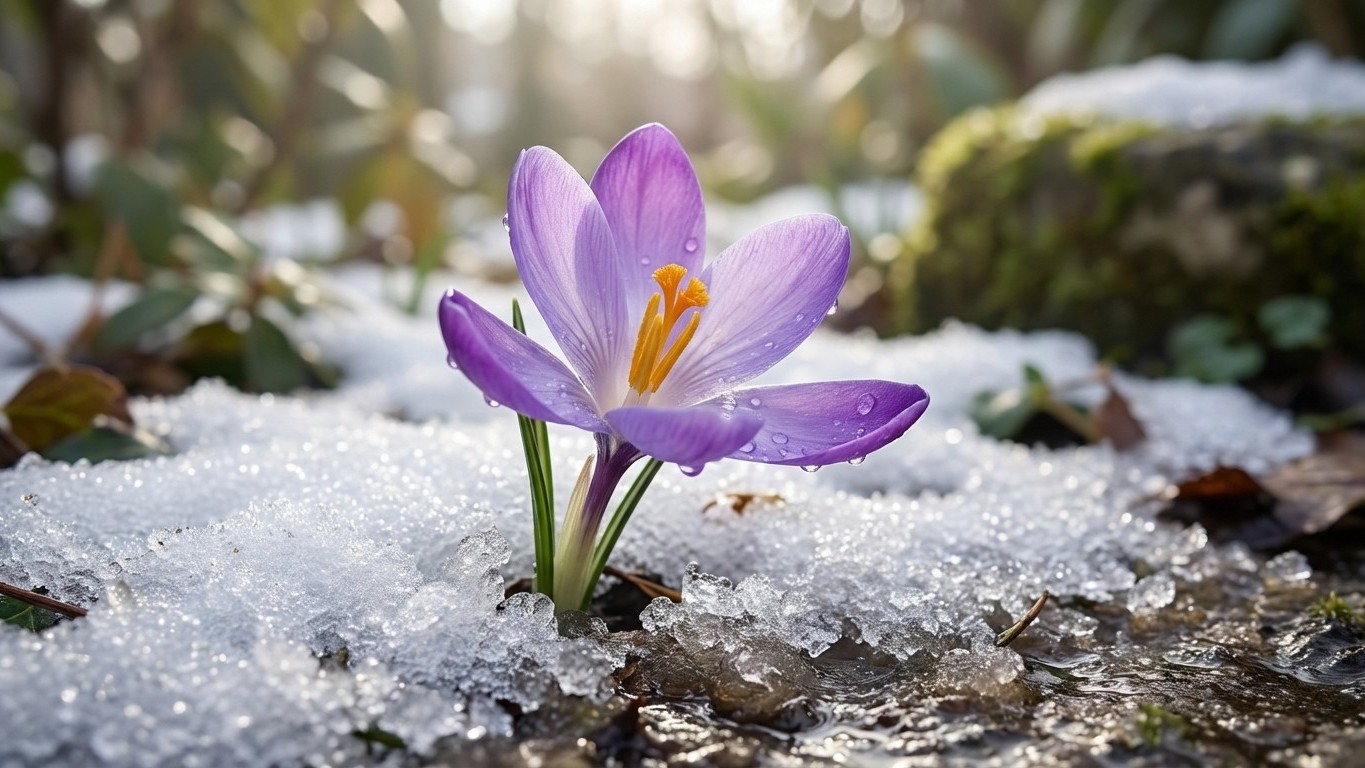
Crocuses deserve the spotlight as March’s champion pollinator plants. These small but mighty bulbs push through the last patches of snow to deliver the season’s first nectar. Plant them in clusters of at least twelve bulbs, scattered single plantings look sparse and provide minimal benefit to foraging bees.
What makes crocuses exceptional? They bloom when temperatures hover just above freezing, exactly when bees need their first post-winter meal. A single crocus flower contains enough pollen to fuel a bee’s initial foraging flights, and planted en masse, they create landing strips of purple, white, and yellow that are visible from considerable distances.
Pussy willows offer something different entirely. These shrubs produce catkins loaded with protein-rich pollen just as queen bees begin establishing new colonies. One mature pussy willow can support hundreds of bees daily during peak bloom, making it the most efficient space-to-benefit ratio of any early spring plant.
The secret lies in their structure. Unlike flowers that hide their reproductive parts, pussy willow catkins expose everything bees need directly on the surface. No energy wasted digging deep into petals, just pure, accessible nutrition when it matters most.
The Powerhouse Perennials
Wild bergamot (bee balm’s wild cousin) creates what experts call a “bee magnet” effect. Plant it once, and it returns stronger each year while spreading naturally through your garden. The tubular flowers perfectly match the tongue length of native bees, creating an almost exclusive dining experience that imported plants simply cannot replicate.
Here’s what most gardeners miss: bergamot’s value extends far beyond bees. The plant naturally repels unwanted insects while attracting beneficial predators that control garden pests. Result? Less pesticide dependency and healthier plant growth throughout your entire garden ecosystem.
Serviceberry bushes deliver triple functionality that transforms them from simple plants into garden workhorses. Early spring brings clouds of white flowers that feed emerging pollinators. Summer produces edible berries that attract birds (natural pest controllers). Fall showcases spectacular orange-red foliage before dropping leaves that enrich your soil.
The root system runs deeper than most gardeners expect, serviceberries tap into moisture reserves other plants cannot reach, making them surprisingly drought-tolerant once established. This resilience means less maintenance while providing maximum ecological benefit.
The Strategic Specialist
Lungwort fills a critical gap that most garden plans overlook. While other plants compete for prime sunny locations, lungwort thrives in partial shade where few flowering options exist. This creates vital feeding stations in otherwise barren areas of your landscape.
The flowers change color as they age, pink buds open to purple blooms that gradually shift to blue. This color progression signals ripeness to bees, essentially creating a traffic light system that maximizes pollination efficiency. Smart bees learn to target the most rewarding flowers while younger blooms continue developing.
Beyond pollinator support, lungwort’s spotted leaves add textural interest that persists long after flowers fade. The plant spreads slowly but steadily, eventually creating natural groundcover that suppresses weeds while requiring minimal care.
Installation Strategy for Maximum Impact
March planting requires strategic thinking about soil conditions. Plant bulbs and bareroot perennials while the ground remains workable but before active growth begins. This timing allows root establishment during cool weather, setting plants up for vigorous spring performance.
Group plantings create far greater impact than scattered individuals. Five crocuses planted together attract more attention, and support more bees, than five crocuses spread across your entire yard. Think in terms of pollinator highways: connected corridors of bloom that guide bees from one feeding station to the next.
Water thoroughly at planting but avoid overwatering as soil warms. Most early bloomers evolved to handle variable spring moisture, but waterlogged roots invite fungal problems that can kill plants before they establish.
These five species represent just the beginning of what’s possible when gardens become ecosystems rather than mere decoration. Each plant you add this March creates ripple effects that extend far beyond your property lines, supporting bee populations that pollinate food crops miles away while building biodiversity that strengthens with each passing season. The question isn’t whether your garden can make a difference, it’s whether you’re ready to see just how profound that difference can be.