
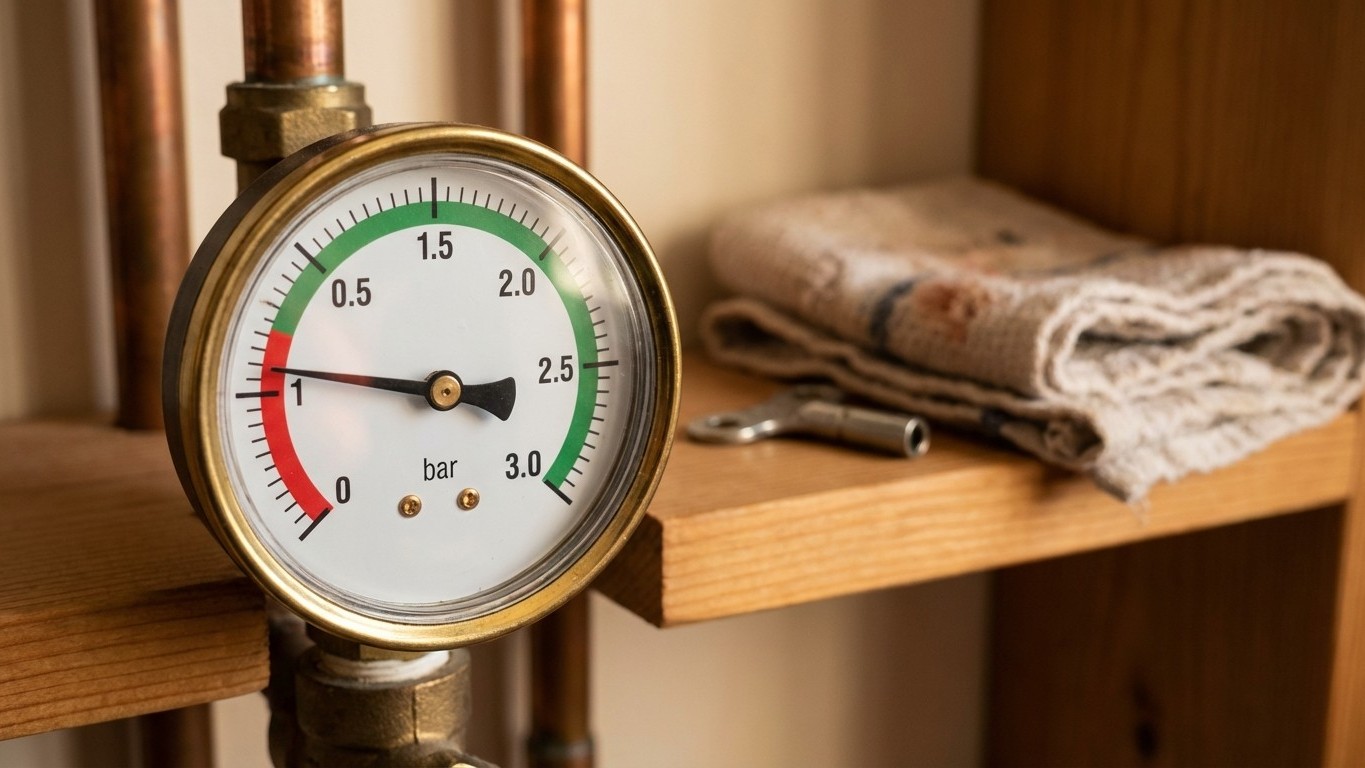
For fifteen years, I religiously bled my radiators every autumn, convinced I was doing everything right to keep my heating system running efficiently. Armed with my trusty radiator key and a towel, I’d methodically work through each radiator in the house, releasing trapped air until water ran clear. Yet my Heating Bills continued to climb year after year, and certain rooms remained frustratingly cold despite my diligent maintenance routine.
The revelation came during a routine boiler service when the engineer casually mentioned something that stopped me in my tracks. “You’ve been bleeding your radiators regularly, I can tell,” he said, “but have you been checking your boiler pressure afterward?” That single question unveiled the costly mistake I’d been making for over a decade – a mistake that was silently sabotaging my heating efficiency and inflating my energy bills.
The Hidden Connection Between Bleeding and Boiler Pressure
When you bleed radiators, you’re not just releasing air – you’re also releasing water from your heating system. Every time that radiator key turns and water spurts out along with the air, your system loses precious water volume. This loss directly impacts your boiler’s pressure, and here’s where the problem begins to compound.
Most modern boilers operate optimally at pressures between 1 and 1.5 bar when the system is cold. When pressure drops below this range – which inevitably happens after bleeding multiple radiators – your boiler struggles to circulate hot water effectively throughout your home. The pump works harder, the boiler fires more frequently, and your entire system becomes dramatically less efficient.
What I didn’t realize during all those years of dutiful radiator maintenance was that I was creating a vicious cycle. I’d bleed the radiators, inadvertently drop the system pressure, then wonder why my heating seemed less effective than before. The boiler would compensate by running longer and more frequently, driving up my energy consumption and costs.
The Pressure Drop That Costs You Money
Low boiler pressure doesn’t just affect efficiency – it can trigger a cascade of problems that hit your wallet hard. When pressure drops significantly, many boilers automatically shut down as a safety measure, leaving you with no heating or hot water until you restore proper pressure. Even when the system continues operating, reduced pressure means reduced flow rates, causing your boiler to work overtime to achieve the same heating results.
The financial impact becomes clear when you consider that a boiler operating at suboptimal pressure can increase energy consumption by 15 to 25 percent. For an average household spending $1,200 annually on heating, this inefficiency could add $180 to $300 to yearly energy bills. Over the fifteen years of my oversight, this simple mistake likely cost me thousands of dollars in unnecessary energy expenses.
The irony wasn’t lost on me – my well-intentioned maintenance routine was actually sabotaging my heating system’s performance. Each autumn, I’d carefully bleed every radiator, then spend the winter wondering why my heating costs kept rising despite my proactive approach to system maintenance.
The Simple Fix That Changed Everything
The solution proved remarkably straightforward once I understood the connection. After bleeding radiators, the crucial next step involves checking and adjusting your boiler pressure. Most boilers have a pressure gauge clearly visible on the front panel, typically showing pressure in bars with colored zones indicating optimal, low, and high-pressure ranges.
If bleeding has dropped your system pressure below the optimal range, you’ll need to repressurise using your boiler’s filling loop – usually a flexible braided hose with valves at each end. The process involves slowly opening these valves to allow mains water into your heating system while watching the pressure gauge climb back to the optimal zone.
Since implementing this complete bleeding routine – removing air AND restoring pressure – the transformation has been remarkable. My radiators heat more evenly, rooms reach target temperatures faster, and my boiler cycles less frequently. Most importantly, my heating bills dropped noticeably the very first winter after correcting this longtime oversight.
Prevention and Long-term System Health
Understanding this pressure relationship has changed how I approach heating system maintenance entirely. Now I view radiator bleeding and pressure checking as inseparable parts of a single maintenance task, never attempting one without the other. This holistic approach has not only improved heating efficiency but also reduced wear on my boiler pump and extended component lifespan.
Regular pressure monitoring has also revealed patterns in my system’s behavior. I’ve learned to anticipate when radiators might need bleeding based on gradual pressure increases, allowing for more proactive maintenance that keeps everything running smoothly.
The lesson extends beyond just radiator maintenance – it highlights how seemingly minor oversights in home maintenance can create expensive long-term consequences. That missing step of pressure adjustment was such a small addition to my routine, yet it was the key to unlocking significant energy savings and improved comfort throughout my home. For anyone still skipping this crucial final step in radiator bleeding, the potential savings in both money and frustration make it absolutely worth incorporating into your heating maintenance routine.