
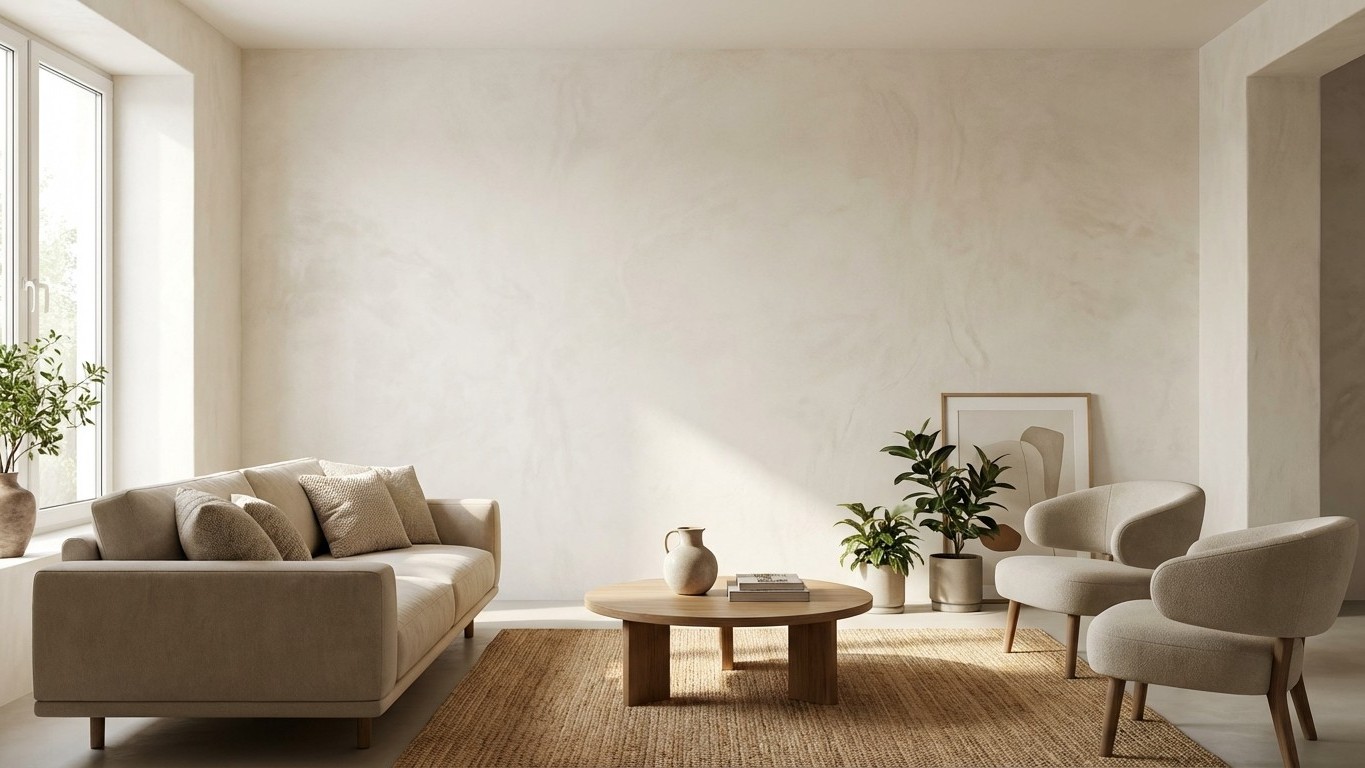
Interior designers and homeowners are quietly abandoning the flat paint trend that dominated the last decade, embracing instead a wall treatment technique that predates modern civilization. Limewash, the ancient plastering method once reserved for Mediterranean villas and historic estates, is experiencing an unprecedented renaissance in contemporary homes across America.
This shift represents more than just another design fad. As we move into 2026, the sterile perfection of flat painted walls feels increasingly cold and disconnected from our desire for authentic, tactile experiences in our living spaces. Limewash offers something that modern paint simply cannot: a living, breathing surface that evolves with time and light, creating depth and character that speaks to our fundamental human need for texture and imperfection.
The Ancient Art Meets Modern Sensibilities
Limewash has been protecting and beautifying walls for over 10,000 years, from ancient Roman structures to Tuscan farmhouses. Made from limestone that has been fired in a kiln and then mixed with water, this natural material creates a unique crystalline structure that literally bonds with masonry surfaces. Unlike paint that sits on top of walls, limewash becomes part of the substrate, creating an incredibly durable finish that actually strengthens over time.
What makes limewash particularly appealing to contemporary designers is its ability to create subtle color variations across a single wall. The application technique, using cross-hatched brush strokes or cloud-like movements, produces an organic mottling effect that cannot be replicated with modern paints. This natural variation catches and reflects light differently throughout the day, creating walls that appear to glow from within during golden hour and develop rich, deep shadows in evening light.
The environmental benefits of limewash align perfectly with growing sustainability consciousness among homeowners. Unlike synthetic paints that can off-gas volatile organic compounds for months after application, limewash is completely natural and actually improves indoor air quality. Its high pH level creates an inhospitable environment for mold and bacteria, making it an ideal choice for homes in humid climates or areas prone to moisture issues.
Transforming Modern Interiors
The beauty of limewash lies in its versatility and ability to complement both minimalist and maximalist design approaches. In modern farmhouse interiors, limewash walls provide the perfect backdrop for clean lines and industrial elements, softening harsh angles with their organic texture. The subtle imperfections and natural color variations add warmth to spaces that might otherwise feel stark or institutional with flat paint.
Contemporary urban apartments are finding new life through limewash applications that create gallery-like backdrops for art collections. The slight texture eliminates the harsh reflections common with flat paint under artificial lighting, while the depth of color creates sophisticated environments that feel both modern and timeless. Unlike wallpaper or other textural treatments, limewash provides interest without competing for attention.
Color possibilities with limewash extend far beyond the traditional white and cream associations. Modern formulations offer everything from deep charcoal and sage green to warm terracotta and soft blush tones. The unique way limewash accepts and reflects pigment creates colors that appear to have been naturally weathered by sun and time, offering depth that flat paint simply cannot achieve.
The Application Revolution
Professional application techniques have evolved significantly, making limewash more accessible than ever before. While traditional methods required extensive training and experience, contemporary applicators have developed streamlined processes that can transform a room in a single day. The key lies in understanding the material’s working time and building up color gradually through multiple thin coats rather than attempting to achieve full coverage in one application.
The texture possibilities range from smooth, almost paint-like finishes to dramatically rustic surfaces that showcase the full character of the material. Skilled applicators can create everything from subtle cloud effects to bold, sculptural textures that serve as focal walls in contemporary spaces. This adaptability means limewash can work equally well in a sleek penthouse or a restored historic home.
Maintenance concerns that once deterred homeowners from choosing limewash have been largely addressed through improved formulations and application techniques. Modern limewash finishes can last decades with minimal care, and when touch-ups are needed, they blend seamlessly with existing surfaces. Unlike paint, which often requires complete recoating when damaged, limewash can be spot-repaired and refreshed without visible patches or color variations.
Embracing Imperfection
The return to limewash reflects a broader cultural shift away from digital perfection toward authentic, handcrafted experiences. In an age where so much of our visual environment is artificially created and manipulated, the honest irregularities of limewash provide a welcome connection to natural materials and traditional craftsmanship. Each limewashed wall becomes unique, carrying the subtle signature of its application and developing its own patina over time.
This movement toward textural walls represents more than just aesthetic preference; it signals a fundamental change in how we want to experience our living spaces. As remote work continues to blur the boundaries between public and private environments, homeowners are seeking interior solutions that provide sensory richness and emotional comfort. Limewash delivers both, creating spaces that feel grounded and nurturing while maintaining sophisticated visual appeal.
The future of interior wall treatments is clearly moving toward materials that offer both beauty and authenticity. Limewash provides exactly what modern homeowners crave: a connection to natural materials, environmental responsibility, and the irreplaceable character that comes from time-tested techniques. As we continue into 2026, expect to see this ancient craft becoming the new standard for discerning homeowners who understand that true luxury lies not in perfection, but in the honest beauty of natural materials expertly applied.