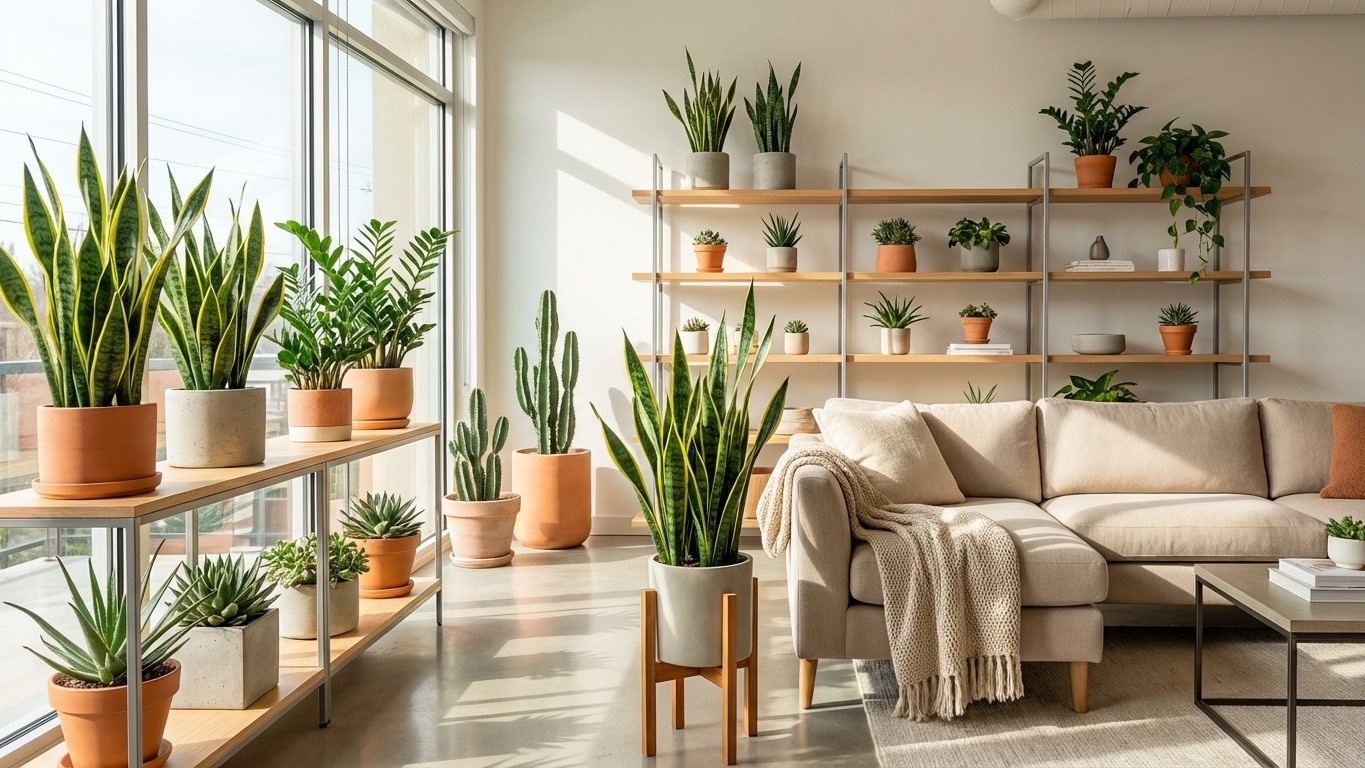
The guilt was unbearable. Every time I planned a vacation or weekend getaway, the same anxiety crept in: who would water my plants? I’d sheepishly knock on my neighbor’s door, apologizing profusely while handing over detailed care instructions that made plant-sitting seem like a part-time job. The irony wasn’t lost on me—my love for greenery was becoming a prison of responsibility.
That changed completely when I discovered a world of plants that actually prefer neglect. These botanical survivors don’t just tolerate irregular watering and minimal fussing—they thrive on it. My apartment transformed from a high-maintenance greenhouse into a low-key urban jungle, and my neighbors finally got their weekends back.
The Liberation of Low-Maintenance Greenery
The revelation came during a particularly stressful period when I’d killed three houseplants in two months. Overwatering, it turned out, was my fatal flaw. While researching drought-resistant options, I stumbled upon the fascinating world of plants that have evolved to survive in harsh conditions. These species developed sophisticated water storage systems and protective mechanisms that make them virtually indestructible under normal indoor conditions.
Succulents became my gateway drug into neglectful gardening. Beyond the trendy varieties Everyone recognizes, there’s an entire universe of sculptural plants that store water in their thick, fleshy leaves. Snake plants, with their architectural upright leaves, can go weeks without water while continuing to purify your air. The ZZ plant, often called the “impossible to kill” houseplant, actually yellows and drops leaves when given too much attention—a clear sign it prefers benign neglect.
What struck me most was how these plants seemed to sense my new hands-off approach. The more I ignored them, the more they flourished. My jade plant, once struggling under my anxious daily check-ins, began producing new growth when I switched to monthly watering. The transformation wasn’t just in my plants—it was in my entire relationship with indoor gardening.
Understanding the Science of Survival
These neglect-loving plants share common survival strategies that make them perfect for busy lifestyles or forgetful gardeners. Many store water in specialized tissues, allowing them to draw from internal reserves during dry periods. Others have waxy coatings or reduced leaf surfaces that minimize water loss through evaporation.
Drought-resistant plants also tend to have slower metabolisms, meaning they process nutrients and water at a leisurely pace. This biological efficiency translates into plants that can sit contentedly in the same pot for years without demanding repotting, fertilizing, or constant monitoring. They’ve essentially evolved to be the perfect roommates—independent, self-sufficient, and drama-free.
The root systems of these plants often surprise people with their efficiency. Rather than spreading wide networks of thirsty roots, many develop deep taproots or specialized storage roots that maximize water uptake during infrequent watering sessions. This means when you do remember to water them, they make the most of every drop.
Building Your Neglect-Friendly Plant Collection
Starting a low-maintenance plant collection requires a shift in mindset more than anything else. The hardest part for many plant parents is resisting the urge to intervene. These plants communicate their needs differently—instead of drooping dramatically like tropical varieties, they simply pause their growth or slightly change color when they need attention.
Cacti represent the extreme end of the neglect spectrum, with some varieties requiring water only once every few months. Their diverse forms, from tall columnar species to small round cushions, offer endless aesthetic possibilities Without the maintenance headaches. Desert roses and other succulent flowering plants add bursts of color while maintaining the same hands-off care requirements.
Air plants take the concept even further, requiring no soil at all. These epiphytes absorb moisture and nutrients directly from the air, needing only occasional misting or brief soaking sessions. They can be mounted on walls, nestled in terrariums, or simply placed on shelves, creating stunning displays that require minimal intervention.
The Unexpected Joy of Plant Independence
Perhaps the most surprising discovery in my journey toward neglectful gardening was how much more I began to appreciate my plants. Without the constant worry of overcare, I started noticing subtle changes—new growth patterns, seasonal color shifts, and the slow architectural evolution of each specimen. My plants became meditation objects rather than sources of anxiety.
The practical benefits extended far beyond vacation planning. My morning routine simplified dramatically without the need for daily plant check-ins. Weekend trips became spontaneous possibilities rather than carefully planned events requiring plant-sitting arrangements. Even during busy work periods, I knew my green companions were thriving independently.
This approach also proved more economical in the long run. Hardy, neglect-loving plants tend to live longer and require fewer replacements than their high-maintenance cousins. They rarely need special fertilizers, frequent repotting, or expensive equipment to maintain optimal conditions. The initial investment in quality neglect-loving varieties pays dividends in reduced ongoing costs and effort.
My neighbor still stops by occasionally, but now it’s for coffee rather than plant emergency interventions. We both laugh about the elaborate care instructions I used to provide, and she’s started building her own collection of beautifully independent plants. Sometimes the best relationships—whether with people or plants—are built on mutual respect for personal space and individual needs.