Bring Outdoor Plants Inside Without Inviting Pests: Your Fall Transition Checklist

Bring Outdoor Plants Inside Without Inviting Pests: Your Fall Transition Checklist
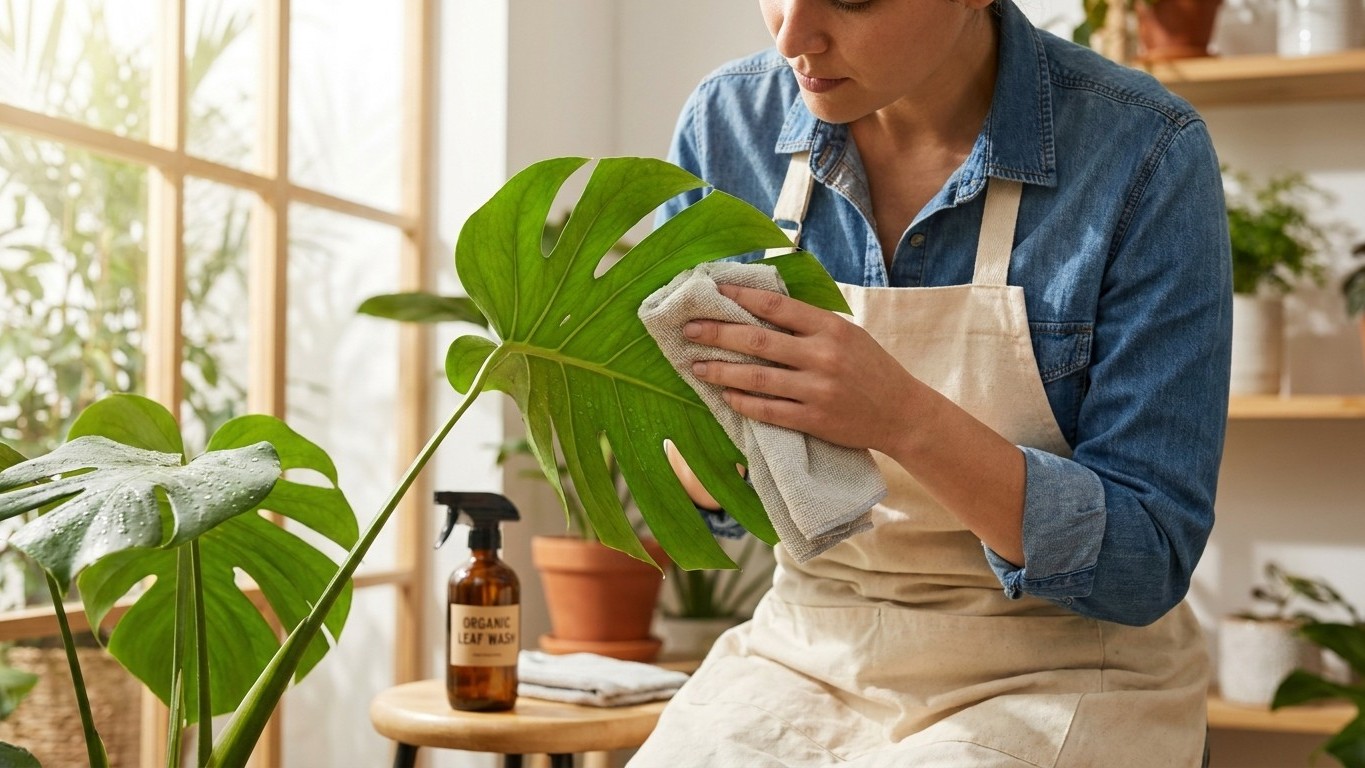
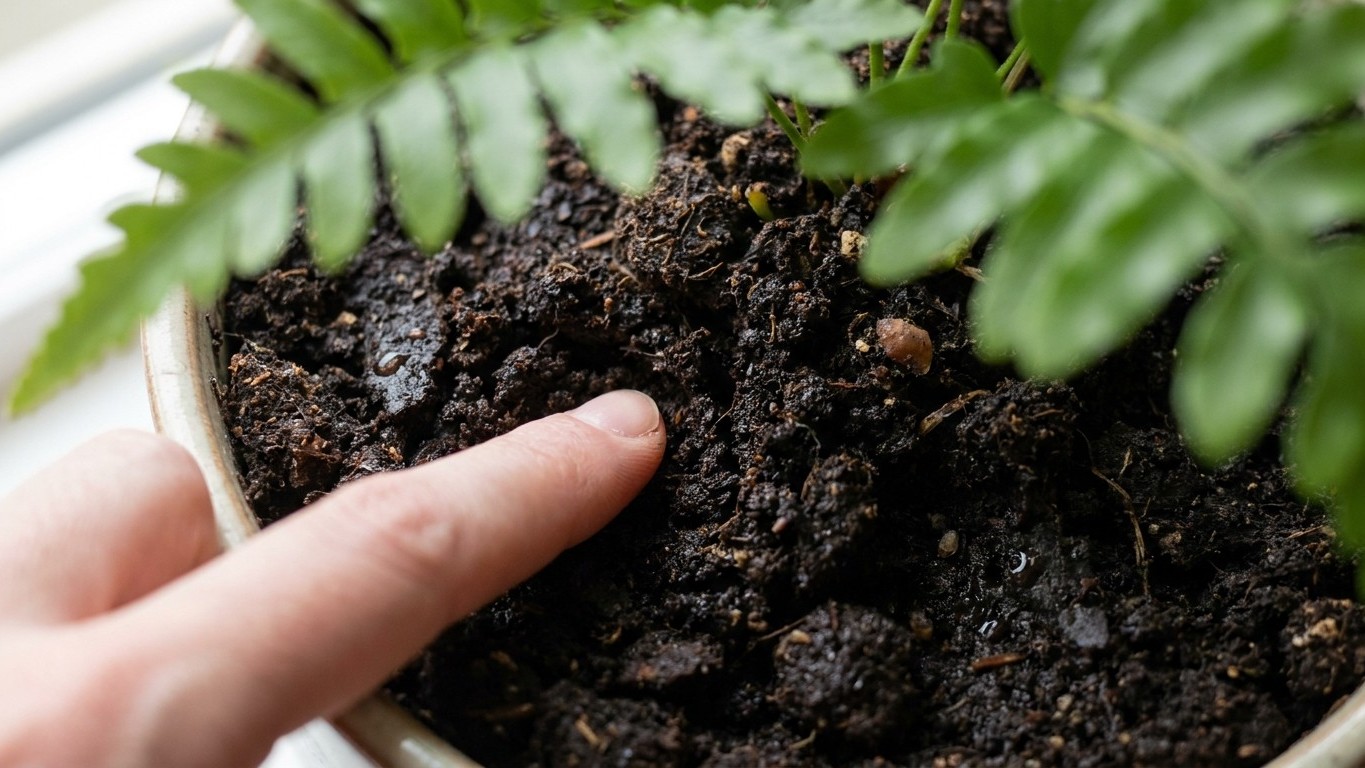
As temperatures drop, moving outdoor plants inside requires more than just carrying them through the door. A thorough pest inspection and leaf cleaning prevents spider mites, aphids, and fungus gnats from hitchhiking into your living room and colonizing your entire plant collection.
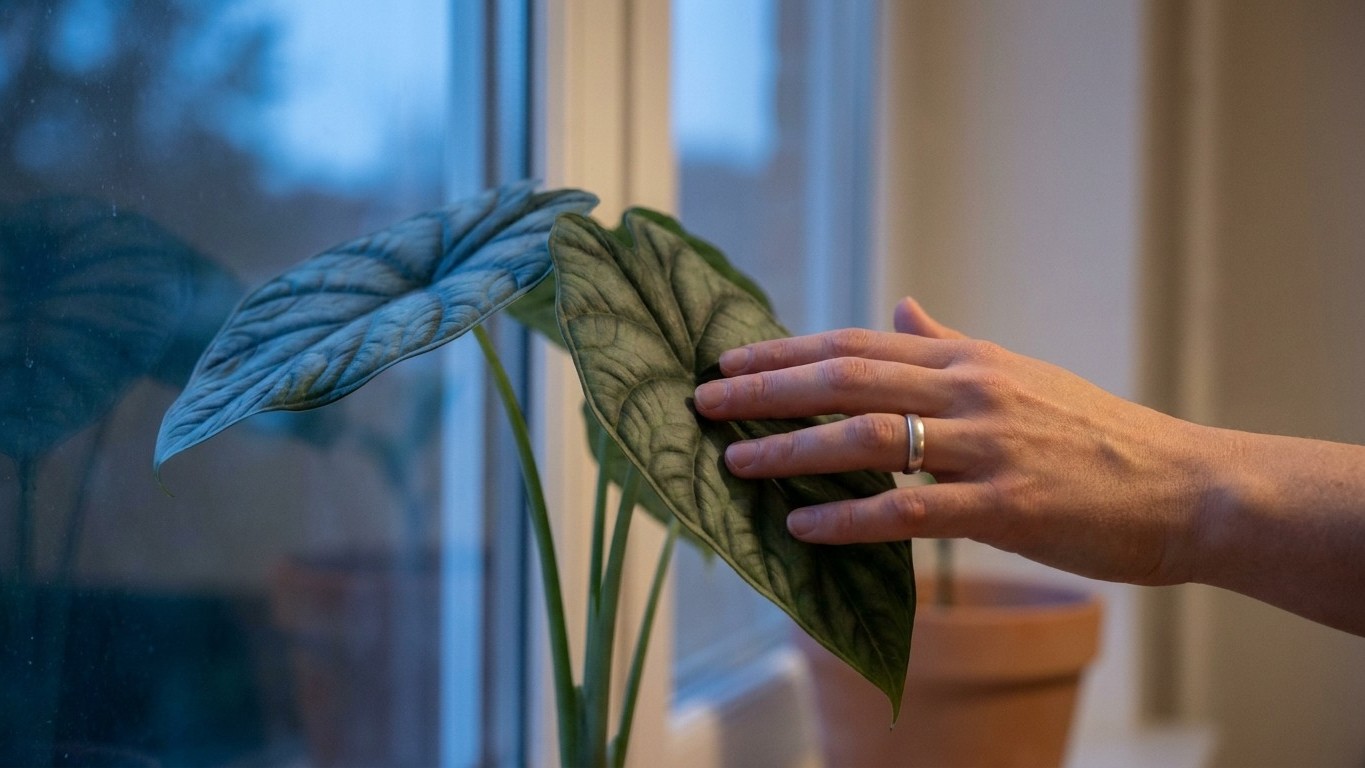
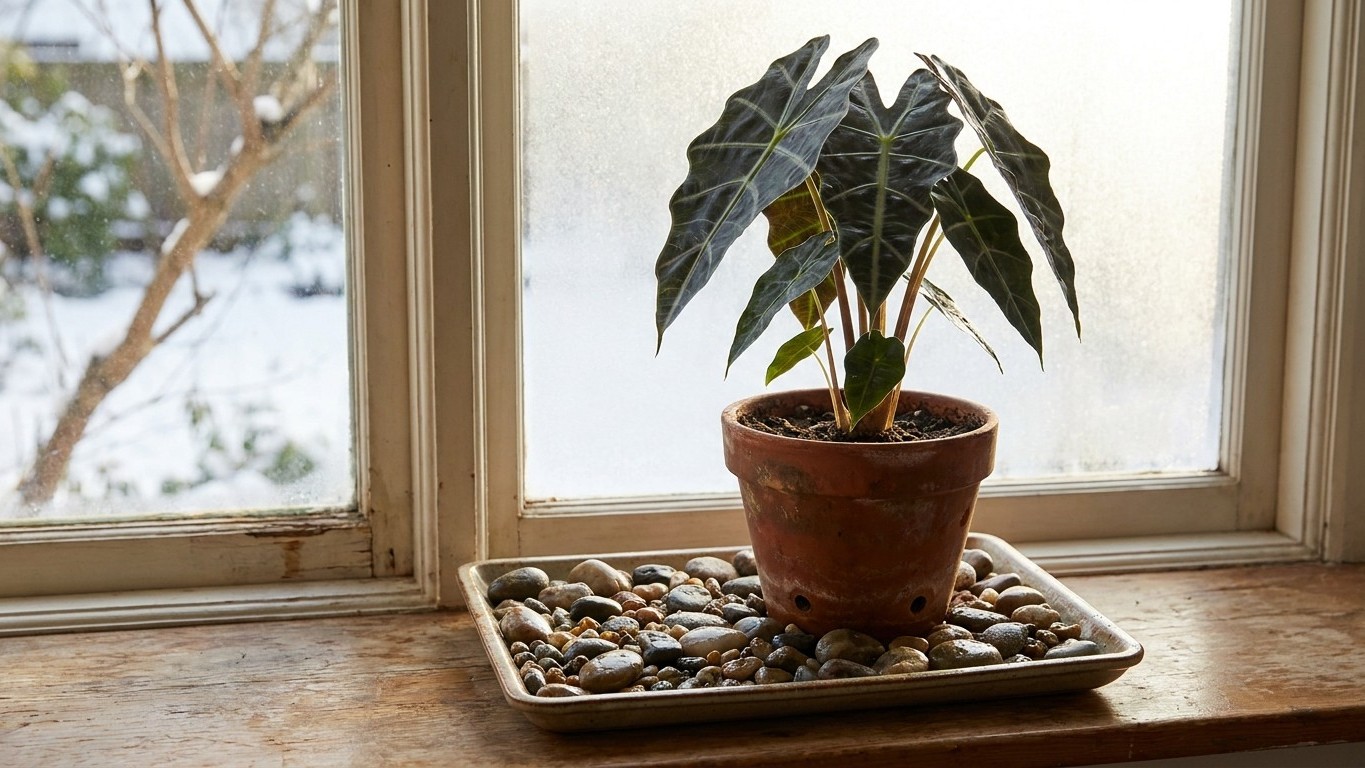
Slide your hand between your alocasia and the window glass after dark and hold it there: it’s the test growers do before blaming anything else

Slide your hand between your alocasia and the window glass after dark and hold it there: it's the test growers do before b...

Experienced growers perform a simple test before adjusting watering or fertilizer: they slide a hand between an alocasia’s leaves and the window glass after dark to detect hidden cold pockets. Window glass can drop 15–20°F below room temperature, mimicking nearly every other houseplant problem. This diagnostic shortcut reveals whether temperature stress is the real culprit.

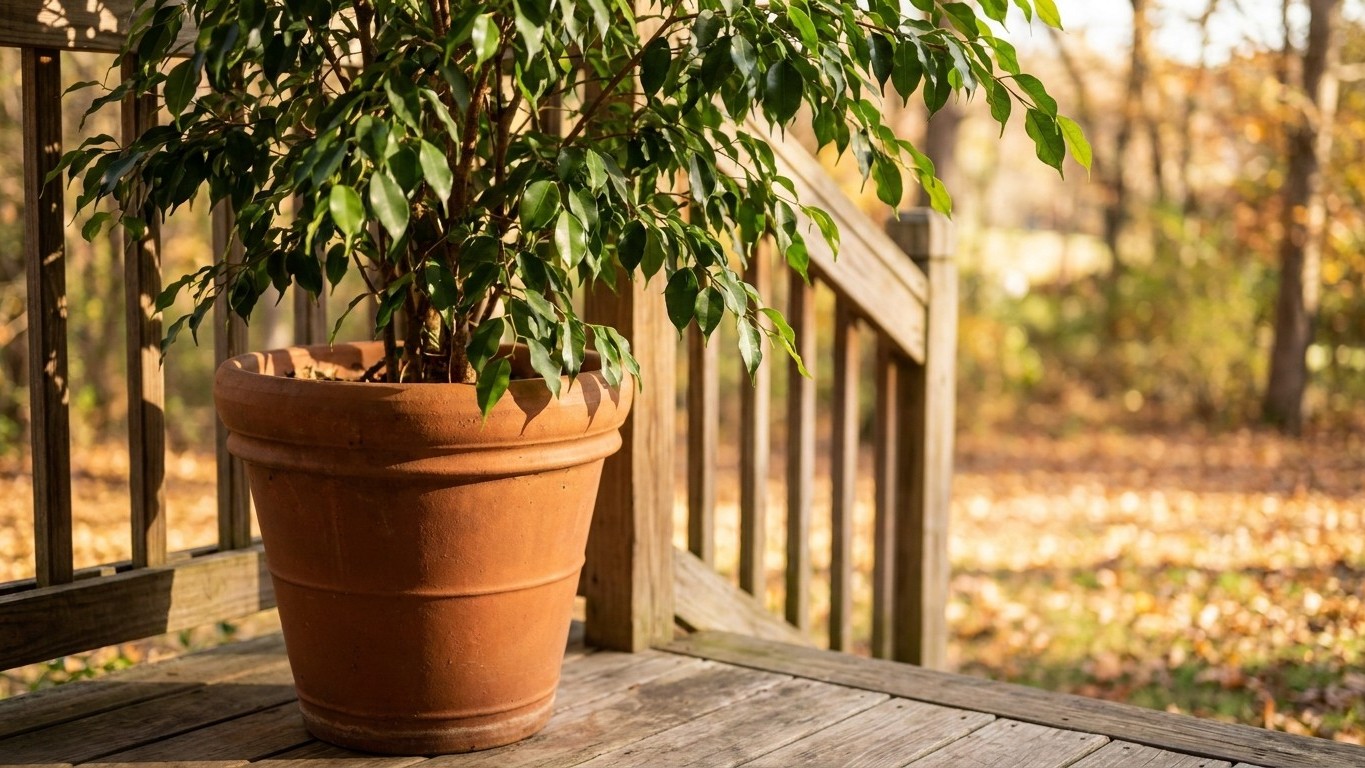
We all keep bringing our ficus straight indoors at the first chill, when it’s the three weeks before that decide whether it keeps a single leaf

We all keep bringing our ficus straight indoors at the first chill, when it's the three weeks before that decide whether i...

Most plant owners bring their ficus indoors when the first frost hits—and watch it shed leaves for weeks. The real damage happens earlier. A simple three-week gradual transition before moving the plant indoors prevents the shock that causes massive leaf loss.

My neighbour stands every ficus and alocasia pot on a tray of wet gravel the week the heating goes on, and it’s not to water them less

My neighbour stands every ficus and alocasia pot on a tray of wet gravel the week the heating goes on, and it's not to wat...

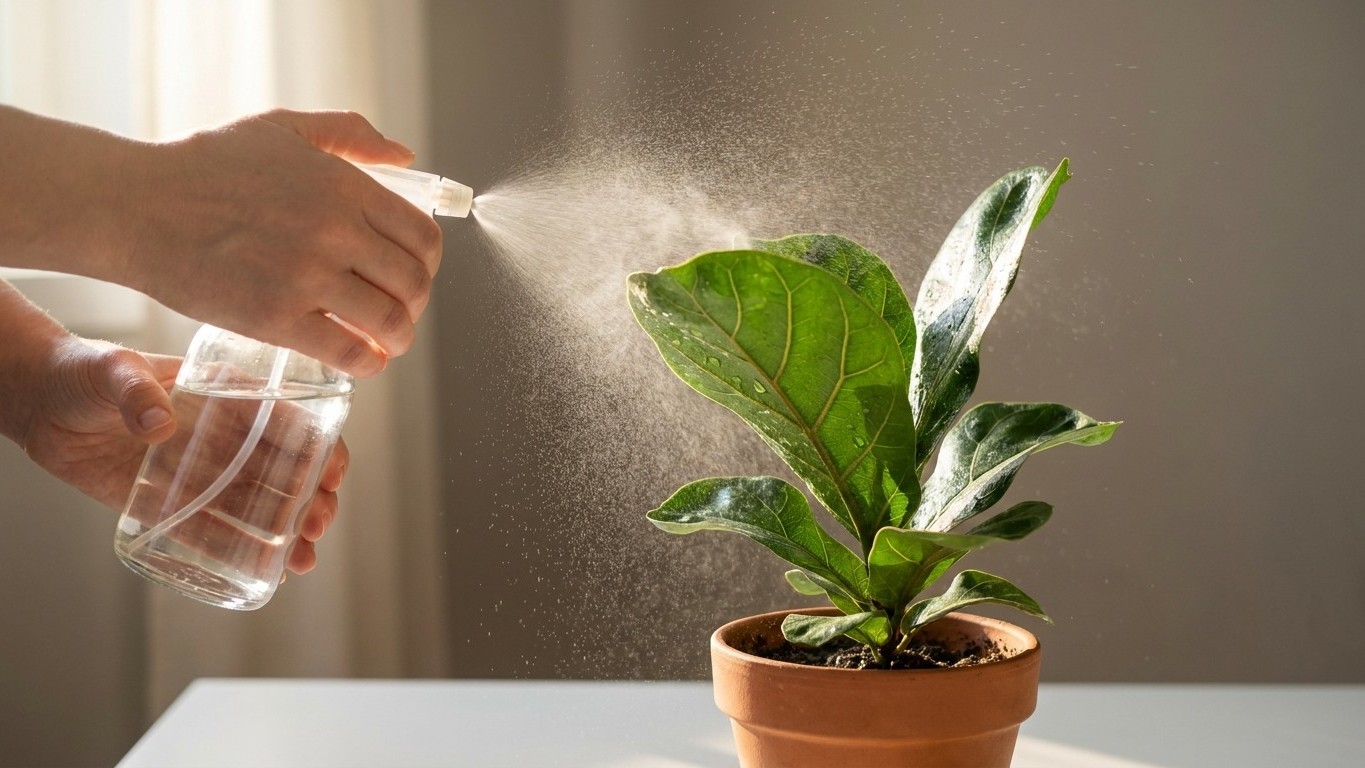
When heating season arrives, savvy plant parents pull out shallow trays of wet gravel—but not for the reasons you’d think. This deceptively simple trick targets the real enemy: furnace-induced humidity collapse that tropical plants can’t survive. Here’s what the science actually says.

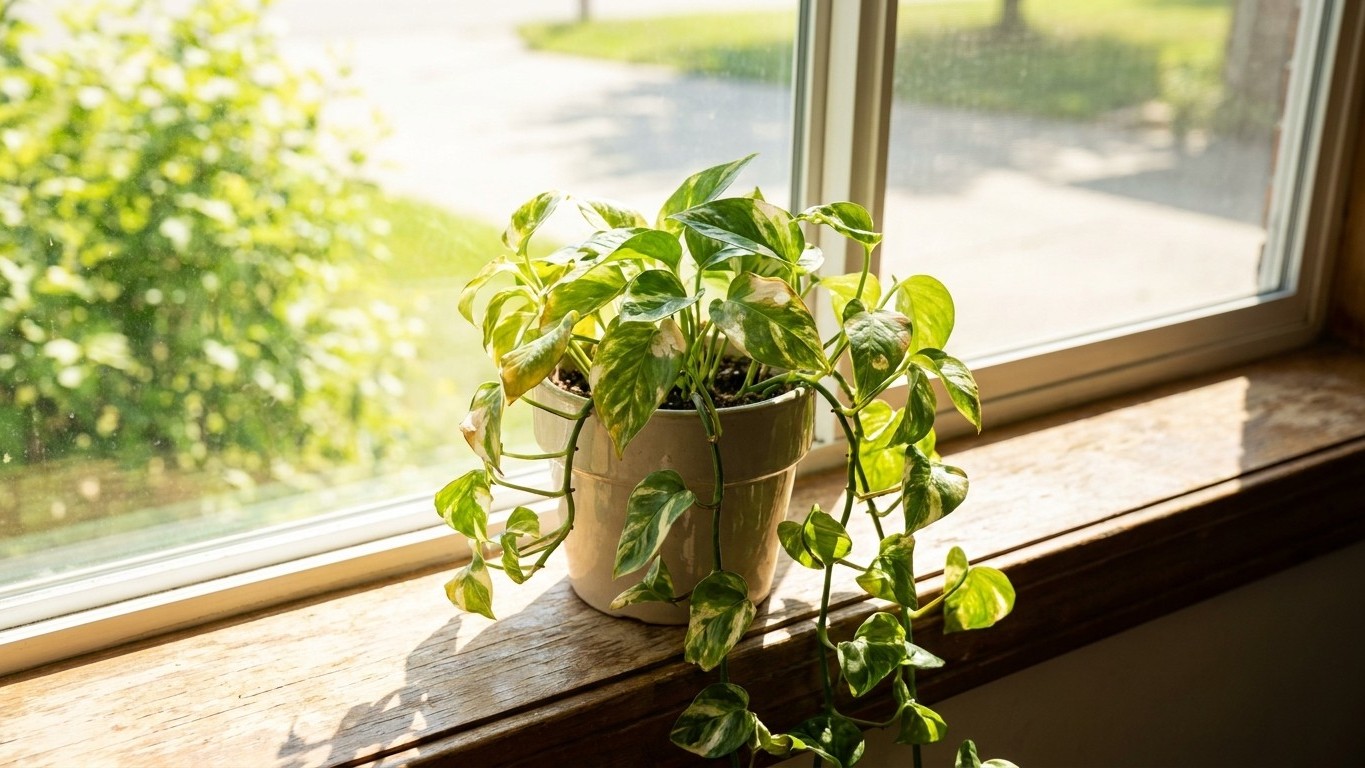
We all keep pushing our houseplants tight against the glass in summer, when a few degrees more behind that pane is all it takes to double what’s living under the leaves

We all keep pushing our houseplants tight against the glass in summer, when a few degrees more behind that pane is all it ...

That sunny windowsill you love? Glass turns it into a heat trap that can double spider mite colonies in just five days. The fix is shockingly simple—and costs nothing.

I dusted diatomaceous earth over my houseplant pots just to be rid of the fungus gnats: after one watering, I understood why they were all back

I dusted diatomaceous earth over my houseplant pots just to be rid of the fungus gnats: after one watering, I understood w...

You dusted diatomaceous earth on your plant soil, watered once, and watched the gnats return. It’s not bad luck—it’s materials science. Learn why moisture destroys DE’s effectiveness and the exact routine that finally works.

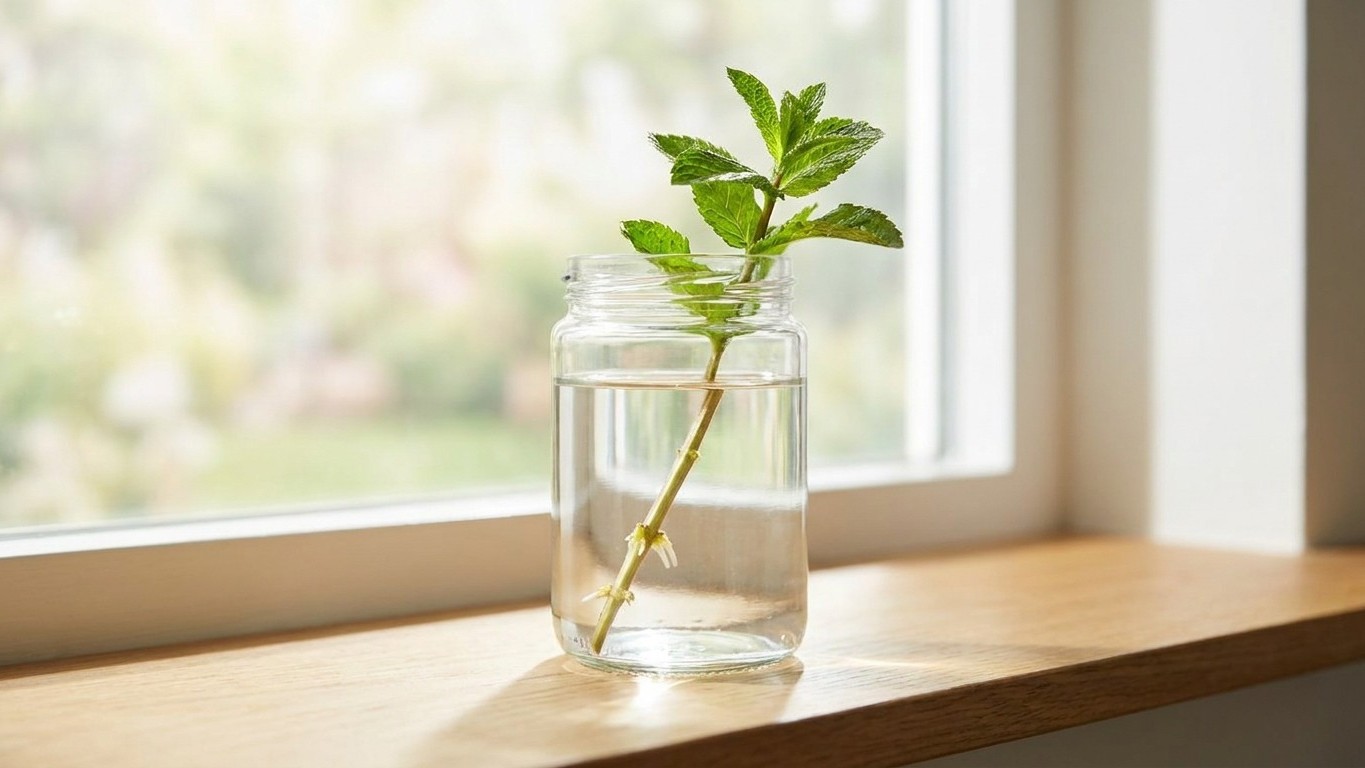
We all insist on rooting mint in a glass of water, although these roots are missing the one thing that lets them survive in soil

We all insist on rooting mint in a glass of water, although these roots are missing the one thing that lets them survive i...

That glass of water makes mint roots appear magically fast, but those aren’t the roots your plant needs for survival in soil. Water-rooted cuttings lack the microscopic root hairs essential for gripping soil particles and absorbing nutrients, causing sudden wilting within days of potting. Understanding this root transformation is the key to propagation success.

We all keep hanging sticky traps above our houseplants, yet the whole thing is breeding in the top inch of soil that nobody ever touches

We all keep hanging sticky traps above our houseplants, yet the whole thing is breeding in the top inch of soil that nobod...

Those yellow sticky traps above your plants catch flying gnats, but they’re only treating the symptom. The real maternity ward sits in the top inch of potting soil, where larvae hatch every two to three weeks in an endless cycle. Stop fighting the adults and start eliminating the breeding ground.

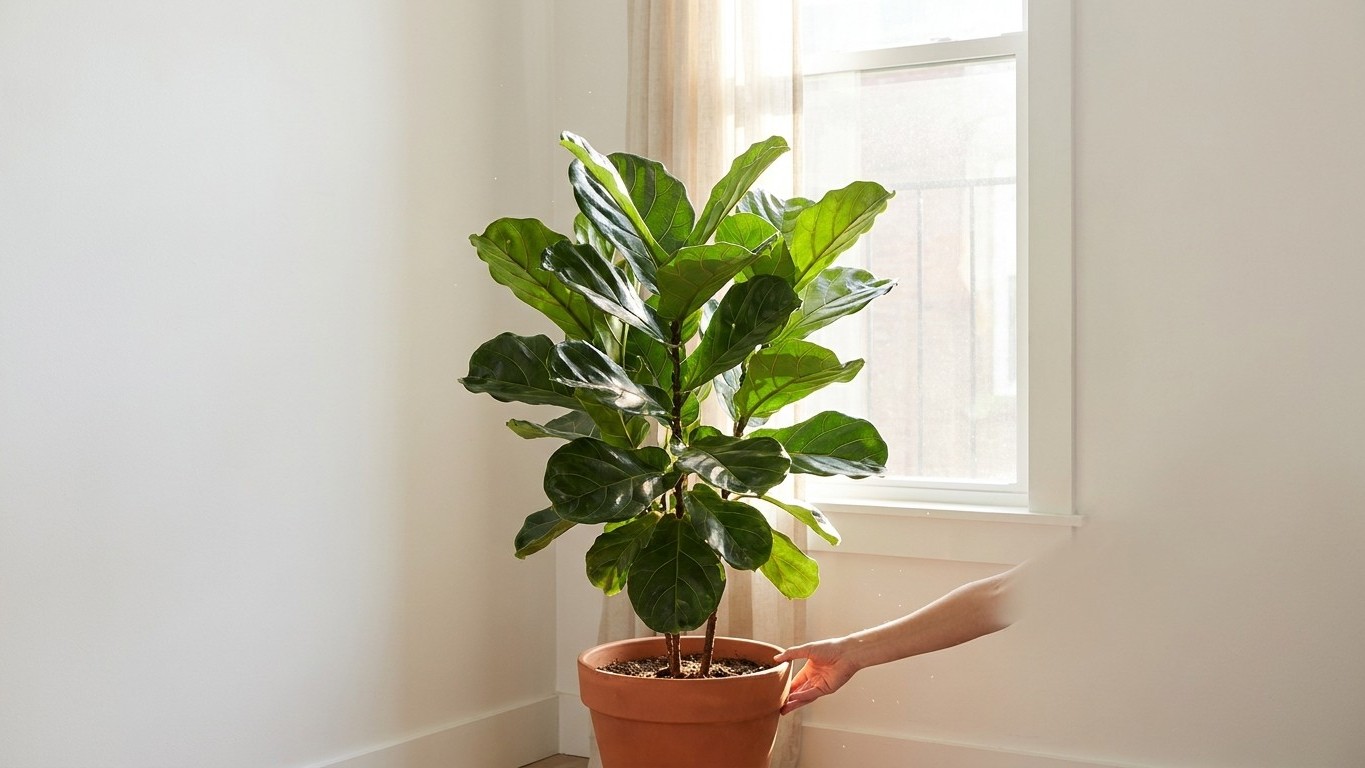
I moved my fiddle leaf fig from room to room to find better light: after the third move, I understood what I was doing to every single leaf

I moved my fiddle leaf fig from room to room to find better light: after the third move, I understood what I was doing to ...

Moving your fiddle leaf fig from room to room might seem like the solution to poor growth, but each relocation triggers stress that causes rapid leaf drop. The real problem isn’t finding perfect light—it’s understanding that stability matters more than the search.

Natural Houseplant Pest Control: Master Soap Spray and Neem Oil with a Proven Isolation Routine

Natural Houseplant Pest Control: Master Soap Spray and Neem Oil with a Proven Isolation Routine

Spider mites can colonize your houseplants in days, but a calm, repeatable pest management routine beats any miracle spray. Master the natural treatments that work—insecticidal soap and neem oil—plus the isolation strategy that prevents reinfestation and protects your entire collection.