
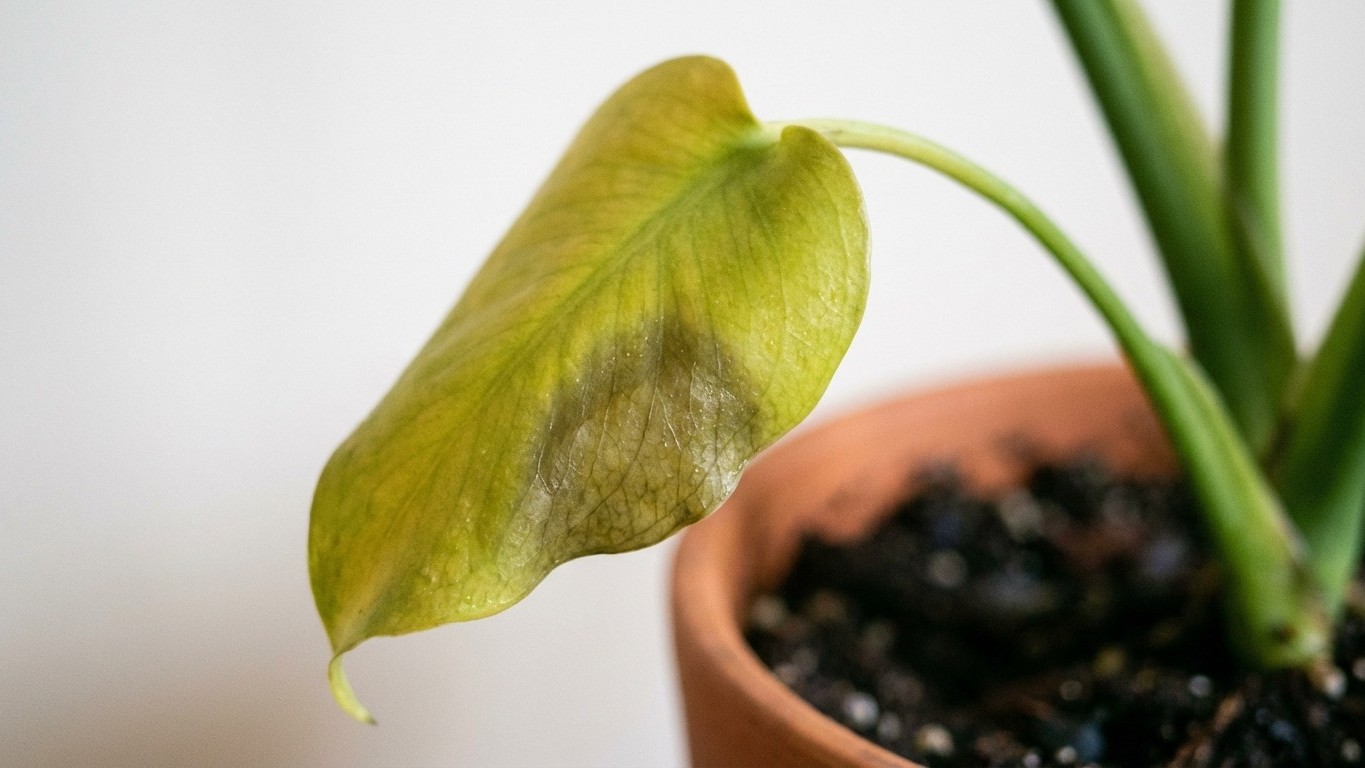
The leaves looked fine. A little droopy, maybe, but nothing alarming. So I kept watering every Sunday, like clockwork, convinced I was being a responsible plant parent. Three weeks later, the roots were rotting.
Overwatering is quietly responsible for more houseplant deaths than neglect ever will be. The cruel irony is that a drowning plant often looks like a thirsty one, wilting, softening, losing color. So the instinct kicks in: water it more. And that’s exactly how the cycle spirals.
The silent sign that finally stopped me in my tracks? Yellow leaves that felt strangely mushy at the base. Not crispy, not dry-edged. Soft. Waterlogged. There’s a world of difference between the two, and once you know what to look for, you can’t unsee it.
Key takeaways
- Your rigid watering schedule might be the enemy, not your friend
- Overwatered plants send completely different distress signals than thirsty ones
- One overlooked clue could save your plant from root rot and death
What “overwatered” actually looks like up close
Most plant guides warn about brown leaf tips and tell you to water more. That’s good advice, for underwatering. But overwatering sends different distress signals, and they’re subtle enough that millions of plant owners miss them entirely. Think about this: the soil stays damp for more than ten days after watering. That alone should raise a flag.
The leaves of an overwatered plant tend to yellow from the bottom up, starting with the oldest growth nearest the soil. They don’t crinkle or feel papery. Press one gently between your fingers, and it has an almost swollen, limp quality, like a leaf that’s been left in a glass of water too long. That texture is cell damage. The roots, deprived of oxygen by constantly saturated soil, can no longer move nutrients upward efficiently. The plant is, technically, suffocating.
There’s another clue that often goes unnoticed: a faint sour or musty smell coming from the pot. Healthy, well-draining soil smells earthy and neutral. Waterlogged soil develops anaerobic bacteria, and they have an unmistakable odor. If you’ve ever leaned down to check on a plant and wrinkled your nose, that was your warning.
The schedule that was working against me
Watering on a fixed schedule feels responsible. Tuesdays and Saturdays, say, or every Sunday morning with your coffee. The problem is that plants don’t operate on calendars. They respond to light levels, temperature, humidity, pot size, and soil composition, all of which shift constantly, especially through winter months when Heating systems dry out the air in some rooms and trap moisture in others.
A pothos sitting near a south-facing window in July might genuinely need water twice a week. That same plant moved to a dimmer shelf in January might be perfectly happy going three weeks between waterings. The schedule didn’t change. The plant’s needs did.
The fix isn’t complicated, but it does require a habit shift. Instead of watering by the calendar, water by the soil. Push your finger an inch or two into the potting mix. If it comes out clean and dry, water. If it comes out with soil sticking to it, wait. For succulents and cacti, wait until the soil is bone dry all the way down, which you can check with a wooden skewer the same way you’d test a cake. For tropical plants like monsteras or peace lilies, that top inch of dryness is your green light.
Rescuing a plant that’s already drowning
Here’s where most people give up too soon. A plant showing signs of overwatering can absolutely be saved, as long as root rot hasn’t spread too far. The first step is to stop watering and move the plant somewhere with bright, indirect light and decent air circulation. Let the soil dry out completely before reconsidering your next water.
If the yellowing is severe or you notice the stem feels soft and mushy near the soil line, it’s time to unpot the plant and check the roots directly. Healthy roots are firm and white or light tan. Rotted roots are brown, dark, slimy, and they’ll often fall apart when touched. Using clean scissors, cut away every rotted section. Then let the remaining root ball air-dry for a few hours before repotting in fresh, dry soil with better drainage.
Drainage is worth a longer conversation. Pots without holes at the bottom are aesthetic traps. Water has nowhere to go, so it pools below the root zone, exactly where roots spend most of their time. If you love the look of a decorative cachepot, use it as an outer sleeve and keep your plant in a plain nursery pot with drainage holes inside. Empty the saucer after watering so the roots aren’t sitting in standing water. Small adjustment, big difference.
Soil choice matters too. Standard Potting mixes hold moisture well, sometimes too well for plants that prefer drier conditions. Mixing in perlite (those small white volcanic granules) improves aeration and drainage significantly. A ratio of roughly 70% potting mix to 30% perlite works well for most tropical houseplants and gives roots the breathing room they actually need.
Learning to read instead of react
Caring for houseplants is less about following rules and more about building a reading habit. Not reading books, but reading the plant itself. The direction the leaves are drooping, the color gradients from base to tip, the weight of the pot when you lift it (a light pot means dry soil; a surprisingly heavy one means moisture is still present), even the smell of the soil, these are all data points.
The Sunday watering ritual felt like care. And in a way it was, just misdirected. Plants don’t need our consistency. They need our attention. There’s a version of plant parenthood that’s less about sticking to a routine and more about occasionally crouching down, getting close, and actually looking. Once that Becomes the habit, overwatering becomes a much harder mistake to make.
Which raises the question worth sitting with: how many other routines in your home are you maintaining out of habit rather than necessity?