
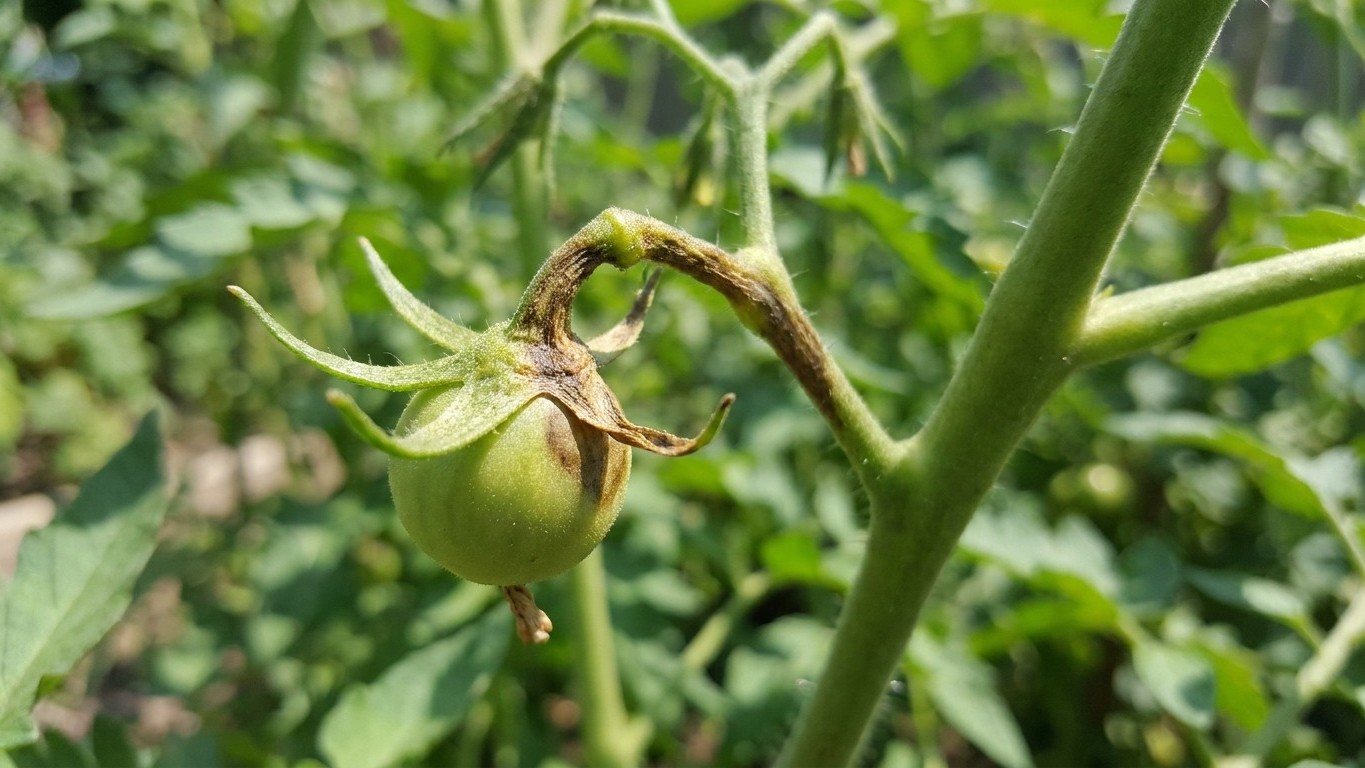
Perfect soil pH. Steady watering. Weekly fertilizer, applied on schedule. And still, the flowers turned brown at the stem and dropped into the mulch without leaving a single green tomato behind. If that sounds familiar, the problem was never in the routine. It was in the thermometer.
Tomato flowers are astonishingly fussy about temperature, far more than the leaves and stems that keep growing lush and green even as the blooms fail. Tomatoes are a warm-weather crop; however, their flowers are sensitive to high air temperatures, and when day temperatures exceed 85 degrees F and night temperatures exceed 72 degrees F, tomato flowers often abort. The plant itself is not sick. It is making a calculated decision to cut its losses.
Key takeaways
- Tomato flowers have just 50 hours to be pollinated or they’re lost forever—and heat destroys that window from the inside
- Night temperatures above 75°F are often the silent saboteur, more damaging than scorching daytime heat
- Shade cloth, deep mulch, and consistent watering actually work—but viral internet tips like misting and aggressive pruning don’t address the real problem
A 50-hour window that heat destroys
Here is the part most gardeners never learn: a tomato flower is only fertile for about two days. Tomato flowers must be pollinated within 50 hours of formation or they will die, which is about the time it takes for the pollen to germinate and move up the style to fertilize the ovary. Miss that window and the flower simply gives up, no matter how healthy the rest of the plant looks.
Heat wrecks that timeline from the inside. Tomato plants can tolerate extreme temperatures for short periods, but several days or nights with too high of temperatures will cause the plant to abort flowers and fruit, since at these high temperatures the pollen can become sticky and nonviable, preventing pollination from occurring and causing the blossom to dry and drop. Picture pollen grains meant to fall like fine dust suddenly clumping together like wet sand. They cannot travel. They cannot land where they need to.
Sustained heat makes it worse than a single hot afternoon. Research from the University of Delaware found that constant exposure of a tomato plant to high day and night temperatures significantly reduces the number of pollen grains produced and released per flower, and even 3 hours or more at 103°F on two consecutive days can cause fruit set failure. That is not a freak event. It is an ordinary heat dome, the kind most of the country now sees every July.
Why the nights matter more than the days
The instinct is to blame the scorching afternoon sun. But the real damage is often happening while everyone is asleep. Temperatures at night may play a more important role in determining whether or not pollination takes place than daytime temperatures, because ideal fruit set occurs within a very narrow range of night temperatures, 60 to 70°F. That is a strikingly tight band. Miss it in either direction and the reproductive machinery stalls.
Warm, humid nights are the quiet saboteur. If tomato plants experience night temperatures above 75°F, interference with the growth of pollen tubes can occur, preventing normal fertilization and causing blossom drop. A plant that gets no relief after dark never resets. It just keeps aborting flower after flower, cluster after cluster, through an entire heat wave.
Humidity piles onto the problem. High relative humidity above 80% during pollen shed causes the pollen not to be released properly, resulting in poor or incomplete pollination. So the muggy stretch that follows a heat wave, the kind where the air feels thick even in the shade, can extend the misery well past the hottest days themselves.
What actually helps, and what is a waste of time
The disappointing truth: once a flower has already yellowed and dropped, nothing brings it back. Following recommended fertilizer rates for tomatoes reduces blossom drop, but if excessive heat and wind develop during flowering, little can be done, and shading of about 30% can reduce temperature, though blossom-set sprays are ineffective during high temperatures. Skip the miracle sprays. They were designed for cold spring nights, not a July scorcher, and they will not rescue pollen that heat has already sterilized.
What genuinely moves the needle is protecting the flowers that haven’t opened yet. Extension specialists consistently point to shade cloth, deep and consistent watering, and mulch as the combination with measurable results, since removing moisture stress alongside lowering flower-zone temperature is what actually keeps the reproductive process intact. Skip the misting and the aggressive pruning that some corners of the internet swear by. Neither addresses the actual mechanism, which is sticky, nonviable pollen and stalled pollen tubes, not a lack of water on the leaves.
Variety selection is the other lever worth pulling, especially if this happens every summer in your yard. Heritage and heirloom varieties tend to be more sensitive to the conditions that induce blossom drop than modern varieties, and commercial growers in the southeastern United States suffered from this problem for years until the advent of heat-set tomato varieties in the 1990s. Names like Phoenix, Solar Fire and Heatmaster show up specifically because breeders targeted pollen that stays functional at higher thresholds. It is a trade worth considering if your garden regularly bakes above 90°F for a week or more.
The good news, if there is one, is that this is temporary damage, not permanent failure. Once temperatures become more favorable, the plants will produce flowers and set fruit. The vines you’re staring at right now, loaded with blooms and nothing else, are not broken. They’re simply waiting out a window that, sooner or later, closes on its own. One detail worth remembering next time a flower drops during a heat spell: it was likely doomed by conditions from a week or two earlier, since the bud that eventually opens was already forming its pollen well before you noticed the first bloom.
Sources : extension.umd.edu | fruitandgarden.com