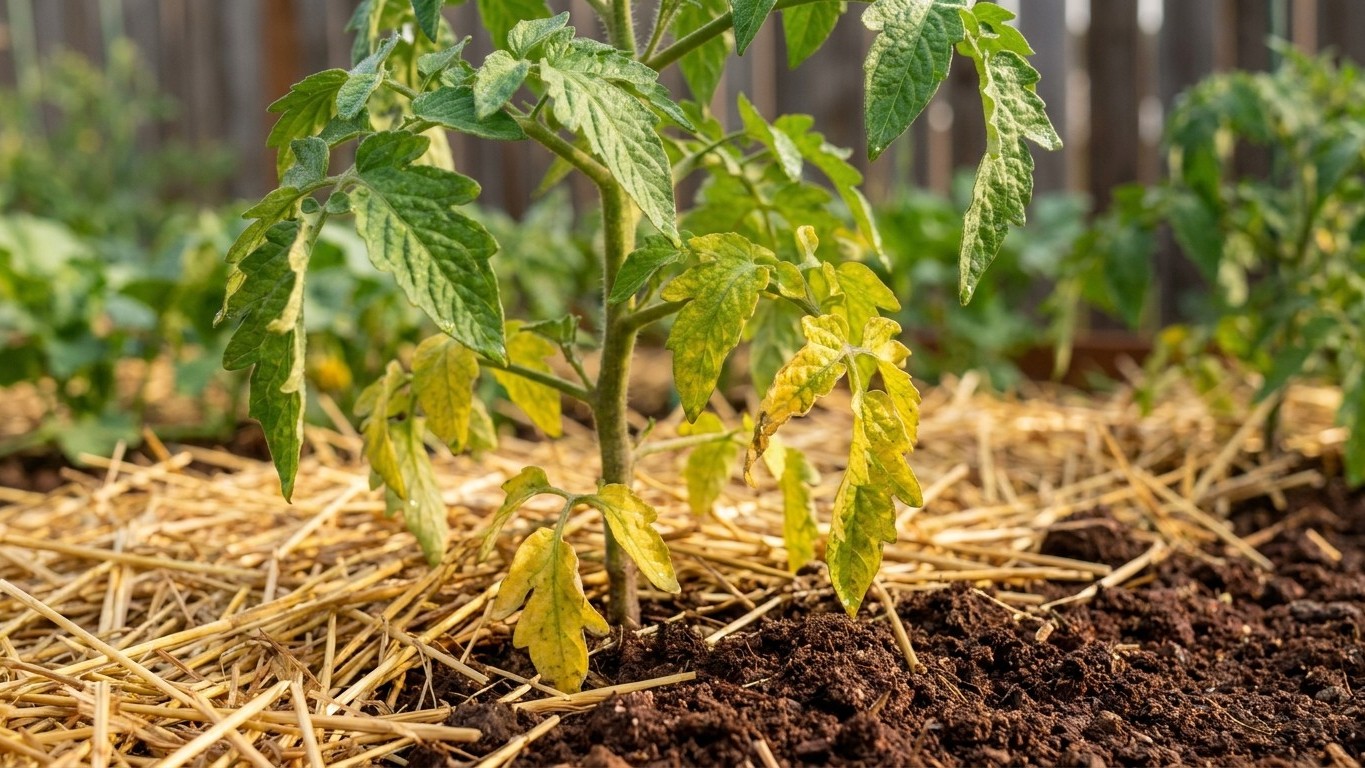
I spread fresh wheat straw around my tomatoes just to keep the soil damp: three weeks later, the bottom leaves went yellow and I understood what the straw was taking

I spread fresh wheat straw around my tomatoes just to keep the soil damp: three weeks later, the bottom leaves went yellow...

That fresh wheat straw you spread around your tomatoes looked like the perfect moisture-retaining mulch—until the bottom leaves turned yellow three weeks later. It’s not disease or neglect; it’s a hidden chemistry battle where microbes decomposing carbon-rich straw are stealing nitrogen meant for your plants.

Forget eggshells and lime in the tomato bed: what really blocks calcium from reaching the fruit happens with your hose

Forget eggshells and lime in the tomato bed: what really blocks calcium from reaching the fruit happens with your hose

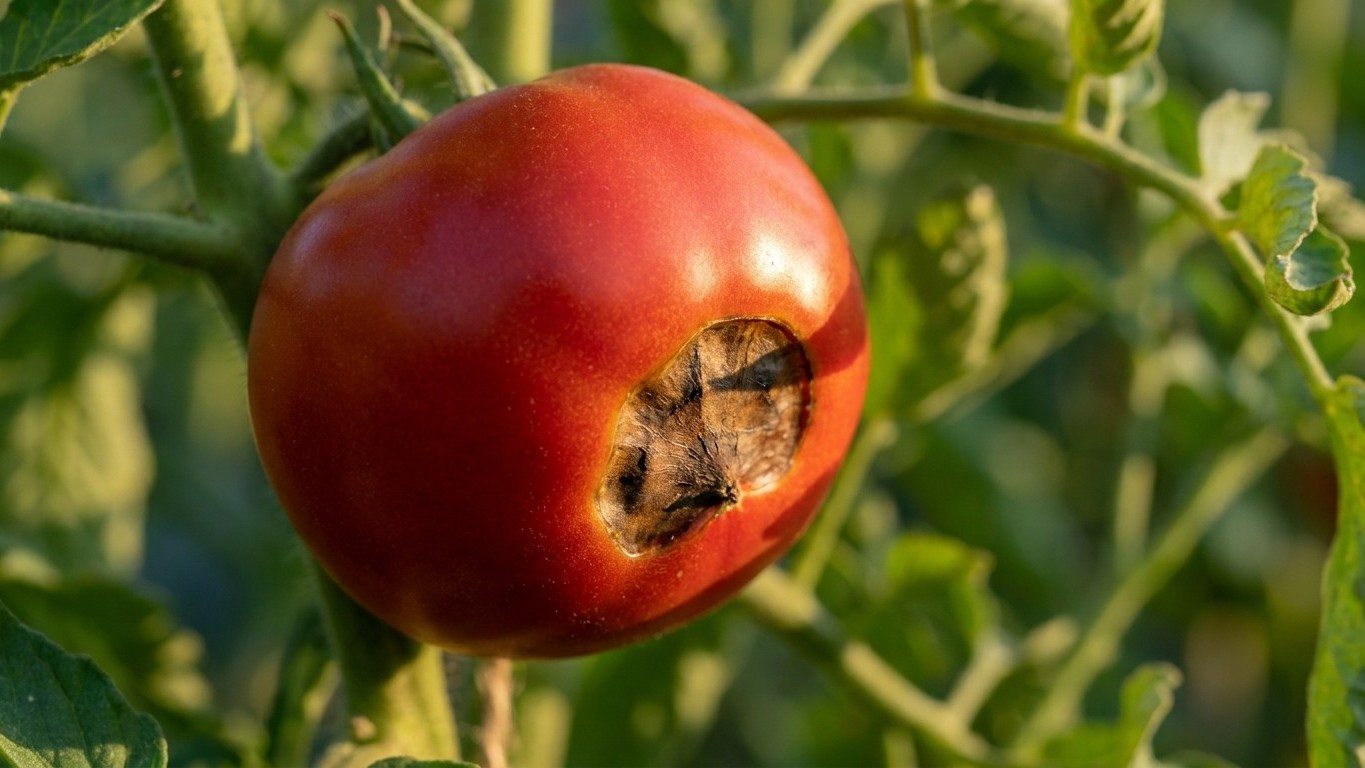
Blossom end rot isn’t caused by calcium-poor soil—it’s caused by inconsistent watering that interrupts calcium transport to developing fruit. Your hose habits matter far more than eggshells or lime, and switching to steady drip irrigation could eliminate the problem entirely.

“I thought I was doing everything right”: why my tomato flowers fell off without forming fruit above 32°C

'I thought I was doing everything right': why my tomato flowers fell off without forming fruit above 32°C

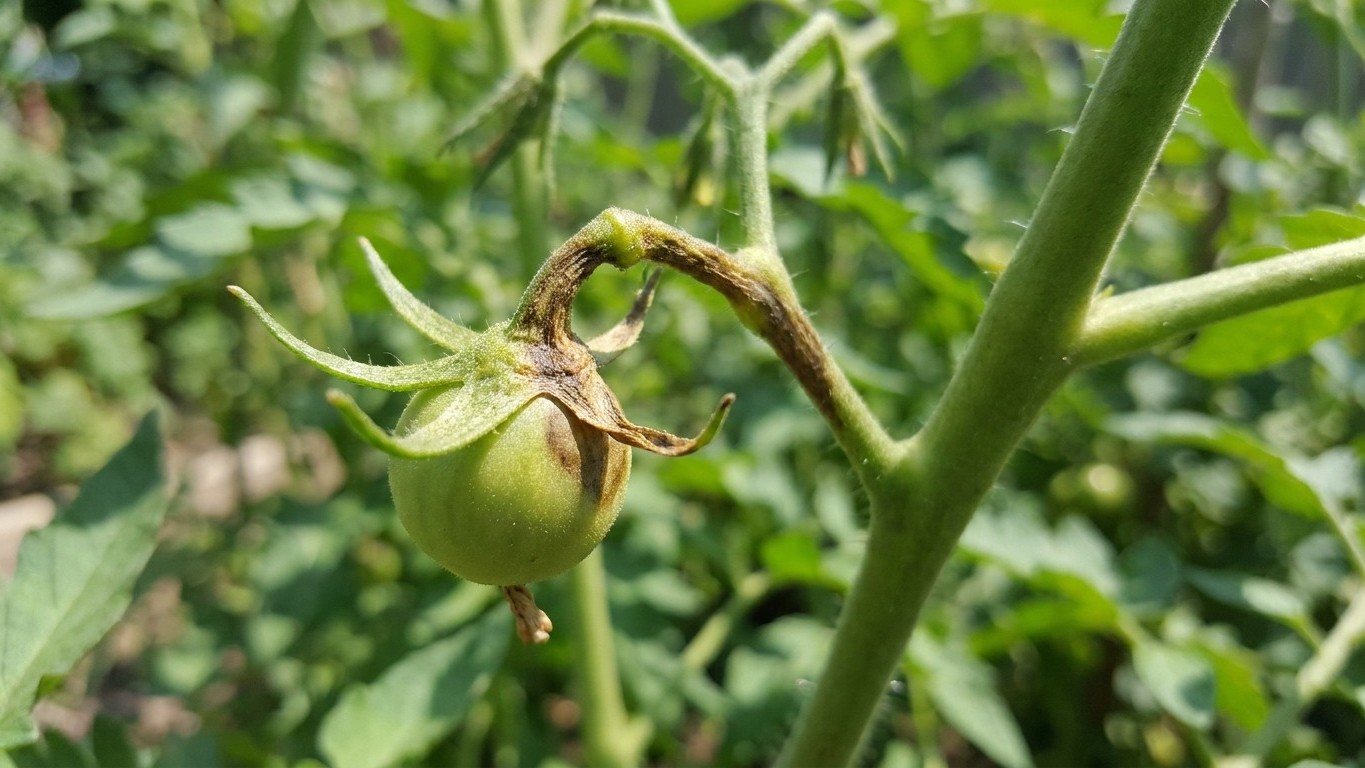
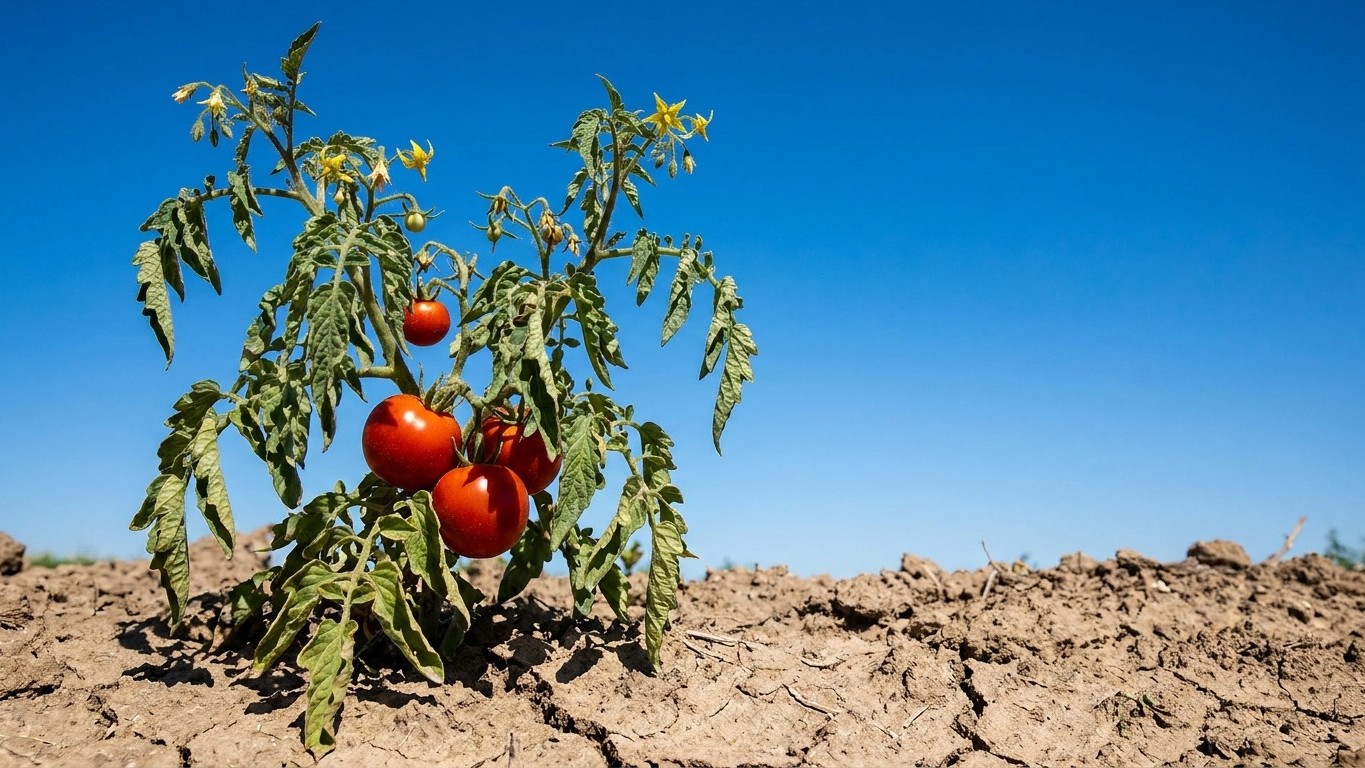
You’re doing everything right—perfect soil, steady watering, on-schedule fertilizer—yet your tomato flowers still drop without setting fruit. The culprit isn’t your routine; it’s the thermometer. A tomato flower has only 50 hours to be pollinated before it dies, and sustained heat makes pollen sticky and nonviable, destroying that critical window.

Why Watering Won’t Save Your Tomato Flowers in 90°F Heat—It’s Actually About Pollen, Not Thirst

Why Watering Won't Save Your Tomato Flowers in 90°F Heat—It's Actually About Pollen, Not Thirst

When tomatoes drop flowers above 90°F, gardeners instinctively reach for the hose—but that’s solving the wrong problem. The real culprit is pollen that turns sticky and fails to fertilize, not soil moisture. Watering more can actually make things worse by waterlogging roots during heat stress.

The Ancient Clay Pot Trick That Makes Tomatoes Thrive: Why Gardeners Are Burying Ollas Next to Their Plants

The Ancient Clay Pot Trick That Makes Tomatoes Thrive: Why Gardeners Are Burying Ollas Next to Their Plants

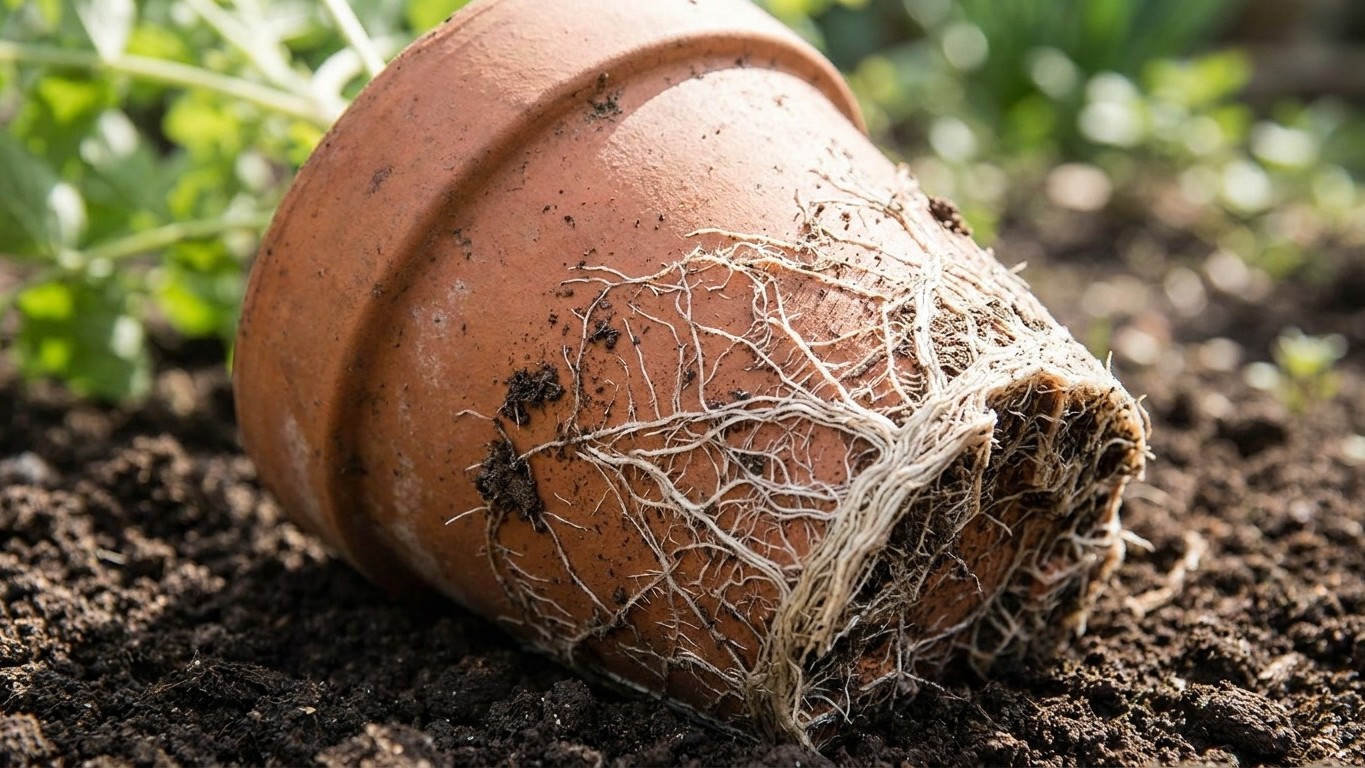
A simple buried clay pot filled with water can transform your tomato garden. When dug up after a month, it reveals a thick mat of roots actively drawing moisture from the clay—the plant’s natural response to this ancient irrigation method. No electricity, no timers, and up to 70% less water than traditional watering.

The One Tomato Sucker You Should Never Cut: How a Professional Grower Revealed the Secret to Doubling Your Harvest

The One Tomato Sucker You Should Never Cut: How a Professional Grower Revealed the Secret to Doubling Your Harvest

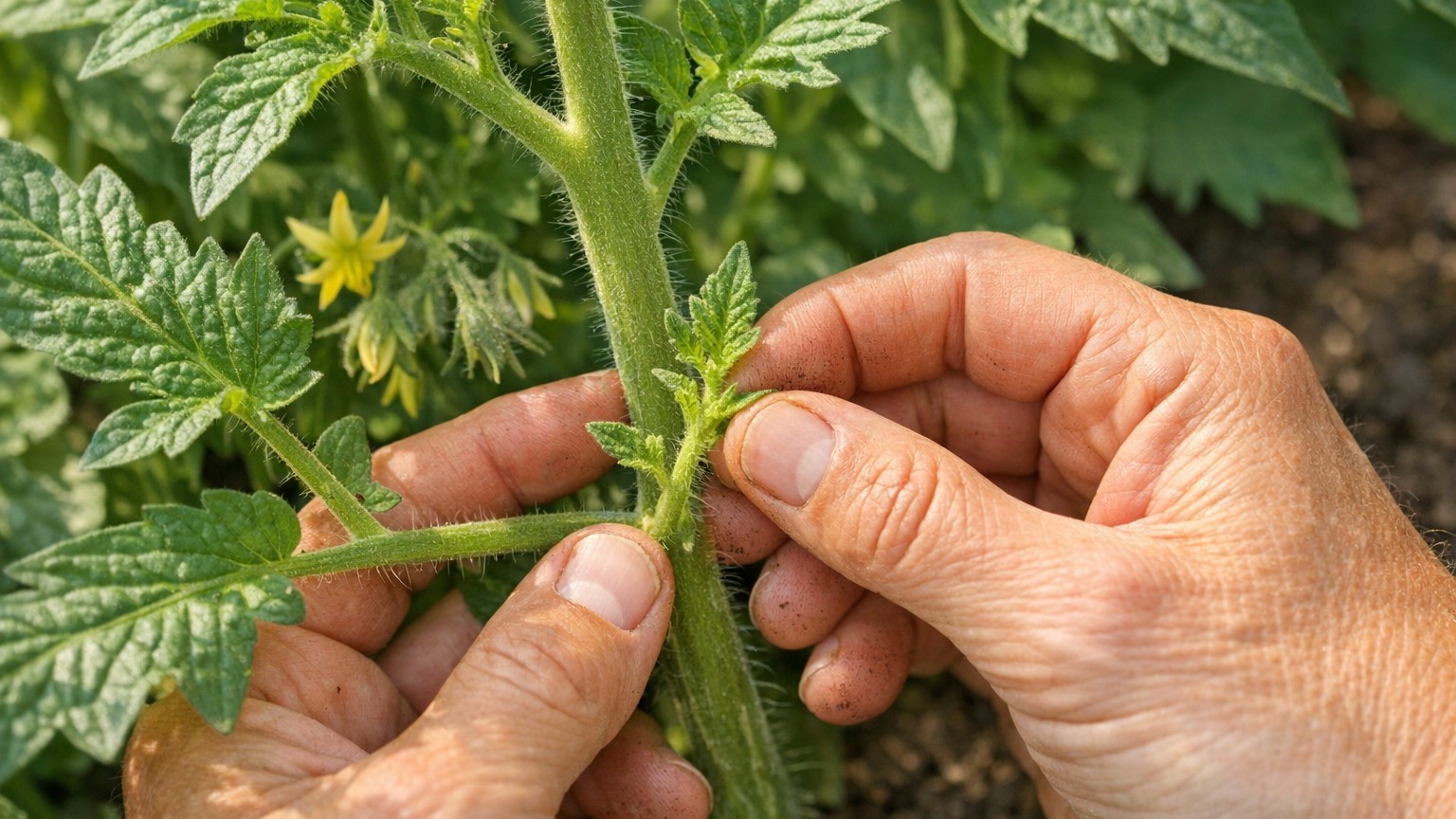
For years, gardeners followed the blanket advice to remove every sucker ruthlessly—until a professional grower revealed the one that must stay. This single strategic choice can double your harvest while maintaining fruit size.

The One February Task That Prevents Leggy Tomato Seedlings and Doubles Your Summer Harvest

The One February Task That Prevents Leggy Tomato Seedlings and Doubles Your Summer Harvest

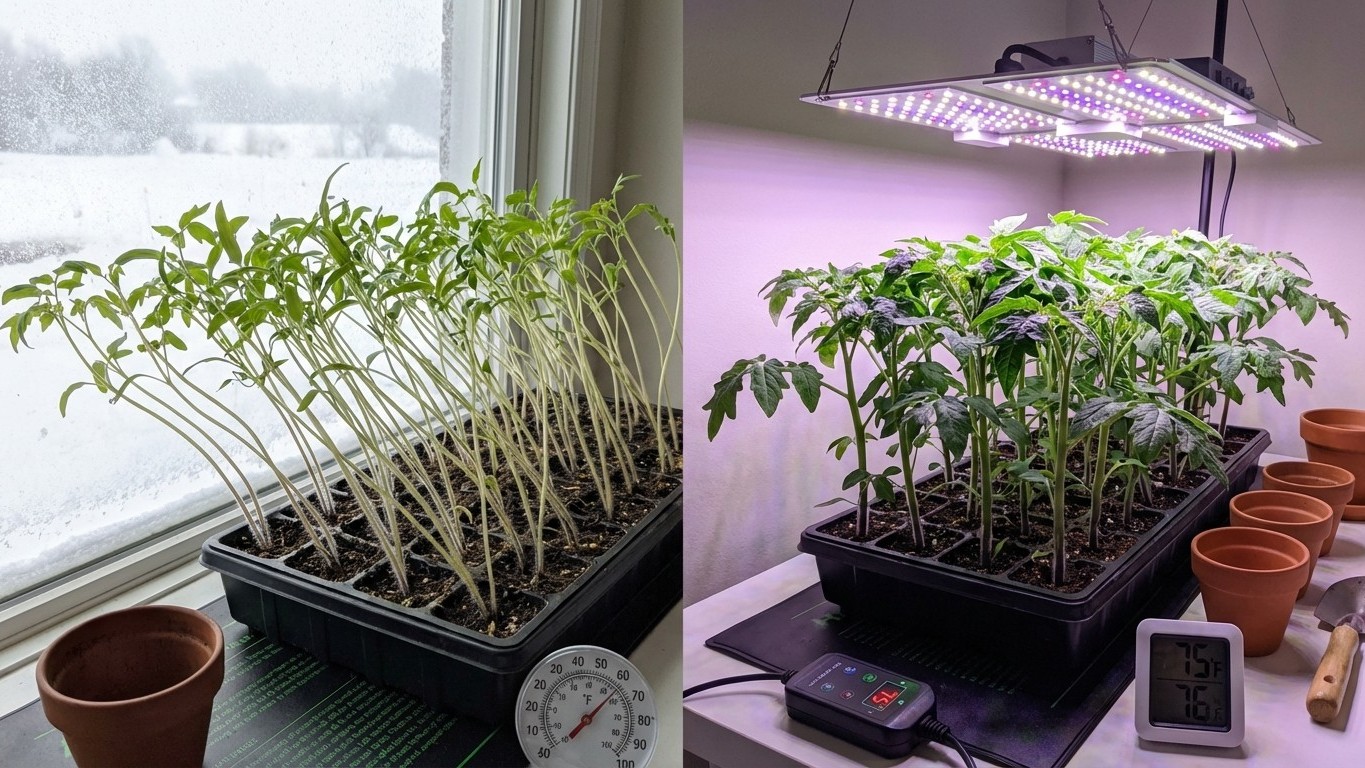
February is the crucial month for starting tomato seeds indoors — but most gardeners get it wrong. Discover the timing, lighting, and transplanting strategies that prevent weak, leggy seedlings and unlock double the fruit production this summer.