
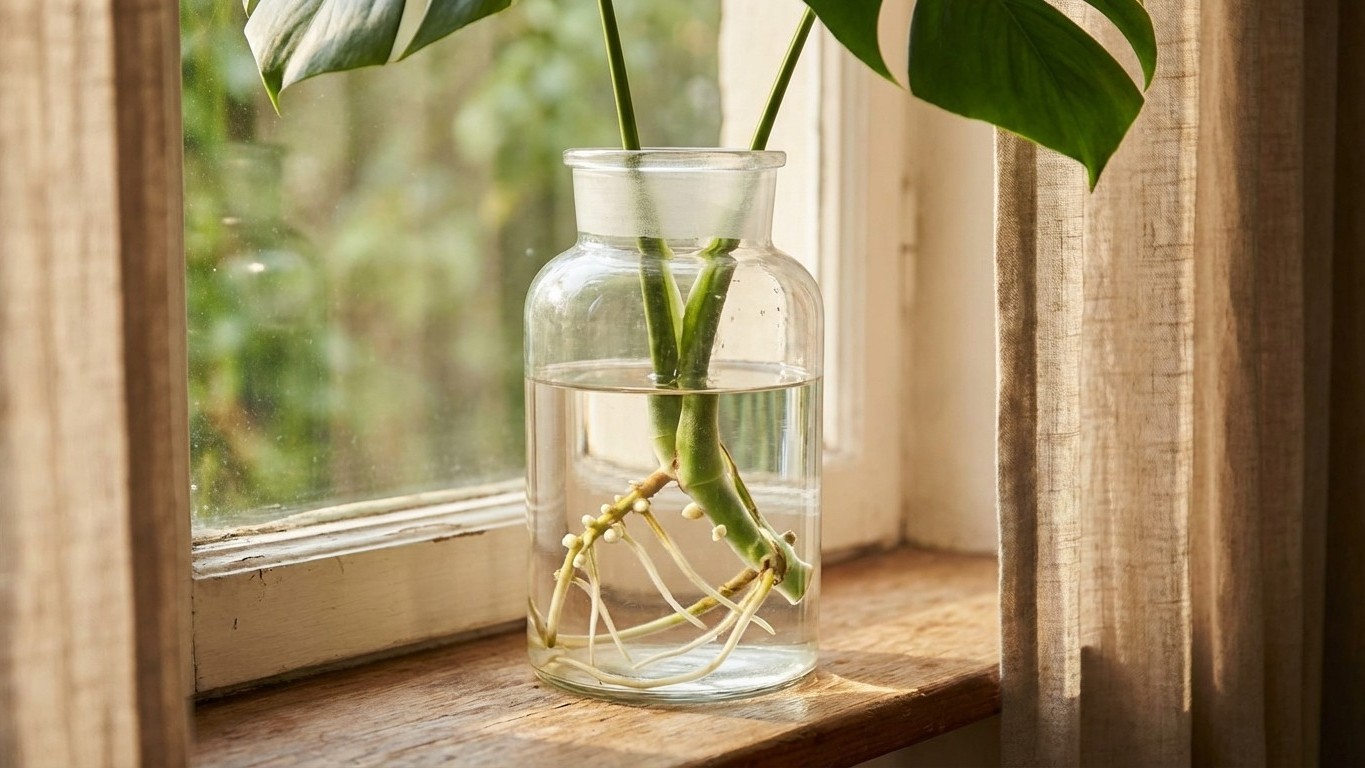
March arrives with promise for plant parents everywhere. Days grow longer, temperatures climb, and suddenly those dormant propagation dreams feel within reach. Yet week after week, your carefully tended cuttings turn brown, rot at the base, or simply refuse to root. Sound familiar?
The cruel irony hits hardest in March. This should be prime propagation season, natural light increases, heating bills drop, and plant growth hormones surge. Instead, many indoor gardeners watch their cuttings fail at alarming rates during what should be their most successful month.
Key takeaways
- March creates a ‘perfect storm’ of environmental confusion that even experienced plant parents don’t recognize
- The one technique pros use costs less than dinner but changes everything about propagation success
- Your cuttings are actually ‘talking’ to you in March—but most gardeners misread the signals
The March Paradox Most Plant Parents Miss
Professional propagators recognize something most home gardeners overlook: March creates a perfect storm of environmental confusion for new cuttings. While outdoor conditions scream “spring,” indoor spaces often lag behind by weeks.
Your Heating system still runs regularly. Windows remain closed against lingering cold snaps. Indoor humidity hovers around 30%, roughly half what most cuttings need to thrive. Meanwhile, that eager cutting sits in this artificial environment, receiving mixed Signals about when to actually start growing.
Consider this: a pothos cutting that would root successfully in July’s consistent warmth and humidity struggles in March’s stop-and-start conditions. Temperature fluctuations between 55°F at night and 75°F during sunny afternoons stress developing root systems. One day feels like spring, the next like winter’s return.
The Professional Difference: Microclimate Mastery
Commercial propagators don’t rely on ambient indoor conditions in March. They create consistent microclimates that bypass seasonal confusion entirely.
The game-changing technique? Bottom heat combined with humidity domes. While amateur propagators place cuttings on windowsills or kitchen counters, professionals provide steady soil temperatures between 70-75°F regardless of air temperature. This single factor, consistent root zone warmth, makes the difference between success and soggy disappointment.
Heat mats designed for seedlings cost less than a dinner out. Place one under your propagation tray, add a clear plastic dome or even a repurposed takeout container, and you’ve recreated July conditions in March. The cutting receives the thermal consistency it craves while humidity stays trapped at optimal levels.
Sarah Chen, who runs a successful plant business from her Chicago apartment, learned-this-nursery-secret-for-free-shrub-cuttings-in-february/”>Learned this lesson the hard way. “I lost dozens of cuttings every March until I started using heat mats. Now my success rate in March rivals summer months, sometimes better, because I control every variable.”
Timing Matters More Than You Think
March presents another hidden challenge: daylight duration. While days lengthen, we’re still far from summer’s generous light hours. Cuttings need energy to develop roots, and insufficient light leaves them vulnerable to rot before establishment occurs.
Professional propagators supplement natural light starting in February, gradually increasing duration as spring progresses. A basic LED grow light running 12-14 hours daily provides the photosynthetic support cuttings need during March’s transitional period.
This isn’t about expensive equipment. Simple LED strips designed for houseplants work perfectly. Position them 6-12 inches above your propagation setup, and suddenly your cuttings have the energy reserves to develop robust root systems before any rot can take hold.
The difference becomes obvious within days. Cuttings under supplemental light maintain healthy green color and firm stems, while those relying solely on March’s variable natural light often show stress signs within a week.
The Water Temperature Secret
Here’s where most home propagators unknowingly sabotage their efforts: water temperature. That fresh tap water you’re using? It’s probably 55-60°F in March, cold enough to shock developing root cells and slow growth to a crawl.
Commercial operations warm their water to room temperature before use. This simple step prevents thermal shock and maintains the consistent environment cuttings require. Fill watering containers the night before, letting them reach room temperature naturally.
For water propagation specifically, maintaining water temperature around 70°F accelerates root development dramatically. Small aquarium heaters work perfectly for this purpose, keeping propagation jars at optimal temperatures regardless of room conditions.
The compound effect of these adjustments, warm soil, supplemental light, proper water temperature, creates propagation conditions that rival or exceed peak summer performance. March Becomes an advantage rather than an obstacle.
Reading the Subtle Signs
Professional propagators also recognize that March cuttings communicate differently than summer ones. Early spring stress shows up as subtle color changes, slight leaf curling, or slower-than-expected callus formation. These aren’t necessarily signs of failure, they’re requests for environmental adjustment.
A cutting showing pale new growth might need more light rather than different nutrients. Soft stems could indicate temperature fluctuations rather than overwatering. Learning to read these March-specific signals prevents premature abandonment of viable cuttings.
Most importantly, professionals extend their patience timeline in March. Summer cuttings might show roots in 10-14 days. March cuttings often need 3-4 weeks under optimal conditions. That extra time isn’t failure, it’s the natural pace of early spring propagation.
What if this March became your most successful propagation month yet? With proper microclimate control, your cutting collection could flourish while others struggle with traditional windowsill methods. The only question remaining: which plants will you finally propagate successfully this spring?