
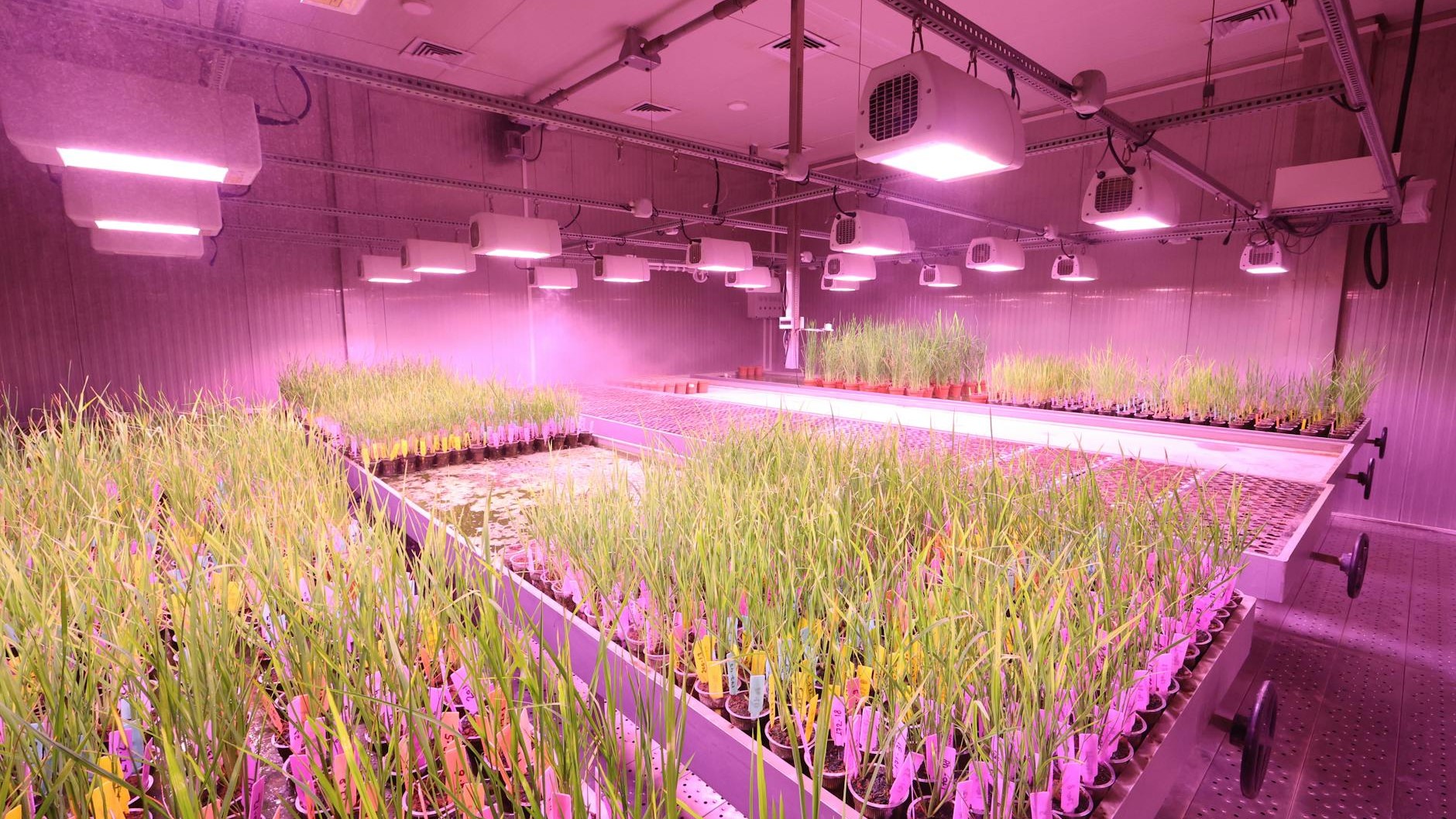
Living in a basement apartment in Chicago taught me one thing fast: the sun is not your friend when you have north-facing windows and a building next door blocking what little daylight exists. For two years, I watched succulents crisp up and die, pothos mysteriously yellow, and even so-called “low-light” plants slowly surrender. Then I Stopped fighting the architecture and started working with what I actually had: electricity.
The shift happened when I picked up a basic LED grow lamp for under $25 and pointed it at a small ZZ plant in the corner. Six weeks later, the thing had sprouted three new stems. That was the beginning of a genuinely functional indoor garden, no skylights required, no south-facing window envy, just a cheap bulb and the right plant selection.
Key takeaways
- What garden centers mean by ‘low-light tolerant’ might not mean what you think
- Five specific plants actually thrive—not just survive—under affordable artificial lighting
- The setup costs less than a fancy dinner but delivers results most sunny windowsills cannot match
Why “Low Light” on a Plant Tag Is Often a Lie
Every garden center in America labels half its inventory as “low light tolerant.” What they usually mean is: this plant won’t die immediately in dim conditions. Surviving is not thriving. A pothos stuffed in a dark hallway will stay green for months, then stagnate, producing smaller and smaller leaves as it slowly starves for photons. The label protects the store from returns. It doesn’t protect your plant.
Artificial light changes the equation entirely. A grow lamp positioned 12 to 18 inches from a plant and left on for 12 to 14 hours a day delivers something most dim apartments simply cannot: consistent, reliable photosynthesis fuel. The beauty of this setup is that you control every variable. Cloudy week in January? Doesn’t matter. Your lamp doesn’t care about cloud cover.
The plants listed below aren’t just “tolerant” of this arrangement, they actively respond well to it, often Growing faster under a steady artificial source than they would on a mediocre windowsill.
The Plants That Actually Delivered for Me
ZZ plants (Zamioculcas zamiifolia) are the obvious starting point, and for good reason. They store water in their rhizomes, tolerate neglect with almost aggressive indifference, and respond to grow light conditions with visible new growth. The waxy, deep-green leaves reflect light beautifully, which matters aesthetically when your light source is a single lamp rather than diffused sunlight. One caveat: they’re slow growers no matter what, so patience applies.
Pothos varieties, golden, marble queen, neon, are probably the most forgiving subjects for an artificial light setup. Under a decent LED grow lamp, a neon pothos will push out new leaves every two weeks in spring and summer. The trailing vines become genuinely lush rather than that spindly, searching-for-the-sun look you get in a dark corner. The neon variety especially seems to intensify its chartreuse color under grow light rather than washing out.
Snake plants (Sansevieria, now reclassified as Dracaena trifasciata, though most people still call them snake plants) are another strong performer. They tolerate lower light intensities than almost anything else, but give them 10 to 12 hours of artificial light daily and they’ll occasionally reward you with a new offset pup emerging from the soil. Mine produced two pups within a single growing season under a modest setup, something that hadn’t happened in three years of windowsill existence.
Peace lilies deserve more credit than they get. Most people think of them as office plants, that ubiquitous glossy-leafed thing near the reception desk. Under artificial light, though, they can actually bloom indoors, which feels borderline miraculous when you have no direct sun. They prefer slightly cooler temperatures and consistent moisture, so they reward attentive owners more than set-it-and-forget-it types.
Spider plants round out the list with near-invincible genetics and a fast growth rate that makes artificial light results immediately visible. Within a month under a grow lamp, a spider plant will start sending out runners with baby plantlets, free plants, essentially, which you can propagate and spread around your space.
What Lamp Actually Works (Without Spending a Fortune)
The grow light market has exploded since around 2020, and the affordable end has gotten genuinely good. Full-spectrum LED panels in the $20 to $40 range produce wavelengths in the blue (400-500nm) and red (600-700nm) ranges that plants use most for photosynthesis. You don’t need a $200 horticultural setup to grow houseplants. A clip-on LED grow bulb that screws into any standard lamp socket will handle a small plant cluster without drama.
What matters more than spending money is positioning and timing. Too far away (more than 24 inches for most houseplants) and the light intensity drops too much to matter. A simple plug-in timer, they cost around $10, solves the consistency problem by running the lamp automatically. Set it for 12 hours on, 12 hours off, forget about it, and let the plants do their thing. That 12/12 rhythm mimics a reasonable tropical day cycle and suits most common houseplants well.
One honest note: grow lamps have a slightly clinical look, particularly the ones with pink or purple-hued output. If that bothers you aesthetically, full-spectrum white LED bulbs rated between 5000K and 6500K color temperature produce more neutral light while still covering the spectrum plants need. They’re not as efficient for deep penetration into a canopy, but for a small collection of foliage plants, they work and they look normal in a living room.
The Unexpected Side Effect Nobody Mentions
Committing to grow lights changed how I relate to my plants. When you’re actively deciding where to position a lamp, setting a timer, monitoring response, you start noticing things. New leaf nodes. Color changes. Root crowding. The whole activity becomes more deliberate than the passive “put it near the window and hope” approach. Several friends who visited and asked about my setup ended up replicating it in their own apartments within a few months. None of them have south-facing windows either.
The deeper question, maybe, is why we’ve collectively accepted the idea that indoor plants require specific real estate in a home. A $25 lamp and a $10 timer effectively relocate that real estate anywhere you want it. Which raises a reasonable follow-up: what else about indoor gardening have we assumed was fixed, when really it was just waiting for someone to plug something in?