
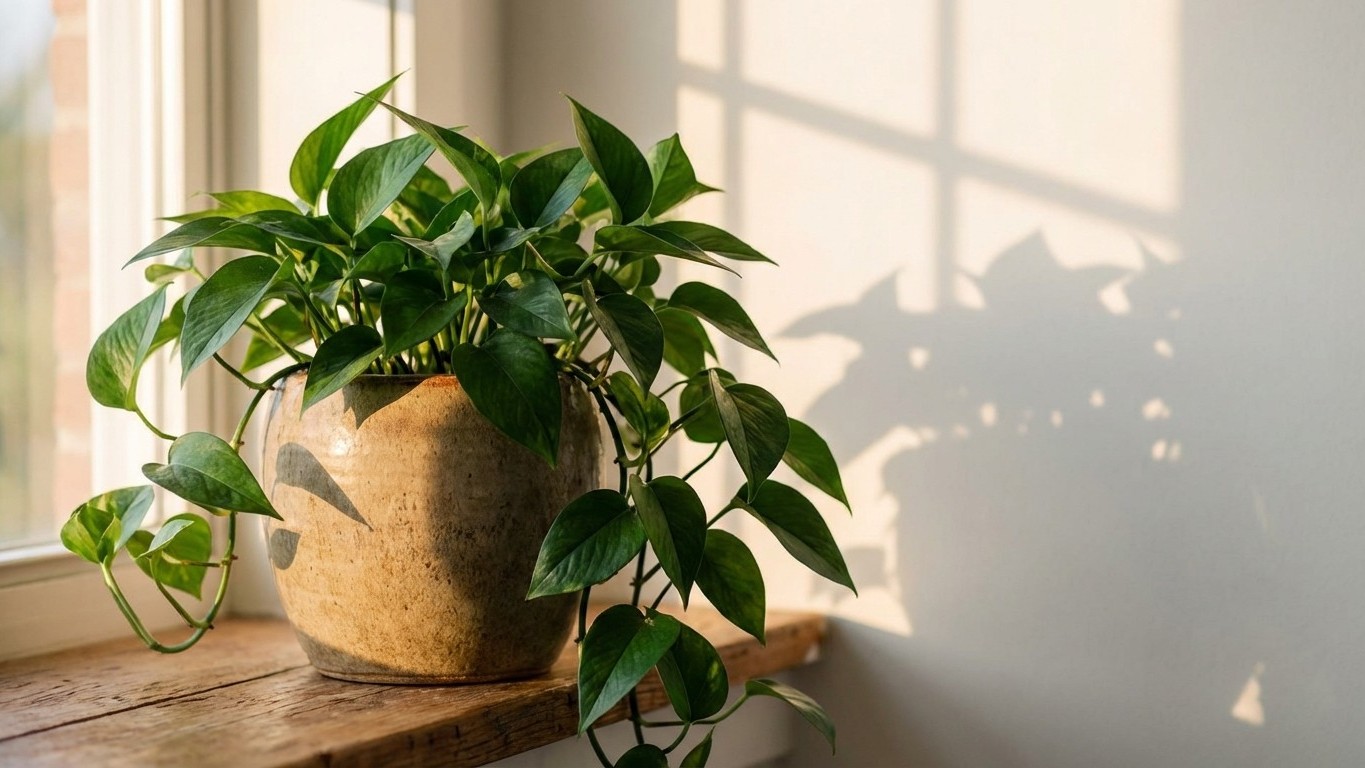
The clock shifted forward, the light changed, and I kept doing exactly what I’d always done. Same watering schedule, same amounts, same routine. Within two weeks, three of my plants were showing signs of stress, one was yellowing fast, and my usually cheerful pothos looked like it had given up on life. The culprit wasn’t neglect. It was stubbornness, specifically, my refusal to accept that daylight saving time isn’t just a calendar quirk. For houseplants, it’s a genuine shift in their environment.
Key takeaways
- Your plants’ water needs shift dramatically when the clocks change, but most people keep watering on the same old schedule
- The secret isn’t a new product or technique—it’s recognizing that light intensity and soil evaporation rates spike after the spring time change
- Different plant types respond to seasonal light shifts in surprisingly different ways, and treating them identically is where most people fail
Why the Time Change Affects Your Plants More Than You Think
Plants don’t read clocks. They respond to light, temperature, and soil moisture, all three of which change when the clocks spring forward or fall back. When we move to daylight saving time in spring, rooms that used to catch soft morning light now get a longer, more intense afternoon exposure. A windowsill that was perfectly mild in March can turn into a heat trap by late April, pulling moisture out of the soil at a noticeably faster rate. The reverse happens in autumn, when rooms cool down sooner and the soil stays damp longer than expected.
Most Houseplant advice treats watering as a fixed habit: every seven days, every ten days, every time the top inch of soil feels dry. That’s a useful starting point, but it completely ignores seasonal context. Research on indoor plant care consistently shows that evapotranspiration rates (the combined water lost through the soil surface and the plant’s leaves) can increase by 20 to 30 percent during spring and summer compared to winter months. A one-hour shift in the clock doesn’t cause that jump overnight, but it marks the turning point where the old schedule starts falling behind reality.
The One Adjustment That Actually Made the Difference
Here’s what changed everything for me: I stopped watering on a schedule and started watering based on the soil’s behavior in the new light conditions. Sounds obvious, maybe. But the actual mechanics of doing it right took a bit of practice.
After the spring clock change, I gave every plant a full reset. I picked up each pot, checked its weight (a dry pot is dramatically lighter than a watered one), pushed my finger about two inches into the soil rather than just testing the surface, and observed where each plant was sitting in relation to the windows. Three of them had shifted into direct afternoon sun paths I hadn’t noticed because the sun’s angle had Changed with the season. Those plants needed water almost two days earlier than they had just weeks before.
The adjustment itself was simple: shift your watering check-ins earlier in the week for plants in south or west-facing windows after the spring change, and push them later after the fall change. For me, that meant moving from a Sunday-evening routine to a Friday afternoon check after clocks sprang forward. Not a massive disruption, but the results were immediate. The yellowing stopped. The pothos perked up within days.
Weight is genuinely the most underrated diagnostic tool for houseplant watering. A 6-inch pot with dry soil can weigh almost half as much as the same pot properly hydrated. Once you’ve handled the same pot a few times, you develop an instinct for it that’s faster and more accurate than any moisture meter app.
What Different Plants Need When the Season Shifts
Not all houseplants respond the same way to a lighting shift, and treating them identically is where most people go wrong. Tropical plants like monsteras, philodendrons, and pothos tend to wake up aggressively when spring light increases. Their growth rate accelerates, they pull more water, and they Actually benefit from slightly more frequent watering as the days lengthen. These are the plants most likely to suffer if you stay locked into a winter schedule after clocks change.
Succulents and cacti operate differently. In their natural environments, spring means heat but also the beginning of dry seasons in many regions. More light doesn’t automatically mean more water for them. After the spring time change, I actually held off on increasing water for my succulents and instead watched for the characteristic slight “wrinkling” of their leaves that signals genuine thirst. That visual cue is more reliable than any calendar.
Peace lilies and ferns sit in a middle ground. They’re sensitive to low humidity as much as they are to watering frequency, and the drier indoor air of spring (before humidity rises outdoors) can cause leaf tips to brown even when the soil moisture is fine. After the time change, I added a small humidity tray under my fern rather than watering more. Problem solved without overwatering the roots.
Building a Routine That Actually Moves With the Seasons
The broader lesson, the one that saved every plant in my collection, is that houseplant care needs two calibration moments per year. Treat daylight saving time like a plant audit. Walk through your space after the clocks change, notice where the light falls at different times of day, feel the soil temperature (soil near a sunny window in April is genuinely warmer than it was in February), and reset your expectations rather than your alarm.
One practical approach: keep a loose note on your phone or a sticky tag on each pot marking roughly how often it needs water in winter versus summer. Even a simple “W: every 9 days / S: every 6 days” gives you a baseline to adjust from rather than starting from scratch each season. It takes five minutes to set up and pays off across the entire year.
The bigger question all of this raises is how much of routine plant care is Actually just habit dressed up as knowledge. We water on Sundays because we water on Sundays, not because Sunday is when the plant needs it. The clock change, annoying as it is for human sleep schedules, turns out to be a surprisingly useful forcing function, a twice-yearly reminder that the plants on your windowsill are living organisms responding to a world that keeps shifting, whether or not we bother to notice.