
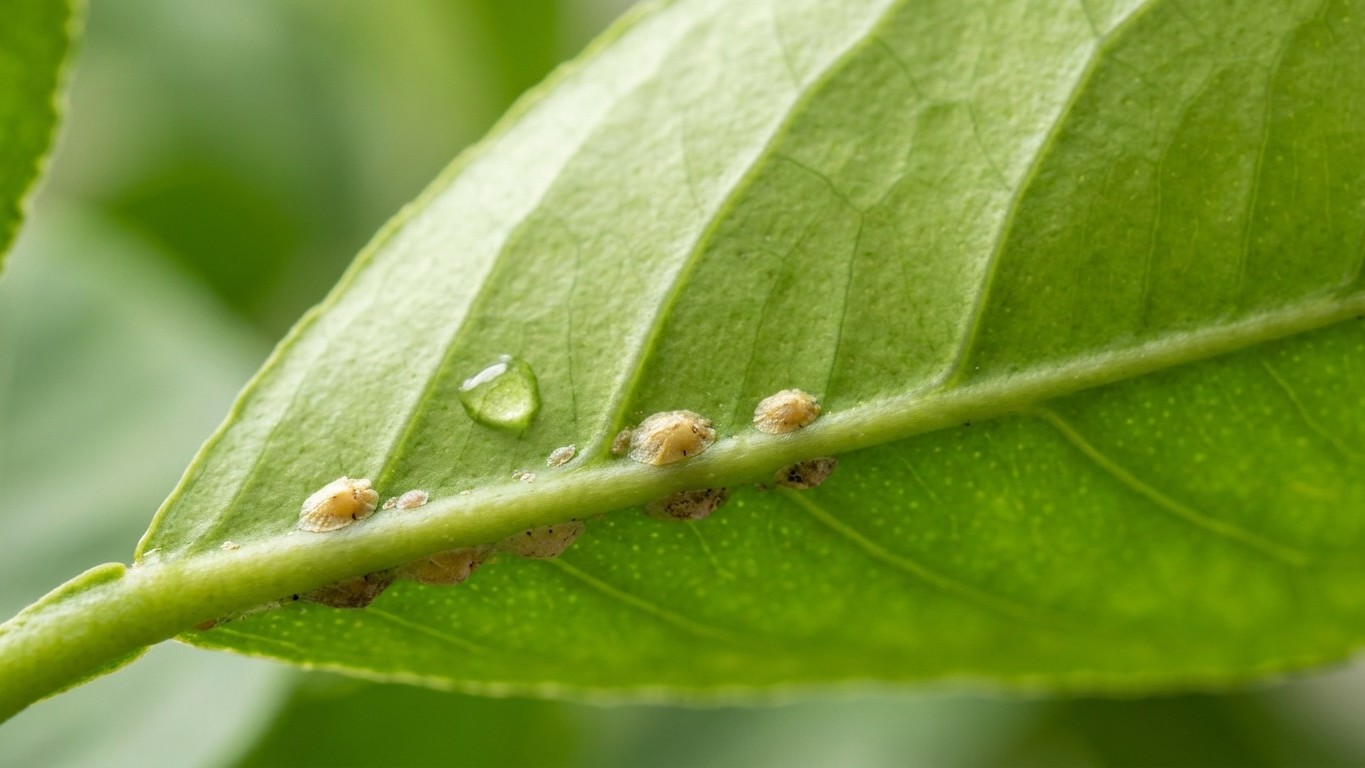
Scale insects. Dozens of them, pale yellow, barely the size of a pinhead, crawling near the base of my lemon tree’s pot. That was the summer I finally understood what my grandmother had known all along, without ever being able to explain it in plant-science terms: a lemon tree kept indoors year-round is a lemon tree living against its own nature.
For years, I’d been proud of my setup. South-facing window, grow light in winter, careful watering routine. The tree looked decent. It bloomed occasionally, dropped most of its flowers, and produced a polite handful of lemons each year. I thought I was doing everything right. The day I crouched down to wipe up some sticky residue near the pot and saw those tiny creatures moving, I realized I’d been missing the bigger picture entirely.
Key takeaways
- What appears on your indoor lemon tree that looks like tiny bumps and sticky residue—and why it’s a warning sign most people miss
- How a single generation of scale insects multiplies into a year-round infestation faster than you’d expect
- The one inspection ritual before bringing your tree back inside that changes everything
What’s Actually Crawling Near Your Pot
When scale insect eggs hatch, the nymphs that emerge are called “crawlers,” named because they walk away from the mother scale to settle at new feeding sites. Scale insects look more like a strange fungus than like a bug, because they hide under their protective coverings. As adults, they stay in one place while they feed and reproduce, producing multiple generations a year. What I’d spotted was the mobile phase, the brief window when they’re actually visible to the naked eye before locking down and becoming almost impossible to detect.
The first visible sign of a scale infestation is usually small, bumpy growths on the leaves and stems, which may appear brown, white, or black depending on the species. You’ll often find them clustered along leaf veins or in the joints where branches meet the trunk. The sticky residue I’d wiped up? That was honeydew. Insects like aphids and scale secrete this sticky substance, which attracts ants. Also, results in an unattractive black sooty mold covering the leaves.
The problem wasn’t that the tree had attracted pests. The problem was that by keeping it indoors through summer, I’d denied it the very ecosystem that keeps those pests in check. Like most greenery, citrus plants can attract bugs, and this seems to be more of an issue when plants are indoors than when they are outdoors. Plants summering outdoors enjoy the protection of natural predators and rainfall to rid them of unwanted pests.
The Silent Damage That Builds Over Months
One generation of scale insects takes about 60 days to complete, depending on ambient temperature. On indoor plants, multiple overlapping generations can occur year-round, with three to seven generations per year being typical. Do the math: a mild infestation in spring becomes a serious problem by fall, all while the tree slowly deteriorates in ways that look like ordinary stress, yellow leaves, sparse growth, weak stems.
In severe infestations, entire sections of your tree may defoliate or stop producing fruit. Early-stage infestations might show only a few scales on isolated leaves, but as the problem progresses, you’ll notice scales spreading across multiple branches and even to the soil around your tree’s base. That’s exactly what I’d seen. The soil. Not just the plant.
A plant that has been outside for the summer, especially one sitting on the ground, may have pests that have crawled in through the drainage holes. Take the plant out of the pot to examine the soil. Most pests are found on the exterior of the rootball. This is the check most indoor gardeners never think to do, and the one that matters most before bringing a tree back inside in September.
When your lemon tree struggles with poor soil, salt damage from synthetic fertilizers, or lack of beneficial microbes, it sends chemical signals that attract insects. Keeping the tree under artificial light with recycled indoor air year-round creates exactly that kind of chronic stress. A stressed tree, as any experienced grower will tell you, is a pest magnet.
Why Outdoor Summers Change Everything
My grandmother, who grew up with citrus trees in her backyard, never once brought a lemon tree inside during summer. Cold winters, yes, she’d move the pots to a sheltered corner of the garage. But as soon as temperatures stabilized, the trees went back outside without a second thought. She wasn’t following a care guide. She was following common sense about what trees need.
During summer, putting citrus plants outside allows them to take advantage of better growing conditions and extra light. Let the plants acclimate to sunny conditions by putting them in the shade of a tree or the north side of the house for the first several days. Skipping that acclimation step is where most people go wrong. Going straight from a dim living room to full July sun can scorch the leaves within 48 hours.
The yield difference is hard to ignore. Indoor trees might give you 5 to 10 lemons per year. The same tree outdoors easily produces 50 to 100 lemons with proper care. Part of that gap comes down to pollination. Hand pollination with a small brush might hit 20 to 30% of flowers on a good day. Bees hit 90% or more of available flowers and do it better than you ever could. The difference between a frustrating handful of fruit and an actual harvest is largely a question of insects, the right insects, doing their job outside.
Naturally occurring parasitic insects may help control some of the scales in outdoor settings, which is the other side of the coin. The same outdoor environment that brings in bees for pollination also brings in the predatory insects that eat your pests. Ladybugs, lacewings, parasitic wasps, they work for free and they don’t need a reminder to check the undersides of leaves.
What to Actually Do Before Bringing It Back Inside
Moving the tree out in late spring is the easy part. The discipline is in what you do before it comes back indoors in fall. Scale can be introduced by bringing your indoor plants in from being outside during the summer, but also from contaminated soil, dirty pots, and plant material. Every year, without this check, you’re potentially importing a new infestation straight into your living room.
The protocol is straightforward. Crawlers can leave the plant and then come back to infest it again later. Remove the pot from its spot and clean any crevices where the pests could be hiding, including the outside lip, inside edges, and the bottom of the pot and drip tray. Then inspect the soil surface and the underside of every leaf before the tree crosses your threshold.
If you do spot scale, organic options work well and are safer for indoor use. Carefully scrape the hard scales off the plant with an old toothbrush or your thumbnail, then spray the plant with insecticidal soap. A fine horticultural oil suffocates the hard-shelled adults as well as immature scale insects. The key word from every expert on this: persistence. Most infestations require two to four weeks of consistent treatment to see significant improvement, and severe cases may take six to eight weeks with multiple applications.
One detail worth knowing: if plants are summered outdoors, beneficial parasitoids may suppress brown soft scale populations. Look for holes in scale covers as evidence of their presence. Those tiny holes mean the ecosystem is already working in your favor, and it’s a sign you shouldn’t spray that particular insect, because the predator is already inside doing the job for you.
My grandmother never debugged her trees with a toothbrush. She didn’t need to. The outdoor world handled it. The real lesson from that afternoon crouching near my pot wasn’t that I had pests, it was that I’d been trying to recreate summer indoors for a tree that just needed to experience it for real.
Sources : gardeningknowhow.com | housedigest.com