
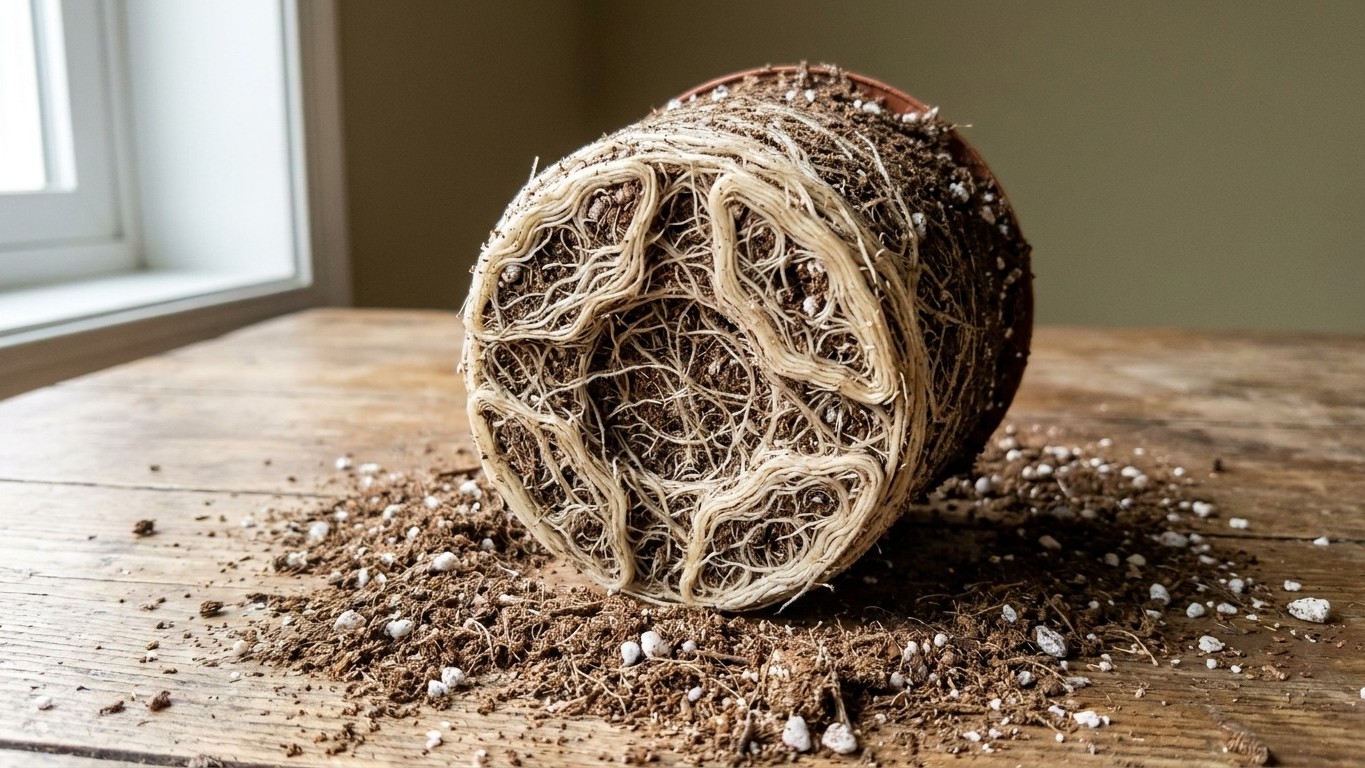
Twenty to thirty basil seedlings. That’s what I found packed into a plastic pot barely bigger than a coffee cup, once I turned it upside down and shook the whole thing free of its container. Not one bushy basil plant, as the label and the shelf display had led me to believe, but a tangled colony of baby plants all fighting over the same thimble of soil.
The pot had looked perfect at the store. Dense, green, almost sculptural. Two weeks on my windowsill later, it was a different story: yellowing leaves, floppy stems, a general air of defeat despite regular watering. I assumed I’d killed it through some rookie mistake. I hadn’t. I’d simply bought a product engineered to look great for about five days and then fall apart.
Key takeaways
- Supermarket basil pots contain 20-30 seedlings packed into one tiny container, not a single plant
- The plants are designed to look perfect on shelves for days, then collapse once they leave the greenhouse
- A simple separation technique on day one can transform grocery store basil into months of harvestable leaves
Why supermarket basil is built to fail
The mechanics behind this are almost mischievous once you understand them. Growers sow large quantities of seed together in a small pot and grow them in the best greenhouse conditions with perfect temperature, humidity, and supplemented lighting, which is why they look so good when they hit the shelves. The goal has nothing to do with how the plant will perform in your kitchen a month from now. When basil is grown commercially for the supermarket, the goal is to make it look as gorgeous as possible on the shelf so that you buy it, rather than longevity.
Once that pot leaves the climate-controlled greenhouse, the math turns against it fast. What looks like one healthy plant is actually a cluster of 20 to 30 seedlings jammed into a single container. The roots form a dense, compact mass with no space to expand, and each seedling competes for the same small amount of water, nutrients, and light. There simply isn’t enough potting mix in there to feed that many mouths for long. The plants are competing for the very finite food that’s in the potting compost they are growing in, and eventually, often within days of getting them home, they simply run out of food and die.
There’s a cruel irony baked into the timing, too. The moment you see them in the supermarket, they are literally at their best, about to go over the edge into a speedy death. You’re not buying a mature herb plant. You’re buying a countdown clock dressed up as one.
What the root ball actually reveals
Tip a struggling supermarket basil out of its pot and the evidence is unmistakable. The roots don’t have anywhere to grow, and they circle the pot without space to expand into more soil. That thin plastic pot dries out faster than it has any right to, which only compounds the problem: the compost volume is so small that it dries out quickly on a hot day, and the nutrient reserves are depleted from all the individual basil plants competing with each other.
Then there’s the shock of the move itself. A grocery store shelf and a home windowsill are not the same environment, and the plant notices immediately. It gets a bit of a culture shock when it arrives in your house with lower humidity, lower light intensity and fluctuating temperatures, and it reacts by wilting due to shock. Add cold storage during transport into the mix and things get worse before they get better: basil is highly cold-sensitive and begins to suffer moderate chilling injury when stored at 7-10°C, leading to leaf blackening and collapse after purchase.
The five-minute fix that actually works
None of this means basil is a difficult plant. It means the version sold in a tiny nursery pot needs an intervention almost immediately, not weeks of patient watering. The only way to give supermarket basil a longer life is to separate the seedlings and repot them individually, beginning by gently removing the entire plant from its plastic container and using your hands to carefully pull apart the root ball.
Don’t be precious about it. Don’t worry about being too precise, as basil is quite resilient at this point, and some root disturbance is far less damaging than leaving the basil overcrowded and wilting. Most guides suggest breaking the mass into two or three sections rather than dozens of individual seedlings. Divide it up into two or three different containers with some fresh soil, then unpot the herb, gently pull the roots apart with some stems attached, and repot them in individual four- to six-inch containers filled with soil.
Fresh soil matters more than people expect, because the original mix has already been stripped bare by all those competing roots. Fresh soil helps reset the environment, since the original soil is often depleted and compacted, and a new potting mix provides better drainage and more nutrients to support healthier growth. Give each newly divided clump proper drainage holes and don’t drown it in the days that follow. Basil roots that sit in soggy compost rot fast, and a plant already stressed by division has no reserves left to fight that off.
Where to put it once it’s settled
Light is the other half of the equation, and it’s where most windowsill basil quietly starves even after repotting. Basil is a warm-weather crop that requires significant light exposure to fuel its growth, and newly separated plants do best somewhere that receives six to eight hours of direct sunlight each day, such as a south- or west-facing window. A north-facing sill that looks bright to your eye often isn’t bright enough for a Mediterranean herb that evolved under a much harsher sun. Temperature counts too: basil is sensitive to cold, so it should be protected from drafts and kept in a warm environment, ideally with temperatures consistently above 70°F (21°C).
The plants themselves aren’t fragile once they’ve got room to breathe. Basil has been cultivated in gardens for thousands of years without a single supermarket in sight, and a divided seedling with its own pot, its own soil, and a decent patch of sun will typically reward you with pesto-worthy leaves for months, not days. The lesson isn’t to avoid the grocery store basil aisle. It’s to treat that pot as a starter kit for three or four plants rather than a finished houseplant, and to do the splitting on the same day you bring it home, before the roots have a chance to finish each other off.
Sources : amazingherbgarden.com | gardenandplants.com