My grandmother never took a rosemary cutting without tearing off a little heel of old wood: I laughed for years before I understood why she was right

My grandmother never took a rosemary cutting without tearing off a little heel of old wood: I laughed for years before I u...

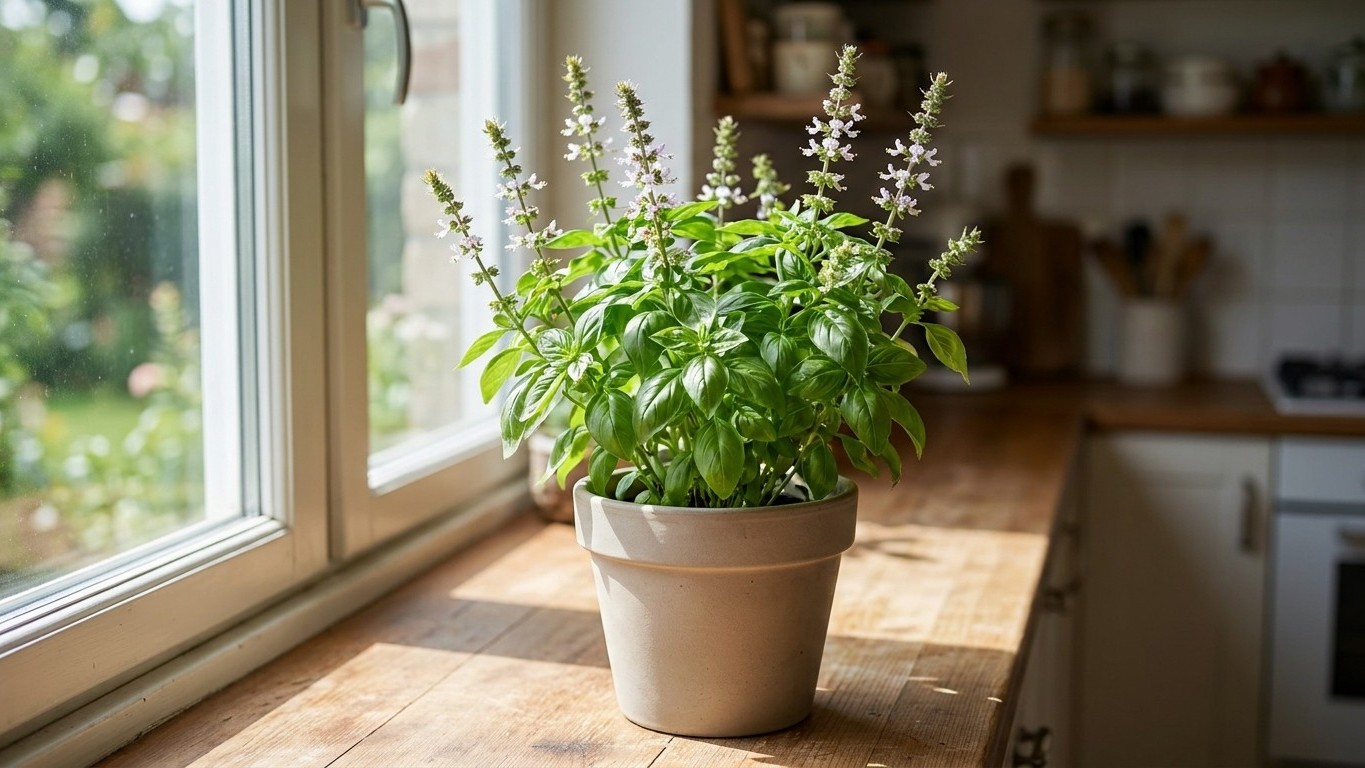
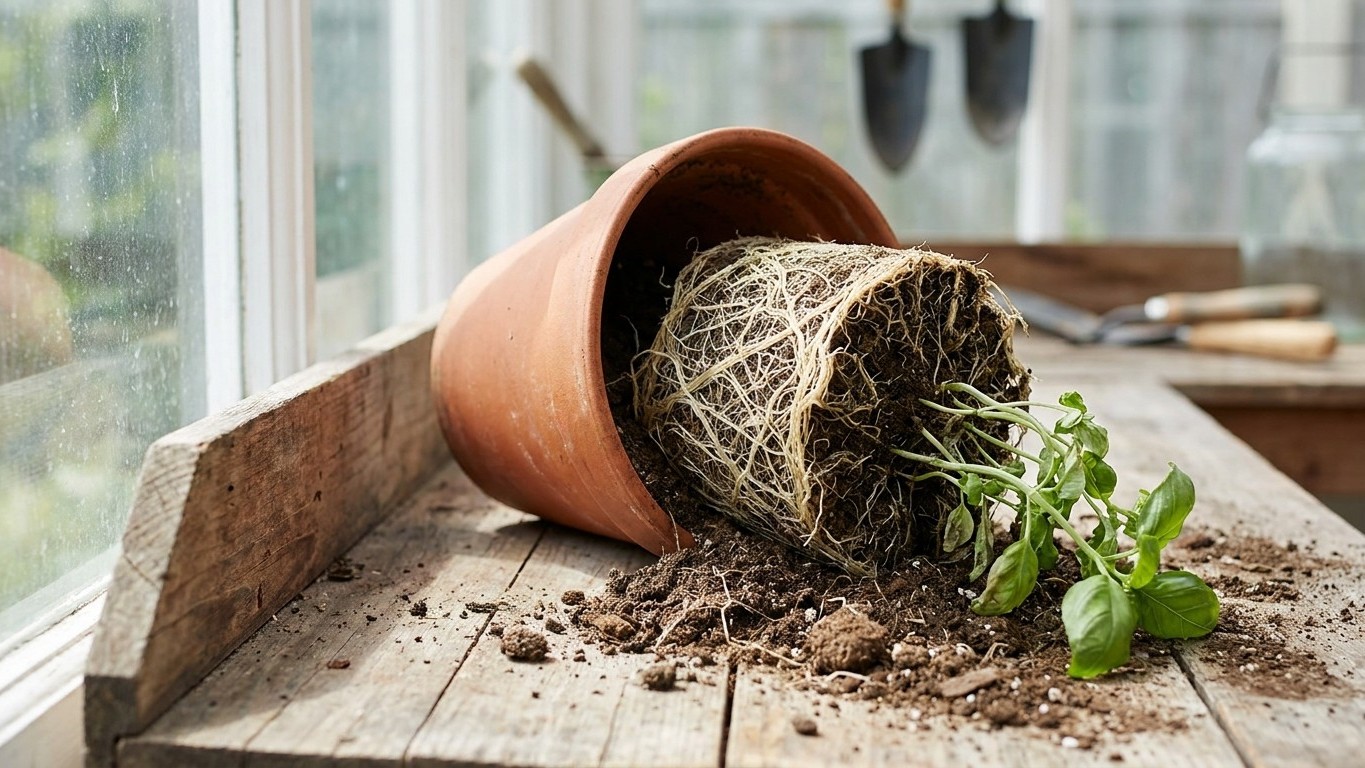
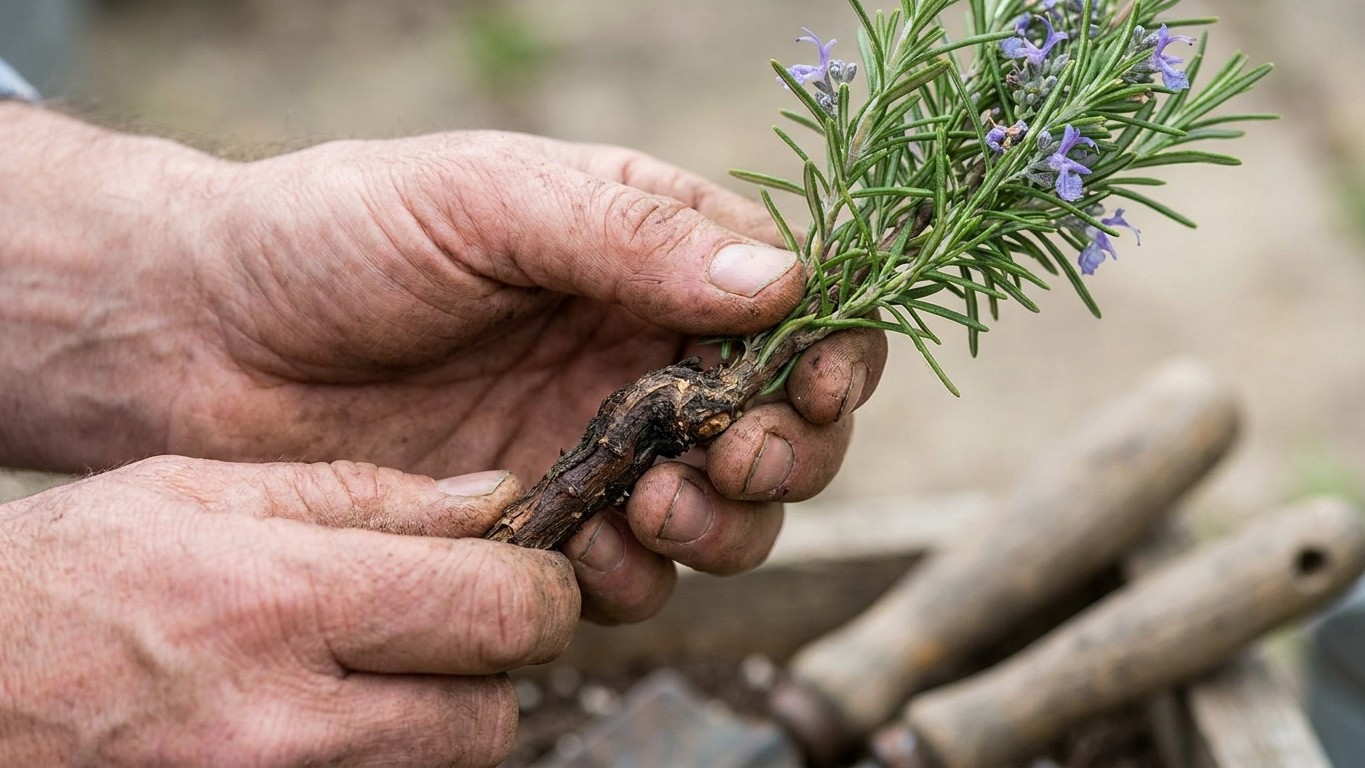
Your grandmother wasn’t being fussy when she tore off that tiny scrap of old wood with rosemary cuttings—she was tapping into the plant’s natural rooting hormones. That small heel of bark exposes the cambium layer, where growth cells concentrate, giving cuttings a biological advantage that transforms propagation success. It’s a technique that works so well, you’ll wonder why you ever tried it any other way.

If your compost has stopped breaking down and smells of ammonia, it’s not the greens you added: it’s what you emptied on it after the last barbecue

If your compost has stopped breaking down and smells of ammonia, it's not the greens you added: it's what you emptied on i...

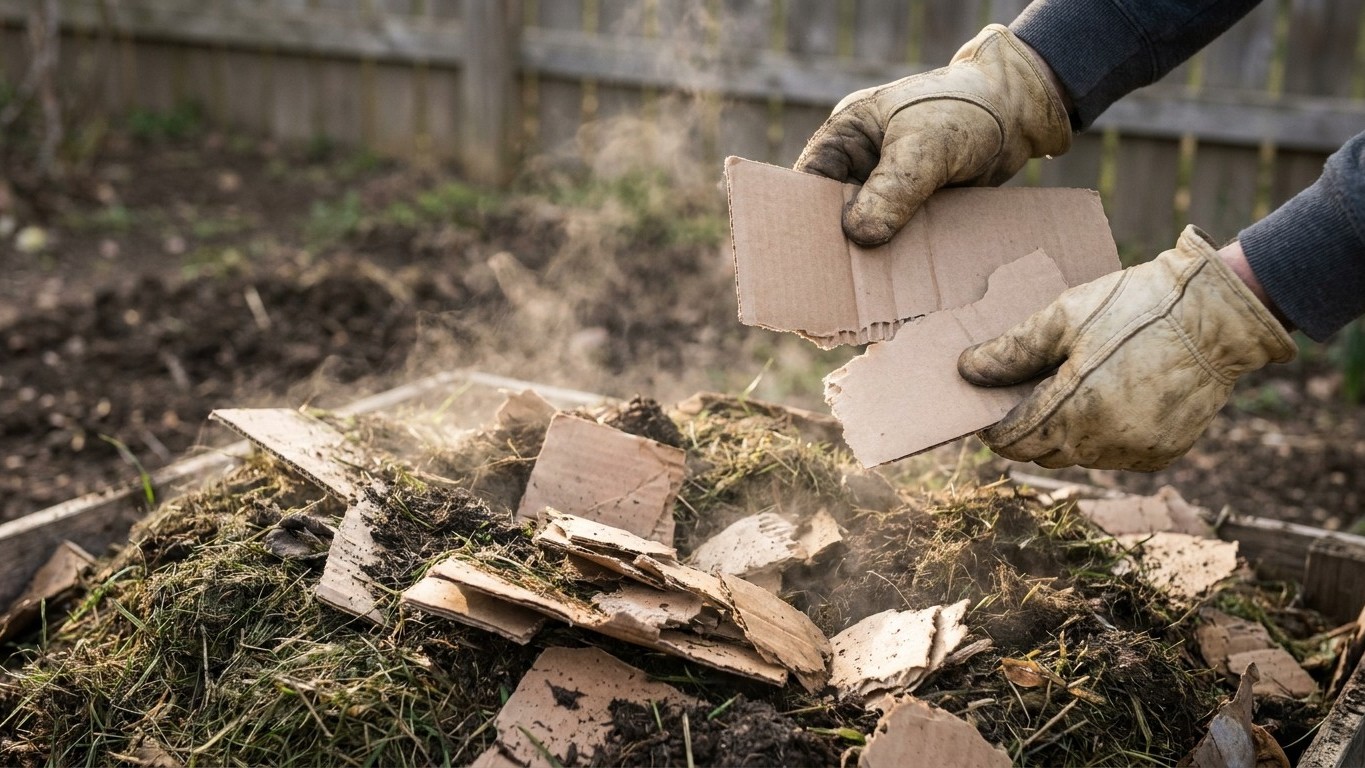
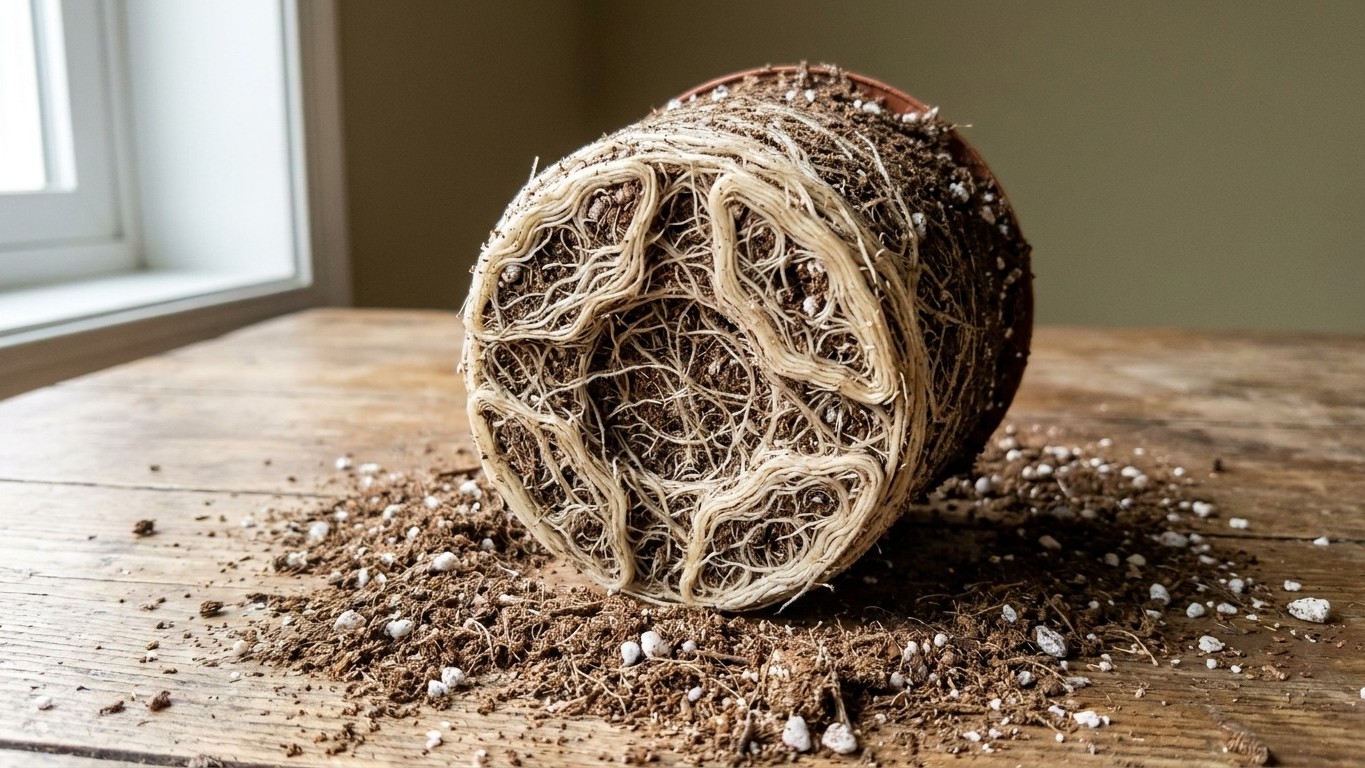
Your compost pile didn’t fail because of too many vegetable scraps—it’s probably the ash from your last barbecue. Wood ash and charcoal ash create a chemical reaction that releases nitrogen as ammonia gas and raises pH so high that microbes simply shut down. Here’s exactly how much ash your pile can handle and how to fix the damage.

I watered my zucchini over the leaves at dusk just to spare them the heat: by mid-August, I saw what those humid nights had left on every leaf

I watered my zucchini over the leaves at dusk just to spare them the heat: by mid-August, I saw what those humid nights ha...

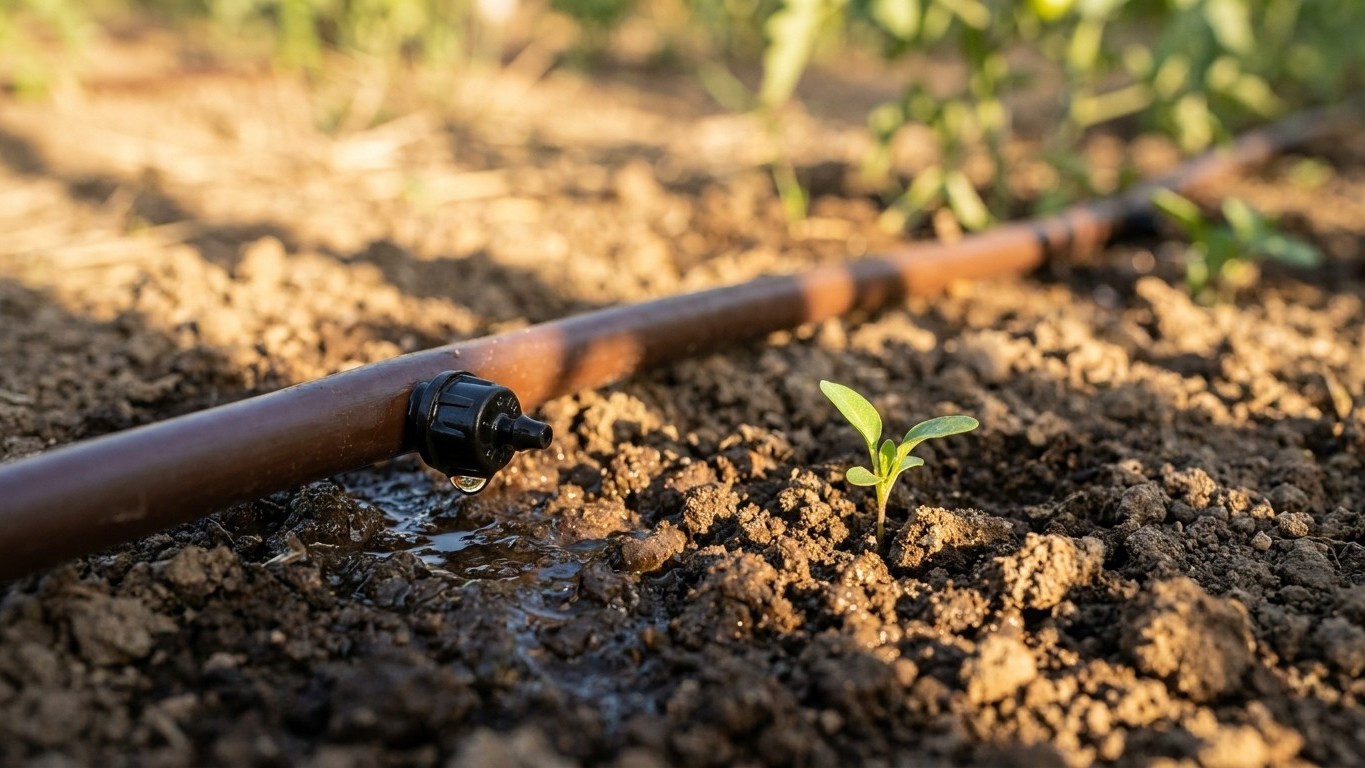
A well-intentioned evening spray to protect zucchini from summer heat inadvertently created the perfect humid microclimate for fungal disease. By mid-August, the damage was unmistakable: white powdery coating and yellow angular patches spreading across every leaf. This is what happens when watering method matters more than watering schedule.

I cut off my zucchini’s big leaves in August just to expose the fruit: two weeks later, I understood what the sun had done to the skin

I cut off my zucchini's big leaves in August just to expose the fruit: two weeks later, I understood what the sun had done...

In pursuit of faster growth, I removed my zucchini’s protective canopy of leaves. Two weeks later, every exposed fruit bore bleached, sunken patches—a painful lesson in photooxidative sunscald. What gardeners really need to know about protecting summer squash from the sun.

We all keep hand-pollinating our squash with a brush, when this one plant sown between the rows does the job before 7 in the morning

We all keep hand-pollinating our squash with a brush, when this one plant sown between the rows does the job before 7 in t...

Tired of waking up before dawn with a paintbrush to hand-pollinate squash? One humble companion plant called borage attracts bees so reliably that they finish the job before most gardeners pour their morning coffee. Just plant it strategically between the rows.

I filled in every little cone-shaped hole in my lawn just to make it look clean: three weeks later, I understood what I had chased out of my grass

I filled in every little cone-shaped hole in my lawn just to make it look clean: three weeks later, I understood what I ha...

Those mysterious cone-shaped holes dotting your lawn aren’t lawn damage—they’re the nests of ground-nesting mining bees, some of nature’s most prolific pollinators. Filling them in during nesting season can destroy developing larvae and eliminate critical pollinators for spring crops. Understanding what’s underground changes everything.

My grandmother always sowed her lettuce in the shade of taller plants: I laughed for years before understanding why she was right

My grandmother always sowed her lettuce in the shade of taller plants: I laughed for years before understanding why she wa...

For decades, a gardener dismissed her grandmother’s habit of tucking lettuce seedlings under taller plants as poor planning. But decades later, after failed summer crops of her own, she finally understood the science: lettuce needs afternoon shade to stay sweet and tender. Here’s how to recreate this time-tested interplanting trick.

The old-timers always cut wisteria’s whippy shoots back in July and it wasn’t to keep it tidy: look what appears before spring

The old-timers always cut wisteria's whippy shoots back in July and it wasn't to keep it tidy: look what appears before sp...

Generations of gardeners have cut wisteria’s vigorous summer shoots in July—not for tidiness, but to trigger a botanical transformation. This strategic summer pruning, combined with winter follow-up, forces the plant to prioritize flower buds over leafy growth, resulting in dramatically more cascading blooms come spring.

I tipped my used coffee grounds onto my houseplants to feed them: when I scratched the crusted layer a month later, I understood what was really breeding underneath

I tipped my used coffee grounds onto my houseplants to feed them: when I scratched the crusted layer a month later, I unde...

That white crust on your potted plants isn’t fertilizer—it’s a breeding ground for mold and fungus gnats. When you scratch through a month-old layer of coffee grounds, you’ll find trichoderma, cobweb mold, and worse: the perfect conditions for pest infestations. Learn which colors signal danger and how to safely feed your houseplants with coffee grounds instead.

I cut my lavender back into the bare wood like any other shrub: when I saw what happened by spring, it was too late

I cut my lavender back into the bare wood like any other shrub: when I saw what happened by spring, it was too late

A single aggressive pruning cut can turn a thriving lavender plant into dead wood by spring. Unlike other shrubs, lavender has a critical weakness: it cannot regenerate from old, woody stems. Master the precise timing and technique that separates successful gardeners from those left holding brittle sticks.