
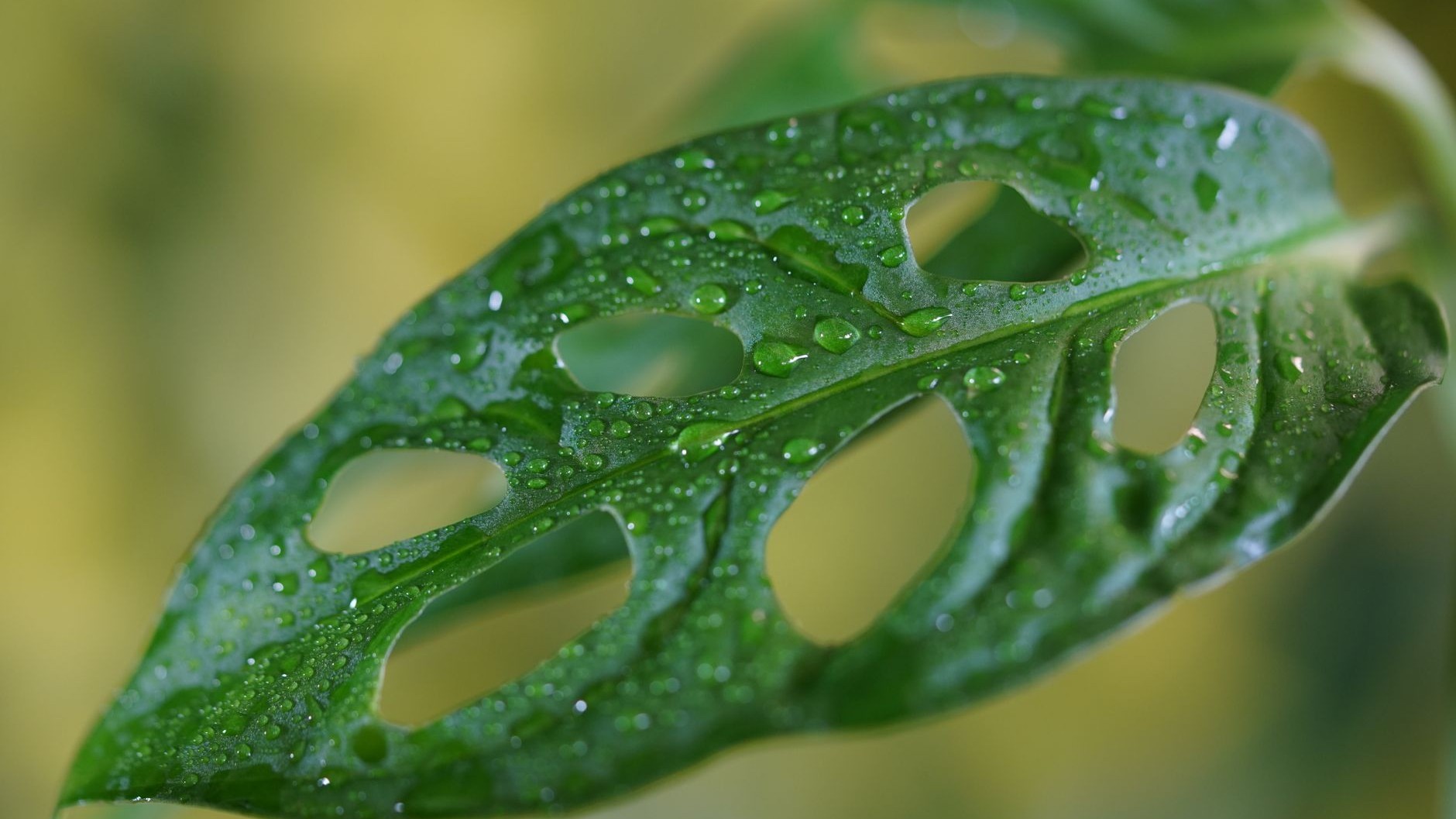
The nursery grower took one look at my living room and pointed at the couch. Not the plant, not the pot, not even the watering can on the shelf. The couch. My Monstera sat six feet from a north-facing window, comfortably tucked between two armchairs, looking healthy and green and utterly unfenestrated after eighteen months in my care. The problem wasn’t neglect. It was distance.
Every leaf that had unfurled since I brought the plant home looked identical: solid, heart-shaped, glossy. No holes, no splits, none of the lacy drama that fills plant accounts online. I’d read that patience was the answer. I’d read that Monsteras just needed time. What nobody mentioned was that the specific spot in my apartment, the one that felt bright enough to my eyes, was delivering a fraction of the light the plant actually needed to bother splitting a leaf.
Key takeaways
- A nursery expert identified the one overlooked factor preventing fenestration in mature Monsteras
- Splitting requires a surprisingly specific energy calculation that most home environments fail to meet
- The fix required no special equipment—just moving a plant and measuring something most people ignore
Fenestration isn’t decoration, it’s survival math
Monstera deliciosa didn’t evolve those iconic holes to look good on a coffee table. In its native range, the plant climbs tree trunks in the understory of Central American rainforests, competing for scraps of sunlight that make it through a thick canopy. These splits are not just aesthetic; they serve a functional purpose for the plant, allowing sunlight to pass through to lower leaves and reduce wind resistance in tropical forests. A young plant, still low on the trunk, doesn’t need that trick. Its leaves stay whole because nothing’s blocking its access to light yet.
Here’s the part that surprised me most. The splitting process isn’t just slowed growth or stress. It’s accomplished through a genetically encoded process, unusual in the plant world, in which cells organize their own destruction through programmed cell death. The plant is, quite literally, killing off sections of its own leaf tissue on purpose. That’s not a passive response to bad conditions. It’s an active decision the plant only makes when it’s getting enough energy to justify the investment.
What “bright light” actually means to a nursery grower
This is where my living room failed the test. I assumed any spot near a window counted as bright indirect light. Growers measure things differently. Monsteras want bright indirect light for optimal growth, roughly 500 to 1,000 foot-candles, which is about what you get 3 to 6 feet from a south or west window, or right next to an east-facing window. My plant, six feet from a north window with two armchairs partially shading it, was likely sitting well under half that number without me realizing it.
The nursery grower’s diagnosis lined up with what horticultural references confirm Again and Again: if you have a mature monstera not growing split leaves, the likely culprit is insufficient light, because without plenty of light, your monstera doesn’t know to produce those splits to let the light through. It’s a strange thing to accept, that a houseplant is essentially making a calculated bet about its own energy budget every time it grows a new leaf. Move the light, and the bet changes.
Window direction matters more than most people assume, too. East-facing windows are considered ideal placement for monsteras, since morning sun is gentle enough for direct exposure without scorching, followed by bright indirect light through the day. South and west exposures work as well, but they demand more buffer distance or a sheer curtain to avoid scorching mature foliage during peak afternoon hours.
Age still plays a role, just not the one I thought
Light wasn’t the whole story, though. Even in perfect conditions, a Monstera won’t produce fenestrations on command. One of the primary reasons for the absence of splits is simply the plant’s age, since Monsteras typically start developing fenestrations when they are between one and three years old, with two to three years being the most common range. That matches what I’d already read, and it’s tempting to blame Everything/”>everything on youth. But the grower’s point stood: age sets the earliest possible moment splitting can happen, light determines whether it happens at all once the plant is mature enough.
Watering habits and nutrition round out the list of quieter culprits. Overwatering or underwatering can stress the plant and delay fenestration, since Monsteras prefer consistently moist but well-draining soil, and soggy soil leads to root rot while drought conditions force the plant to prioritize survival over leaf development. None of that mattered much for my plant, though. My watering schedule was solid. The couch, and everything blocking that window, was the actual bottleneck.
The fix took less effort than I expected
I moved the pot roughly three feet closer to the window and rotated it weekly so every side got equal exposure. No grow light, no fertilizer overhaul, just repositioning. Within two growth cycles, the newest leaf came in with two shallow notches near the base, nothing dramatic, but a start. Patience is all you need, since once the leaves grow a bit larger and the plant matures, splits should begin to appear, and if a Monstera still shows no splits after three years, it’s worth checking other growing conditions. For anyone whose plant is stuck in the same solid-leaf holding pattern, the fix probably isn’t more water or a new pot. It’s usually the six inches of shade sitting between the plant and the window that nobody thought to measure.
Sources : homesandgardens.com | libanswers.nybg.org