
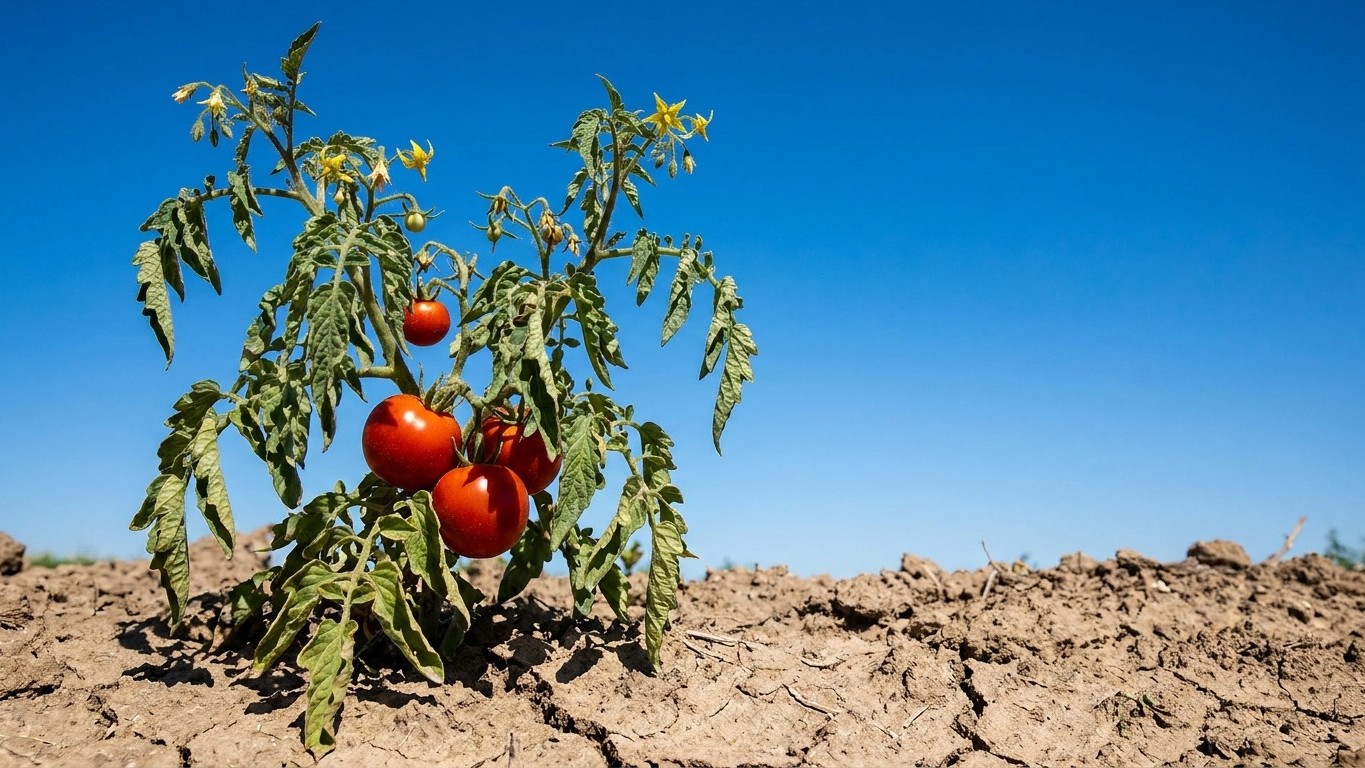
Blossom drop above 90°F has nothing to do with soil moisture. It’s pollen. At those temperatures, tomato pollen turns sticky and clumps together inside the flower, so it can’t transfer to the stigma. No fertilization, no fruit. The plant senses the failed pollination and simply abandons the flower, snapping it off at the stem within a day or two. Watering more won’t reverse that chemistry. It just leaves you with soggy roots and the same empty flower clusters.
The confusion makes sense, though. Wilting leaves and dropping flowers look like classic drought stress, and the instinctive response is to grab the hose. Gardeners who increase watering after a hot spell often see the plant perk up within hours, which reinforces the idea that thirst was the problem. But that recovery is about leaf turgor, not flower viability. The blossoms that already dropped are gone regardless, and the ones opening the next scorching afternoon will follow the same path if temperatures stay high.
Key takeaways
- At 90°F+, tomato pollen becomes tacky and clumps together, blocking pollination entirely—no amount of water changes this chemistry
- Overwatering during heat waves can trigger root rot and nutrient leaching, creating a second stress on top of failed flowers
- Shade cloth, heat-tolerant varieties, and strategic mulching address the real problem—keeping pollen viable when temperatures spike
What actually happens inside the flower
Tomato flowers are self-pollinating, which normally makes them reliable producers. Each blossom has both male and female parts, and a light breeze or a buzzing bee is usually enough to shake pollen loose and complete fertilization. Research from university extension programs, including work summarized by University of Minnesota Extension, points to a fairly narrow comfort zone: daytime temperatures between 70°F and 85°F, with nights that don’t stay much above 75°F, give the best fruit set.
Cross the 90°F daytime threshold, especially combined with warm nights, and pollen viability drops fast. Grains that would normally stay loose and dry become tacky. Some varieties also show swollen or malformed styles under heat stress, which physically blocks pollen from reaching the ovary even if a grain manages to move. The flower waits a day or two, produces no seed development signal, and the plant reallocates energy by dropping it. This is not a defect. It’s a fairly efficient survival strategy, since a fruit-heavy plant during extreme heat would need more water and energy than it could reliably pull from the soil anyway.
Humidity compounds the problem. Extension research from Texas A&M AgriLife notes that pollen tends to clump even faster when humidity climbs above 70 percent at the same time temperatures spike, which is exactly the combination much of the tomato-growing South and Midwest experiences during peak summer weeks.
Why extra water sometimes makes things worse
Overwatering during a heat wave doesn’t just fail to fix blossom drop. It can create a second problem. Saturated soil pushes out oxygen that tomato roots need, and warm, wet conditions are a near-perfect setup for root rot and fungal issues like Fusarium wilt. A grower chasing the wilting-leaves symptom with daily watering can end up with a plant that’s stressed on two fronts: heat-damaged flowers up top, and oxygen-starved roots below.
There’s also a nutrient angle. Excess water leaches nitrogen and potassium out of the root zone faster than the plant can use them, and potassium in particular plays a direct role in a plant’s ability to regulate water loss through its leaves during heat stress. So the well-meaning extra watering can leave the plant less equipped to handle the next hot afternoon, not more.
None of this means tomatoes should go thirsty. Consistent, deep watering (roughly one to two inches per week, delivered at the soil level rather than overhead) still matters. The point is that watering solves a moisture problem, not a pollen problem. Once daytime highs are regularly clearing 90°F, extra water is addressing a symptom that was never the actual disease.
What actually helps during a heat spike
Shade cloth is the most direct fix, and it doesn’t need to be elaborate. A 30 to 40 percent shade cloth draped over the plants during the hottest afternoon hours, roughly noon to 4 p.m., can drop the ambient temperature around the flowers enough to keep pollen from clumping. Some growers rig this with simple stakes and clips; others use a lightweight frame. Either way, the goal is filtered light, not a full blackout, since tomatoes still need strong sun the rest of the day.
Morning watering timed before 9 a.m. also helps indirectly. It gives the plant full hydration before the heat load hits, which supports better leaf transpiration and slightly cools the plant through evaporative cooling, even though it won’t restore pollen viability once temperatures spike. Mulching around the base with straw or shredded leaves keeps soil temperatures more stable and reduces how often the root zone swings between wet and dry, which matters more than the total volume of water applied.
Variety selection is the longer-term lever. Heat-tolerant cultivars bred for Southern climates, things like Heatmaster, Solar Fire, or Phoenix, keep pollen viable at higher temperatures than standard varieties. A grower in Texas or Florida dealing with weeks of 90°F-plus days every summer will get noticeably better fruit set from these than from a variety bred for cooler Northern growing seasons.
One more detail worth knowing: the flower drop is usually temporary in effect, not permanent for the season. Once nighttime temperatures dip back below 75°F, typically as summer transitions into early fall, tomato plants often resume setting fruit normally on new blossoms. Gardeners who keep plants alive and reasonably healthy through the worst heat weeks, rather than stressing them further with overwatering, frequently see a strong second wave of fruit set in September. The plant isn’t broken. It’s just waiting for conditions where its pollen actually works.