
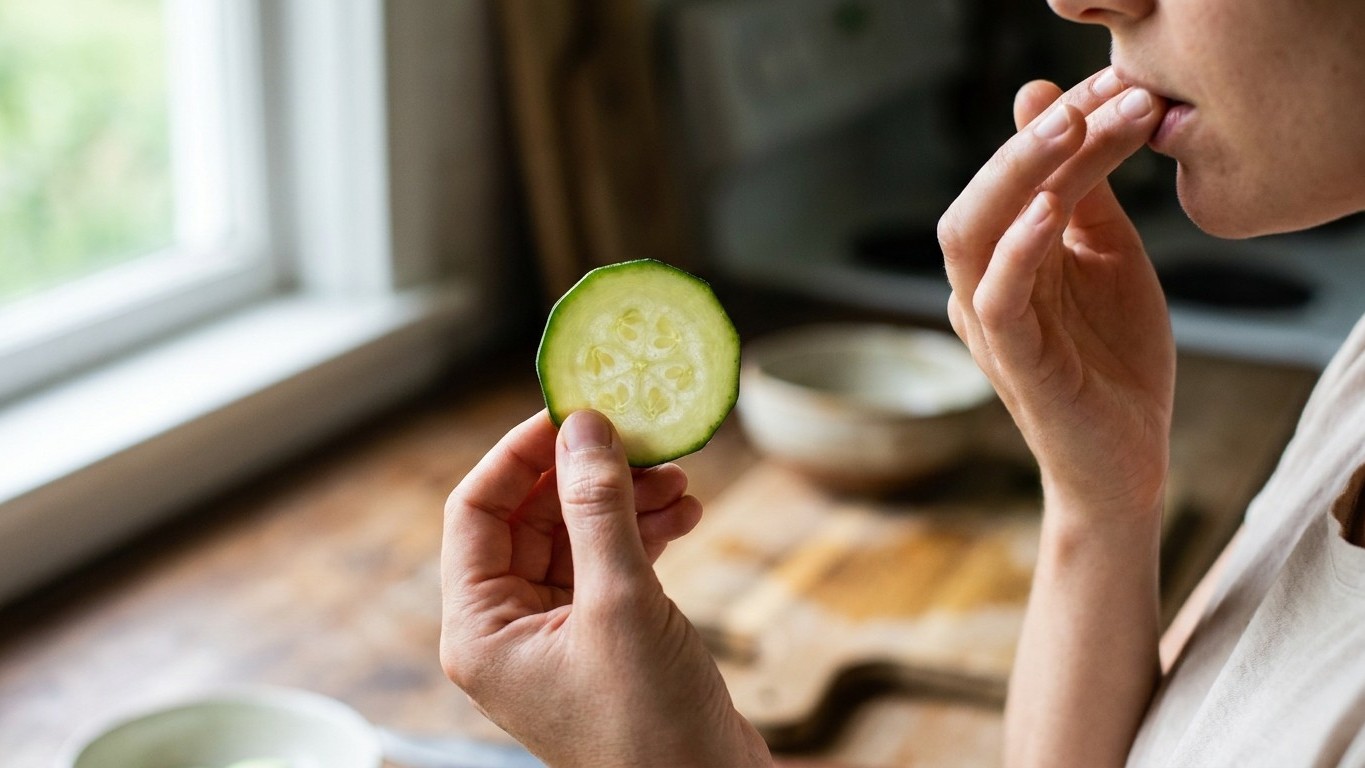
Bitter zucchini isn’t a texture problem or a seasoning mistake. It’s a Warning Sign, and my grandmother knew it decades before food safety agencies started publishing pamphlets about it. The moment a slice hit her tongue and puckered with that unmistakable bitterness, the whole vegetable went straight into the trash, no exceptions, no “maybe it’s just this part.” I used to roll my eyes. Now I do the exact same thing, and I tell everyone who’ll listen why.
Key takeaways
- A chemical compound produced by stressed zucchini plants causes a dangerous condition with a peculiar name
- Cooking cannot neutralize this toxin, making prevention the only real protection
- A raw taste test from your grandmother’s era turns out to be backed by modern food safety science
The compound behind the bitterness
Zucchini, along with cucumbers, pumpkins, and all their squash-family cousins, naturally produces a class of chemicals called cucurbitacins. In tiny amounts, they’re harmless, sometimes even undetectable. But under certain growing conditions, especially stress from heat, drought, or poor soil, the plant ramps up production as a defense mechanism against pests. The result is a squash that looks completely normal on the outside but carries concentrations of cucurbitacin high enough to cause real gastrointestinal damage.
The tricky part is that store-bought zucchini has been bred over generations specifically to keep cucurbitacin levels low and stable. Home gardeners don’t have that luxury. Seeds saved from year to year, or plants grown too close to ornamental gourds, can cross-pollinate and revert to producing bitter, toxic fruit. This is exactly why the danger shows up far more often in backyard gardens and farmers market hauls than in supermarket produce aisles.
Why one bite is enough to know
Cucurbitacins don’t hide. They announce themselves immediately, with a sharp, almost chemical bitterness that has nothing in common with the mild, faintly sweet taste of a normal zucchini. This is by design, in a sense. Evolution gave these compounds an intensely unpleasant flavor precisely so that animals, and humans, would reject them before eating a harmful dose. My grandmother never needed a lab test. Her palate was the test, and she trusted it completely.
What she couldn’t have explained in scientific terms is that cooking does nothing to neutralize the toxin. Frying, boiling, grilling, none of it breaks down cucurbitacins. A bitter zucchini stays bitter and stays dangerous no matter how it’s prepared, which means the only real safeguard is tasting a small piece raw before committing the whole vegetable to a recipe. Bakers and home cooks sometimes forget this rule when they’re shredding zucchini into batter or blending it into soup, where the bitterness can get masked by sugar, spices, or other strong flavors.
What actually happens if you eat it
The condition has an actual name in medical literature: toxic squash syndrome. Symptoms typically start within a few hours of eating the contaminated vegetable and include severe stomach cramps, vomiting, and watery diarrhea that can last for days. In more serious documented cases, patients have experienced significant fluid loss requiring hospitalization. There have been rare reports internationally linking extremely high cucurbitacin exposure, particularly from bitter ornamental gourds mistakenly cooked and eaten, to hair loss and more severe systemic effects, though those cases involved concentrations far beyond what a typical bitter garden zucchini would contain.
None of this means every home-grown squash is a gamble. The vast majority of zucchini, pumpkins, and cucumbers grown in backyard gardens are perfectly safe and taste exactly as they should. The risk is specific and narrow: it shows up almost exclusively in cross-pollinated plants, in seeds saved without knowing their parentage, or in squash grown under unusual stress. Commercial seed companies test their hybrid varieties specifically to avoid this problem, which is one more reason to buy zucchini seeds from a reputable supplier rather than replanting saved seeds year after year without knowing what they’ll produce.
A habit worth stealing from grandma
Taste a raw sliver from the stem end and the blossom end of any homegrown zucchini or cucumber before cooking it, especially if you’ve saved your own seeds or grow ornamental gourds nearby. If it tastes normal, or even a little grassy and mild, you’re fine. If there’s any sharp, lingering bitterness, don’t second-guess it and don’t try to cook around it. Toss the whole vegetable, wash your hands, and move on to the next one in the basket.
My grandmother’s garden rule turned out to be sound science dressed up as old-fashioned stubbornness. She wasn’t overreacting. She was running a one-ingredient safety test that most of us never think to perform, using nothing more than her own tongue and decades of quiet trust in what her body was telling her. That’s a habit worth keeping alive in every kitchen, especially now that more people than ever are growing their own vegetables and swapping seeds with neighbors without knowing exactly what those seeds will grow into.