
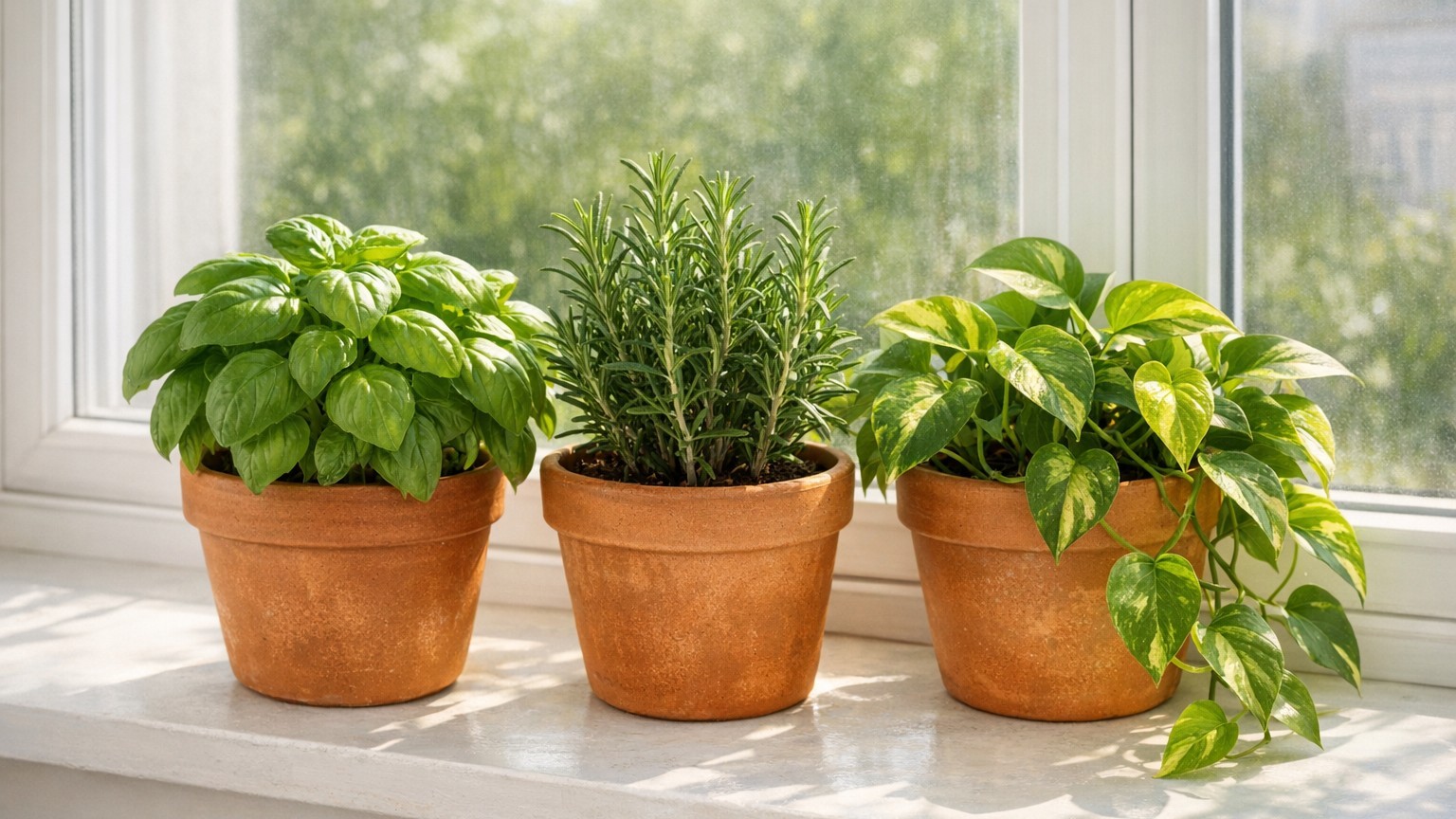
Grandmothers had a habit that most people dismissed as quirky interior decorating: a pot of basil or rosemary tucked right next to the peace lily or the ficus. No explanation, no label, no Pinterest board. Just a knowing gesture, passed down from generation to generation. In 2026, that gesture is getting a second look, and the science behind it is more compelling than anyone expected.
Key takeaways
- Plants communicate through invisible chemical signals that repel insects—and grandmothers knew it worked before science had a name for it
- Certain herbs do double duty: they guard neighboring plants from pests AND boost humidity in dry indoor air
- The setup is simpler than you think, but light matters more than you’d expect
An Ancient Practice, A Modern Explanation
For decades, the idea of growing certain plants together was treated like “old wives’ tales.” In 2026, the science of allelopathy, how plants use chemicals to influence their neighbors, has transformed this practice from folklore into a precision strategy. The specific habit in question: keeping aromatic herbs, particularly basil, mint, rosemary, and lavender, right beside decorative houseplants. Not for looks. For protection.
While much of this wisdom comes from generations of gardener observations, modern research is backing it up. Scientists have discovered that plants communicate through chemical signals, both above and below ground. Some release compounds that repel harmful insects, while others produce substances that help neighboring plants grow stronger. The mechanism has a name: volatile organic compounds, or VOCs. Think of them as a chemical language, invisible, constant, and surprisingly effective.
Volatile organic compounds are a class of specialized metabolites naturally emitted by plants that play an important role in plant communication and signaling. When a basil plant sits next to your monstera, it isn’t just filling the air with fragrance. It is actively broadcasting a chemical signal that bugs find hostile. Plants emit these herbivore-induced plant volatiles as an inducible defense, communicating to herbivores’ natural enemies and to neighboring plants. Old-timers understood the result without knowing the mechanism. The plants just did better.
Why Herbs Were the Weapon of Choice
Most culinary herbs are natural pest repellents. Sliding a potted rosemary next to a beloved ficus can actually go a long way toward keeping pests at bay. The reason is straightforward chemistry. Certain houseplants are powerful natural bug repellents that leverage potent volatile oils for a sustainable solution to common pest problems.
The roster of effective herbs is well-established. In a sunny window, mint is easy to keep, useful as a culinary ingredient, and an effective deterrent for flies, beetles, squash bugs, ants, and more. Rosemary is no slouch either: the pine-like smell of rosemary leaves repels a variety of pests like beetles and flies. It needs light, well-draining soil and full sun, avoid overwatering this Mediterranean native. Lavender works on a different set of intruders: the plant naturally produces an oil that can deter several types of flies, moths, beetles, mosquitoes, fleas, and other kinds of insects.
Basil deserves its own mention. When researchers studied basil and tomato combinations, they found that basil doesn’t just repel pests through its strong scent, it actually helps neighboring plants produce compounds that boost their natural defense systems. The volatile oils released by basil prime plants’ immune responses, making them more resistant to pest attacks and diseases. That’s not folklore. That’s biochemistry. The smell of basil is effective at deterring flies, thrips, and mosquitoes. Harvesting leaves regularly releases the aroma into the air, and picking and crushing leaves makes the smell more potent and effective.
There’s a logic to combining multiple herbs as well. For enhanced pest-repelling power, pairing basil with other aromatic herbs like mint, rosemary, or lavender creates a multi-sensory deterrent, confusing and repelling a wider range of pests. One pot of basil is good. Three varieties in the same corner of a room is a proper indoor defense system.
The Other Benefit Nobody Talks About
Pest control gets most of the attention. But the old practice of grouping plants together also served a quieter, equally practical function: managing humidity. Grouping plants together creates a microclimate that boosts humidity. In a heated American home in January, where indoor air can drop to 10% humidity or less, that microclimate is the Difference between crispy brown leaf tips and a genuinely thriving philodendron.
It has been a usual practice for many years to grow potted plants indoors, and one of the major difficulties is the maintenance of proper humidity. While comfortable temperatures may be maintained indoors in winter, the air contains only minor amounts of moisture. In heated dwellings in wintertime, the air has about ten percent humidity or less, which tends to cause drying, curling, and browning of plant foliage, and promotes insect infestation. Low humidity and pest pressure are directly linked. The herb cluster addresses both at once.
Plants cannot fight off pests when they are struggling to grow in too little light, overly wet or dry soil, or too hot or too cold air temperatures. A stressed houseplant is an invitation. An herb stationed nearby acts as both bodyguard and support system, raising local humidity through transpiration while broadcasting volatile compounds that insects dislike. The two functions reinforce each other.
How to Actually Do It in 2026
The practical setup is simple. The key constraint is light. Plants must get enough sun to produce the strong, concentrated essential oils needed to ward off insects. If the scent is weak, the repellent is weak. A north-facing shelf with no direct light will keep your rosemary alive but functionally useless as a pest deterrent. South or east-facing windowsills are the sweet spot.
Mint requires a container boundary. Many people avoid growing it outdoors in beds because it readily takes over all available space, mint throws out runners and will even colonize the pot next to it. Indoors, keep it in its own container. Place it near the others, not in the same pot. Group basil with rosemary and mint in separate pots within the same tray to harness their benefits without risking overcrowding.
One pairing that often gets overlooked: pairing aloe vera and snake plants together can improve your living space, both plants offer health benefits which make them even more valuable as companions, plus they have similar growth patterns and sizes that complement each other. Adding a potted lavender nearby completes a low-maintenance, high-function corner that would have looked completely normal in any American home fifty years ago.
There’s a quiet irony here. The generation that grew herbs on kitchen windowsills next to their decorative plants wasn’t wrong, they just had no peer-reviewed paper to point to. Both basil and mint have been used as a form of pest control and mosquito repellent since ancient times. What’s genuinely new in 2026 is that we now understand the mechanism well enough to be intentional about it: choosing the right herb for the specific pest pressure in your home, placing it at the right light level, and combining herbs for broader coverage. The instinct was always correct. The precision is what’s new.
Sources : gardeningknowhow.com | almanac.com