
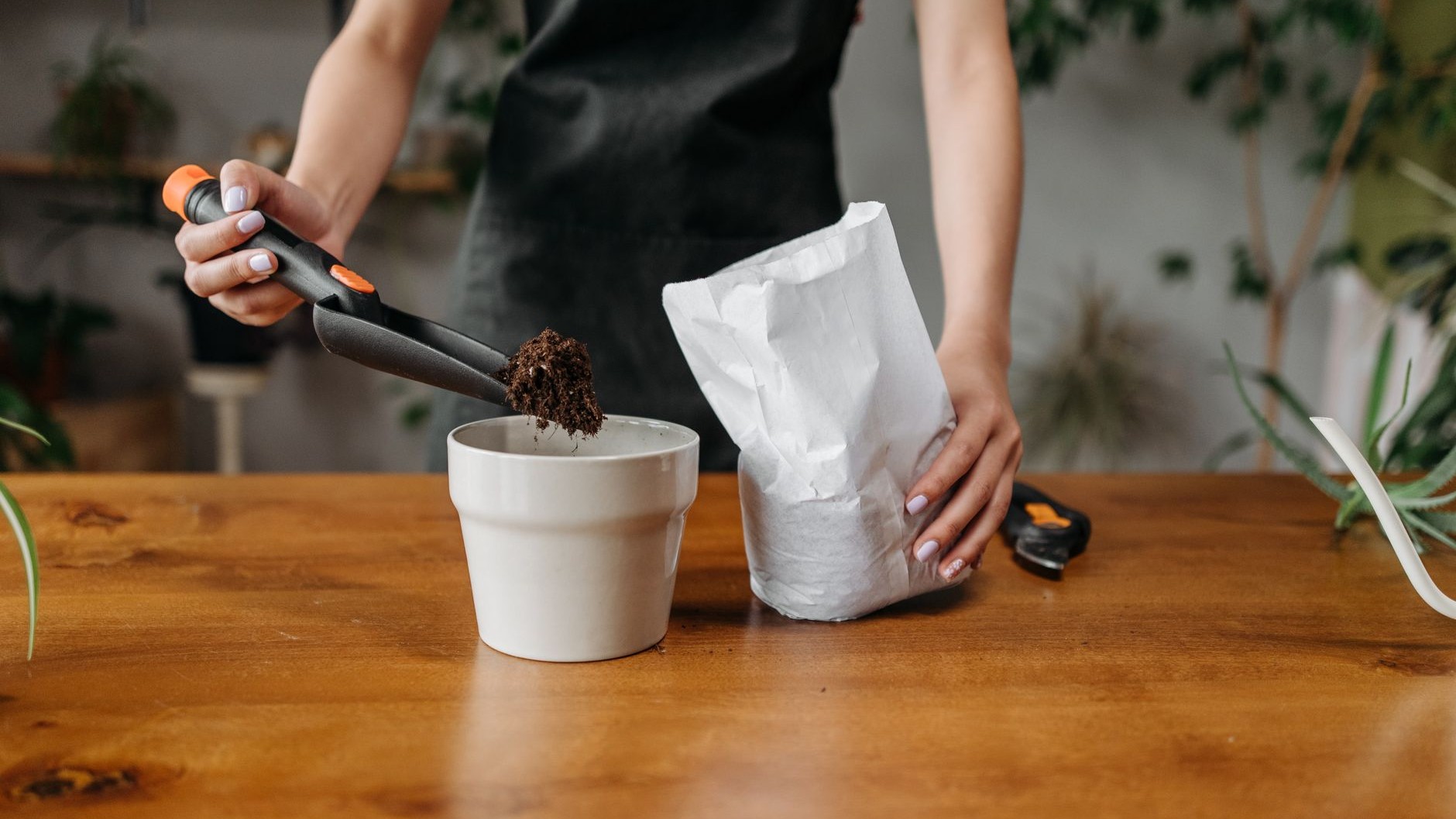
Diatomaceous earth looked like the perfect fix: a sprinkle of white powder, zero chemicals, and supposedly an insect death sentence. Then the watering can came out. Twenty minutes later, the soil surface was damp, the powder had turned into a faint gray film, and within days the gnats were back circling the same pothos like nothing had happened. That’s not bad luck. That’s basic materials science working exactly as it should, just not in the direction anyone wants.
Key takeaways
- Diatomaceous earth’s ‘razor-sharp’ microscopic edges only work bone-dry—water clogs them like syrup on glass
- Fungus gnats actually live in the moist soil beneath the powder, not in the barrier itself
- One application after watering is basically useless; the real fix combines dry soil, reapplication, and a moisture-resistant backup plan
Why That Powder Stops Working the Moment It Gets Wet
Diatomaceous earth isn’t a poison. It’s fossilized algae, ground into a powder with edges sharp enough, at a microscopic level, to slice through an insect’s waxy exoskeleton. DE works mechanically, not chemically. Its microscopic sharp edges damage insects’ outer layers and joints, causing them to lose moisture and dehydrate. Once that protective coating is breached, the bug can no longer hold onto water, and it dies of dehydration over the following day or two.
That entire mechanism depends on the powder staying bone dry. The instant water touches it, the story changes completely. Diatomaceous Earth is only effective when it is 100% dry. If you apply it to damp soil, the microscopic “razors” become clogged with water and lose their ability to pierce the insects. Picture shards of glass suddenly coated in syrup: still technically sharp, but no longer able to cut through anything. Watering doesn’t just dilute the powder. It disables it.
Worse, water physically relocates the stuff. Water destroys the mechanical properties that make DE effective. Once saturated, the sharp-edged particles clump together and lose their ability to abrade exoskeletons or absorb moisture from larvae. A separate manufacturer’s own technical guide confirms the same limitation from the other direction: The mechanical action we described above is only effective under dry, controlled conditions; even a lot of humidity can affect DE in its pest control work. So a light dusting on top of moist potting mix, followed by a normal watering session, essentially resets the battlefield in the gnats’ favor.
The Real Reason Gnats Kept Coming Back Anyway
Fungus gnats don’t live in the powder layer, they live in the top few inches of consistently damp soil, where the larvae feed on organic matter and fungal growth. That habit is the whole problem, and it explains why a one-time barrier rarely solves anything long-term. As one extension entomology answer put it plainly, the fix isn’t the powder itself but what happens between waterings: The best strategy to minimize fungus gnats long-term is to allow the soil/growing medium to dry between watering, especially the top 1-2 inches. Having the soil dry will decrease the survival of the eggs laid or the larvae and it also makes it less appealing to the existing gnats to lay eggs into.
That’s a bigger deal than it sounds. Most people who battle these gnats are, without realizing it, running a moisture buffet. Overwatered soil, especially soil that stays soggy near the surface, is basically an incubator. Fungus gnats are a kind of small black gnat in the Sciaroidea superfamily that eats fungus. They frequently infest home plants that have been overwatered, kept in extremely damp circumstances, or are infected with other pests like as aphids. Dust the surface with DE all you want; if the mix underneath never dries out, the powder is fighting a losing battle against biology.
Making Diatomaceous Earth Actually Work
The fix isn’t abandoning DE, it’s changing the routine around it. A few adjustments make the difference between a one-day gimmick and something that genuinely dents a gnat population.
- Let the top layer of soil dry out completely before applying, since diatomaceous earth must be dry to work effectively, so it is best used on the surface of slightly dried soil.
- Switch to bottom watering when possible, so the surface layer where DE sits never gets soaked directly.
- Reapply after every watering cycle once the surface has dried again, rather than treating one dusting as a permanent fix, since reapply after watering or when the barrier has been disturbed is the actual maintenance schedule this product demands.
- Keep application light and consistent instead of one thick layer, since a thin barrier disrupts egg-laying without smothering roots.
There’s also a patience factor nobody mentions on the packaging. This isn’t an instant kill switch. One pest-control source is blunt about the timeline: diatomaceous earth (or DE for short) is a powerful fungus gnat repellent. The bad news is that you’ll still have them around for a week or two. Anyone expecting the swarm to vanish overnight after a single application is going to feel like the product failed, when really it just hasn’t had time to break the life cycle yet.
Pairing DE With Something That Doesn’t Care About Moisture
Because DE has this dry-only weakness, plenty of growers stop relying on it alone. A bacterial larvicide sold for mosquito control, Bacillus thuringiensis israelensis, works underwater and keeps killing gnat larvae even in soil that never fully dries. A natural bacterium, Bacillus Thuringeiensis var. isralensis (BTI) found in mosquito dunks, can also work against fungus gnat larvae. Minnesota Extension suggests adding a piece of a dunk to your watering can be used to add it to your plants and address gnats. It’s a cheap addition, sold at any hardware store’s pond section, and it covers exactly the gap DE leaves open.
Sticky traps still earn their spot too, not because they fix the root problem, but because they intercept adult gnats before another egg-laying cycle starts. Combined with drier watering habits and a bacterial larvicide during the wet phases, DE becomes one tool in a small system rather than a single overworked fix. The powder was never lying about what it can do. It just needed a soil routine built around its one hard rule: stay dry, or stay useless.
Sources : homemicrogreens.com | mavenwholefoods.com