Triple Your Indoor Plants Without Moving Furniture: The Japanese Vertical Growing Secret

Triple Your Indoor Plants Without Moving Furniture: The Japanese Vertical Growing Secret

Japanese vertical gardening transforms cramped apartments into lush indoor jungles by leveraging walls, windows, and air space instead of floor real estate. Using tension rods, bamboo ladders, and a three-zone layering system, you can triple your plant capacity without rearranging furniture or permanent wall damage. Learn how to create a cascading plant wall that looks intentional, not chaotic.

I Ditched Air Fresheners When I Learned These Kitchen Plants Actually Absorb Odors

I Ditched Air Fresheners When I Learned These Kitchen Plants Actually Absorb Odors

Kitchen odors don’t have to mean reaching for synthetic air fresheners. Certain houseplants—spider plants, peace lilies, basil, and pothos—actively absorb the volatile compounds responsible for lingering cooking smells through their leaves, roots, and soil microbes. With proper placement and care, these living air filters work continuously where plug-in fresheners merely mask the problem.

Stop Throwing Away Egg Water: The Free Fertilizer That Transforms Indoor Plants

Stop Throwing Away Egg Water: The Free Fertilizer That Transforms Indoor Plants

That cloudy water left from boiling eggs isn’t waste—it’s liquid gold for your indoor plants. Packed with calcium and trace minerals, this free fertilizer strengthens cell walls, prevents leaf curl, and boosts plant resilience when used consistently over time.

The Hidden Root Sign Every Plant Parent Misses During Repotting

The Hidden Root Sign Every Plant Parent Misses During Repotting

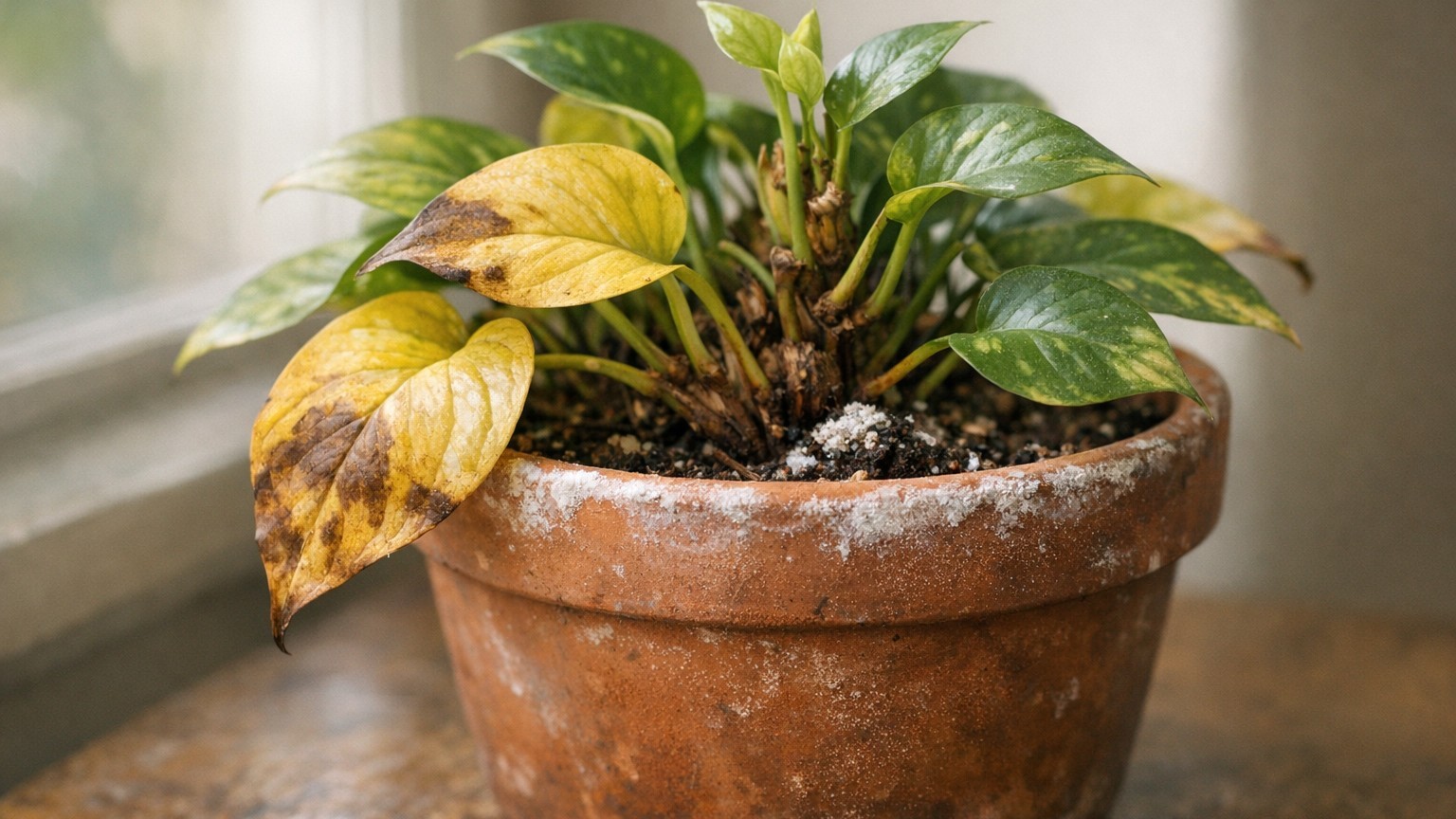
For months, a plant parent blamed everything—soil, light, pests—for declining plants until one afternoon revealed the truth hiding underground. Dark, mushy roots weren’t a sign of being pot-bound; they signaled early-stage root rot. Here’s the overlooked indicator that changes everything about how you repot.