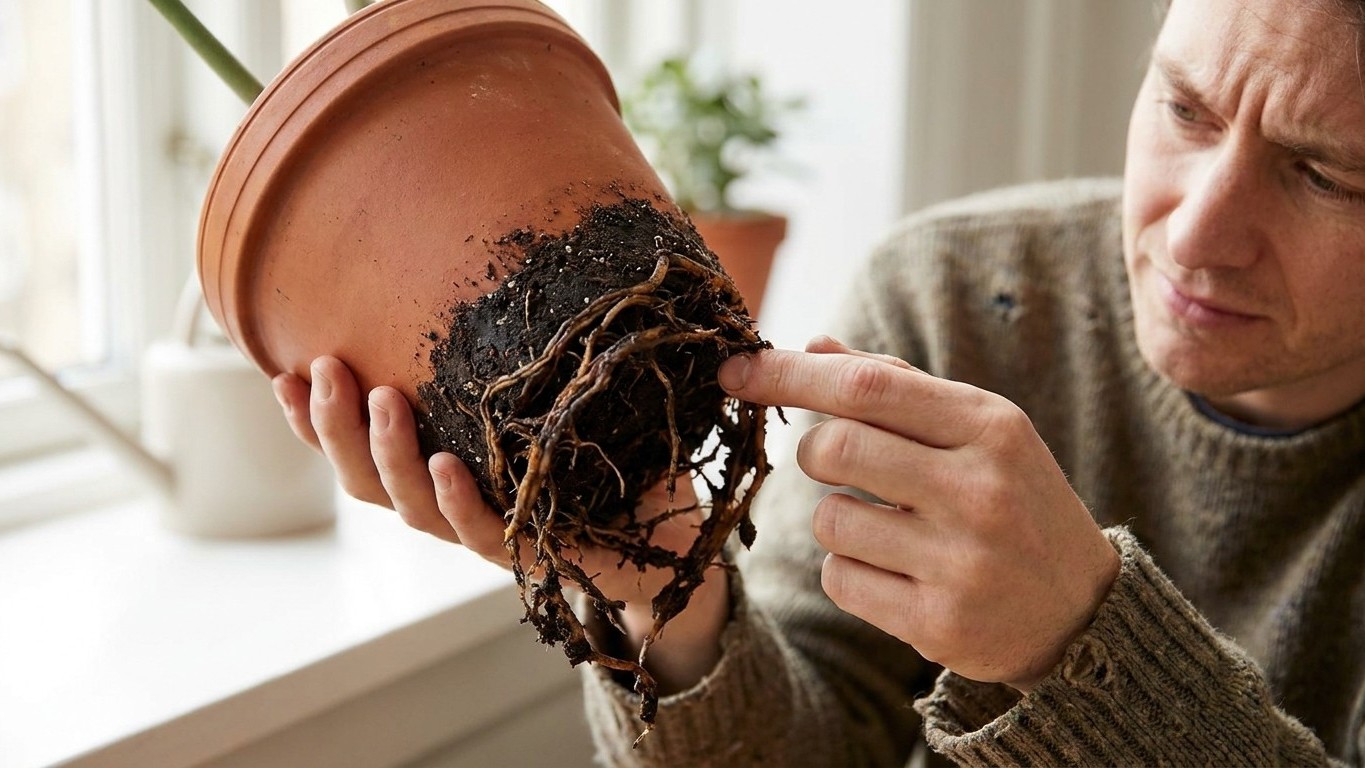
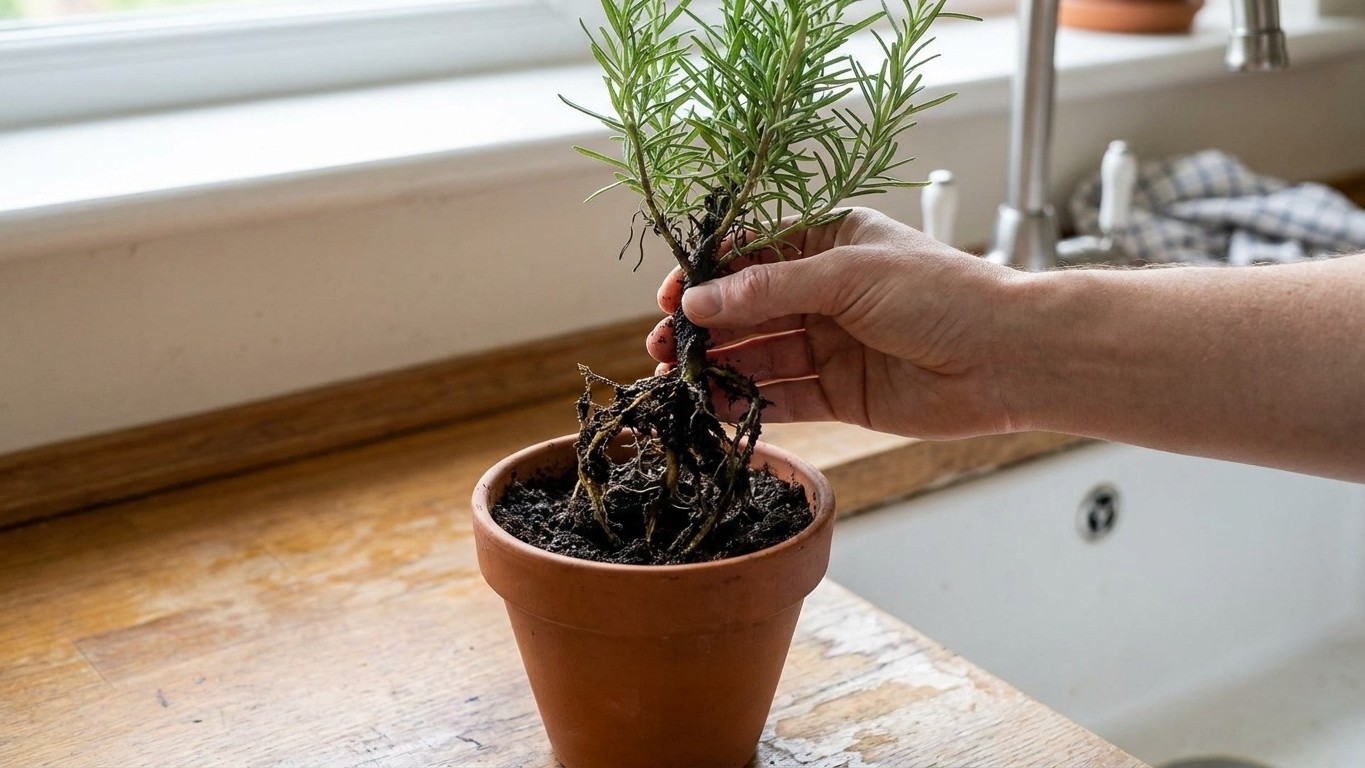
I brought my potted thyme and rosemary in above the sink and watered them like my houseplants: three weeks later, when I lifted the stems, I saw what had happened at the base
I brought my potted thyme and rosemary in above the sink and watered them like my houseplants: three weeks later, when I l...

Bringing potted thyme and rosemary indoors seemed simple until three weeks of ‘normal’ watering revealed blackened, mushy stem bases and slimy roots. The problem isn’t the herbs—it’s treating Mediterranean plants like tropical houseplants. Learn what’s actually happening underground and how to fix it.
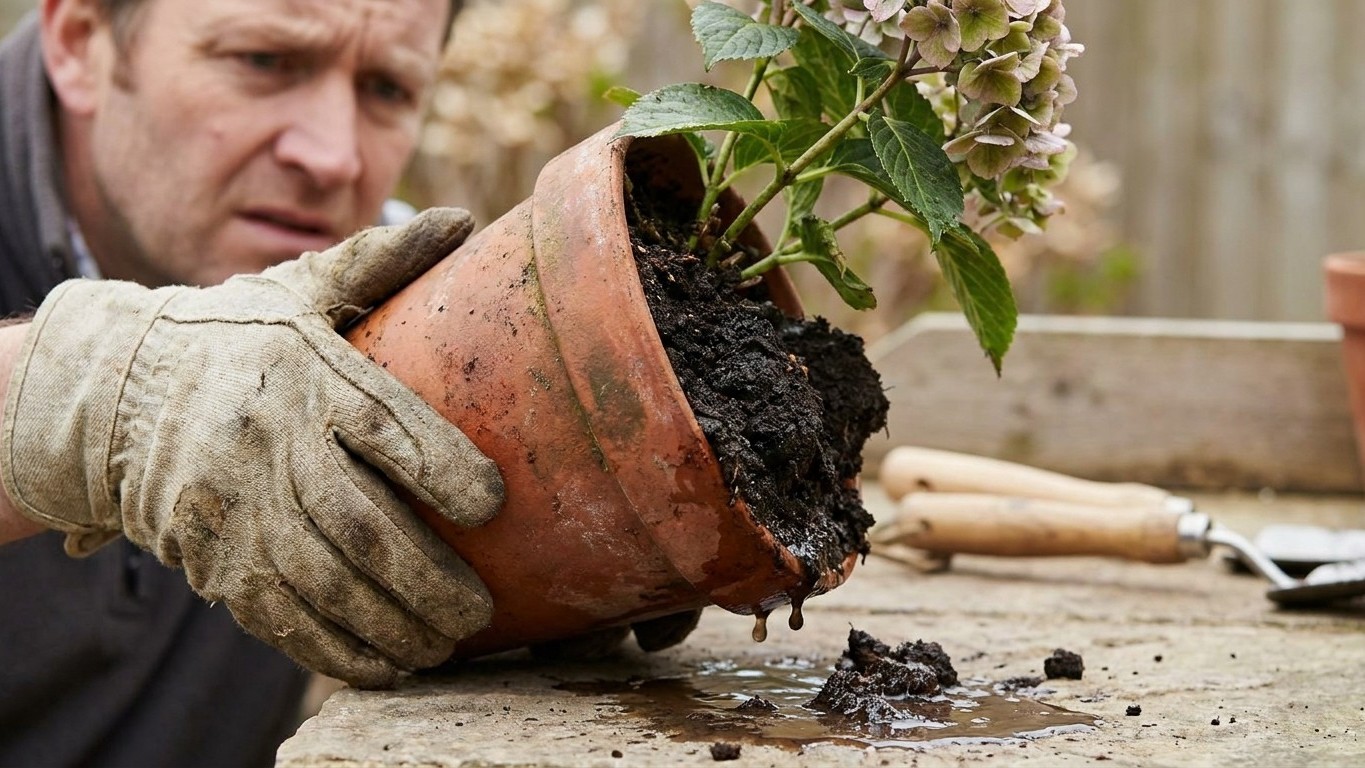
I kept soaking my hydrangea every evening because the leaves were drooping: the day I lifted the pot, I understood what was cooking underneath

I kept soaking my hydrangea every evening because the leaves were drooping: the day I lifted the pot, I understood what wa...

Wilting hydrangea leaves look identical whether the plant is parched or waterlogged—and the wrong diagnosis can be fatal. A simple soil test and timing observation reveal the truth before it’s too late, and the recovery process starts with understanding what’s happening beneath the pot.

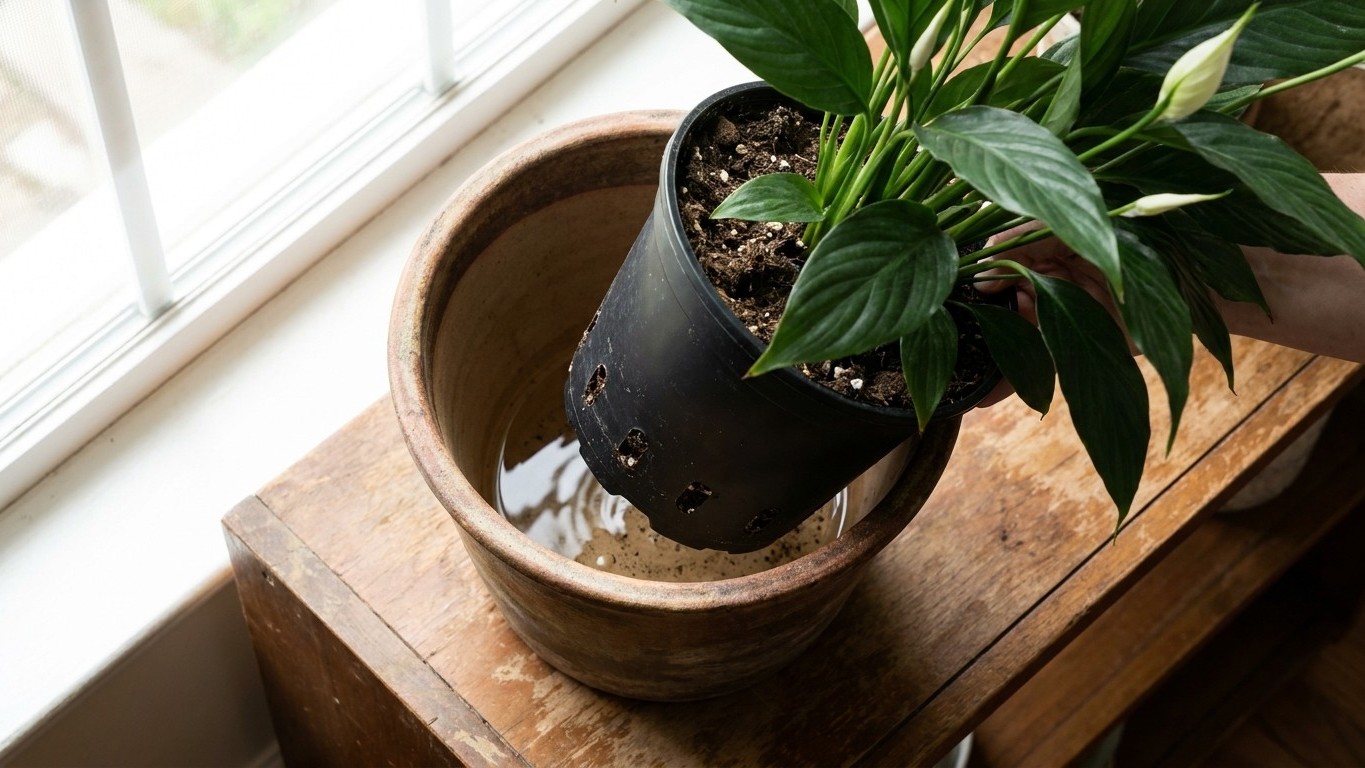
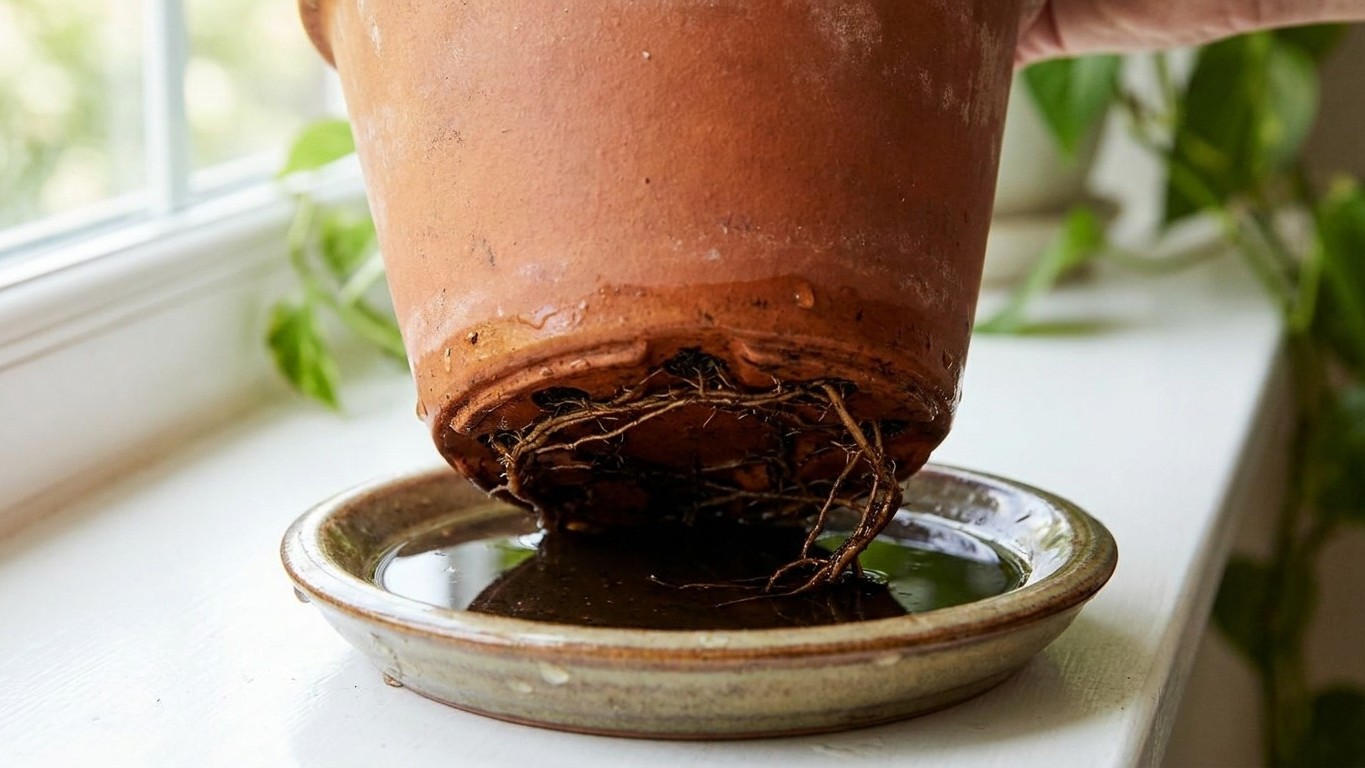
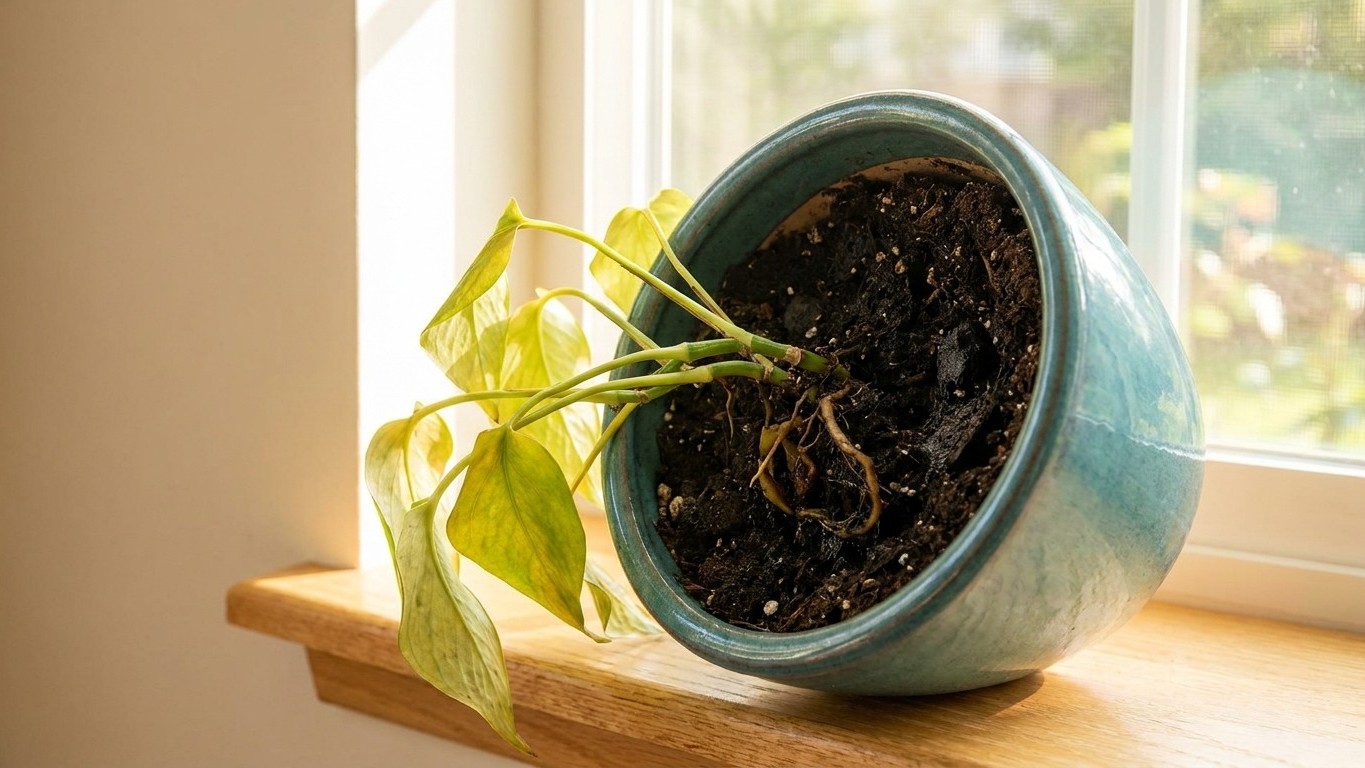
I repotted my pothos straight into a cachepot with no drainage hole just because it looked better: three weeks later I lifted the plant out and saw what had settled under the soil

I repotted my pothos straight into a cachepot with no drainage hole just because it looked better: three weeks later I lif...

A glossy cachepot seemed like the perfect home for a healthy pothos—until three weeks later when pulling out the root ball revealed a nightmare of black, mushy roots and standing water. This common decorating mistake can destroy a plant faster than you’d expect, but it’s also one of the easiest to prevent.

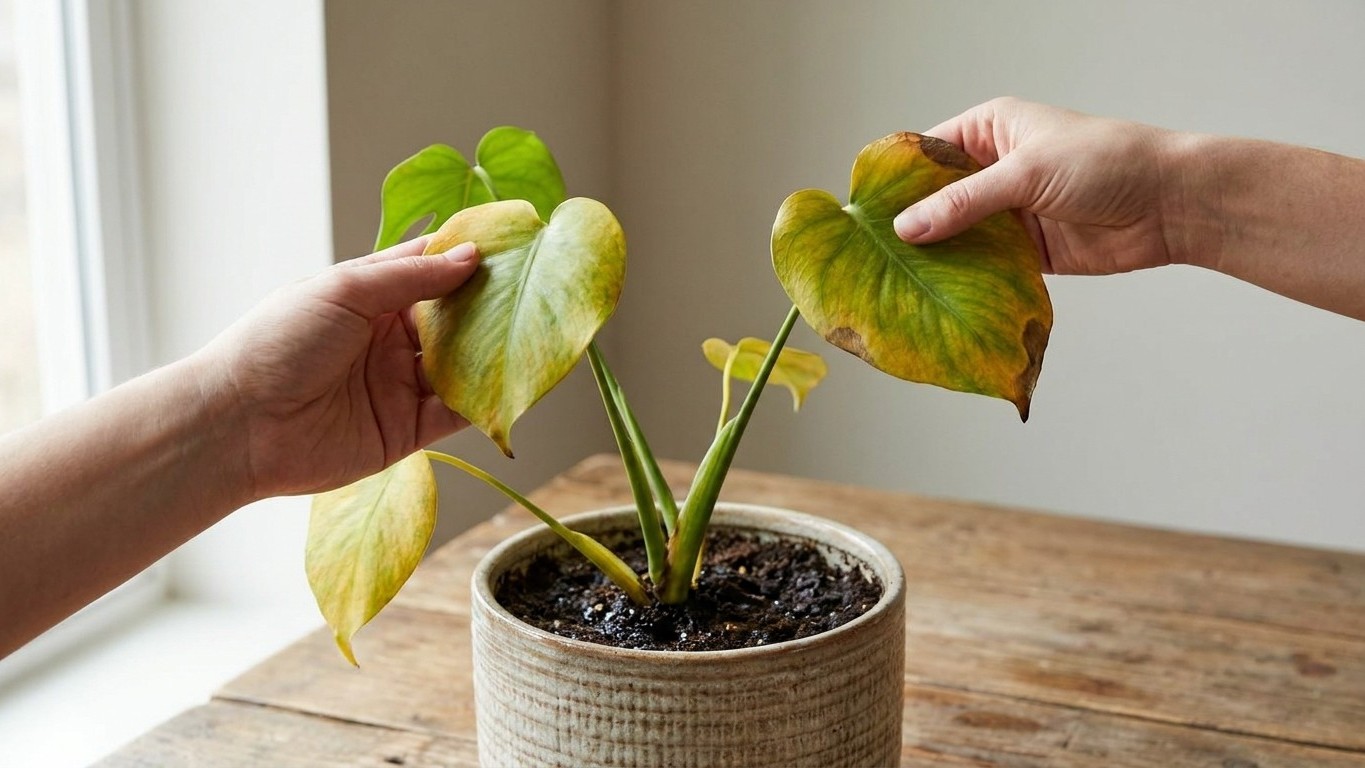
I watered my parched plant every day to save it: when I lifted it out of the pot a week later, I saw what the water had actually been doing

I watered my parched plant every day to save it: when I lifted it out of the pot a week later, I saw what the water had ac...

A drooping, yellowing plant looks like it needs water—but daily watering for a week revealed black, mushy roots instead. The cruel irony: overwatered plants show the same symptoms as underwatered ones, making it dangerously easy to drown your plant while trying to save it.

Why Your Bigger Pot Is Drowning Your Houseplant: The Root Rot Mistake Everyone Makes

Why Your Bigger Pot Is Drowning Your Houseplant: The Root Rot Mistake Everyone Makes

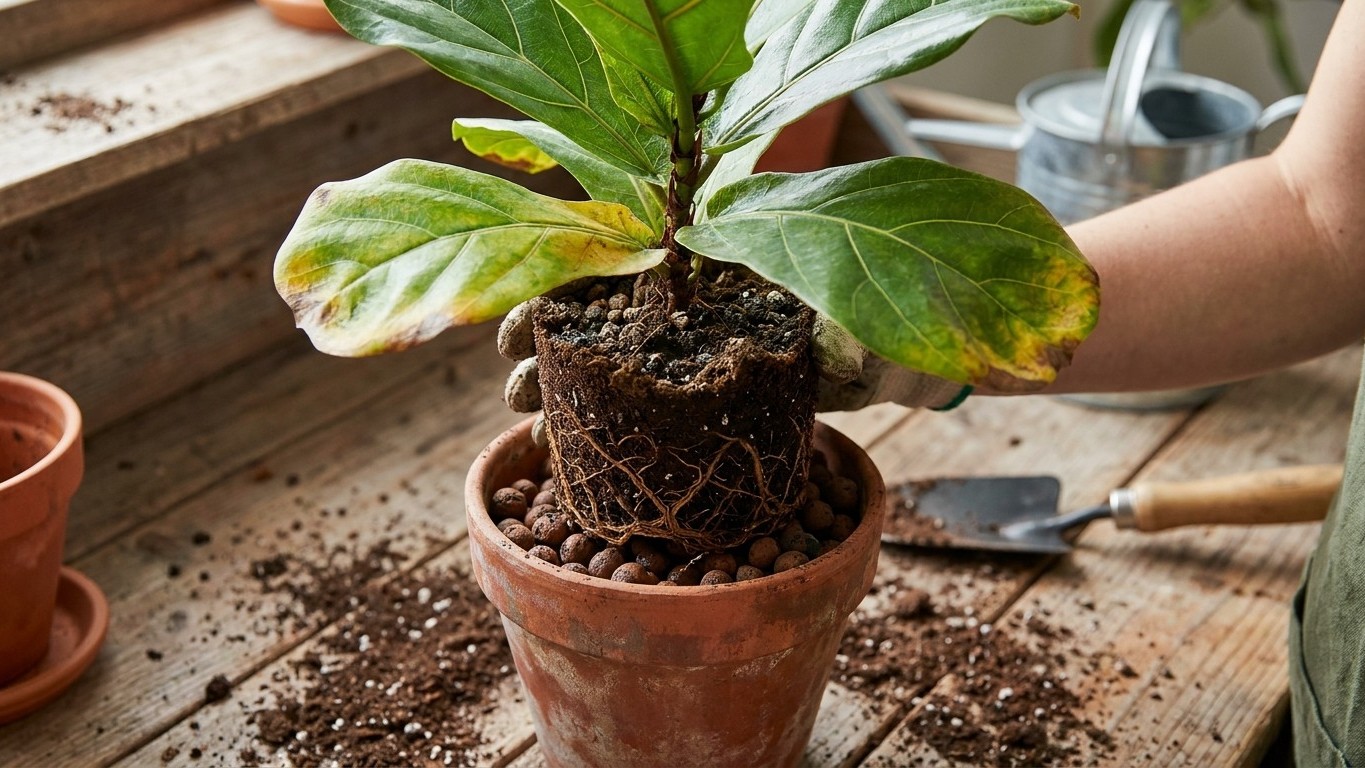
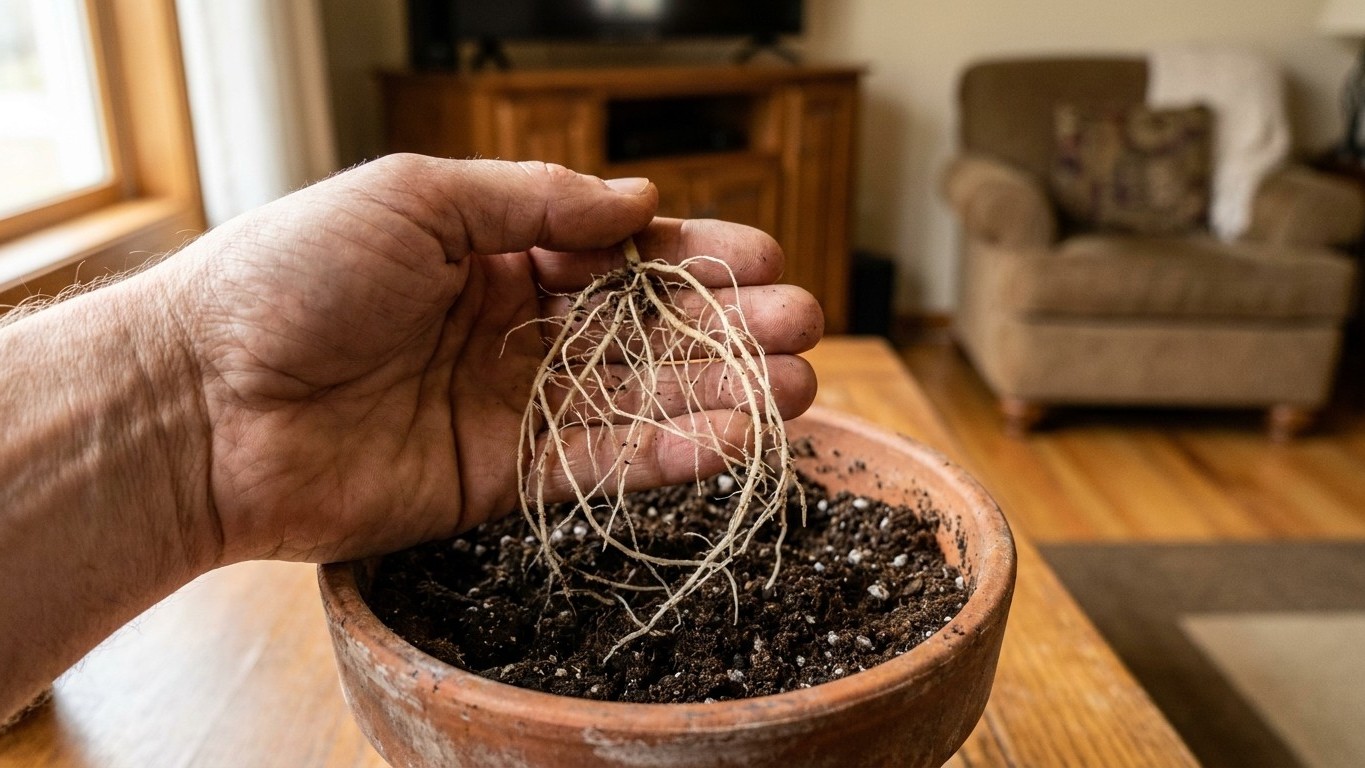
Repotting into a much larger pot seems logical, but it’s one of the fastest ways to kill a houseplant through root rot. A month after moving a plant to an oversized container, soggy soil and a foul smell reveal the truth: the plant has been drowning in oxygen-starved conditions. Discover the science behind this mistake and how to fix it.

Why Daily Plant Watering Kills: The Hidden Root Strangling Nobody Notices Until It’s Too Late

Why Daily Plant Watering Kills: The Hidden Root Strangling Nobody Notices Until It's Too Late

Months of daily watering left this gardener’s houseplants slowly suffocating in stagnant water. What looked like a tired plant above ground was actually a root system strangling itself—a common mistake with a simple fix that most plant owners never discover.

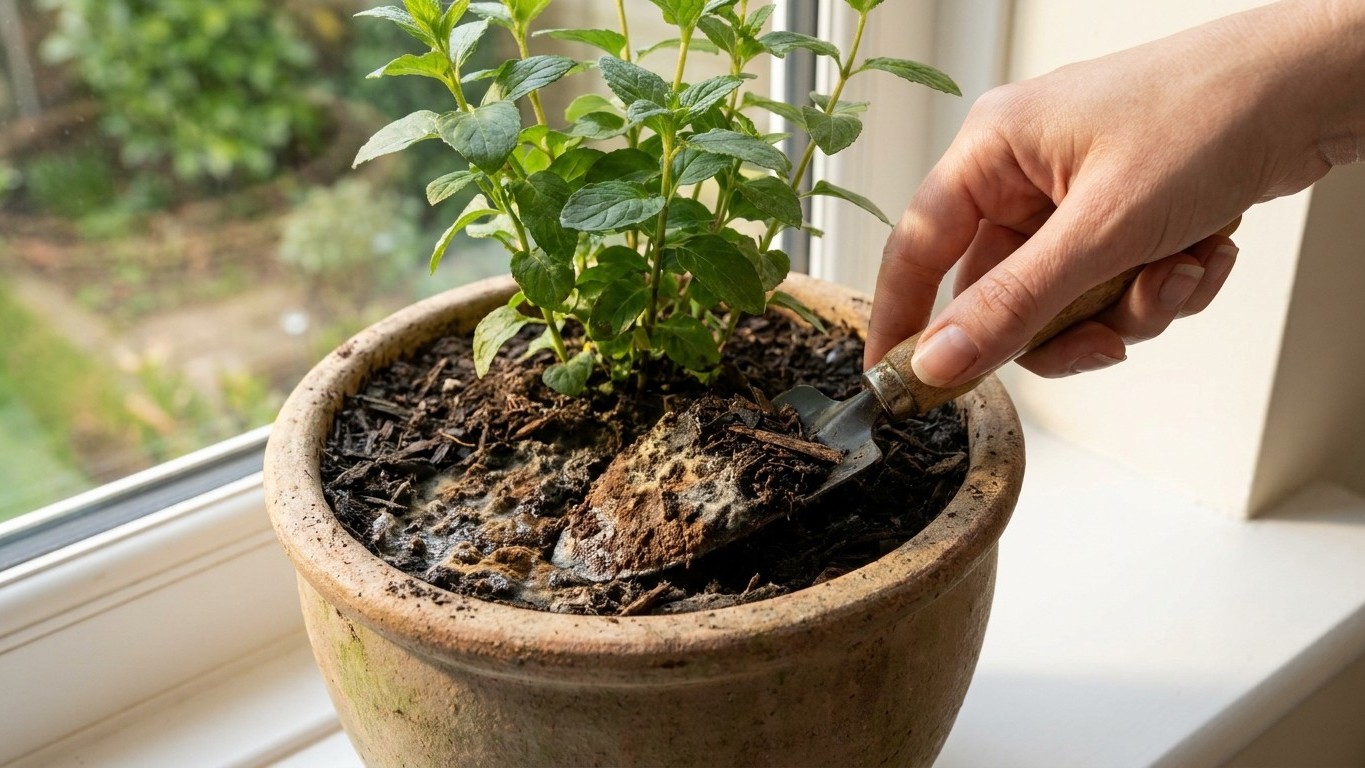
Why Your Mulched Indoor Plants Are Drowning: The Hidden Dangers of Sealing Soil Indoors

Why Your Mulched Indoor Plants Are Drowning: The Hidden Dangers of Sealing Soil Indoors

You mulched your indoor pots to beat the heatwave, but a month later, the soil is waterlogged and roots are rotting. Mulch works differently indoors than outdoors—without wind, sun, and natural drainage, it becomes a moisture trap that suffocates plant roots and breeds fungus and mold.