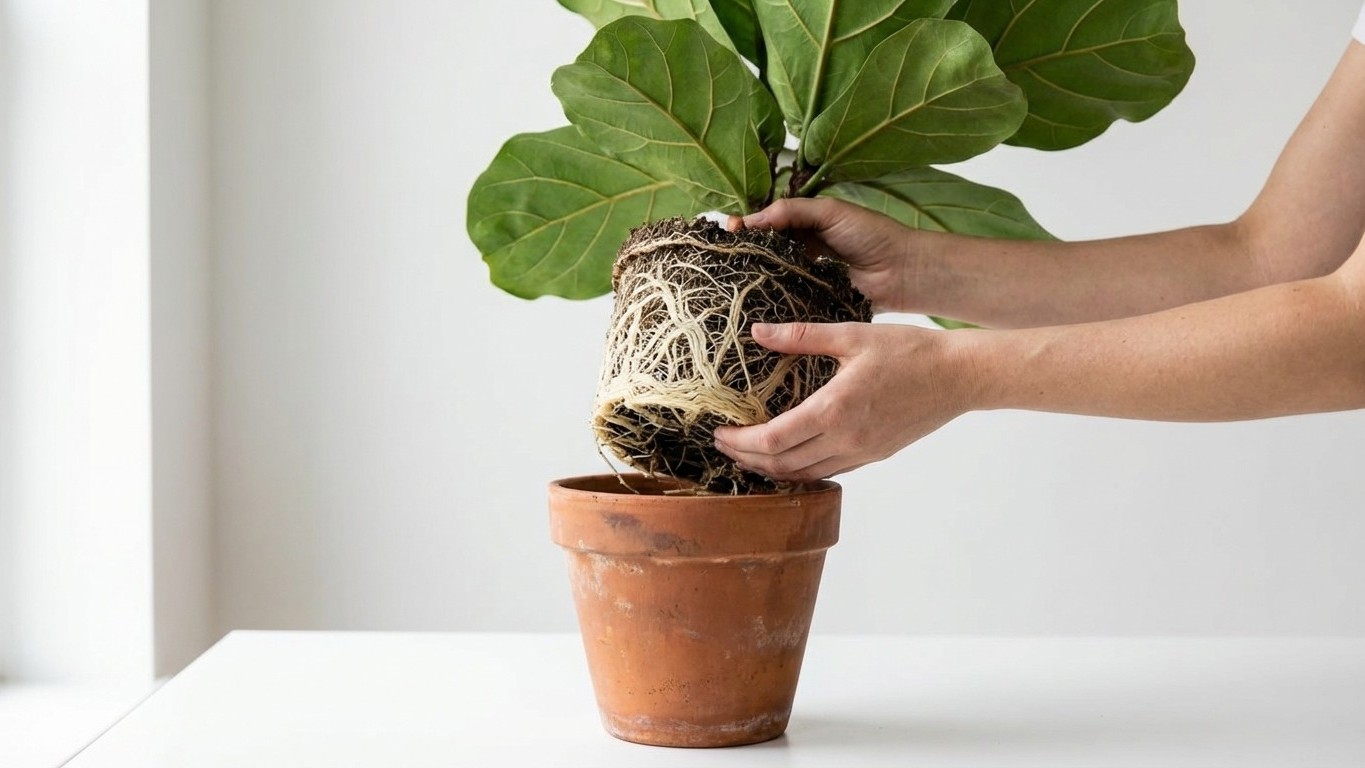
I repotted my ficus into a pot three sizes up just to save doing it again next year: a month later, when I tipped it out, I understood what the outer soil had been holding
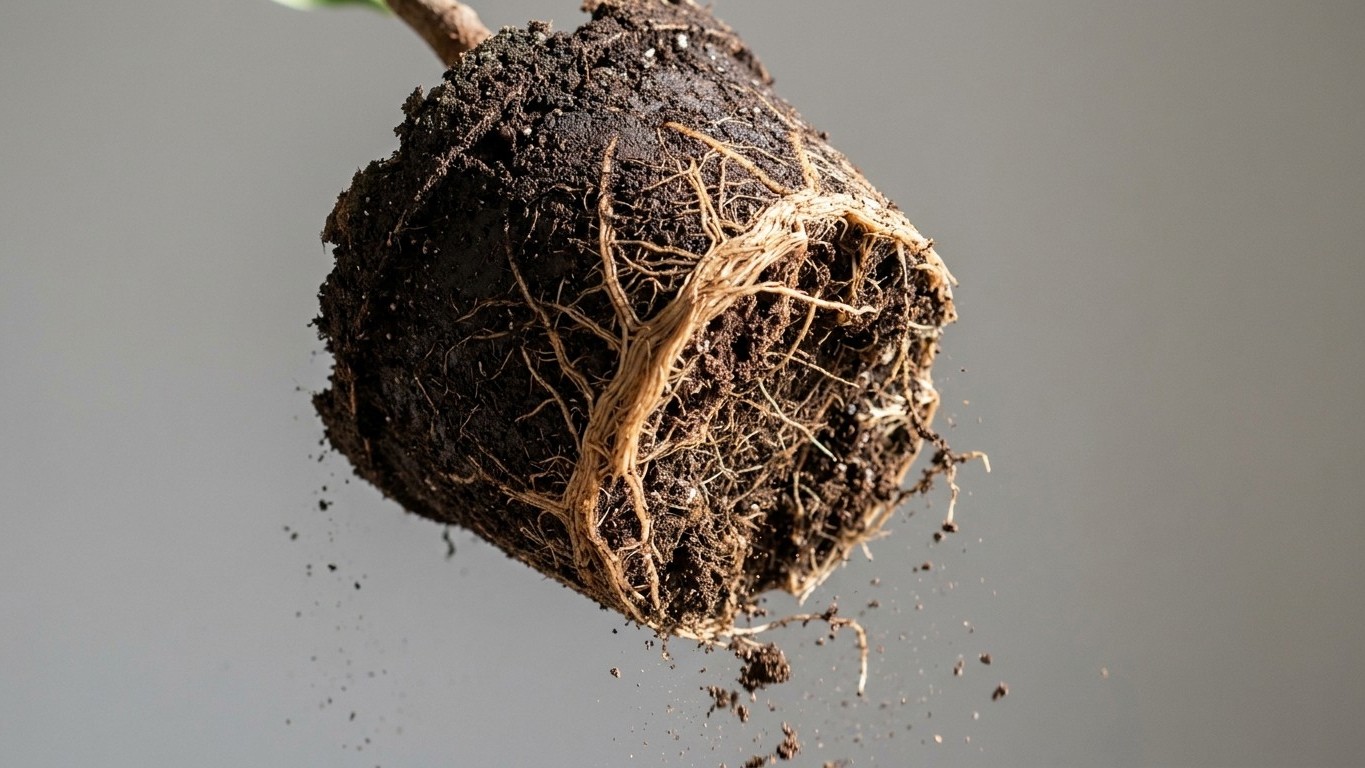
I repotted my ficus into a pot three sizes up just to save doing it again next year: a month later, when I tipped it out, ...

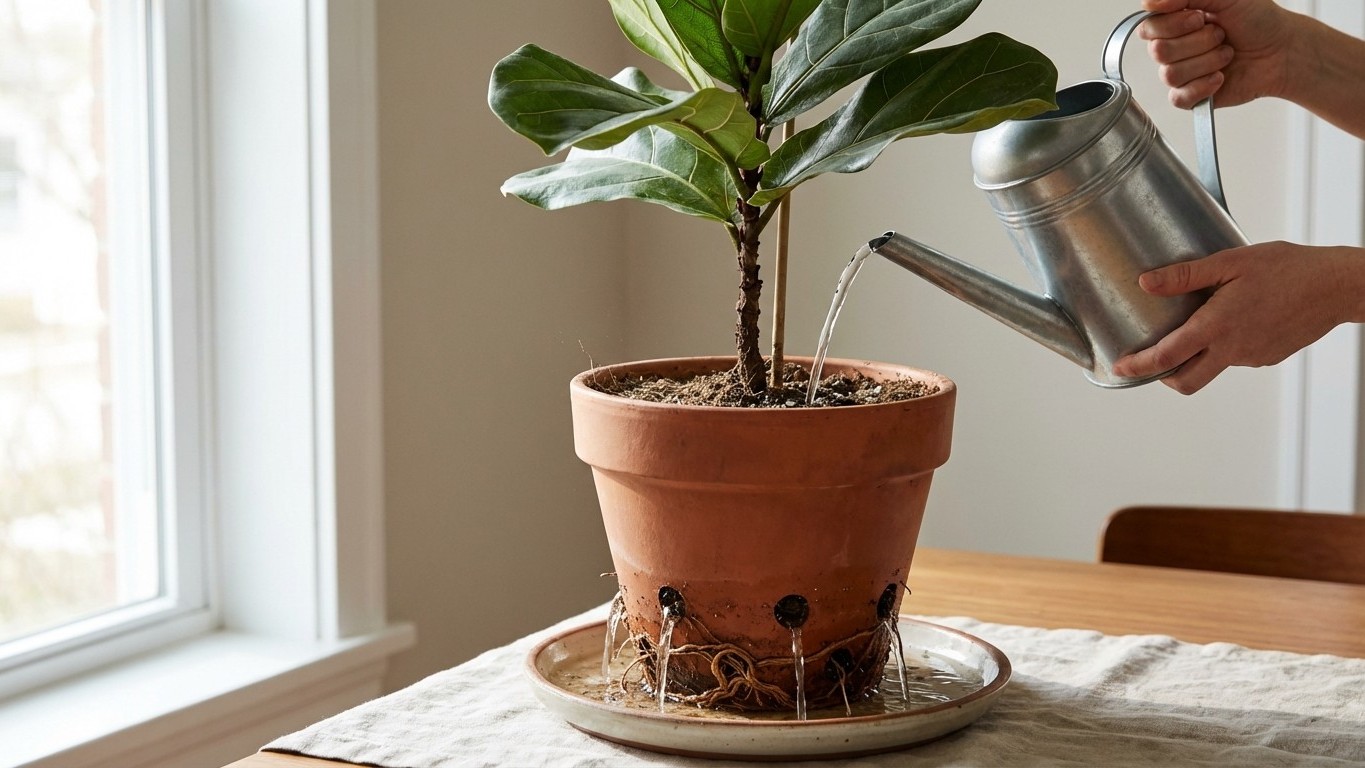
Planting a ficus in a pot three sizes too large seemed like skipping years of repotting. One month later, the outer soil revealed a soggy, stagnant ring where roots refused to grow—and fungal pathogens thrived. The shortcut that was supposed to save time ended up creating a slow drowning.
Why April Repotting Destroys These Houseplants: The Spring Gardening Mistake Nobody Warns You About

Why April Repotting Destroys These Houseplants: The Spring Gardening Mistake Nobody Warns You About

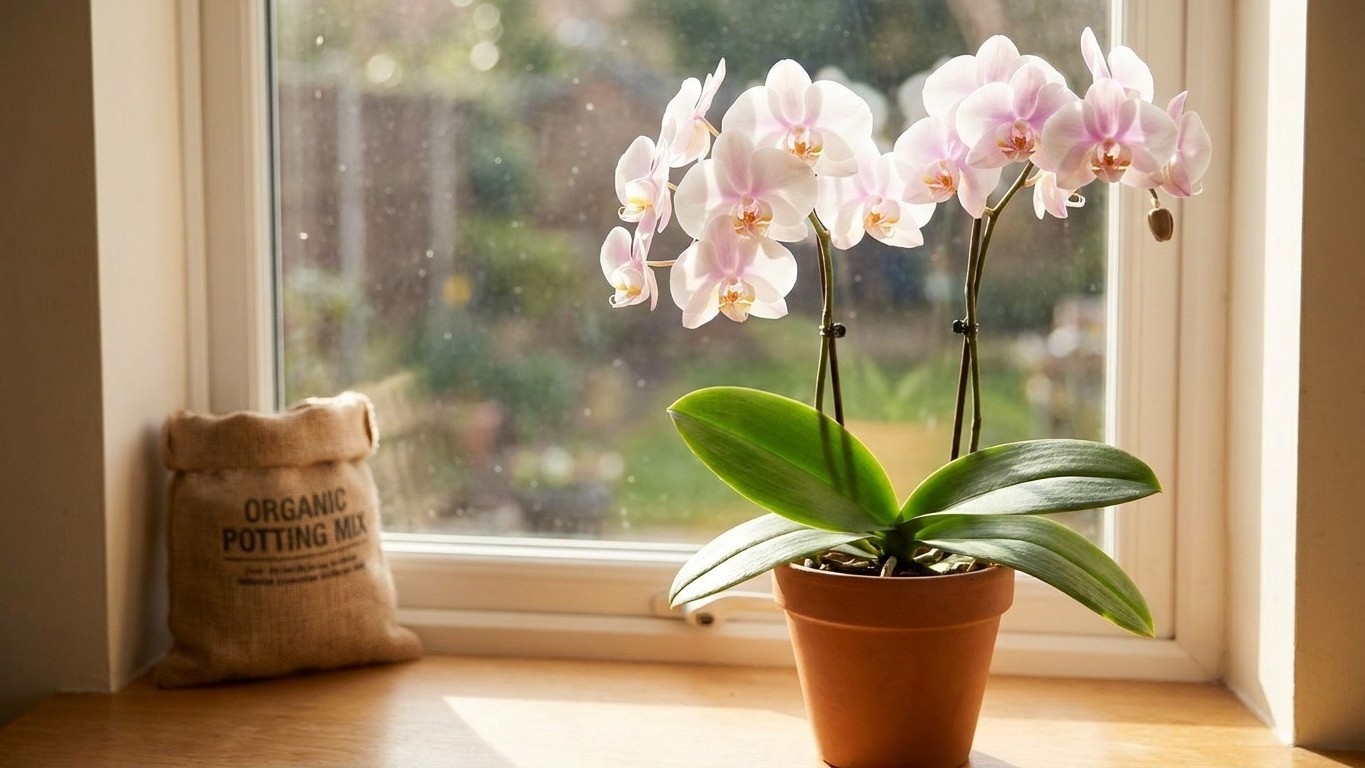
Everyone repots in spring, but April is actively destroying roots on some of your most common houseplants. Orchids in bloom, flowering peace lilies, and succulents are all casualties of the one-size-fits-all repotting rule—and the damage happens silently, long after you’ve finished.

Roots Screaming for Help: Why Plants Break Out of Their Pots and What It Really Means

Roots Screaming for Help: Why Plants Break Out of Their Pots and What It Really Means

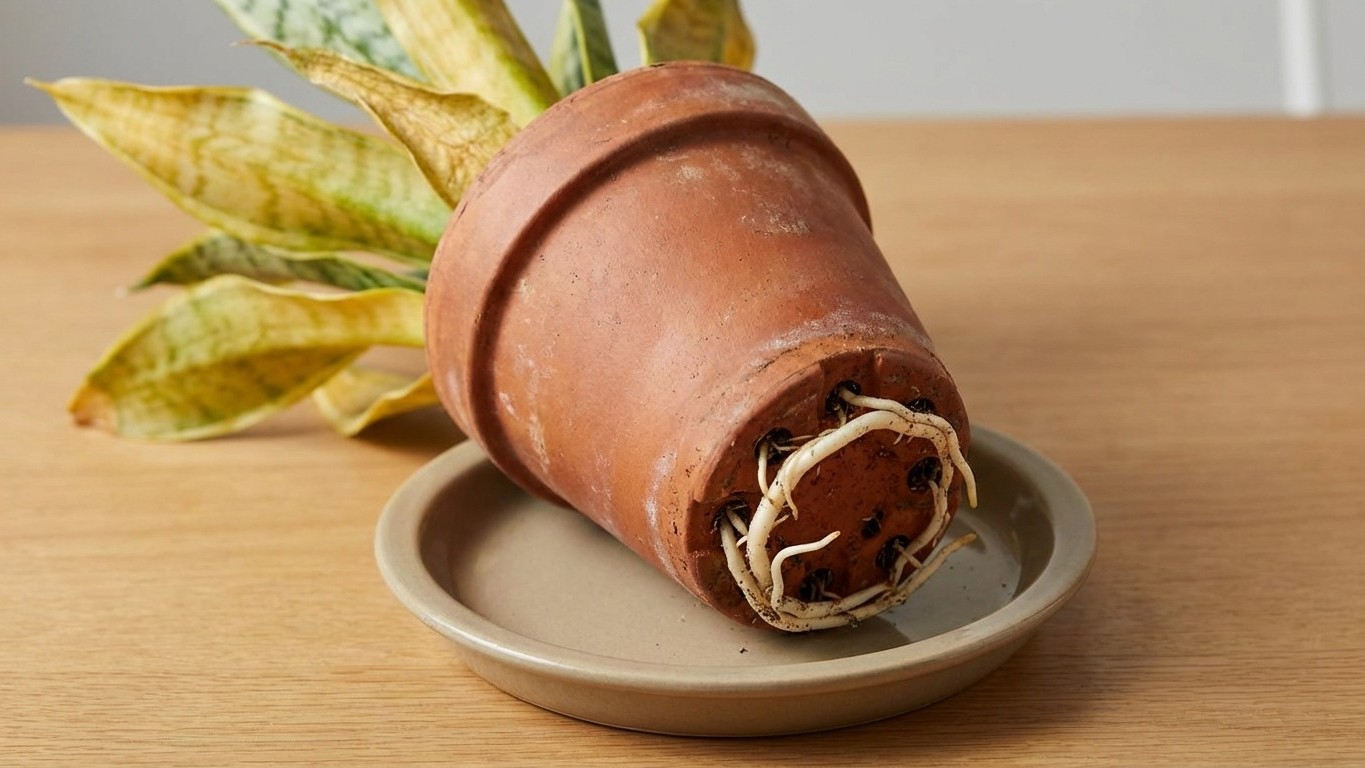
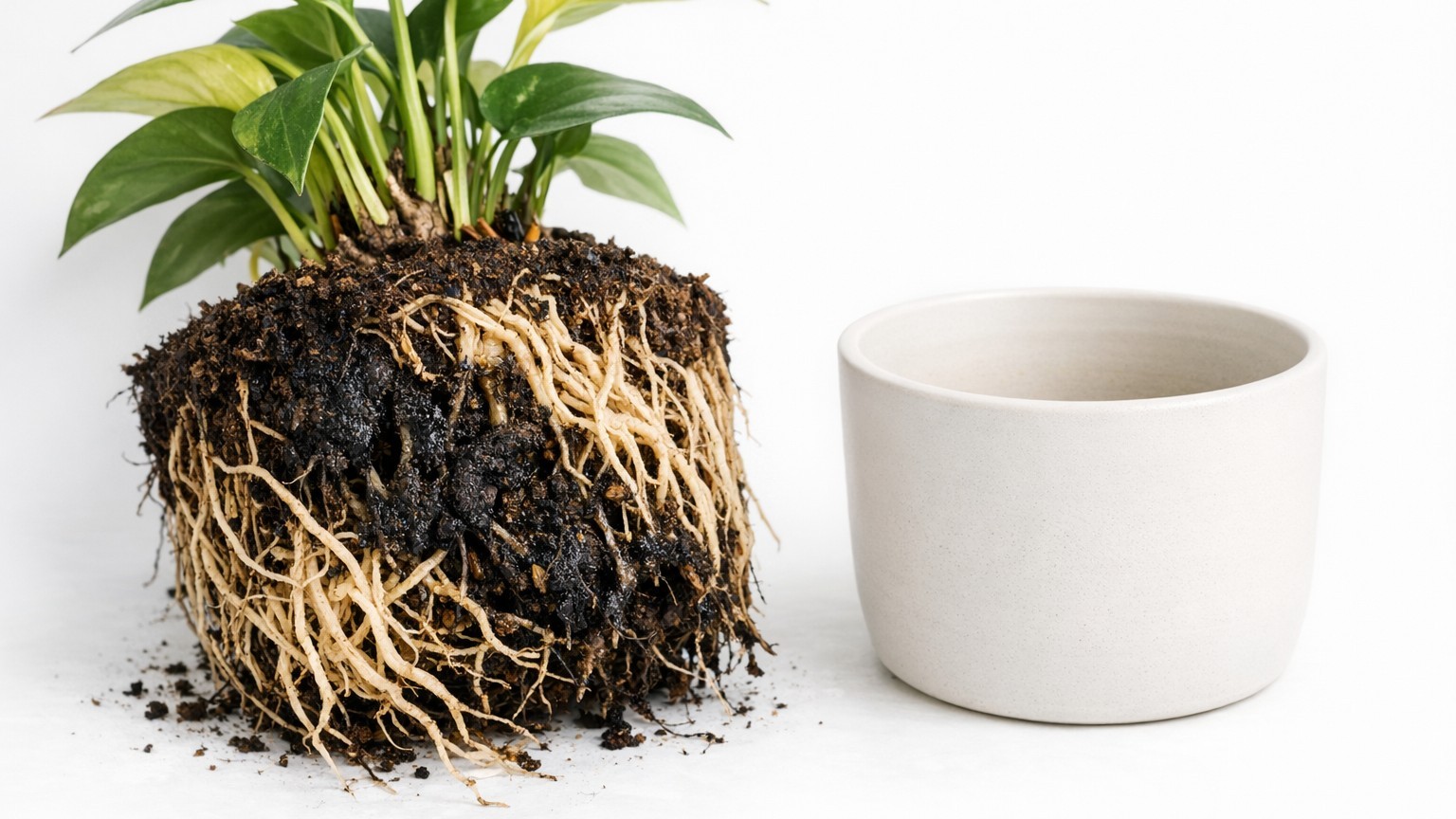
Those roots creeping out of your pot’s drainage hole aren’t on an adventure—they’re suffocating refugees from an overcrowded container. Discover what root-bound plants are actually telling you, how to diagnose the problem correctly, and the repotting mistakes that could set your plant back months.

The Hidden Root Sign Every Plant Parent Misses During Repotting

The Hidden Root Sign Every Plant Parent Misses During Repotting

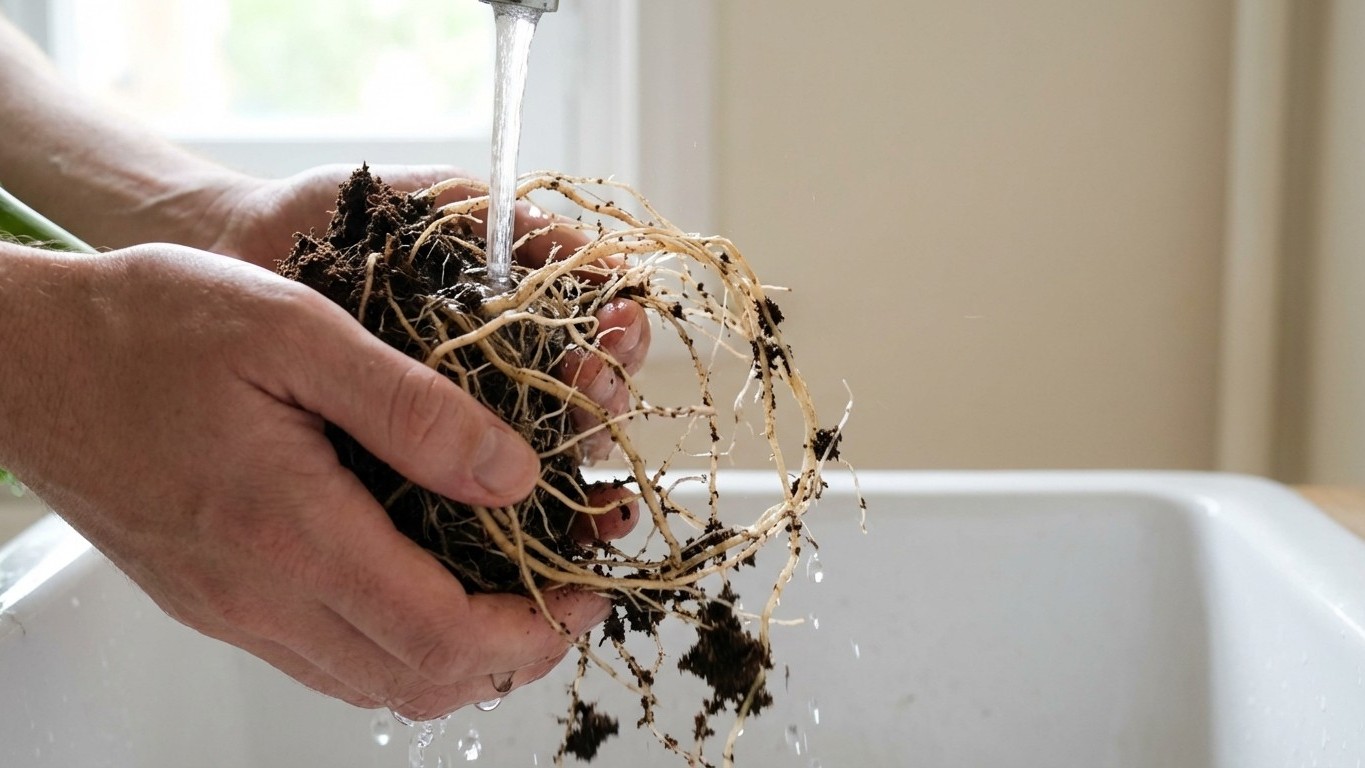
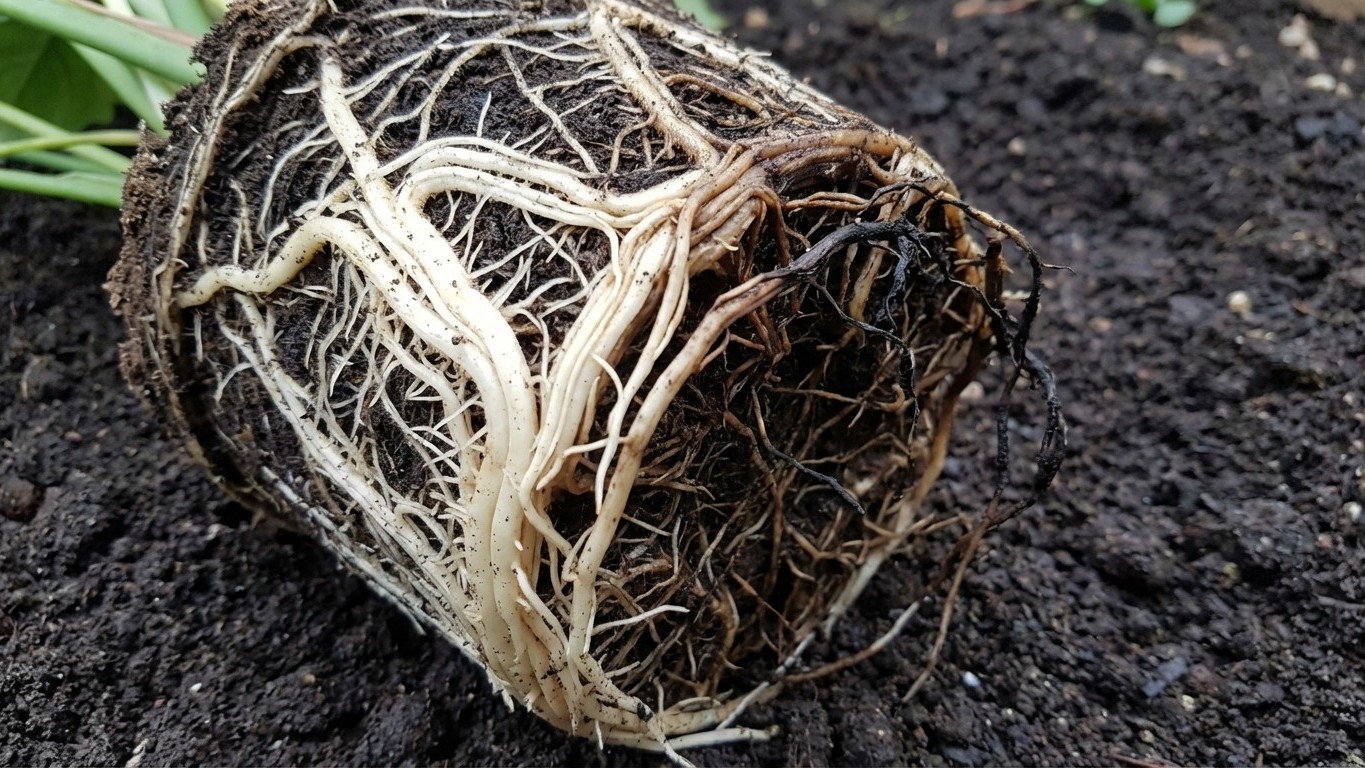
For months, a plant parent blamed everything—soil, light, pests—for declining plants until one afternoon revealed the truth hiding underground. Dark, mushy roots weren’t a sign of being pot-bound; they signaled early-stage root rot. Here’s the overlooked indicator that changes everything about how you repot.