
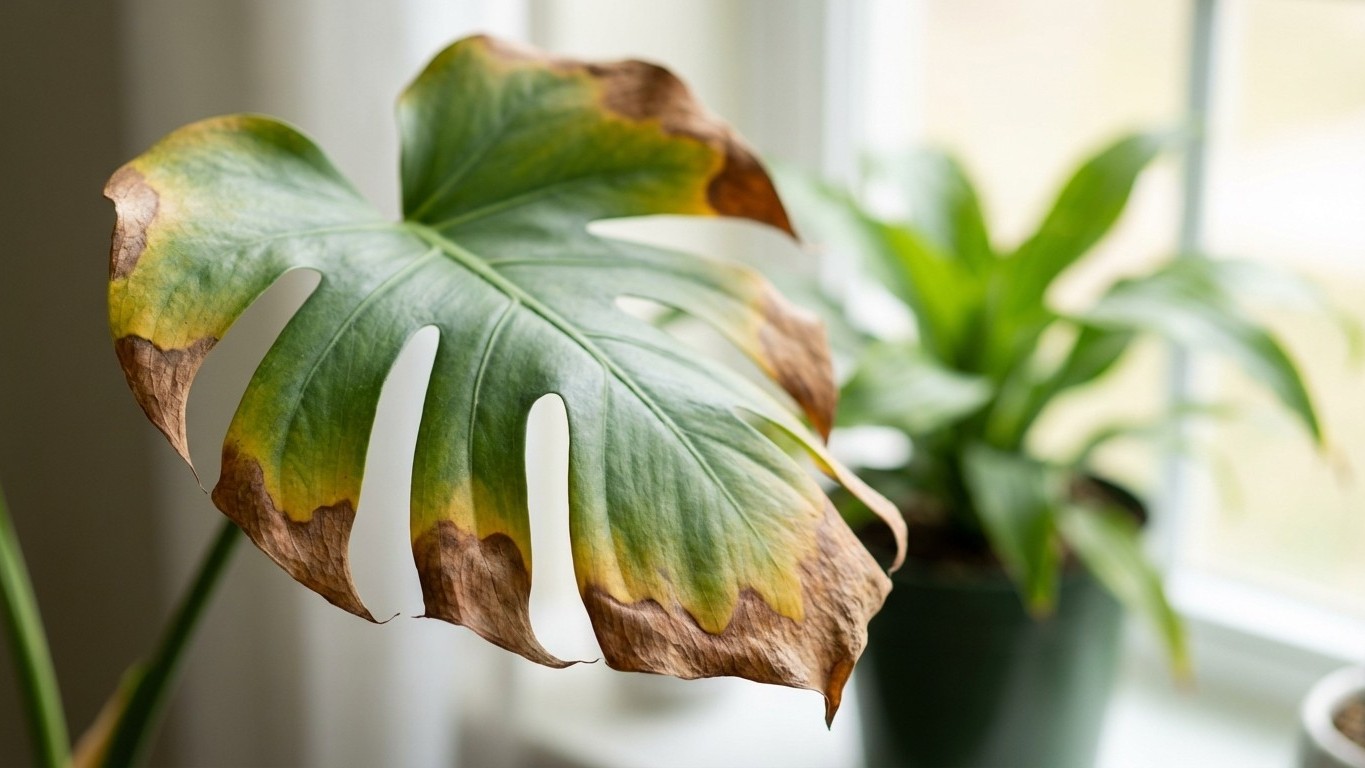
Nettle tea is having a moment. Scroll through any gardening community online and you’ll find someone raving about it as a free, all-natural fertilizer, an ancient trick rediscovered by the organic gardening crowd. Steep some stinging nettles, bottle the liquid, pour it on your plants. Simple. Except the part most posts quietly skip over is the reason houseplant after houseplant ends up with scorched brown tips, yellowing leaves, and mysteriously stunted growth. The culprit isn’t the nettle tea itself. It’s the dilution — or the lack of it.
Key takeaways
- A viral gardening hack is actually a hidden plant killer—and most people don’t realize it
- The exact dilution ratio everyone gets wrong (and why 1:10 isn’t optional)
- Why your houseplants are uniquely vulnerable to this ‘natural’ fertilizer disaster
What Makes Nettle Tea So Potent (and So Dangerous Undiluted)
Stinging nettle (Urtica dioica) is a “dynamic accumulator”, its deep roots mine minerals from the subsoil, pulling up nitrogen, calcium, potassium, magnesium, and iron, storing them in the leaves. When those leaves ferment in water, those nutrients are released, creating a biologically active liquid that plants can absorb almost instantly. That speed of absorption is exactly what makes it useful. It’s also what makes an undiluted dose so destructive.
Stinging nettle boasts an NPK (nitrogen, phosphorus, potassium) ratio of 5.6, 0.7, and 3.7, numbers that rival many commercial fertilizers. Now factor in that the brew concentrates further as it ferments for two to three weeks, and you’re holding something closer to a nutrient bomb than a gentle plant tonic. Due to lactic acid fermentation, nettle liquid manure also develops an acidic pH — and to avoid burning the roots and leaves of your plants, it absolutely must be diluted before use.
The most common mistake beginners make is failing to dilute the tea before application. This brew is incredibly concentrated. Applied “straight” to your plants, the high nitrogen levels and the acidity of the fermentation can actually burn the roots or the foliage. The problem is that this damage doesn’t always show up immediately. Fertilizer burn symptoms may appear within a day or two, but it may take a couple of weeks to show up. By the time you connect the brown edges on your monstera to that well-intentioned watering two weeks ago, the roots may already be compromised.
The Dilution Numbers Everyone Gets Wrong
Here’s where the confusion sets in. Search “nettle tea for plants” and you’ll see ratios ranging from 1:5 to 1:20 with no context explaining what each one is for. They’re not interchangeable. Never use nettle tea undiluted, it is too strong and will burn your plant roots. The correct ratio for soil watering is 1 part tea to 10 parts water (1:10). To put that in practical terms: if you have a cup of brewed nettle tea, you need to add ten full cups of plain water before it touches any root system.
For foliar spraying, the dilution goes even further. To use stinging nettle fertilizer as a foliar spray, the ratio shifts to 1:20, one part fertilizer to twenty parts water. Some sources go even more conservative. Depending on the crop, the recommended dilution ranges between 1:10 for heavy feeders, 1:20 for medium growers, and 1:50 for foliar fertilization. That last figure, 1:50, will surprise most home gardeners who assumed a “splash” in the watering can was good enough.
The resulting mixture, when properly diluted for soil watering, should look like weak tea or apple juice. That’s a useful visual check. If what you’re pouring looks dark brown or murky, stop. Dilute more. The color tells you almost Everything you need to know about concentration.
Houseplants Are a Special Case
Outdoor garden plants, tomatoes, brassicas, heavy-feeding annuals, have a forgiving margin. They grow in open ground, excess nutrients leach away, and rain flushes the soil regularly. Houseplants have none of that. They live in a fixed volume of potting mix with no escape route for excess salts and nitrogen. Fertilizer burns occur when too much fertilizer, the wrong type, or too little water causes damage. An excess of nutrients damages the plant’s ability to photosynthesize and cellularly respire, causing visible burns.
Nettle fertilizer should be avoided entirely on plants that are sensitive to strong fertilizers or prone to nitrogen burn, this includes certain species of ferns, succulents, and plants adapted to nutrient-poor soils. Think of the popular low-maintenance houseplants most people own: snake plants, pothos, ZZ plants, cacti. These are not heavy feeders. Pouring even a correctly diluted nettle tea on them every week is overkill — and on a succulent, it can be lethal. It’s safe to fertilize with stinging nettle tea every three to four weeks at the 1:10 strength, anymore and you run the risk of fertilizer burn.
There’s another indoor-specific wrinkle nobody mentions in the glowing social media posts. Technically yes, nettle tea can be used on indoor houseplants, but due to the smell, it is highly discouraged unless you have a very well-ventilated space. The fermentation process produces sulfurous compounds that smell, bluntly, like rotting vegetation in a swamp. Using it in a closed apartment in January is a different proposition than using it in a garden shed.
Recognizing and Reversing the Damage
The first sign of fertilizer burn in houseplants is typically yellow or brown leaves. More specifically, the most obvious sign is yellowing or browning at the tips of the leaves, typically starting at the edges and moving inward. You might also notice excess nitrogen causing leaves to turn a dark, almost unnaturally intense green before the burn appears, followed by leaves curling downward or becoming brittle and dry.
Recovery is possible if you catch it early. If a plant is burnt due to an abundance of nitrogen or ammonia, stop fertilizer usage and continue to water. For potted houseplants, thorough flushing is the right move, run a slow, steady stream of water through the pot for several minutes to leach the excess salts out through the drainage holes. If you wait too long, the plant may lose too many of its leaves to recover. Speed matters.
One thing worth knowing: once flowering plants begin to set flowers, you should discontinue using nettle fertilizer entirely. If you keep using a high-nitrogen fertilizer at that stage, you’ll have plenty of lush foliage with very few flowers or fruit, for those plants, it’s best to switch to a fertilizer that’s higher in potash. That’s the other silent damage nettle tea inflicts: not killing the plant outright, but quietly redirecting all its energy into leaves and away from blooms. Your fiddle-leaf fig stays green and bushy and obstinately refuses to grow.
Nettle tea, used correctly, genuinely works. Being an organic fermented product, it actually feeds the soil microbiome, encourages earthworms to move into the area, and helps build a resilient soil structure over time, something no synthetic fertilizer can claim. The problem has never been the nettle. It’s been the assumption that “natural” means “safe at any dose.” A glass of water is natural too, and you can drown a plant in it.
Sources : gardeningknowhow.com | homesteadingetc.com