
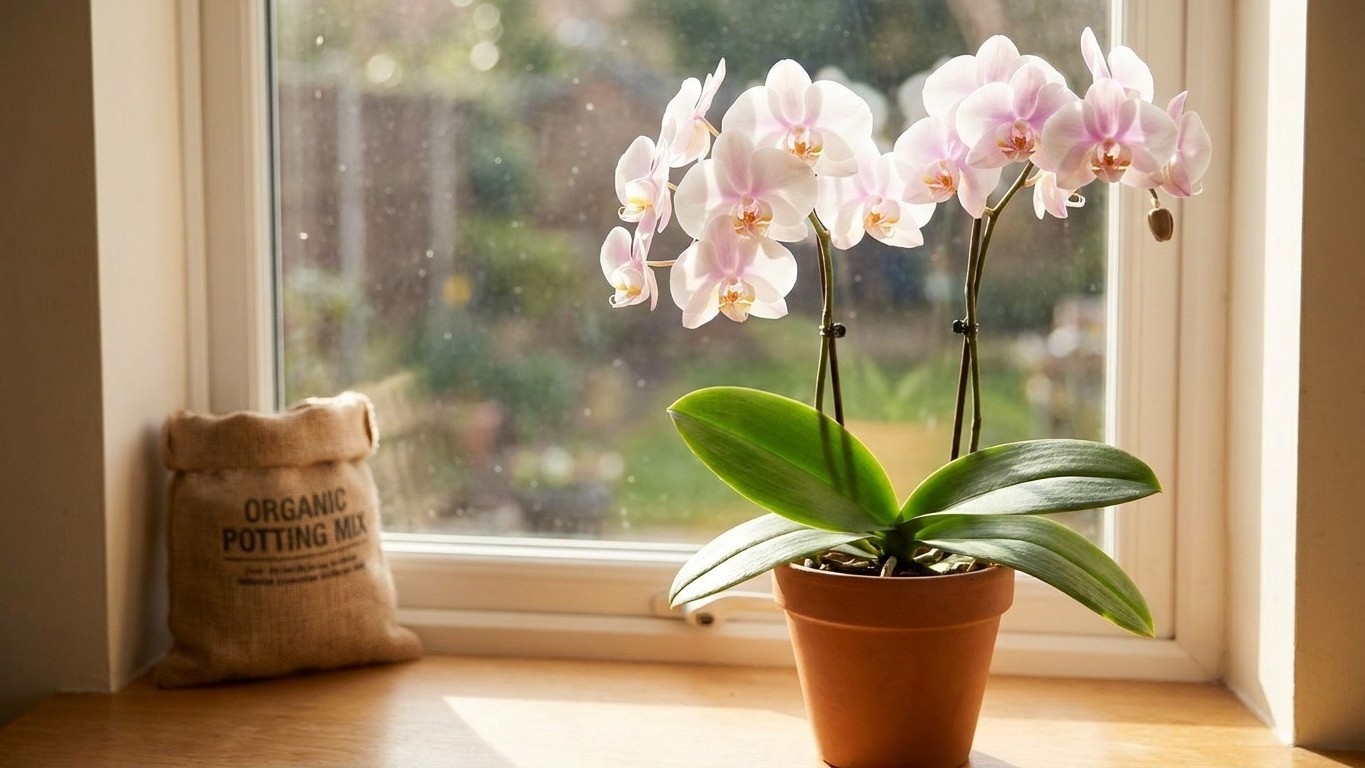
Every April, millions of plant owners drag out their bags of potting mix and get to work. Spring is repotting season, everyone knows that. Except the rule has a significant asterisk that nobody mentions. For a handful of the most common houseplants sitting on American windowsills right now, April repotting doesn’t revive roots. It destroys them.
The core logic behind spring repotting is solid: when temperatures rise and days grow longer, indoor plants perk up from their winter rest and start growing new roots, stems, and leaves, making spring the ideal repotting window because plants enter their active growth state and can adapt more quickly. But that rule applies to the majority, not the whole. Some plants are actively blooming right now, some are just entering their most sensitive reproductive phase, and some will rot in a pot that’s too large no matter what month you do it. Treating them all the same is where the damage starts.
Key takeaways
- The plant that looks healthiest in April—covered in blooms—is exactly the one you shouldn’t repot
- Repotting an orchid mid-bloom triggers immediate flower drop and forces roots to heal instead of flowers to flourish
- The dangerous watering reflex after repotting succulents takes 10-14 days to resist, or the roots silently rot
The Orchid Trap
Walk into any grocery store or garden center in April and you’ll find moth orchids (Phalaenopsis) in full bloom, priced cheaply enough to feel disposable. That’s part of the problem, they don’t feel precious, so people repot them on impulse. You should never repot your orchid when it’s in bloom. Always wait for it to lose its blooms first — repotting is a slight stress on the plant, and you wouldn’t want to risk that when its blooms are open and beautiful.
The stress is more than cosmetic. Moth orchids typically flower from late winter into spring, with blossoms lasting several months, and repotting is best done right after flowering ends. Forcing the move mid-bloom triggers bud blast and flower drop, as the plant is forced to redirect its energy from sustaining flowers to repairing disturbed roots. Timing is everything here: the optimal repotting window is right after the plant finishes blooming and shows signs of new root growth, typically in spring or early summer — this allows the orchid to recover quickly and establish itself before the next growth cycle.
There’s a second orchid-specific risk that catches even experienced growers. Orchids need both the nutrients from the chunky, loose bark mix they’re planted in and the air space between the pieces. As the mix breaks down to particle size, it compacts those air spaces, virtually suffocating the roots. So if you repot into the wrong medium, or into a pot that’s even slightly too large, you create waterlogged conditions that kill the roots silently. A perpetually moist root system suffocates, and overwatering kills more orchids than all other causes combined.
Succulents and Cacti: Spring Is Fine, but the Watering Reflex Isn’t
Succulents and cacti are a different case. The best time to repot these plants is during the growing season, which for many cacti and succulents is spring and summer. So far, so conventional. The problem isn’t the timing, it’s what people do immediately after. Every spring repotting instinct says: give it a good drink to help it settle. With succulents and cacti, that instinct is actively dangerous.
When you repot a cactus or succulent, never water it for at least 10 to 14 days afterward, however shriveled it looks, the plant will recover once the roots have settled and healed. The roots need that dry window to callus over any micro-tears caused during the repot. Water before they’ve healed and you introduce the exact conditions for rot: rotting in cacti is typically caused by excessive moisture due to overwatering or poor drainage. When a cactus is overwatered, the soil becomes waterlogged, oxygen supply to the roots is reduced, which leads to anaerobic conditions that favor the growth of bacteria and fungi.
The pot size mistake compounds this. A lot of cacti and succulents have shallow root systems compared to their size, potting one up into a container with too much soil around it will very likely lead to rot, however careful you are with watering. That generous new pot you chose to give the plant “room to grow” is effectively a slow-death sentence if the root system can’t fill the medium fast enough to keep it from staying wet.
Blooming Plants: Peace Lily, Easter Cactus, and the Energy Budget Problem
Peace lilies are spring bloomers, which creates a cruel timing conflict. The plant that looks healthiest, white spathe in full display, leaves glossy and upright, is exactly the plant you shouldn’t touch right now. Repotting causes stress that often triggers premature flower drop: the plant redirects energy to root establishment and abandons flowers it can no longer support. If the plant urgently needs repotting, proceed regardless and accept the lost blooms. If it’s a routine move, wait until flowering finishes.
There’s also a counterintuitive dimension to peace lily root health. The mild stress of constrained roots appears to trigger the plant’s reproductive impulse, hold off repotting if the plant is otherwise healthy and you want it to bloom. A slightly pot-bound peace lily is often a blooming peace lily. Move it too soon, into a pot that’s too large, and you suppress both flowers and roots: move a peace lily too soon and you’ll suppress flowering for months. Use a pot that’s too large and you create the conditions for root rot before the plant has a chance to settle.
The Easter cactus faces the same problem from a different angle. Avoid repotting plants that are in bloom in spring, such as the Easter cactus, flowering takes a lot of energy, leaving the plant less able to adjust to repotting. The signal that a plant is thriving (active blooms) is the same signal that it’s least equipped to handle root disturbance. That’s the paradox nobody explains.
What Actually Signals “Repot Now” Versus “Leave It Alone”
The honest answer is that most houseplants don’t need repotting as often as the internet suggests. Unless a plant has got too big for its home, there isn’t really any need to repot. In fact, repotting when not needed can cause lots of problems, repotting houseplants unnecessarily can cause root rotting followed by the whole plant dying. The signs that actually warrant action are specific: roots visibly circling the drainage hole, water that runs straight through without being absorbed, or growth that has completely stalled despite good light and regular feeding.
Repot only as needed during spring and summer while the plant is actively growing. Do not repot ailing or dormant plants, or those beginning to flower. That last clause is the one most people skip. A plant showing stress, yellowing leaves, wilting, is also poorly equipped to handle root disturbance. The stress compounds. Repotting during dormancy or flowering can stress the plant, hindering its growth or causing bloom drop.
One practical detail that applies to every plant you do decide to repot: overplanting happens when plants are repotted into containers that are too large, leaving a small root system sitting in a large volume of potting soil, this contributes to overwatering problems and can cause poor root development and root rot. Going up one pot size, not two or three, is the consistent recommendation across every repotting guide worth reading. The analogy holds: you wouldn’t move a studio apartment dweller directly into a 4,000-square-foot house and expect them to feel comfortable immediately.
A final wrinkle worth knowing: repotting almost always encourages new growth, so it is best done in late winter just as natural light levels are increasing and plants are awakening from their winter dormancy, meaning the real sweet spot for most plants is February or early March, not the full bloom of April. By the time you’re staring at a pot of fresh soil in mid-April, the best window may already have passed for some species, while for others, like orchids and blooming peace lilies, it hasn’t yet arrived.
Sources : gardeningknowhow.com | gardenloversclub.com