
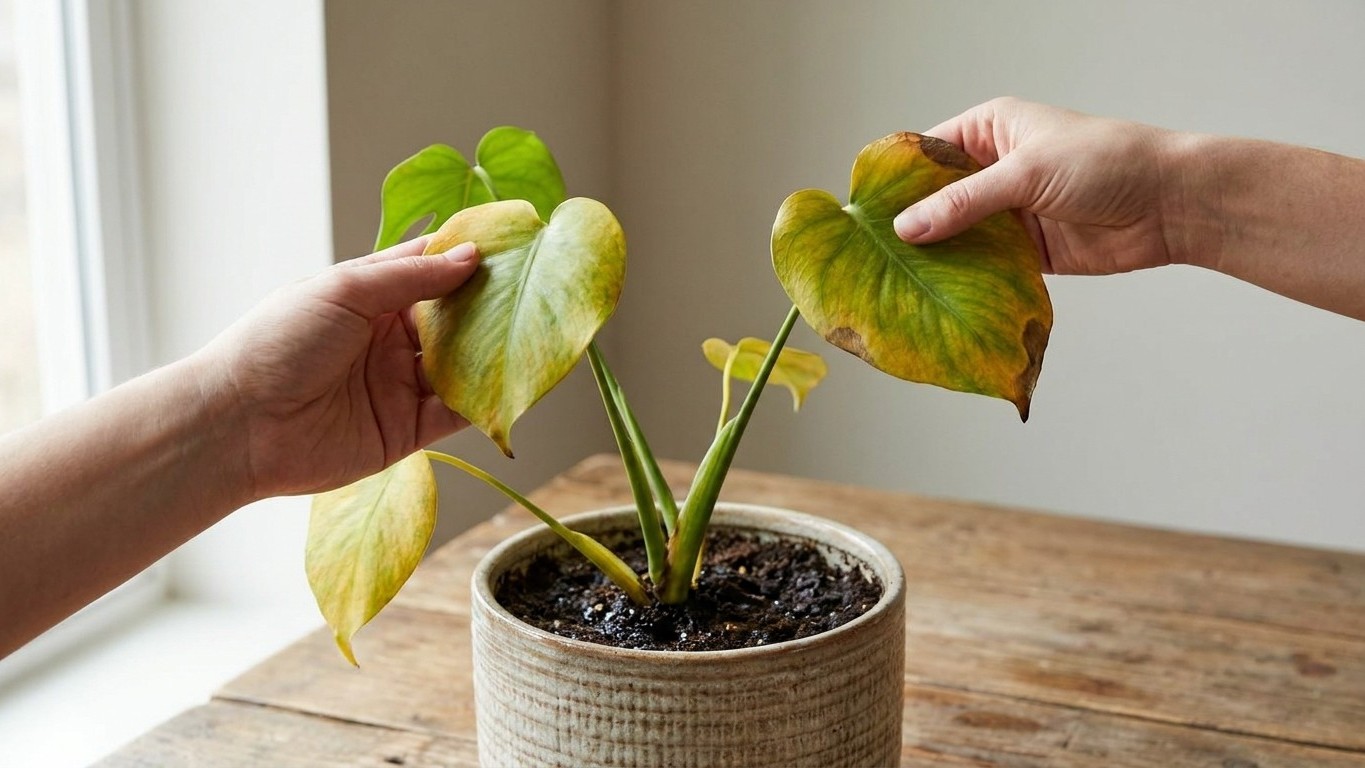
The pot was nearly triple the size of the original, and the logic seemed sound: more room for roots to spread, less frequent watering, a plant that could finally stretch out. A month later, the leaves had gone yellow at the edges and the stem felt soft near the base. Pulling the plant out and smelling the soil answered the question immediately. It smelled like a swamp, sour and faintly rotten, the unmistakable odor of anaerobic bacteria feeding on roots that had been sitting in wet, oxygen-starved soil for weeks. The bigger pot hadn’t given the plant more freedom. It had drowned it slowly.
This is one of the most common mistakes in indoor gardening, and it runs counter to what feels intuitive. A small root ball surrounded by a large volume of soil doesn’t drain the way people expect. Roots pull moisture from the soil directly around them, and in a container that’s too big, huge sections of soil sit untouched, staying wet far longer than the plant can use. That excess moisture creates the exact conditions fungi and bacteria need to attack roots: low oxygen, high humidity, warm temperatures. Root rot doesn’t need days to establish itself in those conditions. It can take hold within one or two weeks of consistent overwatering caused by nothing more than pot size.
Key takeaways
- A plant in an oversized pot drowns in weeks, not months—and it happens silently until the damage is severe
- That sour, swampy smell from soil is a specific bacterial signature that appears faster than most people realize
- The fix isn’t just fresh soil and a smaller pot; it’s understanding the exact pot-size rule that prevents this entirely
Why Bigger Pots Backfire More Than People Expect
The general horticultural guideline is to size up gradually, moving to a container roughly one to two inches larger in diameter than the current one, not several sizes up at once. The Clemson Cooperative Extension, which publishes widely used guidance on houseplant care, notes that oversized containers hold excess soil volume that retains water far past the point where roots need it, setting the stage for rot in species that are already sensitive to soggy conditions.
Succulents and plants with thick, fleshy roots (think pothos, snake plants, or ZZ plants) are particularly vulnerable because their root systems are adapted to infrequent watering and quick drying. Drop one of these into a pot four times its previous size, and the soil at the bottom and edges can stay damp for two or three weeks after a single watering. Meanwhile the plant owner, following the usual “water when the top inch is dry” advice, checks only the surface, which dries fast in a large pot, and waters again. The bottom of the pot never gets the chance to breathe.
Drainage holes help, but they don’t solve the core problem. Water still has to travel through all that surrounding soil to reach the holes, and along the way it saturates root zones that don’t need it. A pot with excellent drainage and the wrong size can still create a rot-friendly environment.
What the Smell Actually Reveals
A sour, eggy, or swampy smell coming from soil is a reliable signal of anaerobic decomposition, the kind of microbial activity that thrives when oxygen can’t penetrate compacted, waterlogged soil. Healthy potting mix should smell earthy, slightly mineral, sometimes faintly like a forest floor after rain. Once it smells like standing pond water or rotten eggs, the biology inside that pot has shifted from beneficial soil microbes to the type of bacteria and fungi (often Pythium or Phytophthora species) responsible for root rot in Houseplants and greenhouse crops alike, according to plant pathology research summarized by university extension programs.
Brown, mushy roots that pull apart easily or slough off their outer layer when touched confirm what the nose already suspects. Healthy roots are firm, usually white or light tan, and hold together. The transition from healthy to rotted can happen faster than most people assume, sometimes within ten to fourteen days in warm, humid indoor conditions, especially during summer when indoor temperatures climb and watering habits often increase along with them.
Fixing the Damage and Repotting Correctly the Second Time
Salvaging a plant with early-stage rot means removing every affected root, using clean scissors or shears, until only firm, healthy tissue remains. This part feels aggressive, and it should. Any rotted tissue left behind will keep spreading bacteria to the roots still in decent shape. After trimming, the plant needs fresh, dry potting mix and a container sized appropriately, not the oversized one that caused the problem in the first place.
A useful rule of thumb: the new pot should be about 10 to 20 percent larger in volume than the old one, not several times larger. For most houseplants, that translates to going up just one standard pot size. If the plant seems to be growing quickly and outpacing its container every few months, sizing up more frequently is far safer than jumping straight to a large pot meant to “last a couple of years.”
Soil composition matters just as much as pot size. Mixes heavy in peat or coco coir hold water longer, which compounds the risk in an oversized container. Adding perlite, pumice, or coarse sand improves drainage and lets air pockets form throughout the soil, something researchers at Oregon State University’s Department of Horticulture have pointed to as one of the more effective ways to reduce root rot risk in container-grown plants. A mix that drains within seconds when watered, rather than one that leaves standing water on the surface for a minute or more, is a decent field test anyone can run at home.
Watering habits need to shift too. Checking soil moisture two inches down, not just at the surface, gives a more accurate read on when a plant actually needs water. In an oversized pot, the surface can look and feel dry while the root zone below stays soaked, which is exactly the trap that catches so many well-meaning plant owners.
One detail rarely mentioned: terracotta pots, because they’re porous and let moisture evaporate through the walls, forgive oversizing mistakes far better than plastic or glazed ceramic containers, which trap moisture with nowhere to go. Switching material alone, even without changing pot size, can cut root rot risk noticeably for anyone prone to reaching for the bigger pot out of good intentions.