
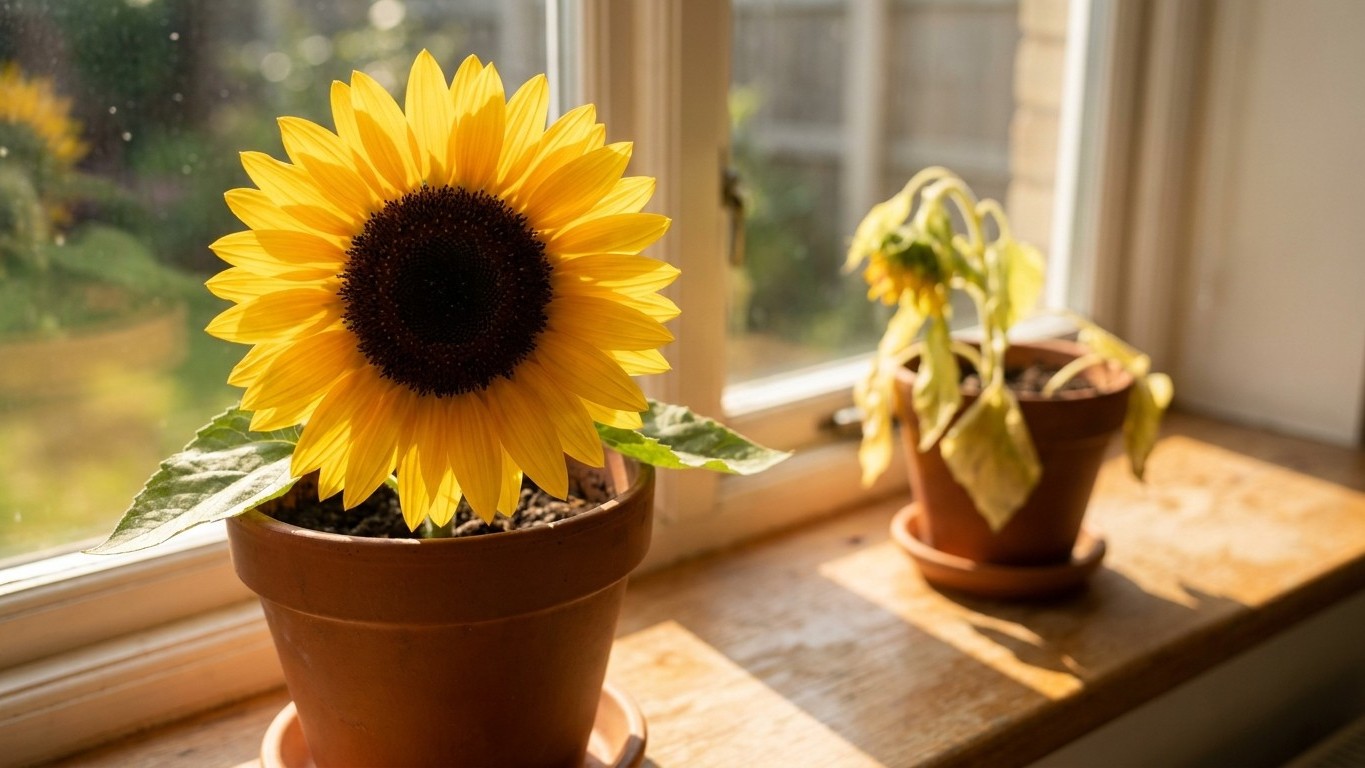
Your neighbor plant is yellowing for no apparent reason. You watered it, checked for pests, and adjusted the light. Nothing helps. The culprit might be sitting right next to it, in full bloom, looking completely innocent.
Plants are not passive roommates. Some have the ability to affect their immediate neighbors by producing and releasing toxic chemical compounds into the soil or air, and when these chemicals are absorbed by a neighboring plant, they can inhibit growth or even kill it. This biological arms race has a name: allelopathy. From the Greek-derived compounds meaning “mutual harm” or “suffering,” the term was first coined in 1937 by Austrian professor Hans Molisch. The concept is older than that, though. Theophrastus, who lived around 300 BCE, noticed the inhibitory effects of pigweed on alfalfa. Two thousand years later, most home gardeners still have no idea it exists.
Key takeaways
- Some plants release toxic chemicals that deliberately sabotage their neighbors’ growth—and you’ve probably blamed yourself for it
- Even innocent-looking sunflowers and flowering plants are gassing their neighbors with ethylene, causing symptoms that mimic every other plant problem
- Your beautiful windowsill arrangement might be a botanical pressure cooker where allelopathic compounds concentrate and destroy nearby plants
A Chemical War Fought in Silence
Allelopathic plants reduce competition for available resources by releasing toxins that suppress the growth of plants in their vicinity, and they do this through multiple delivery mechanisms simultaneously. Various parts of plants can have these allelopathic properties, from the foliage and flowers to the roots, bark, soil, and mulch. Translation: a plant doesn’t need to be decomposing to cause damage. It’s already waging chemical warfare while it’s alive and thriving on your shelf.
Allelopathic chemicals can hinder seed germination, growth rate, photosynthetic ability, reproduction, and ultimately survival of other species that lie under and nearby them. The symptoms look frustratingly like every other plant problem. Plants that are sensitive may display yellowing of leaves, wilting, and eventually death. Most gardeners blame themselves, then the soil, then the light. The actual cause, a neighboring plant quietly poisoning the environment, rarely makes the list.
Allelopathy is often overlooked because many people haven’t even heard of it, and there is a dizzying array of other biological and abiotic causes for the same symptoms. That confusion is, ironically, part of what makes the phenomenon so effective. The aggressor goes undetected.
The Flowering Suspects on Your Windowsill
The most notorious allelopath is not a flowering ornamental but a tree: the black walnut. Black walnuts produce a highly allelopathic compound called juglone in their leaves, stems, and fruits, with the highest concentration in the roots. Plants suppressed by Black Walnut Trees include basswood, birch, pine, hackberry, azaleas, and plants in the nightshade family, vegetables like tomatoes and potatoes. Juglone is the textbook case, but the principle extends to plants you’d never suspect.
Sunflowers are the surprising one. Cheerful, beloved by pollinators, plastered across every cottage garden inspiration board, and genuinely toxic to their neighbors. Sunflowers release allelochemicals that cause growth inhibition to surrounding plants by affecting physiological processes such as respiration, cell division, and water and nutrient uptake. Commonly affected plants include potatoes, pole beans, and some grasses. The damage doesn’t stop when the plant is removed either. Even after sunflowers are gone, their leftover plant debris and roots can leave behind allelopathic chemicals that linger in the soil.
Then there’s the second, airborne threat. Plants themselves produce ethylene gas that is released into their environment, and old or dying flowers and ripening fruit produce more ethylene than leaves and young plants. Plants make ethylene as they age, when they are damaged, and in response to changes in temperature and sunlight — and because the hormone is a gas that can travel through the air, it acts within the plants that produce it. Also, on nearby plants. A flowering plant past its prime, sitting inches from your monstera, is effectively gassing it.
No other air pollutant causes a greater range of symptoms than ethylene gas. Symptoms range from shedding or shattering of flower petals, misshapen or malformed leaves and flowers, thickened stems, leaf yellowing, stunted plant growth, and flower bud abortion to epinasty or twisting. And it operates at concentrations almost too small to imagine. Plants are very susceptible to ethylene injury at levels from 0.01 to 1 ppm or more.
Not All Offenders Are Equal : Or Permanent
Not all allelopathic plants are harmful to all plants. They may produce chemicals that affect only specific plant families. That specificity matters. A plant wrecking your tomato seedlings might leave your herbs completely untouched. In some instances the very same compounds can both inhibit and enhance plant growth, depending on the dose the plant receives, a process known as hormesis. The dose, the distance, and the species pairing all determine whether you’re dealing with a chemical assassin or a benign companion.
Some gardeners have discovered the dynamic the hard way in containers. Horticulturists noticed that when sweet potato vine was planted into containers, the hibiscus also planted with it would stop flowering soon after, and that some annuals didn’t do well in pots with marigolds, and that nothing liked to be in a pot with a sunflower. A pot amplifies proximity. Root systems share the same confined soil, allelochemicals concentrate rather than disperse, and ethylene builds up in enclosed spaces. Your beautifully curated plant shelf is, from a botanical chemistry standpoint, a pressure cooker.
Practical Fixes That Actually Work
The goal isn’t to exile every flowering plant. Keeping allelopathic plants in containers is one way to mitigate their effects, physically separating the root systems prevents soil-based chemical exchange, even if airborne ethylene still circulates. For windowsills and shelves, spacing matters more than most people realize. Grouping plants based on their chemical profiles, not just their light requirements, is the next level of plant care most hobbyists haven’t reached yet.
Dead and dying flowers need to go immediately. Ethylene is a naturally occurring wound hormone that causes leaf yellowing, leaf drop, bud drop, and reduced flower life, and it is given off by dying, decaying, and dead fruits and vegetables. Letting spent blooms sit on the plant, or worse, in the same pot as a sensitive fern, accelerates the damage. Deadhead aggressively. Remove fallen petals before they decompose.
Gardeners can manage allelopathy by learning which plants may be allelopathic and which are susceptible to plant toxins, and with this knowledge, design their garden accordingly. For soil-based allelopathy, raised beds with physical barriers help outdoors. Indoors, fresh potting mix when repotting a previously troubled plant can clear residual allelochemicals that have built up over a season. Removing plant debris and adding compost or organic matter helps neutralize allelopathic compounds faster.
One detail that rarely appears in basic gardening guides: ethylene-sensitive flowers include orchids, delphinium, some varieties of roses, potted mini roses, geraniums, hibiscus, kalanchoe, euphorbias, sweet peas, ficus, freesia, carnations, and wax flower. If several of those names sound familiar, it’s worth reconsidering what they’re sharing shelf space with, and what’s been slowly wilting next to them for months, producing ethylene the whole time.
Sources : shegrowsveg.com | organic-gardening101.com