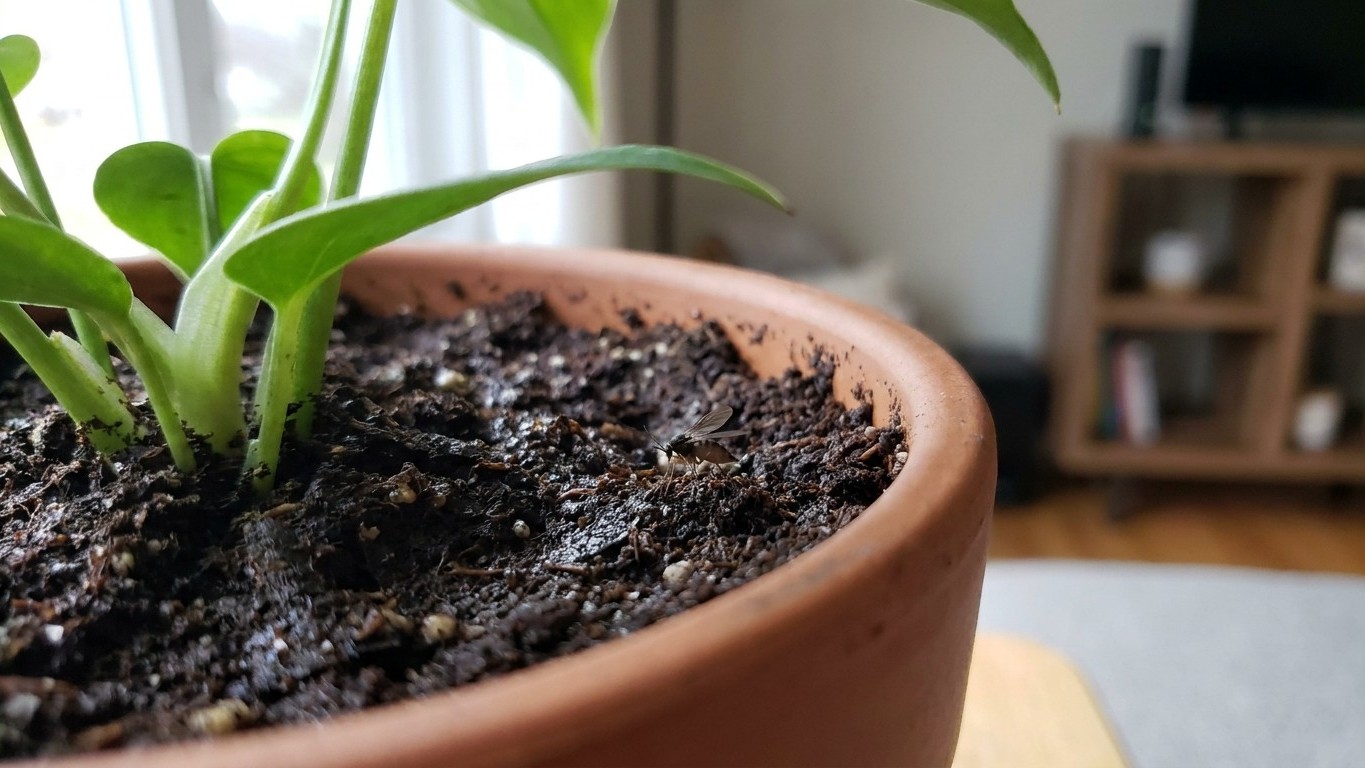
If tiny black flies rise from your pots every time you water, it’s no coincidence: the top 5 cm of soil that never dries out is breeding what’s eating your roots

If tiny black flies rise from your pots every time you water, it's no coincidence: the top 5 cm of soil that never dries o...

Those tiny black flies hovering around your watering can aren’t random—they’re fungus gnats, and their larvae are feasting on your plant roots in the perpetually damp top layer of soil. A single female lays 200 eggs in her week-long life, hatching a new generation every 17 days. The fix is surprisingly simple, but it requires rethinking how you water.

Why Your Sunny Windowsill Plants Are Dying from Below: The Black Pot Problem Nobody Mentions

Why Your Sunny Windowsill Plants Are Dying from Below: The Black Pot Problem Nobody Mentions

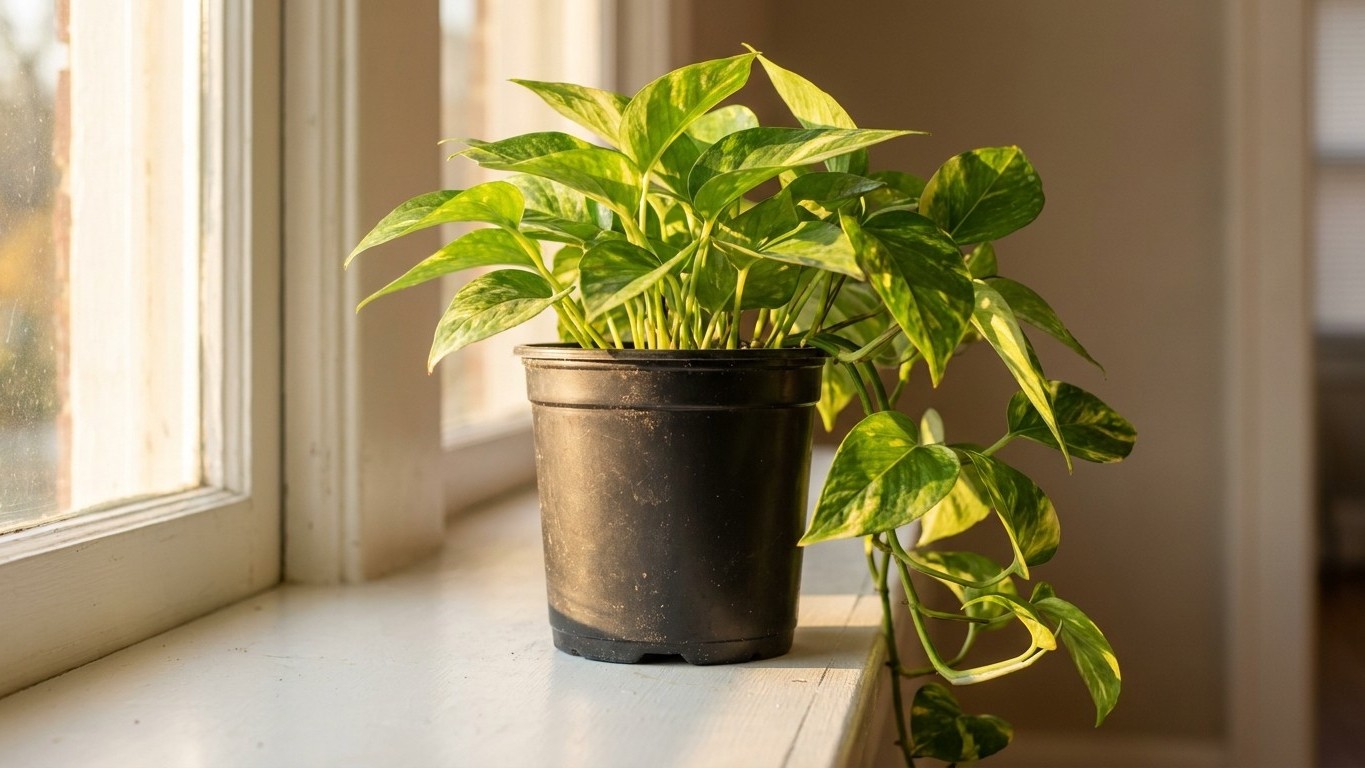
A seemingly healthy plant can hide root damage for weeks while basking on a sunny windowsill. The culprit isn’t the light—it’s the black nursery pot absorbing heat like a stone in the sun, cooking roots that evolved underground. One gardener’s discovery of a root ball too hot to touch revealed why leaves looked fine while the plant was quietly dying from the ground up.

Two Years of Ice Cubes Revealed the Hidden Damage: What Orchid Roots Really Tell You

Two Years of Ice Cubes Revealed the Hidden Damage: What Orchid Roots Really Tell You

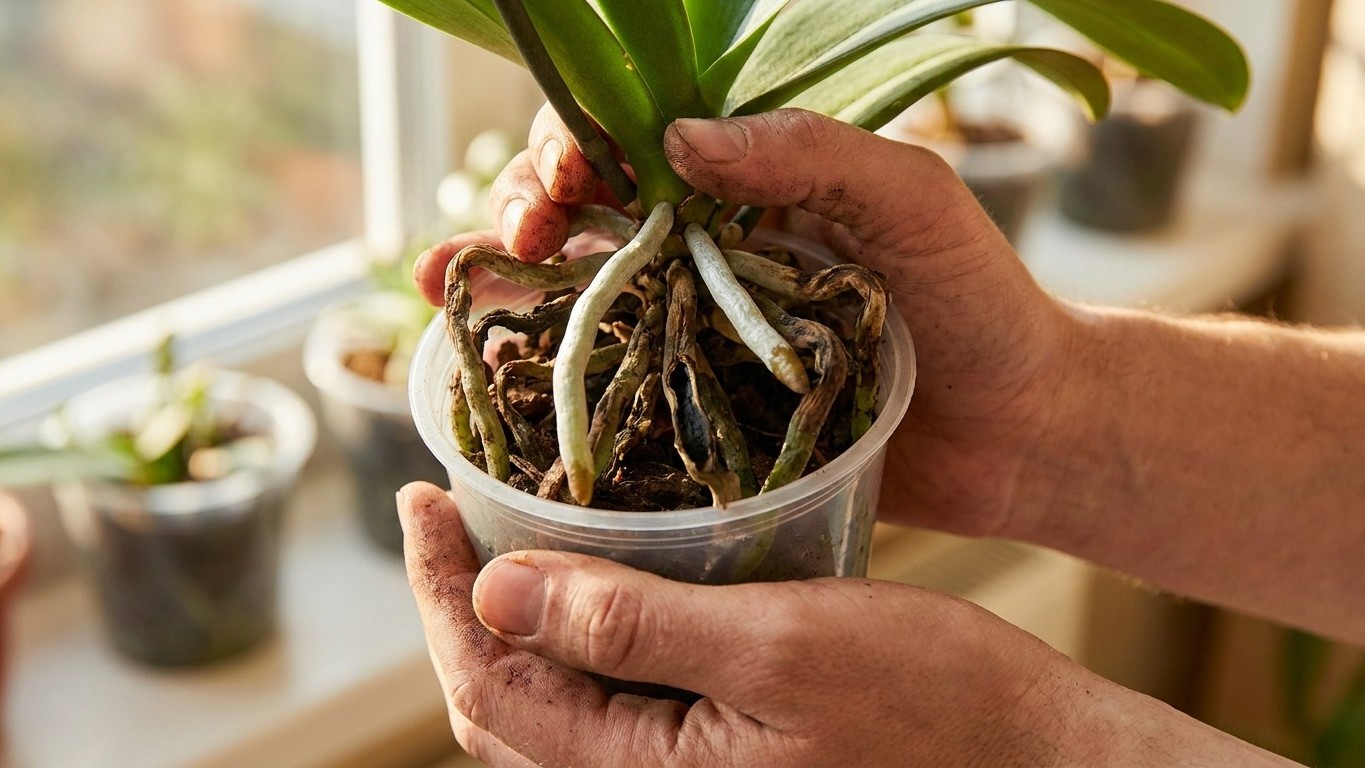
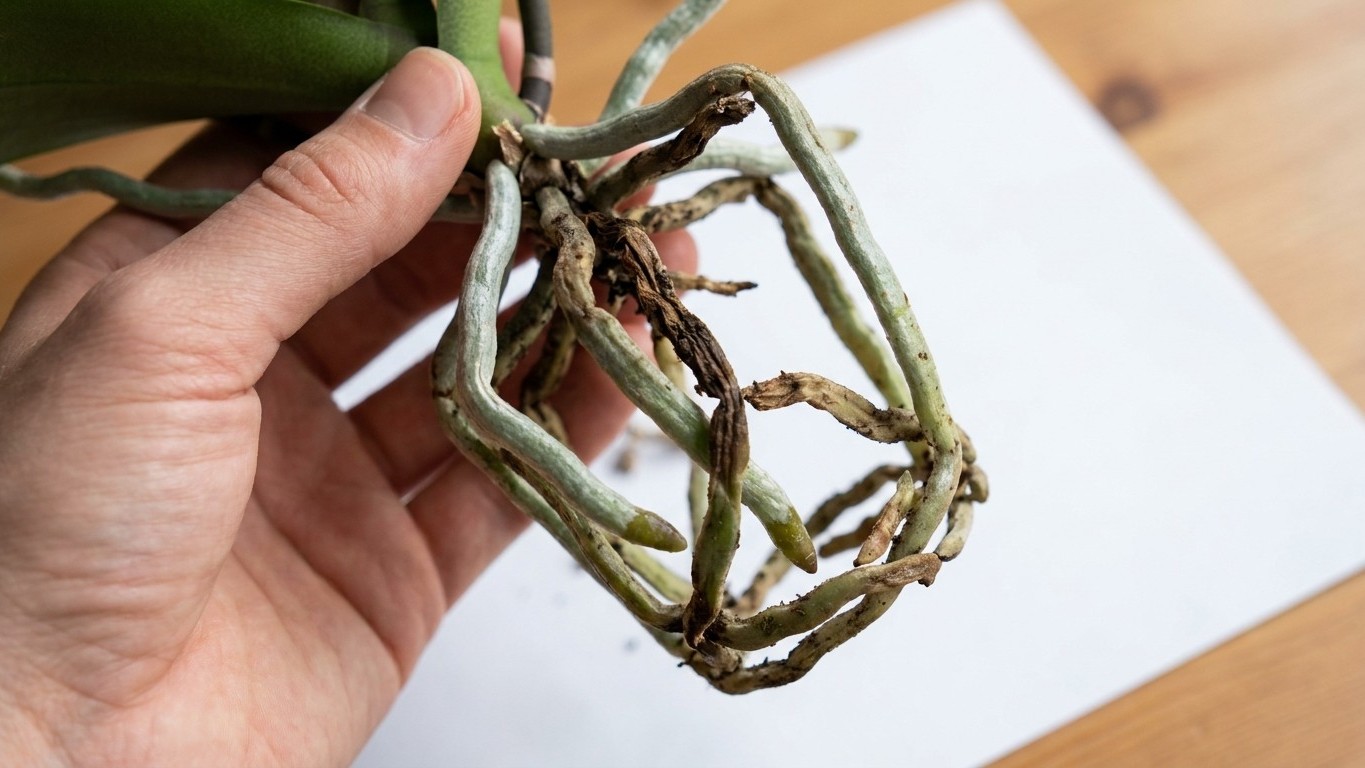
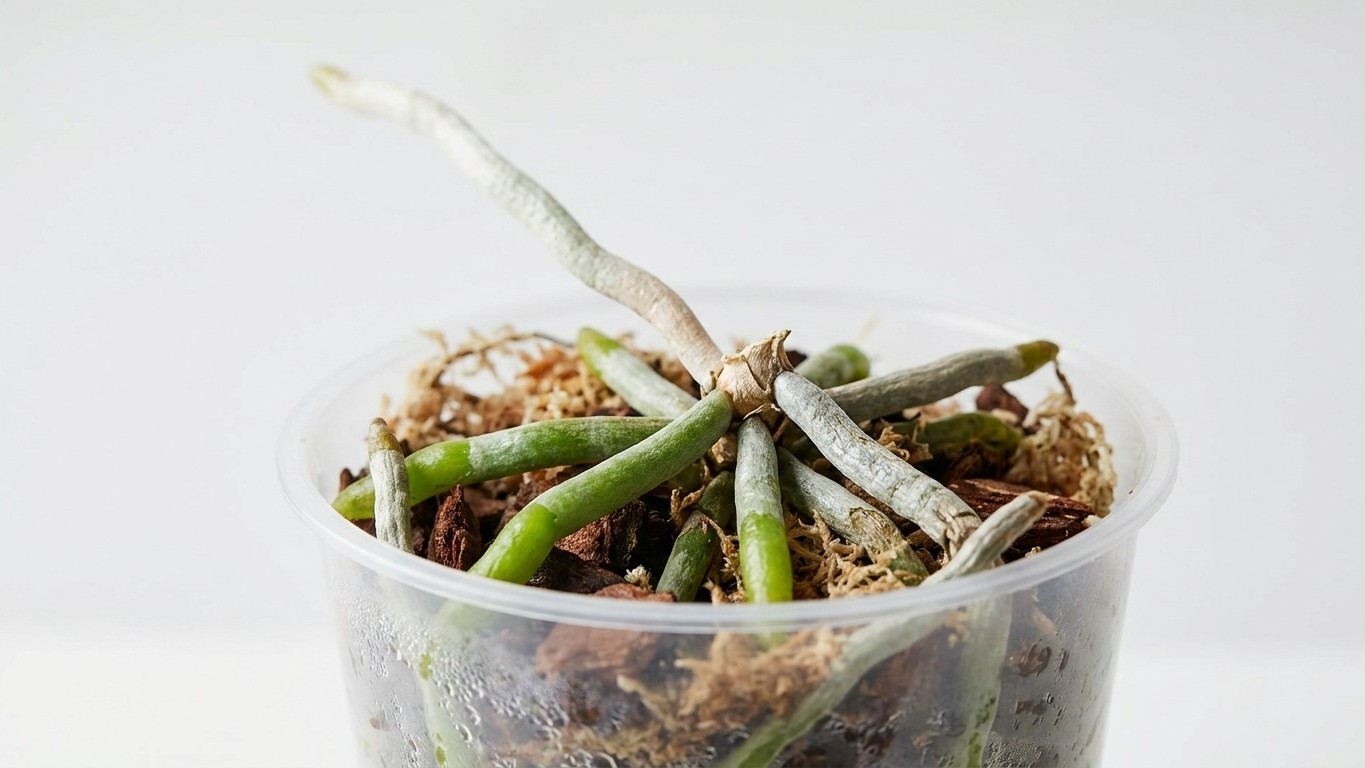
A two-year ice cube watering routine seemed harmless until repotting day exposed the truth: brown patches clustered exactly where the cold shock had accumulated. Orchid roots are remarkably readable once you understand what their colors and textures actually mean.

Hidden Root Rot: Why Your Orchid’s Pebbles May Be Slowly Killing It

Hidden Root Rot: Why Your Orchid's Pebbles May Be Slowly Killing It

For years, decorative pebbles beneath orchids seemed like thoughtful care—until the roots revealed the truth. What appeared as a simple humidity hack was quietly creating conditions for rot, months before leaves showed any sign of distress. Here’s what healthy orchid roots are trying to tell you.

Stop Repotting on Schedule: The Root Sign That Actually Matters

Stop Repotting on Schedule: The Root Sign That Actually Matters

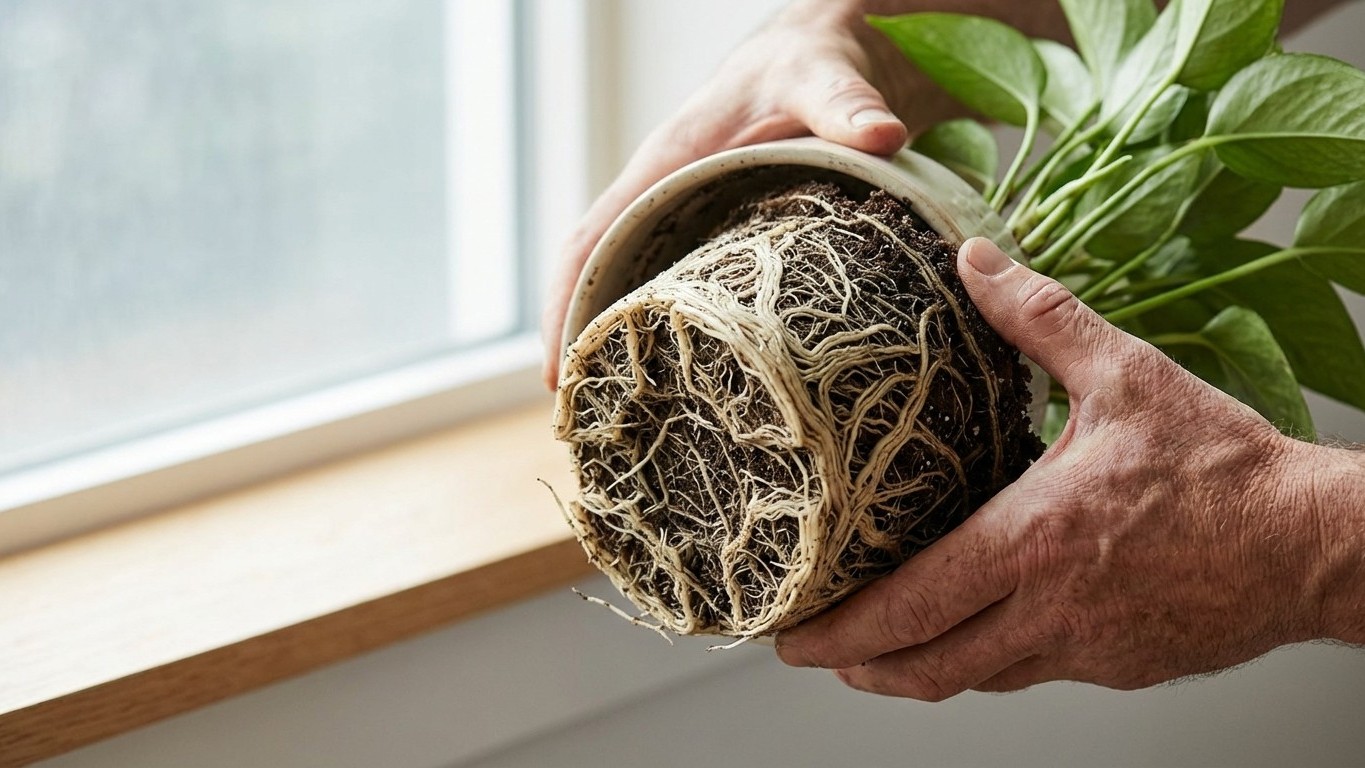
A nursery worker revealed the single root sign that determines whether your plant needs repotting—and it has nothing to do with the calendar. For three years, a gardener was repotting on autopilot until discovering most of their plants were thriving in their current containers. The shift from scheduled care to observation changed everything.