« I thought my living room was warm enough »: why your moth orchid keeps pushing out leaves and never a single new spike
« I thought my living room was warm enough »: why your moth orchid keeps pushing out leaves and never a single new spike

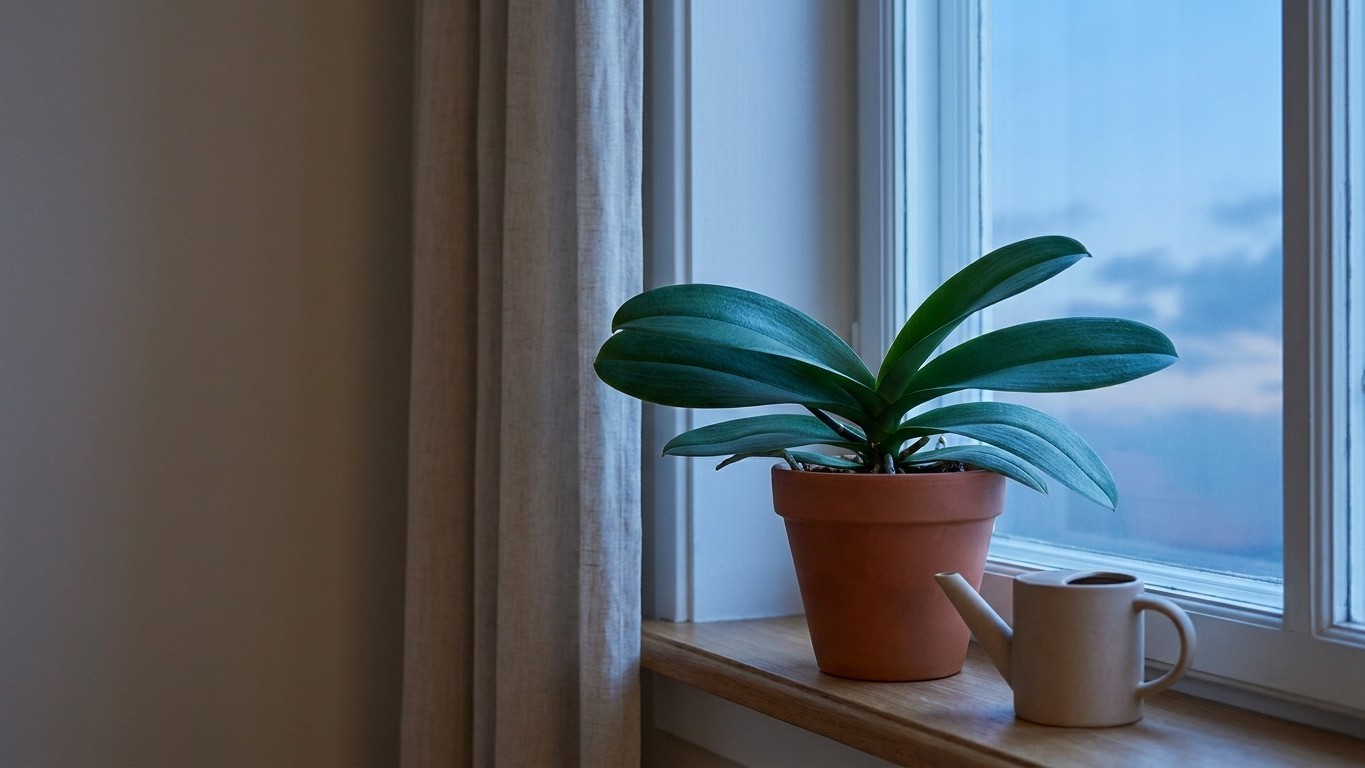
Your moth orchid looks thriving with glossy new leaves and healthy roots, yet refuses to produce a single flower spike. The culprit isn’t your watering routine or light—it’s a missing temperature signal. Phalaenopsis orchids need a deliberate cool period to trigger blooming, and cozy year-round indoor temperatures prevent them from ever receiving the botanical “go” signal.
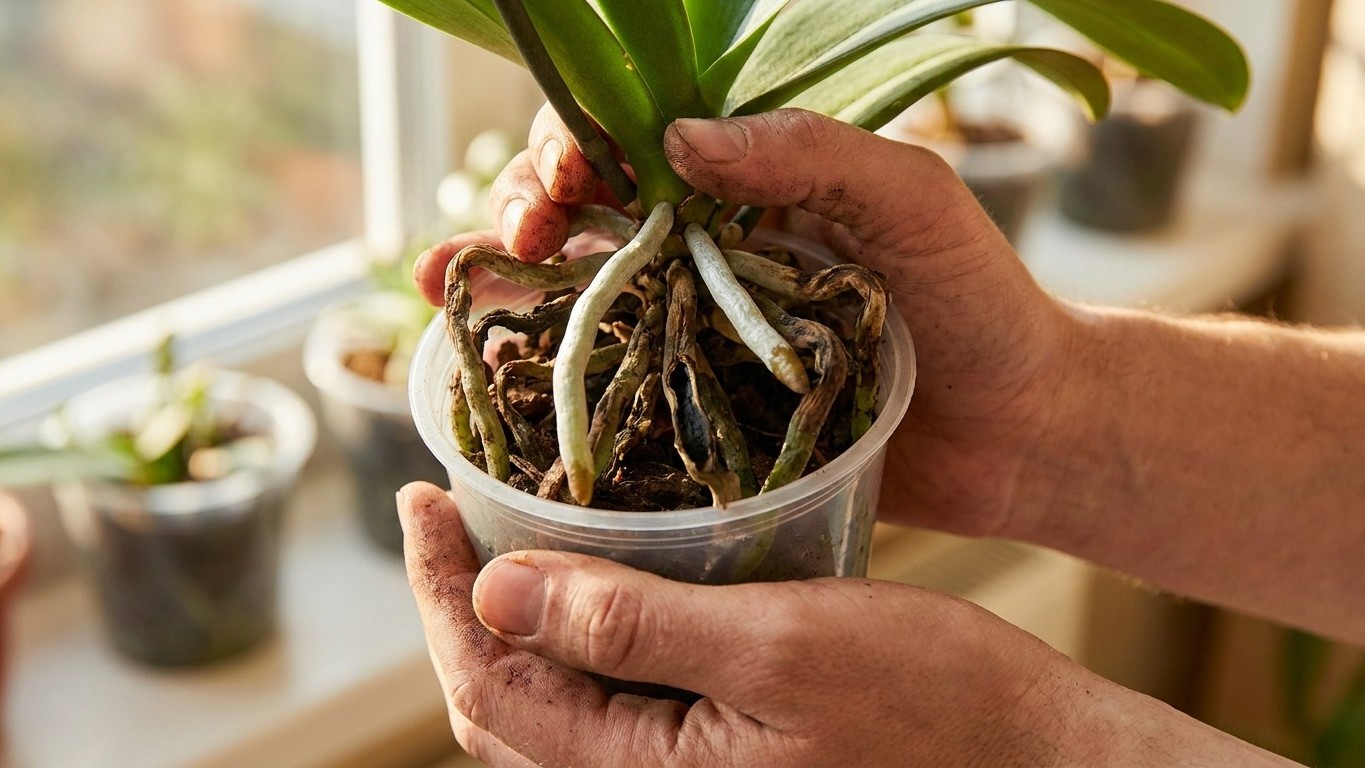
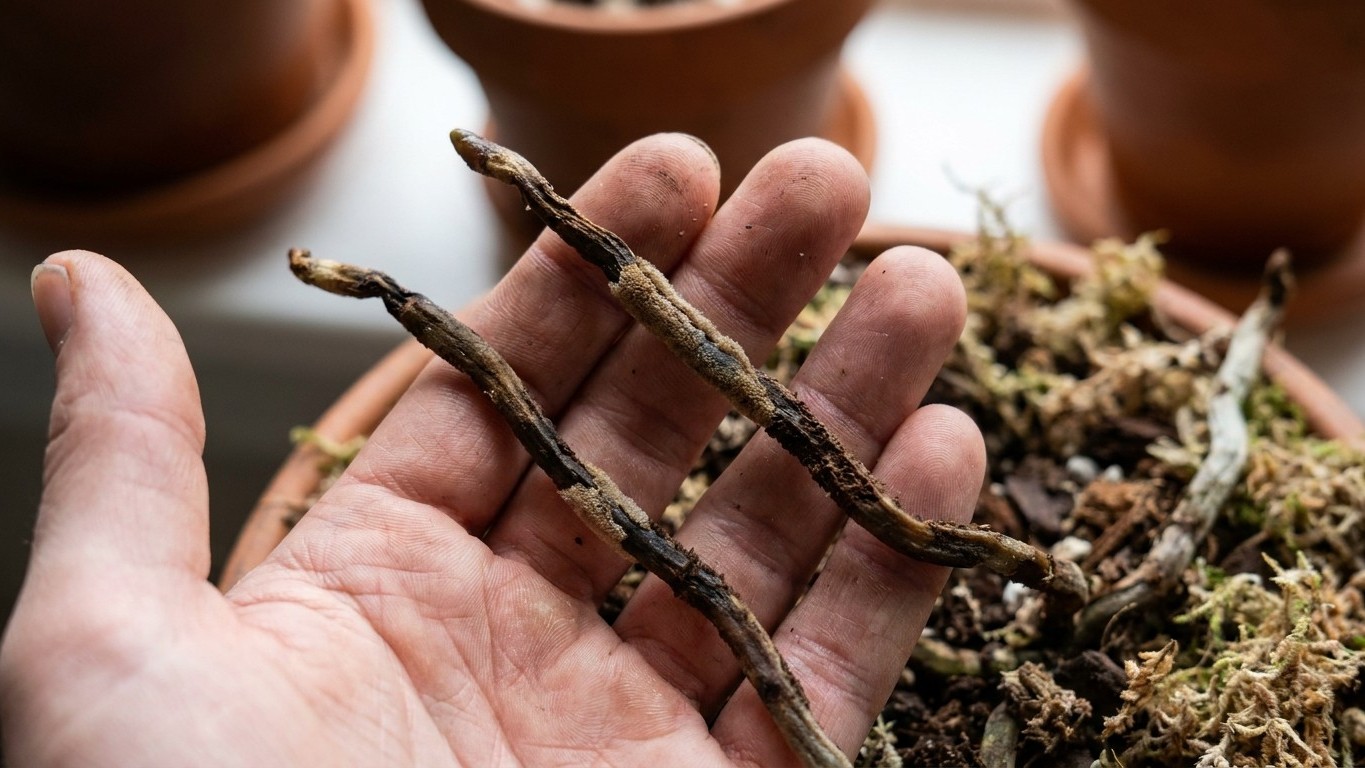
I dropped three ice cubes on my orchid every Sunday just to get the watering right: the day I lifted it out of its pot, I understood what the cold had done to the roots

I dropped three ice cubes on my orchid every Sunday just to get the watering right: the day I lifted it out of its pot, I ...

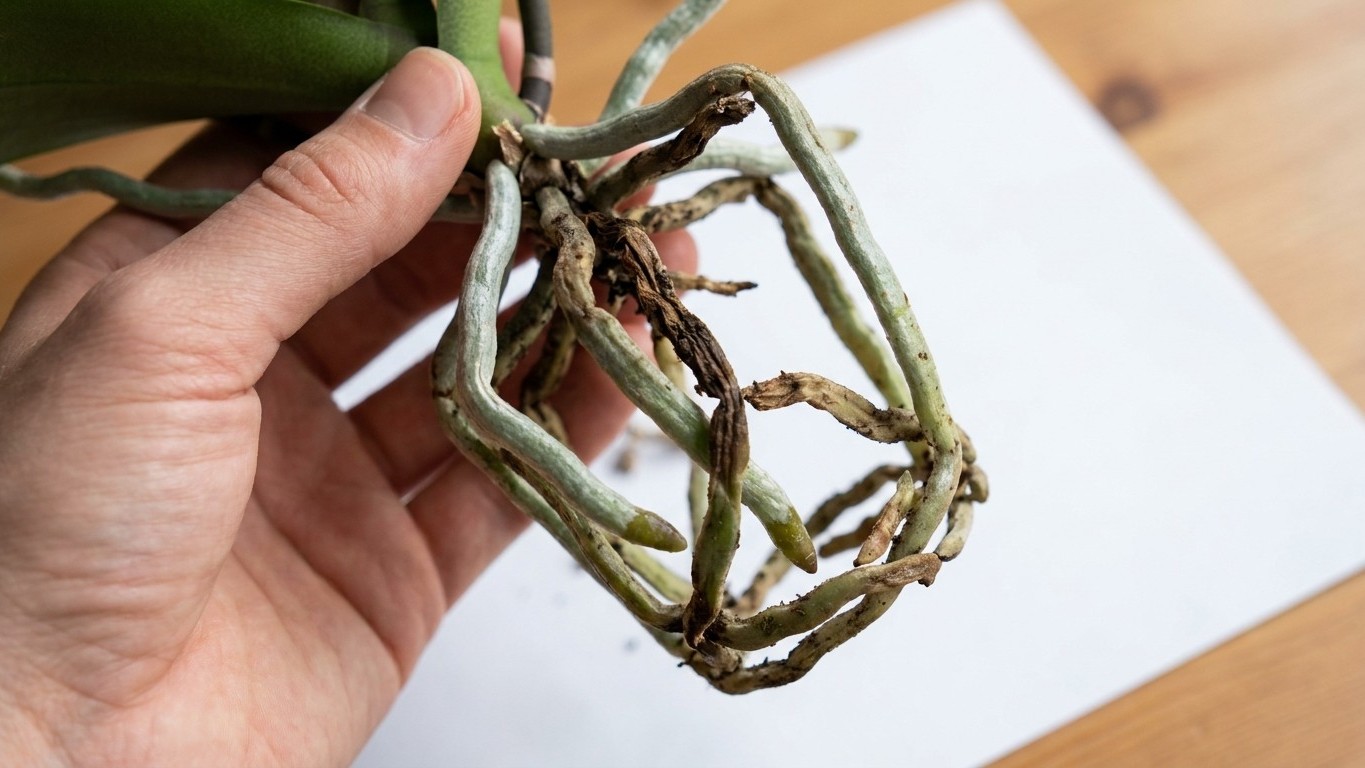
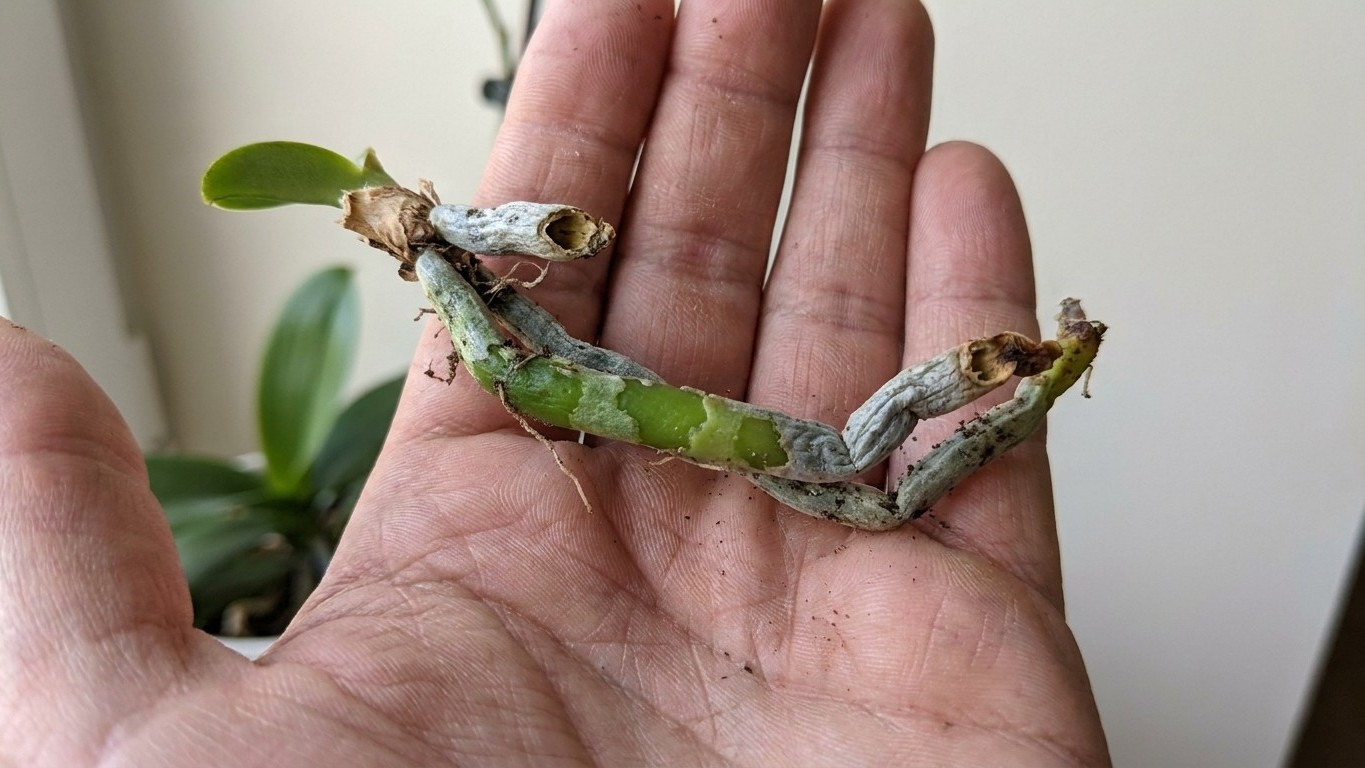
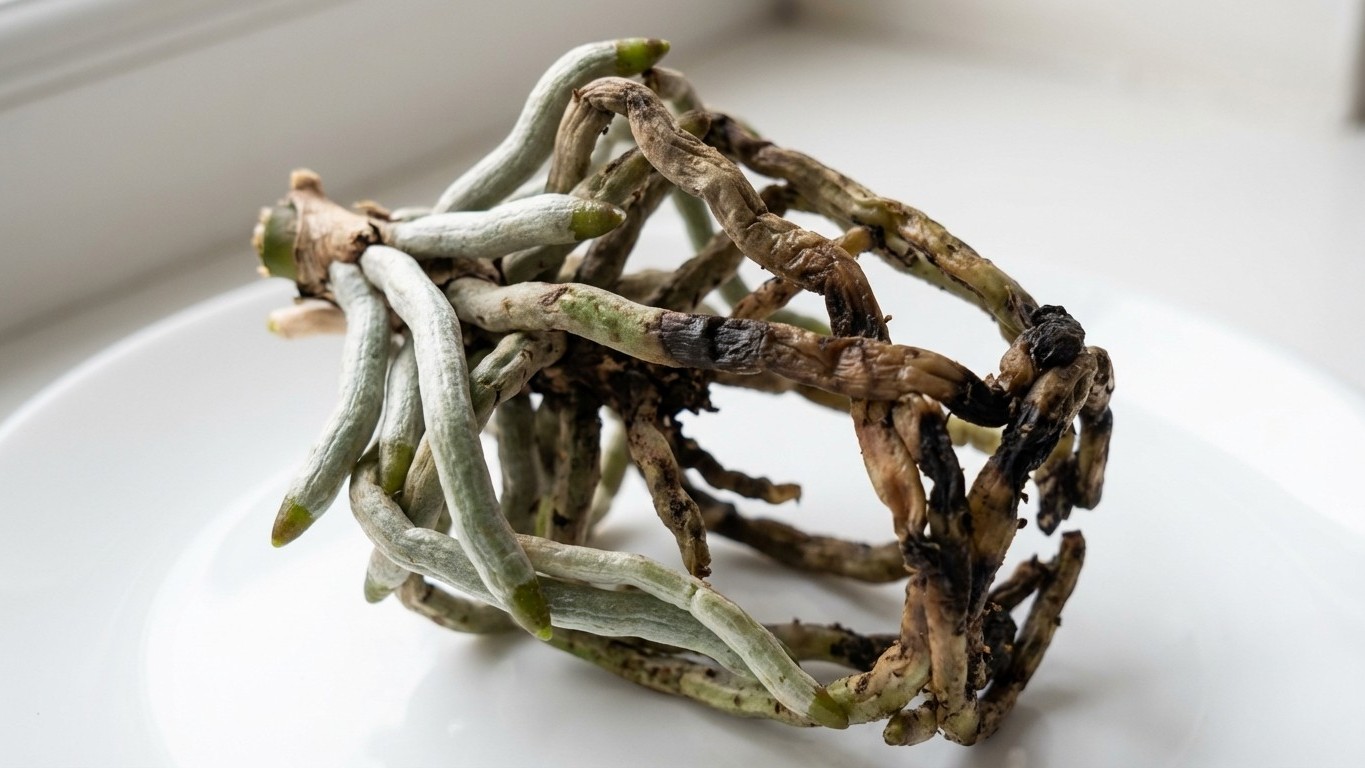
For months, three ice cubes every Sunday seemed like the perfect orchid care routine—until repotting revealed blackened, collapsed roots where the cubes had landed. A grower’s discovery uncovers what the popular method gets dangerously wrong.

I watered my orchid with softened tap water for two years just because it seemed gentler: the day I lifted it out of the pot, I saw what had built up in the bark

I watered my orchid with softened tap water for two years just because it seemed gentler: the day I lifted it out of the p...

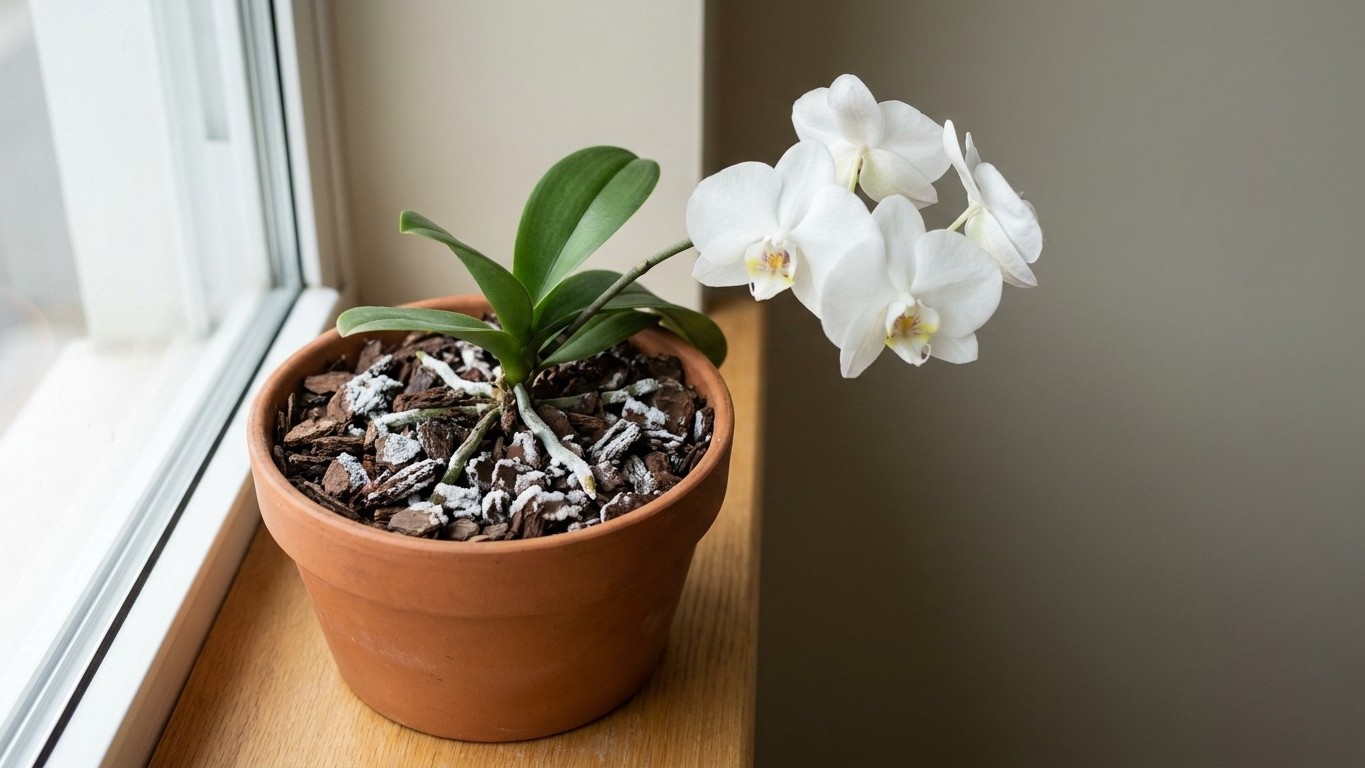
For two years, an orchid owner faithfully watered with softened water thinking it was gentler—until repotting revealed a crusty white buildup coating the bark. This sodium accumulation silently damages roots through osmosis, and it’s more common than most growers realize. Here’s what went wrong and how to fix it.

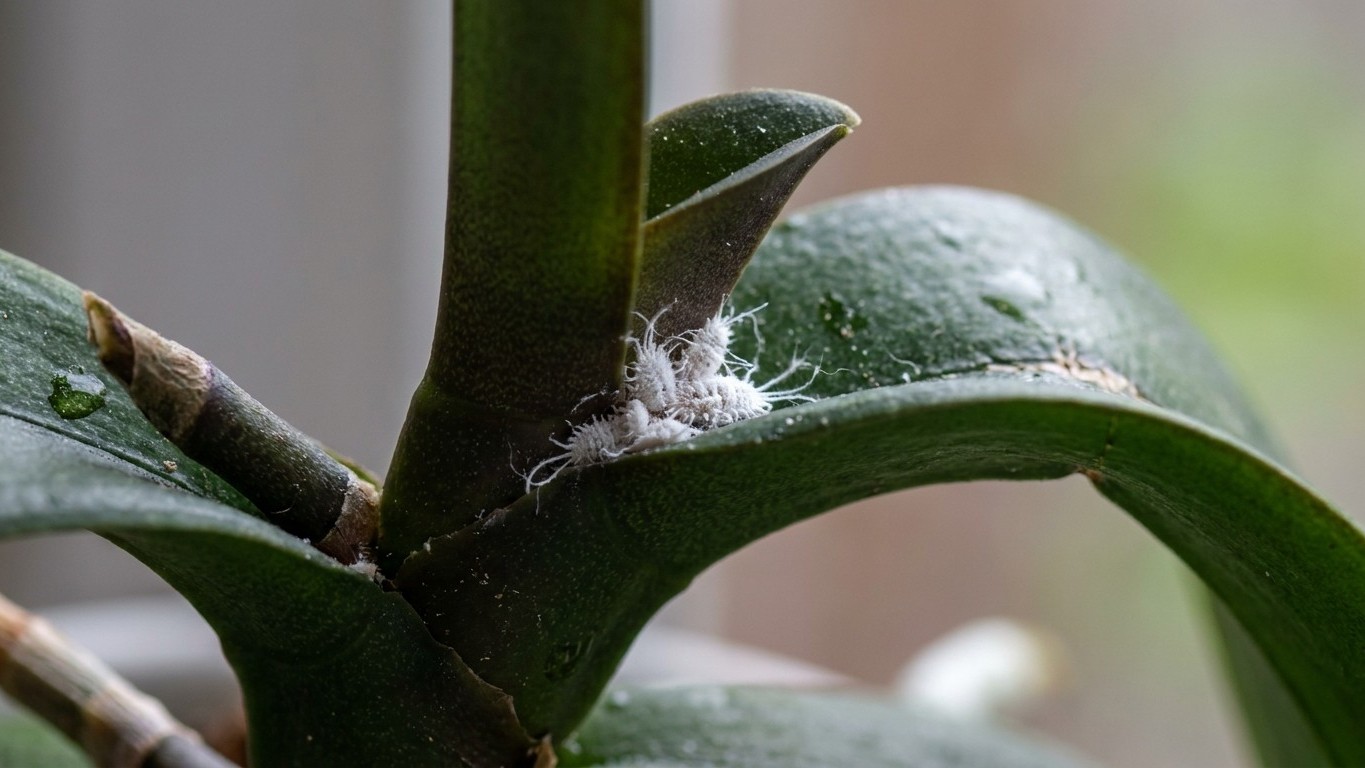
“I thought it was just dust on the leaves”: why the white cotton tucked into your orchid’s leaf axils should never be wiped off

'I thought it was just dust on the leaves': why the white cotton tucked into your orchid's leaf axils should never be wipe...

That innocent-looking white tuft nestled in your orchid’s leaf axils isn’t household dust—it’s a colony of mealybugs hiding under a waxy protective coating. A quick wipe with a damp cloth only rearranges the problem, leaving eggs and nymphs to continue feeding on your plant’s sap. Discover why this common mistake fails and the proven multi-step approach that actually works.

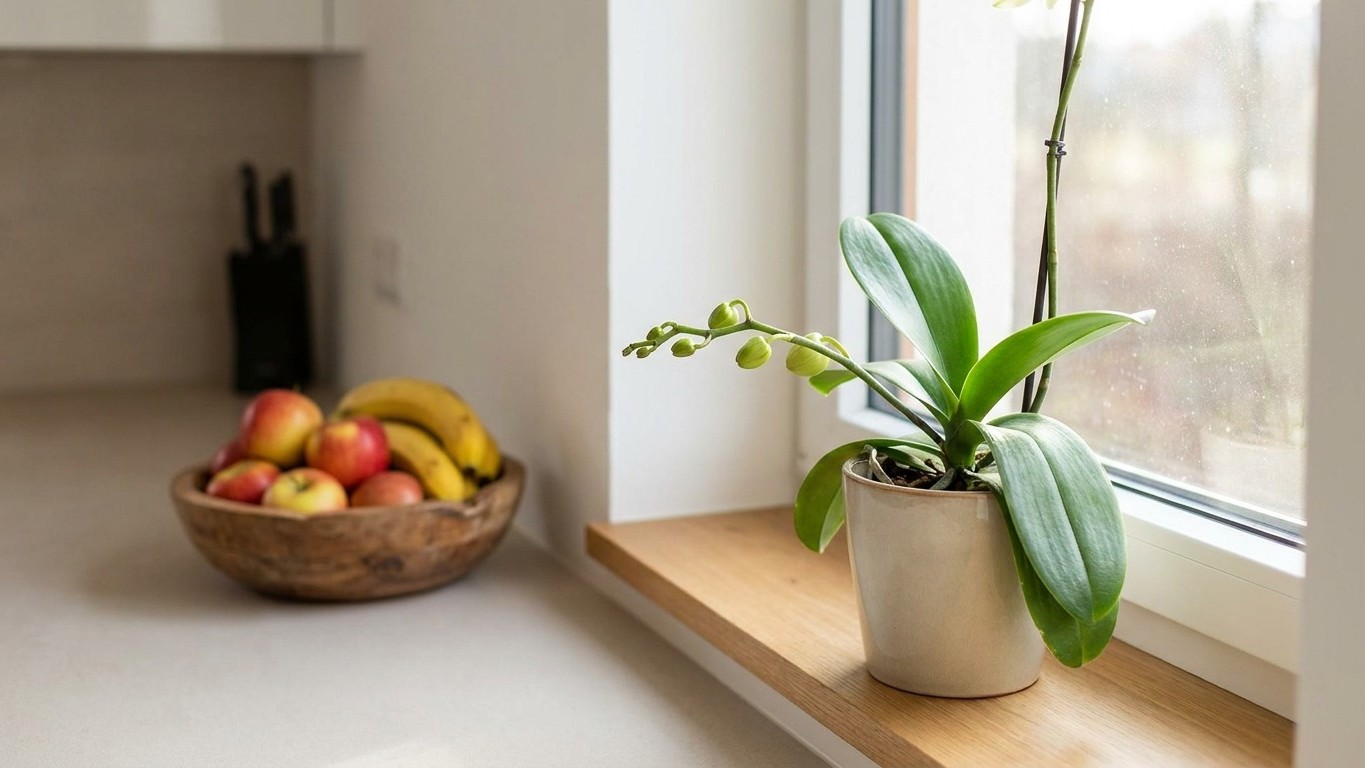
I kept my orchid next to the fruit bowl just for decoration: within weeks, every single bud dropped before opening and I finally understood why

I kept my orchid next to the fruit bowl just for decoration: within weeks, every single bud dropped before opening and I f...

Your healthy-looking orchid mysteriously drops all its buds while the leaves stay perfect. The culprit isn’t neglect—it’s an invisible gas from ripening fruit that tricks the plant into thinking it’s already been pollinated. Moving your orchid away from the kitchen could be the only fix you need.

I Followed the Viral Ice Cube Orchid Hack for Years—Here’s What I Found When I Finally Unpotted My Plant

I Followed the Viral Ice Cube Orchid Hack for Years—Here's What I Found When I Finally Unpotted My Plant

For three years, I watered my orchids with ice cubes following a viral marketing hack. When I finally unpotted the plant, I discovered gray, dead roots—and learned the hidden science behind why this popular shortcut actually harms tropical orchids.

Two Years of Ice Cubes Revealed the Hidden Damage: What Orchid Roots Really Tell You

Two Years of Ice Cubes Revealed the Hidden Damage: What Orchid Roots Really Tell You

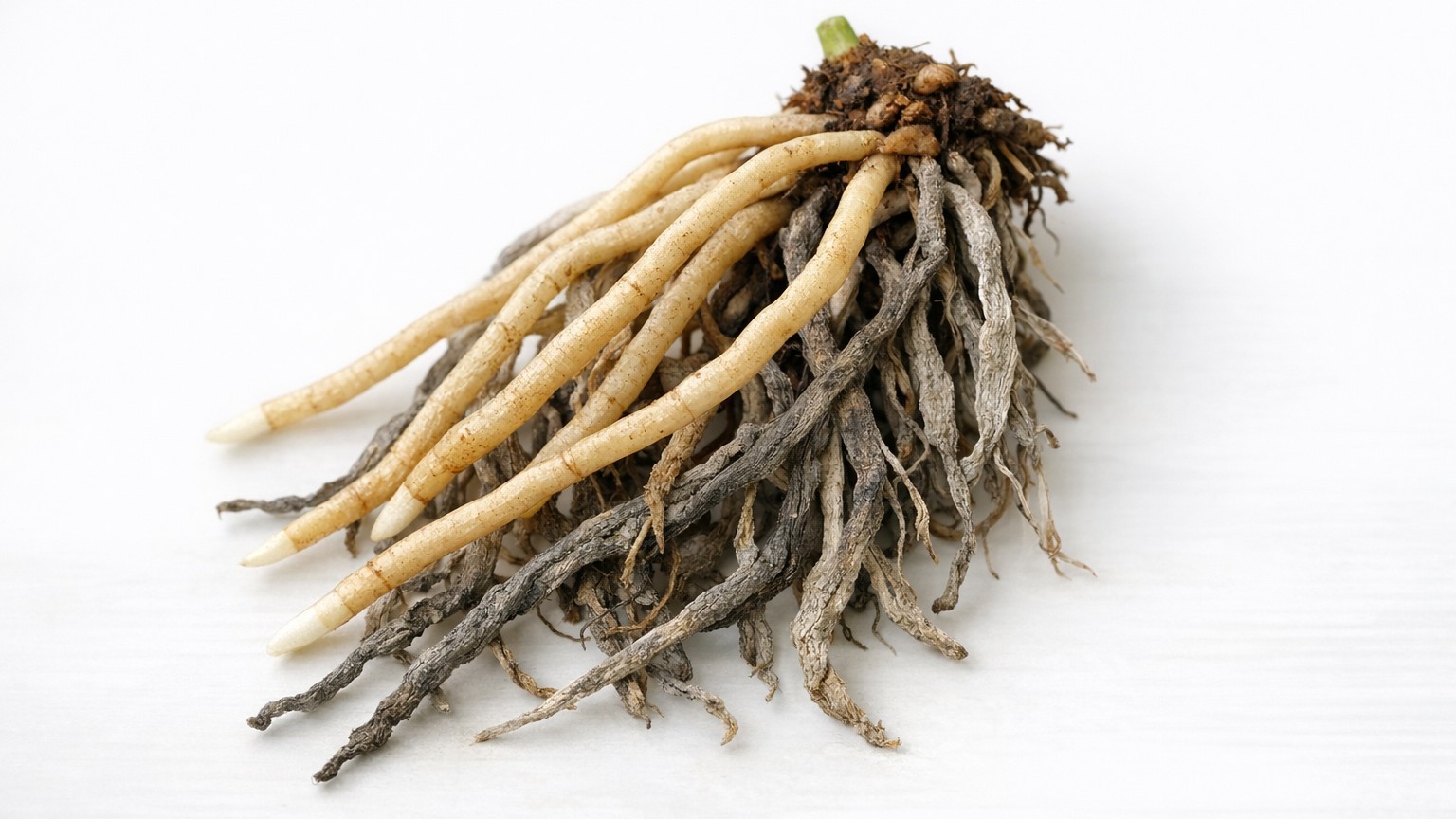
A two-year ice cube watering routine seemed harmless until repotting day exposed the truth: brown patches clustered exactly where the cold shock had accumulated. Orchid roots are remarkably readable once you understand what their colors and textures actually mean.

Hidden Root Rot: What Happened to My Orchid in Just 21 Days Underground

Hidden Root Rot: What Happened to My Orchid in Just 21 Days Underground

A perfectly healthy orchid revealed a shocking secret when repotted: half its root system had rotted in just three weeks, all while the leaves stayed glossy and green. The culprit was simple—the wrong soil. Here’s how to spot the damage before it’s too late and what actually works.