
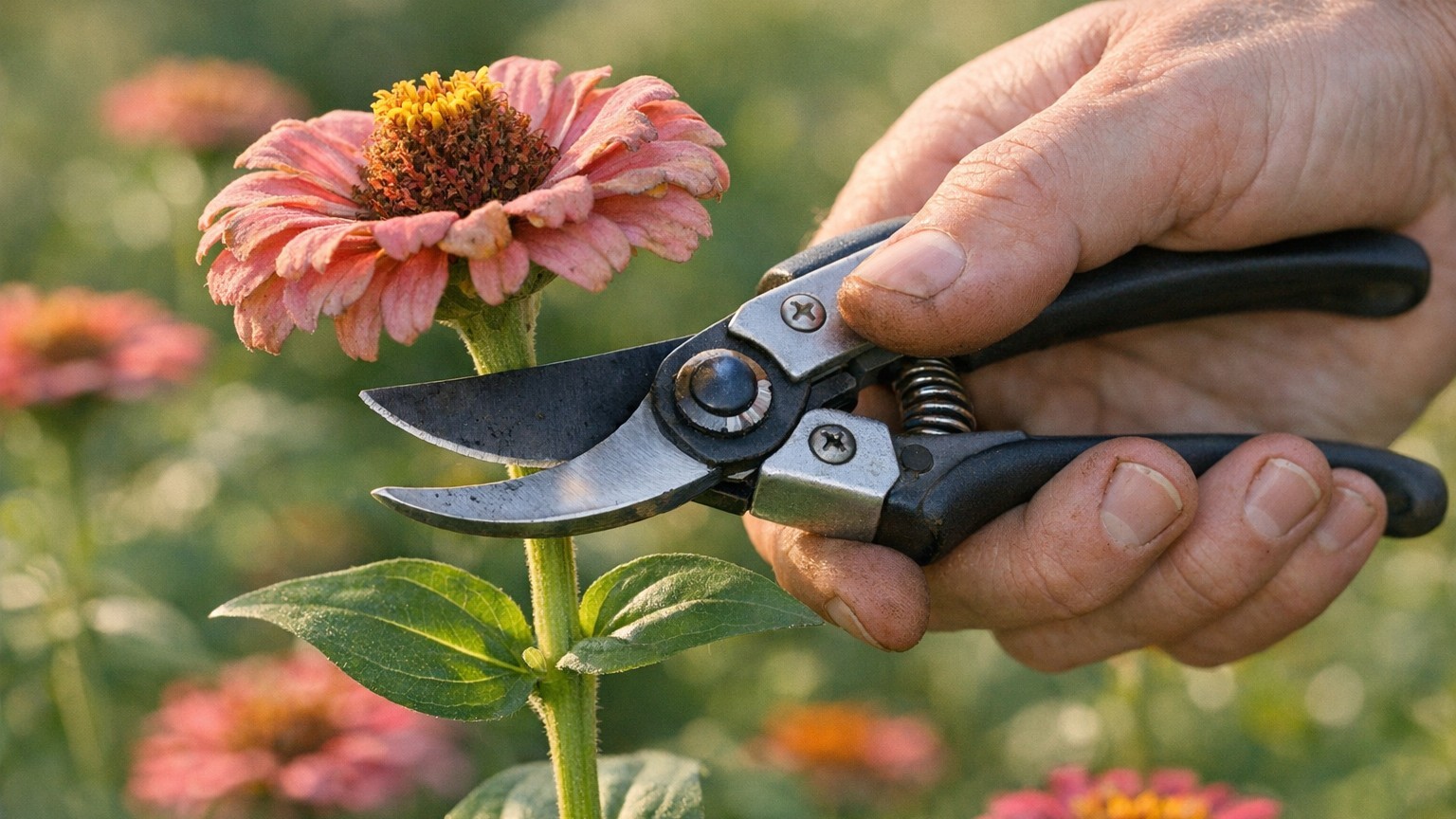
For years, the routine felt obvious: walk through the garden, snip the brown flowers, move on. Deadheading done. But the blooms still petered out by August, leaving bare stems where color should have been. The missing piece wasn’t effort, it was timing. Specifically, when in the season to start, and how early to commit to doing it consistently. One shift changed everything: beginning deadheading at the very first faded bloom of the year, before the plant ever has a chance to think about seeds.
Key takeaways
- Most gardeners miss the exact moment their plants commit to seed production—and it happens earlier than you’d guess
- A tiny shift in when you start deadheading can double your garden’s flowering season
- The plant biology behind why cutting at the wrong stem point sabotages your entire summer of color
Why Plants Stop Blooming (And What You’re Actually Fighting)
Deadheading removes faded or dying flowers before they form seeds, which pushes the plant to produce more blooms instead of finishing its life cycle. Plants naturally focus their energy on reproduction, so once a bloom fades, the plant shifts into seed-making mode unless someone interrupts the process. That’s not a metaphor, it’s basic plant biology. A flower exists to attract pollinators, set seed, and ensure next year’s generation. The moment that goal is achieved, the plant has no biological reason to keep producing color.
If left alone, a flowering plant would bloom, that bloom would then be fertilized and set seed. In this reproductive cycle, the plant expends all its energy and nutrients to set seed instead of producing more flowers. The result is a garden that peaks brilliantly in June, then goes stubbornly quiet. Most gardeners deadhead sporadically, when they notice the mess, when they have a free Saturday. The plant, meanwhile, has already spent two weeks redirecting energy toward those seed heads.
The Timing Shift That Actually Works
You should start deadheading early, right when you begin to see the first few blooms, and end late in the season. That’s the change. Not a new tool, not a different technique, simply moving the start date from “whenever I get around to it” to the very first sign of fading. Deadheading should be done in spring to early summer; waiting until late summer or fall to begin deadheading plants is usually too late, and the shortening days of fall and cooler temperatures will work against the growth of new flowers.
Many annual flowers like zinnias and geraniums respond very well to deadheading and will put out more blooms the more you cut them back. However, if you choose to wait until later in the season, like early fall, the task of deadheading can become overwhelming. By that point you will have missed out on the chance of repeat blooming. There’s a compounding effect here that most guides gloss over: every seed head you allow to form early in summer takes energy that would have funded three or four new flower cycles. Let a dozen go, and the plant’s entire second half of the season is already compromised.
Frequency matters as much as start date. Timing throughout the season matters just as much as the method because flowering cycles shift with temperature and sunlight. Early summer often brings rapid bloom production, which requires more frequent attention to prevent seed formation. During the height of summer, it is best to deadhead every two to three days. That sounds relentless, but in practice, five minutes every other morning is all it takes for a mid-sized bed.
How You Cut Matters Almost as Much as When
Snipping the flower head and leaving a bare stub is one of the most common deadheading errors. Starting at the spent flower head that you want to remove, work down the stem until you locate the next healthy set of leaves, side branches, or leaf nodes. Trim off the faded blooms about 1/4 inch above the next set of leaves or side shoots down the stem. That cut point is where the plant will produce its next growth. Leave a long, leafless stem above it, and the new shoot has to fight through dead tissue to emerge.
Avoid cutting just the head off, as this leaves an unsightly stem that won’t grow back. Cutting back to the leaf node encourages the plant to grow two new stems from that spot, leading to more flowers. Two stems for one removed bloom, the math is good. For roses specifically, new research has shown that roses flower more prolifically when old flowers are removed just above the first leaf below the flower, rather than at the first set of five leaves, which is the standard method promoted by most people.
Avoid deadheading during the heat of the day. The best time is in the morning or evening when plants are less stressed and can recover more easily. A small detail, but plants cut at noon in July are working harder to heal. Morning cuts, when tissues are still cool and hydrated, heal faster and push new buds sooner.
Plants That Reward You Most, and the One Exception Worth Knowing
Gardeners notice that marigolds, zinnias, and petunias respond especially fast when old flowers disappear regularly. Dahlias are another story entirely, they can go from spent to spectacular in under a week when deadheaded aggressively. A rose or dahlia deadheaded regularly will produce multiple flushes of flowers over a season lasting three to five months. The same plant left to set seed will typically slow significantly after its first flush and produce a much shorter overall display.
Lavender deserves a specific mention because the timing window is narrow. The best time to deadhead lavender is immediately after the first flush of flowers fade, typically in late spring to early summer, depending on your growing zone. Removing spent blooms helps redirect the plant’s energy toward producing new flowers instead of setting seed. Miss that window by two weeks, and the second flush, often lighter to begin with, may not materialize at all.
The real exception to aggressive deadheading? If you want to attract birds or let flowers self-seed for the next growing season, leave a few spent blooms intact on plants like coneflowers, sunflowers, and poppies. Echinacea seed heads are architectural and attractive through autumn and winter, and they are a major food source for finches and other seed-eating birds. Deadheading everything is not the goal, deadheading strategically, from the right moment, on the right plants, is. A garden managed that way runs color from May to the first frost, which is roughly twice the display most yards manage on autopilot.
Sources : frugalgardening.com | gardeningknowhow.com