
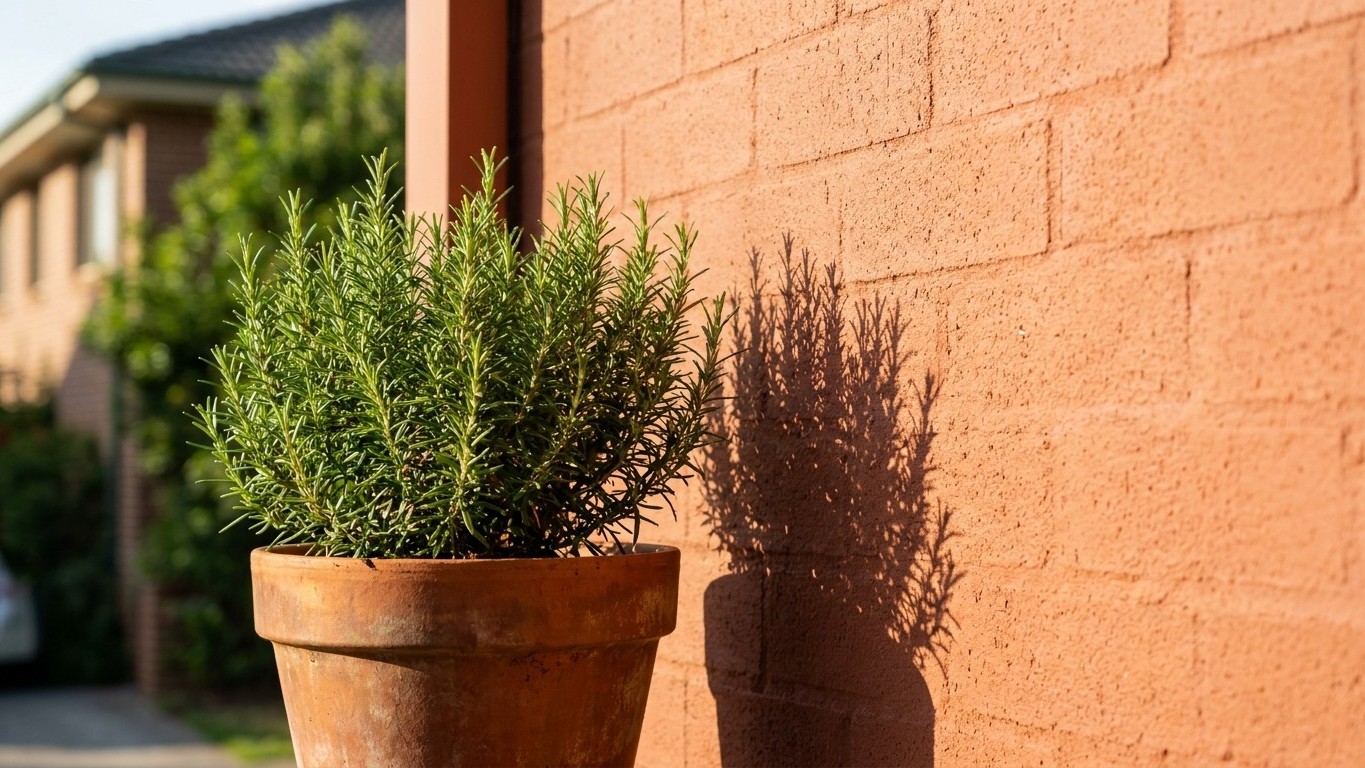
Most houseplant owners have done it. A summer heatwave rolls in, the sun hammers through the glass, and the instinct kicks in: pull the plants back, save them from the heat. Logical, protective, well-intentioned, and, for a large portion of those plants, exactly the wrong call. The gardener who moved my plant against a south-facing brick wall wasn’t reckless. She was working from a principle that has roots going back to 17th-century France. Understanding why changes how you think about your entire home garden.
Key takeaways
- The real threat to windowsill plants isn’t heat—it’s the glass trapping it. But pulling plants to dark corners creates a different problem entirely.
- Brick and stone walls have a superpower: they absorb daytime heat and release it slowly at night, extending growing seasons by weeks and stabilizing temperatures.
- Medieval Paris suburbs produced 17 million peaches annually using only ‘fruit walls’—a forgotten technology that works just as well on modern apartment balconies.
The Real Danger at the Window Isn’t What You Think
Most damage blamed on excess light is actually due to overheating. With sunlight streaming through glass windows and little air circulation, heat can build up tremendously, causing injury to even sun-loving, heat-tolerant plants such as cacti and other succulents. The glass itself is part of the problem. Glass can intensify heat and light, and can become hot on sunny days. The still air near the pane can create a microclimate of high heat and low humidity, which can cause leaf scorch or tissue damage, even on plants that tolerate bright light.
So the fear isn’t misplaced, it’s just misdirected. Pulling a plant two feet from the window during a July afternoon makes sense. But sliding it to the far end of the room “to be safe”? That’s a different story entirely. The truth is that more indoor plants lack light than receive too much of it. Even so-called “low-light plants” do much better with plenty of sunshine than in a shady corner. Deprivation, not exposure, is the silent killer of most houseplants in American homes.
The signs of light starvation are easy to mistake for something else: wilting, yellowing leaves, or stunted growth, which may indicate inadequate light or other environmental issues. Many owners reach for fertilizer or adjust watering when the fix is far simpler, and free.
What the Gardener Knew: The Wall as an Ally
When my neighbor moved her potted rosemary tight against the south-facing exterior wall, I thought she was inviting disaster. Three weeks later, the plant was fuller and more fragrant than anything I’d managed indoors. The principle she was using has a name: thermal mass.
Thermal mass is the material’s ability to resist changes in temperature. When materials have good thermal mass, they’ll spend the day under the sun slowly heating up, and then, as temperatures drop during the night, they’ll slowly radiate the energy absorbed during the daytime, keeping the things around them warmer. Brick, stone, and concrete are the best performers. Most of the time, materials with good thermal mass are very dense, such as concrete, stone, brick, ceramic tile, or water.
The closer to the wall plants are, the better the warming effect, the less air that needs to be heated, and the longer the heat will last. This isn’t just passive warmth, it’s an active microclimate. Thermal mass stabilizes temperatures by 3–6°C and extends growing seasons by 2–3 weeks for crops like tomatoes and peppers. For a home gardener trying to push a little beyond their USDA zone, that margin is the difference between a productive pot of basil in October and a dead one.
The wall also does something else. The fruit wall reflects sunlight during the day, improving growing conditions. It also absorbs solar heat, which is slowly released during the night, preventing frost damage. Consequently, a warmer microclimate is created on the southern side of the wall for 24 hours per day. That’s not just a warm spot. That’s a free outdoor greenhouse.
This Isn’t a New Idea : It’s a Forgotten One
The concept has serious historical credentials. From the sixteenth to the twentieth century, urban farmers grew Mediterranean fruits and vegetables as far north as England and the Netherlands, using only renewable energy. These crops were grown surrounded by massive “fruit walls,” which stored the heat from the sun and released it at night, creating a microclimate that could increase the temperature by more than 10°C (18°F).
The most audacious example? Paris. Some French regions developed an urban farming industry based on fruit walls. The most spectacular example was Montreuil, a suburb of Paris, where peaches were grown on a massive scale. Montreuil had more than 370 miles of fruit walls by the 1870s when the industry reached its peak. Montreuil produced up to 17 million fruits per year. Peaches. In the Paris suburbs. In the 1800s, with no artificial heating. The technique, known as espalier, involved planting fruit trees close to specially built walls with high thermal mass and southern exposure, creating a microclimate that allowed the cultivation of Mediterranean fruits in temperate climates. The French quickly refined the technology by pruning branches so they could be attached to a wooden frame on the wall, allowing them to optimize available space and further improve growing conditions.
This isn’t folklore. It’s horticulture that worked so well it sustained an entire regional economy, and then got quietly abandoned when cheap fossil fuels made heated greenhouses easier to build and run.
How to Apply This at Home
The practical takeaway isn’t that you should push every plant flat against a wall. Context matters. If you are planning to garden against a south-facing wall in a warm climate, be sure to choose plants that will tolerate the extra heat generated in that location. Brick or masonry walls, especially, can churn out the heat. Soils will dry out quickly, so it’s important to keep the plants watered and mulched well.
For indoor plants, the window question is less about distance and more about direction and airflow. East-facing windows offer gentle morning sunlight, benefiting plants that prefer bright but indirect light, such as ferns, orchids, and herbs. West-facing windows get direct sun at the end of the afternoon when it is brightest, a plus for flowering plants, but also when it can be the hottest. The fix for an overheated windowsill plant isn’t exile to a dark corner, it’s a sheer curtain, a slight repositioning, or better airflow. Sheer curtains allow ample light to enter but diffuse the intensity of direct sun rays, providing a balanced light environment that supports the growth of plants without the associated heat stress.
Outside, the wall strategy is most powerful in shoulder seasons, spring and fall, when outdoor temperatures swing hard. Brick and masonry surfaces act as a thermal mass, heating up during the day and releasing the heat at night as the temperature drops, keeping the air around the plants a bit warmer. This has the effect of extending the growing season of warm season vegetables such as tomatoes, eggplants, chillies, and cucumbers by keeping the plants warmer and protecting them from frosts. For apartment dwellers with a balcony against a brick building, this is an underused superpower. Urban and suburban landscapes are actually at an advantage here. With much more concrete and brick around, there’s more opportunity for creating these growing spaces, they are perfect for apartment balconies and an easy way to utilize space that is probably otherwise wasted.
The gardener who moved my plant wasn’t ignoring the heat. She was using it. There’s a difference between heat that fries and heat that sustains, and it comes down to whether a wall is storing it or a pane of glass is trapping it. Centuries of French peach growers figured that out long before any of us had a potted monstera to worry about.
Sources : deepgreenpermaculture.com | deepgreenpermaculture.com