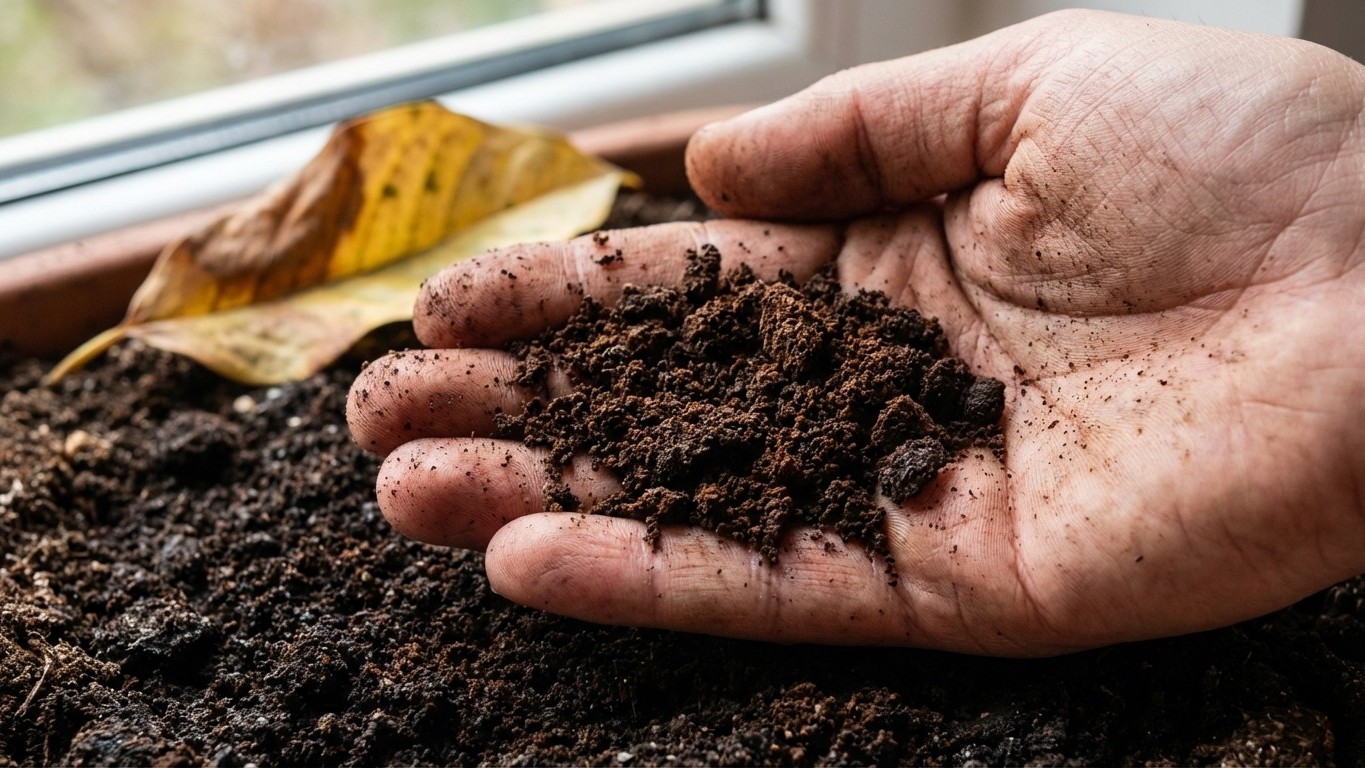
I tipped my used coffee grounds onto my houseplants to feed them: when I scratched the crusted layer a month later, I understood what was really breeding underneath
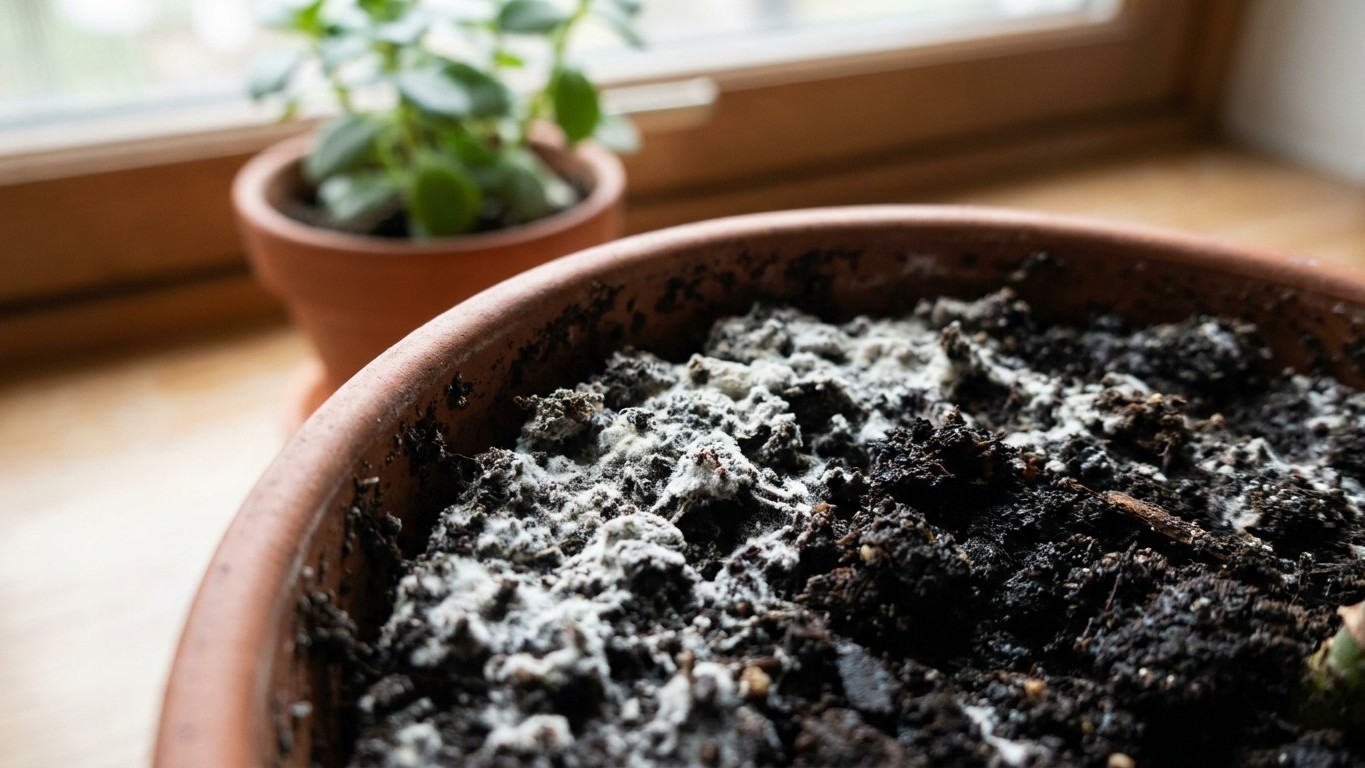
I tipped my used coffee grounds onto my houseplants to feed them: when I scratched the crusted layer a month later, I unde...

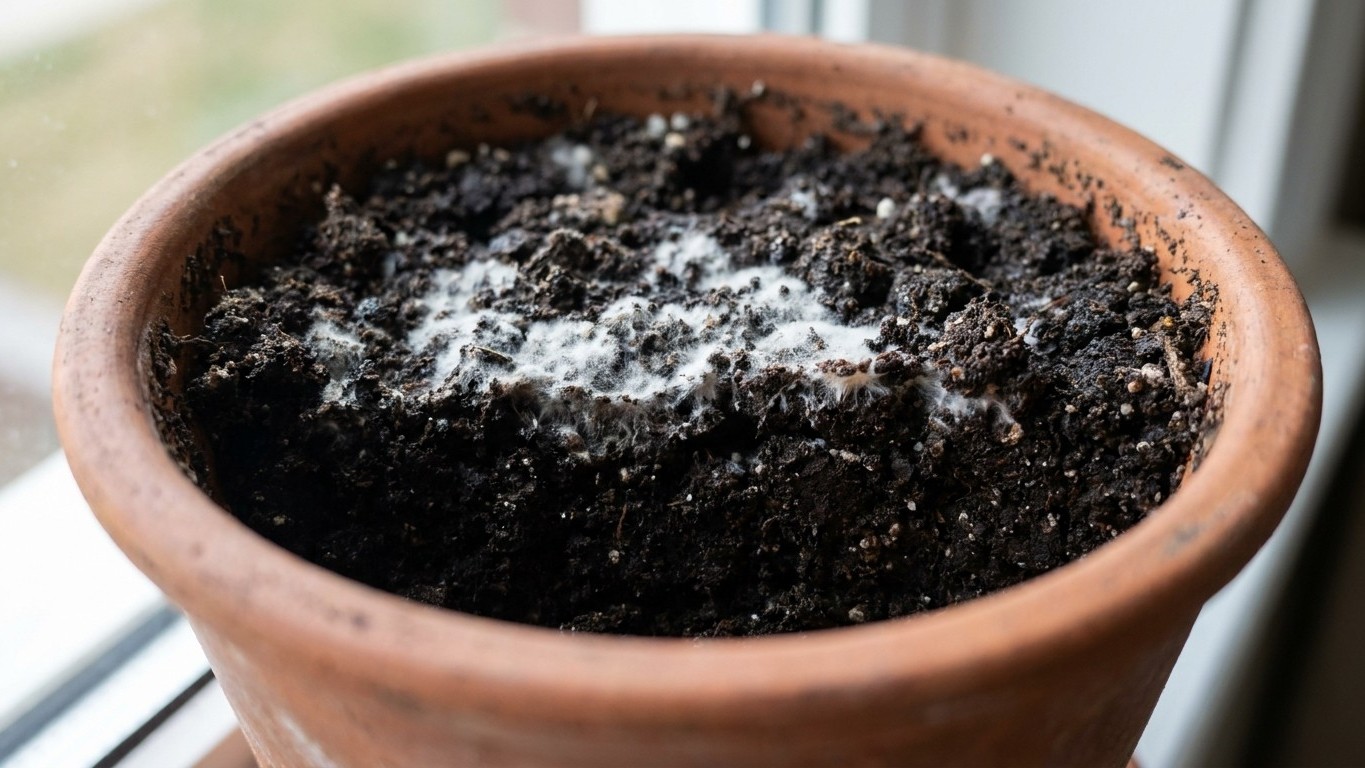
That white crust on your potted plants isn’t fertilizer—it’s a breeding ground for mold and fungus gnats. When you scratch through a month-old layer of coffee grounds, you’ll find trichoderma, cobweb mold, and worse: the perfect conditions for pest infestations. Learn which colors signal danger and how to safely feed your houseplants with coffee grounds instead.
The Coffee Ground Crust Killing Your Plants: Why This Popular Garden Hack Backfires

The Coffee Ground Crust Killing Your Plants: Why This Popular Garden Hack Backfires

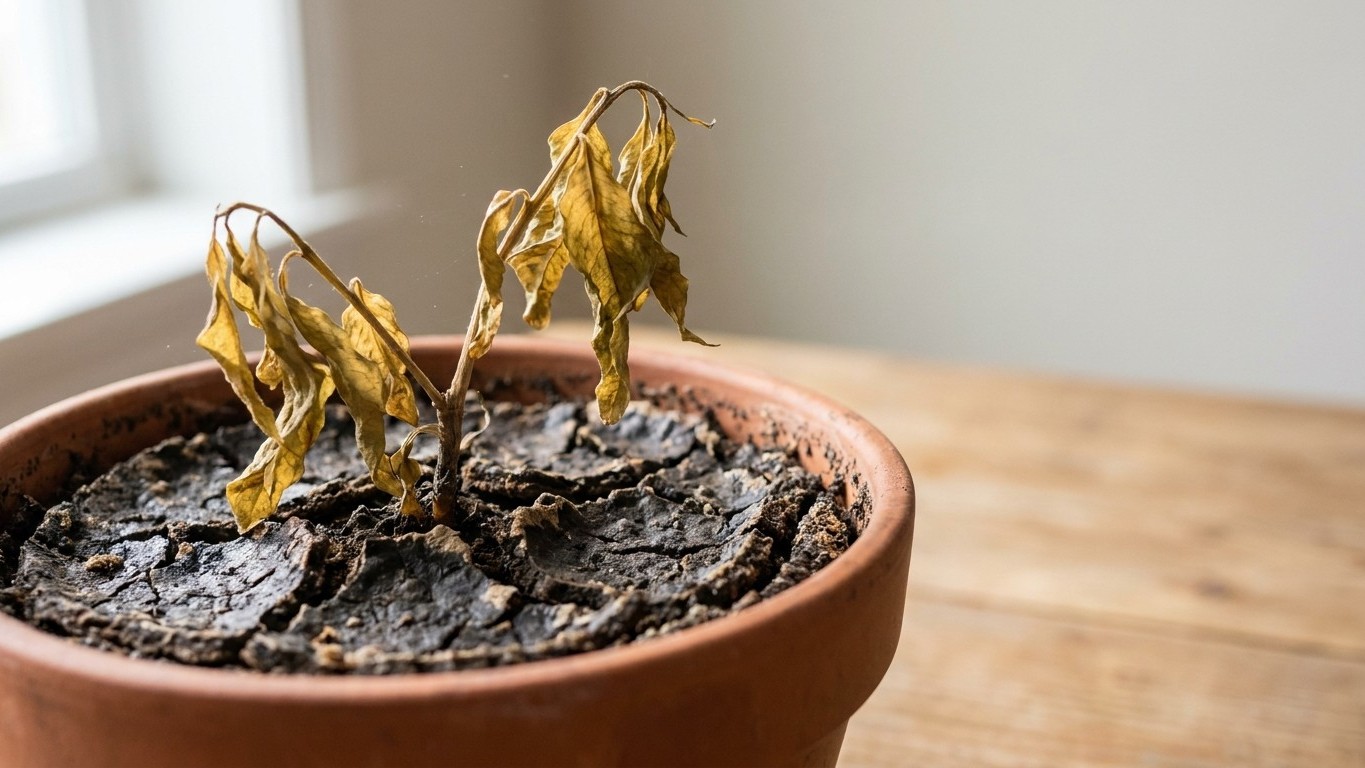
Gardeners worldwide spread coffee grounds on soil expecting lush growth, only to find their plants dying of thirst beneath a hard, impermeable crust. This common mistake seals moisture away from roots while creating conditions that attract pests. The solution exists—but it requires completely rethinking how you apply them.

Why Botanists Say You Should Stop Putting Raw Coffee Grounds On Your Plants

Why Botanists Say You Should Stop Putting Raw Coffee Grounds On Your Plants

Millions of gardeners swear by coffee grounds as a natural fertilizer, but soil scientists have a troubling secret: raw grounds actually harm most plants. From nitrogen depletion to water-repellent mats that suffocate roots, here’s what botanists wish you knew before your next cup.